
Showing all 6 resultsSorted by popularity
Filter

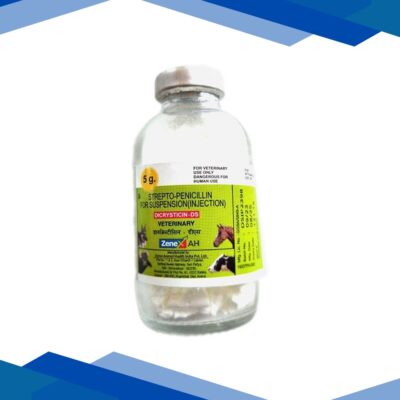



Here is your text with bold headings and appropriate bold/italics emphasis, without changing the original content:
Who Can Use Streptomycin: Important Information and Much Guidance
In this series of aminoglycoside antibiotics, the famous and effective Streptomycin is used. This was the first-ever antibiotic used for tuberculosis control, and several cervical tuberculosis in this case, streptomycin aminoglycoside is one of the undoubtedly most reliable orthodox antibiotics for the treatment of many severe bacterial infections encountered until now. Given that many types of antibiotics are administered orally, this elderly aminoglycoside certainly causes the drug to be given through infusion so it can be continually absorbed and reach the systemic pathogens.
Key Therapeutic Benefits
TB Care: Recommended to be used as a primary “first-line” or “second-line” agent in multi-drug regimens for curing TB.
Rare Infections: Very efficient in treating zoonotic diseases like Plague (Yersinia pestis) and Tularemia.
Endocarditis Management: Most often combined with penicillins to battle infections on the heart valves.
Broad-Spectrum Activity: Acts to destroy a number of resistant gram-negative bacteria not reachable with more common drugs.
How It Works
Streptomycin falls into a special category of drugs called “bacteriostatic” that work by disrupting internal functioning of the bacterium. The principal mechanisms are:
Protein Synthesis Inhibition: It binds to the 30S subunit of the bacterial ribosome.
Genetic Misreading: As a result of this binding, bacteria make errors in genetic translation, leading to production of faulty proteins.
Bactericidal Action: Loss of cellular integrity leads to leakage of intracellular contents and eventual cell death.
How To Use
Inject deep into a large muscle (intramuscular) or, in the case of septicemia, via an intravenous infusion, which should only be done by a nursing professional.
Usage Plans: Patients diagnosed with TB will take a dose once a week for about 3–6 months. Take care to maintain hydration and monitor kidney function.
Safety and Precautions
The list presented here does not cover all possible side effects. Attributes of the bacteriostatic properties of penicillin are also of high medical consideration but will hold for future knowledge.
Since the effects are graded on a spectrum, dosage should be carefully controlled to monitor for possible anaphylaxis.
Q: Is Streptomycin still commonly used today?
A: Yes, but it is usually reserved for cases where other antibiotics have failed or as part of multi-drug therapy to prevent resistance.
Q: How long does the treatment continue?
A: It depends on the infection. For tularemia, 7–14 days may be required, whereas tuberculosis may require a much longer duration.
Q: What should I do if I forget my injectable dose?
A: Contact your healthcare provider immediately. Maintaining regular intervals is important to prevent bacterial resistance.
Q: What are the common side effects possible with injectable antibiotic use?
A: Some patients may experience pain at injection site, nausea, vomiting, and temporary tingling sensations in the face or hands.