
Showing all 6 resultsSorted by popularity
Filter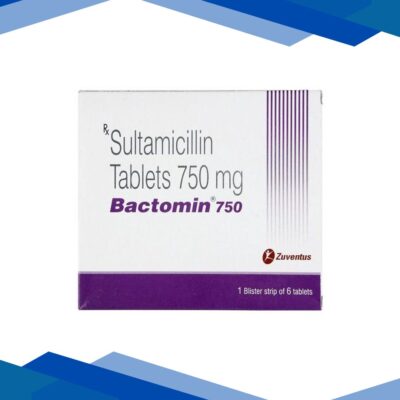
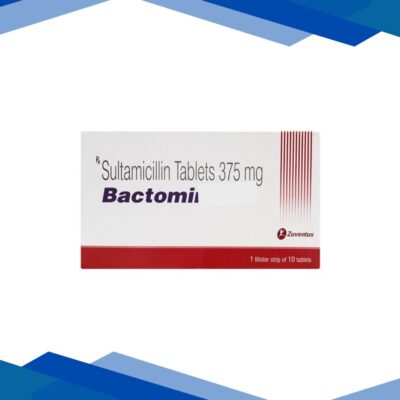
Bactomin 375mg Tablet 10’S
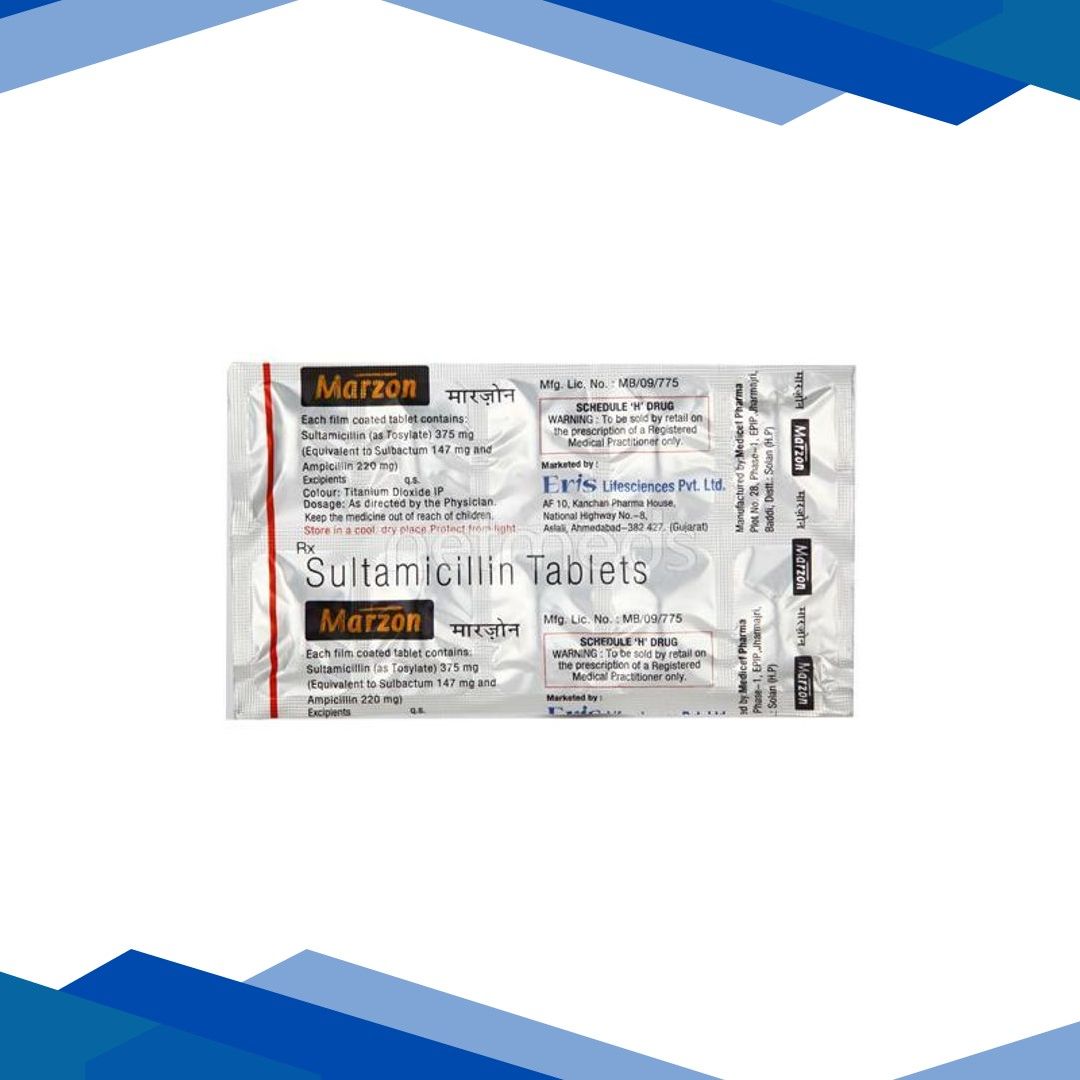

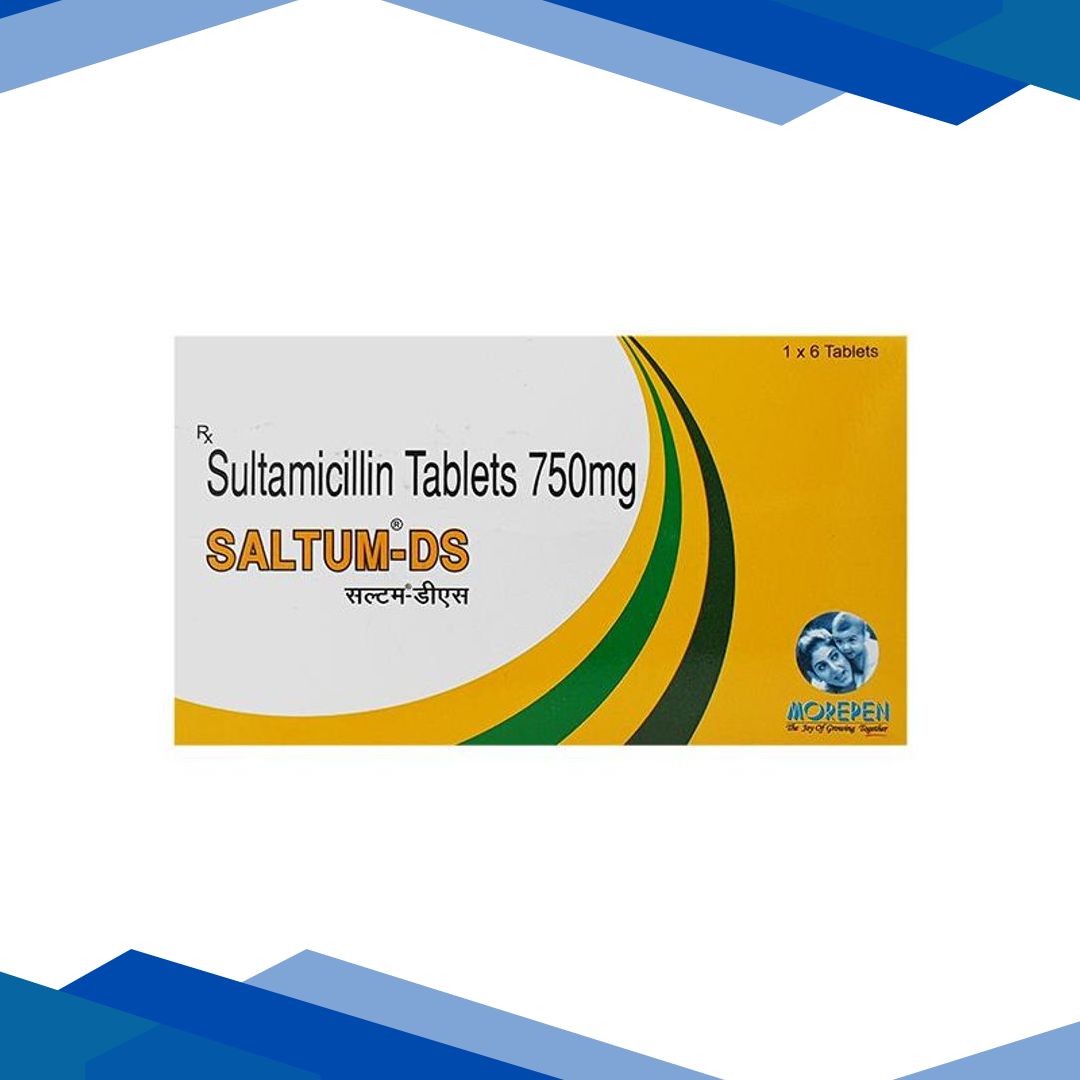
Sultamicillin (375mg) tablets: Advanced dual-action antibiotic care
Sultamicillin is an advanced oral antibiotic consisting of two powerful ingredients, Ampicillin and Sulbactam. It is a “mutual prodrug” lab-designed to subdue a broad spectrum of bacterial infections in an unusual way, both by killing the bacteria outright and by neutralizing the body’s defenses they use to resist the antibiotic.
Therapeutic uses
This medication is most effective against susceptible bacteria when trying to combat infections in any part of the body:
Respiratory Tract: Effective against pneumonia, bronchitis, tonsillitis, sinusitis.
Ear, Nose, & Throat (ENT): Front runner in the management of otitis media (infection of the middle ear) and pharyngitis.
Urinary Tract Infections (UTIs): Useful in cystitis (bladder infection) or pyelonephritis (kidney infection).
Skin & Soft Tissue: Many infections, such as abscesses, cellulitis, and cutaneous and subcutaneous infected wounds or boils, are routinely treated with sultamicillin.
Gonorrhea: Specific regimens for no-nonsense infection cases.
How sultamicillin works
Working synergistically with each of its drug partners, sultamicillin achieves clinical success thus:
Ampicillin: Takes care of the heavy lifted work by interfering with cell-wall synthesis thereby causing the bacterium to burst and die.
Sulbactam: The shield which facilitates ampicillin to be effective against bacteria that produce beta-lactamase. It is this enzyme that deactivates ampicillin; sulbactam blocks this enzyme, enhancing the effectiveness of ampicillin against bacteria resistant to penicillins.
Usage & Administration Guidelines
Usual Dosage: For adults, 375 mg–750 mg is recommended to be taken twice a day (every 12 hours).
How to Take: Sultamicillin should be taken with water. While it can be taken regardless of food, taking it 1 hour before or 2 hours after food may enhance absorption.
Regular: Do not stop treatment once you feel better. Complete the therapeutic course (usually 5–14 days) since this is paramount in the prevention of resistance phenomena.
Possible Side Effects
With a propensity to be well-tolerated, some may experience:
Diarrhea or loose stools
Nausea and vomiting
Abdominal discomfort
Skin rashes or itching
Safety Warning: In case you develop a severe rash, swelling of face/throat, or difficulty with breathing, seek immediate medical help, as these may be signs of a severe allergic reaction.
FAQs
Q: Is Sultamicillin a strong antibiotic?
A: It’s considered a broad-spectrum antibiotic. Its strong side is that it overcomes bacterial resistance, on those occasions when regular ampicillin fails.
Q: Can I take this medication if I am allergic to Penicillin?
A: No. This belongs to the penicillin group. So if you are known to have an allergy to penicillin or cephalosporin antibiotics, do inform your physician as the reaction may be severe.
Q: Does Sultamicillin cause diarrhea?
A: Yes. Diarrhea is possible since the antibiotics are capable of ruining the gastrointestinal fauna. If diarrhea becomes worse, if it lasts watery, or if you notice blood, inform the physician.
Q: Can I take Sultamicillin while I am pregnant?
A: This may only be done during pregnancy or breastfeeding if it is needed so seriously as to clearly outweigh any potential risks. It should be done only under the supervision of a physician who has made this judgment.
Q: What should I do if I forget to take my dose?
A: Take the dose as soon as you remember. If it is almost time for the next dose, do not take the missed dose. Never try to catch up by taking two doses!
Storage:
Store in a cool, dry place, not in the fridge, and keep it out of the children’s reach.
Disclaimer:
This content for educational purposes only. Always check with a qualified health practitioner before starting