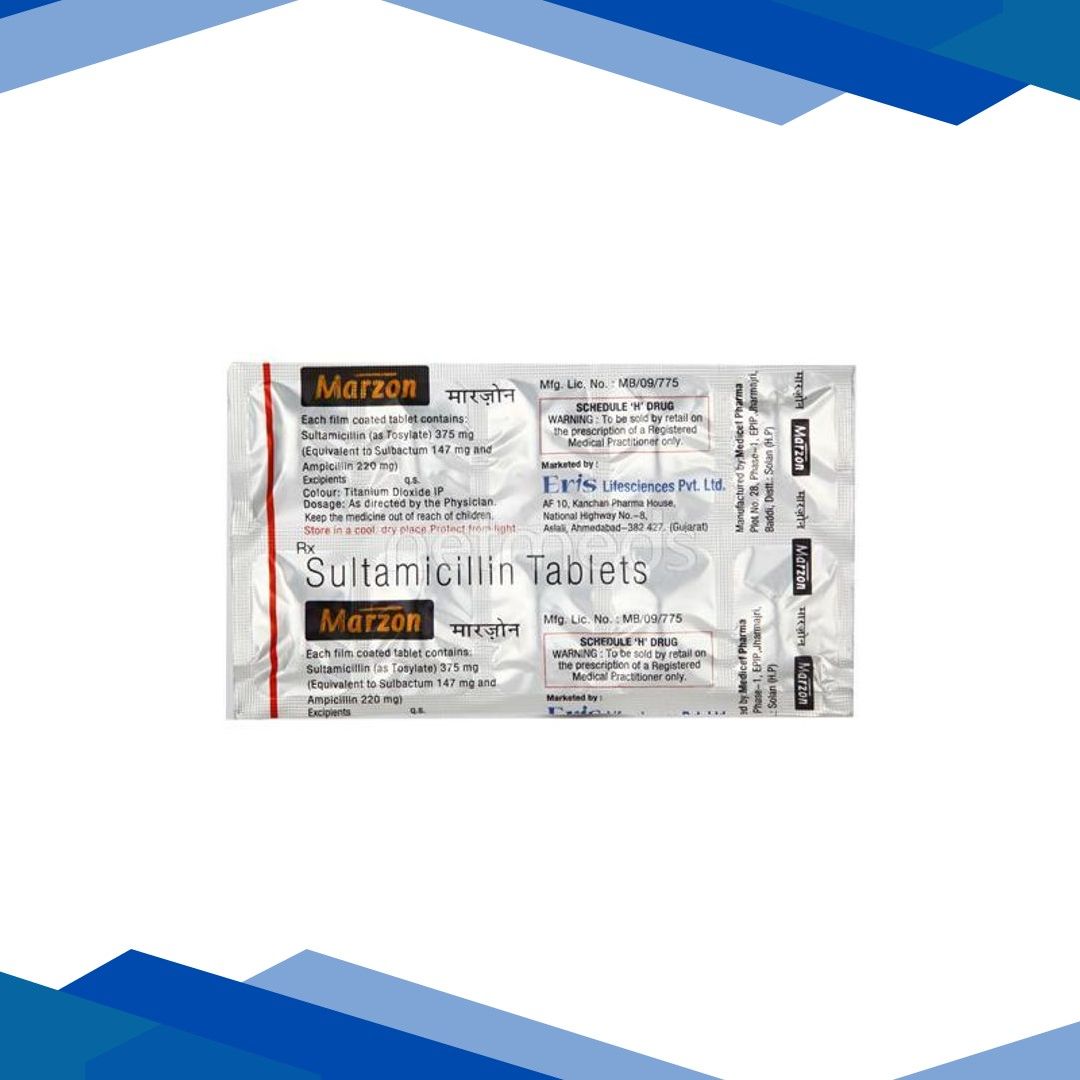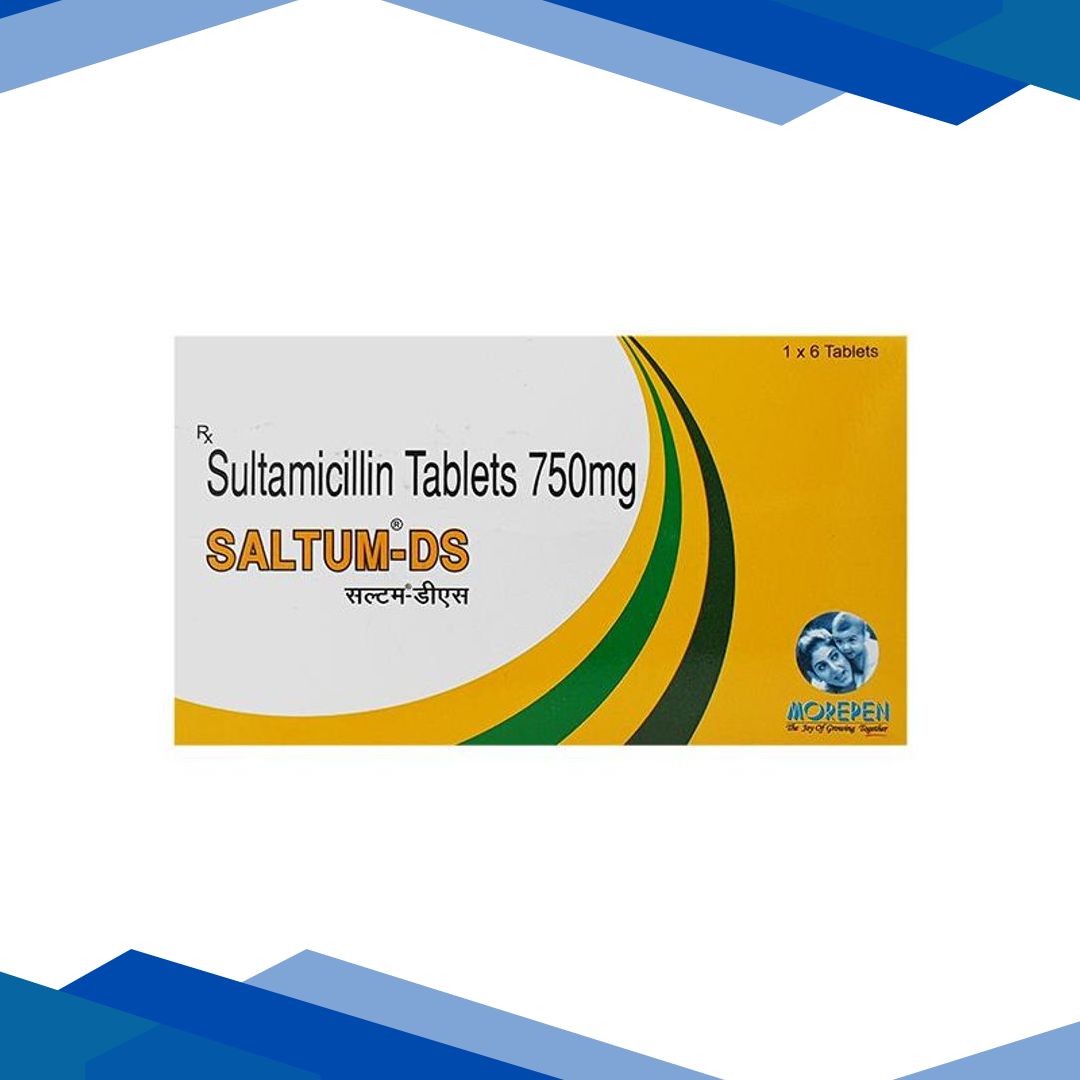
SALTUM DS Tablet 6’s
SALTUM DS Tablet is a combination medicine used to treat certain bacterial infections. Ampicillin and cloxacillin are antibiotics that work together to stop the growth of bacteria and help clear the infection. Ampicillin is effective against a range of bacteria, while cloxacillin is especially useful for some bacteria that can resist other antibiotics. Lactobacillus is a beneficial probiotic that helps support healthy gut bacteria and may reduce the chance of stomach upset or diarrhea sometimes linked to antibiotic use. This medicine is commonly prescribed for infections of the throat, skin, ear, lungs, and other parts of the body when caused by susceptible bacteria. It should be used only under medical advice, as it will not work for viral infections like the common cold or flu.
Description
SALTUM DS Tablet is a combination medicine that brings together two antibiotic agents and a probiotic support component. in general terms, this type of formulation is used when a bacterial infection needs treatment while also helping to reduce the disruption of normal intestinal bacteria that can happen during antibiotic use. ampicillin and cloxacillin belong to the penicillin group of antibiotics, but each has a slightly different antibacterial profile, which can broaden the overall activity against susceptible bacteria. lactobacillus is a beneficial live microorganism commonly used as a probiotic to help support healthy gut flora, especially during or after antibiotic therapy.
the antibiotic components work by interfering with bacterial cell wall formation, which is essential for bacteria to survive and multiply. when bacteria cannot build a strong cell wall, they become unstable and die. ampicillin is active against a range of susceptible bacteria, including some that commonly cause respiratory, urinary, gastrointestinal, and soft tissue infections. cloxacillin is particularly useful against certain penicillinase-producing staphylococci, which are bacteria that can resist some other penicillins by producing an enzyme that breaks them down. together, the two antibiotics may be used to improve coverage against bacteria that are likely to be sensitive to one or both agents, depending on the clinical situation.
lactobacillus is included to help maintain or restore the balance of normal bacteria in the digestive tract. antibiotics can sometimes disturb the natural gut microbiome, leading to loose stools, abdominal discomfort, or antibiotic-associated diarrhea. the probiotic component may help lower the chance of these digestive side effects in some people, although its benefit can vary based on the strain, dose, and individual patient factors. this medicine is generally intended for bacterial infections and should not be used for viral illnesses such as the common cold or flu. a healthcare professional should decide whether this combination is appropriate based on the type of infection, the likely bacteria involved, allergy history, and overall health status.
ingredients
- ampicillin: a broad-spectrum penicillin antibiotic that helps stop bacterial growth by blocking cell wall synthesis. it is useful against many susceptible bacteria and is commonly chosen for infections where penicillin-sensitive organisms are suspected.
- cloxacillin: a penicillinase-resistant penicillin that is especially effective against certain staphylococcal bacteria. it adds important coverage against bacteria that may produce enzymes capable of inactivating some other penicillins.
- lactobacillus: a probiotic organism that supports healthy intestinal flora. it may help reduce antibiotic-related diarrhea and support digestive comfort during treatment, though it does not replace antibiotic therapy.
key uses
- bacterial skin and soft tissue infections: may be used for infections such as cellulitis, infected wounds, or boils when the causative bacteria are likely to be susceptible to the antibiotic combination.
- respiratory tract infections: sometimes prescribed for certain bacterial infections affecting the throat, chest, or sinuses, provided the bacteria are expected to respond to these medicines.
- urinary tract infections: may be used in selected cases where the bacteria causing the infection are sensitive to ampicillin-containing therapy.
- mixed bacterial infections: the combination can be useful when a clinician wants broader antibacterial coverage than one penicillin alone can offer.
- support of gut health during antibiotic use: lactobacillus may help reduce the disturbance of normal intestinal flora and may lessen antibiotic-associated digestive upset in some patients.
how to use
SALTUM DS Tablet should be used exactly as directed by a healthcare professional. it is important to complete the full course of treatment even if symptoms improve early, because stopping too soon can allow bacteria to survive and the infection may return. the medicine is usually taken by mouth, and many people are advised to take it on an empty stomach because food can reduce the absorption of some penicillin antibiotics. however, the exact timing may vary depending on the specific product instructions and the advice of the prescriber.
swallow the medicine with water and avoid taking it at the same time as certain supplements or medicines unless a healthcare professional says it is safe. because lactobacillus is a live probiotic component, the product should be handled according to label directions to help preserve the viability of the beneficial bacteria. if the formulation is a capsule, sachet, or suspension, follow the preparation and storage instructions carefully. do not crush, open, or mix the product unless the label specifically allows it. if stomach upset occurs, a clinician may suggest taking it at a different time or reviewing whether the formulation is suitable for you.
do not use this medicine for conditions caused by viruses, such as colds or influenza. it should only be used when a bacterial infection is suspected or confirmed by a qualified healthcare professional. if symptoms worsen, do not improve, or are accompanied by high fever, severe pain, breathing difficulty, rash, or signs of allergy, seek medical advice promptly.
safety information
- warnings: this medicine can cause serious allergic reactions in people with penicillin allergy, and in some cases cross-reactivity may occur in those allergic to other beta-lactam antibiotics. signs of allergy include rash, itching, swelling of the face or throat, wheezing, and trouble breathing. severe diarrhea, especially if it is watery, persistent, or bloody, may indicate antibiotic-associated colitis and needs immediate medical attention. antibiotics should be used only when necessary to reduce the risk of resistance.
- side effects: common side effects may include nausea, vomiting, mild diarrhea, abdominal discomfort, bloating, and skin rash. some people may notice temporary changes in taste or mild irritation in the digestive tract. serious side effects can include severe skin reactions, jaundice, liver problems, persistent diarrhea, blood disorders, and anaphylaxis. if any serious reaction is suspected, urgent medical care is required.
- precautions: use caution in people with a history of allergy to penicillins, cephalosporins, or other beta-lactam antibiotics. people with liver disease, kidney disease, mononucleosis, asthma, or a history of drug allergy should inform their clinician before use. the probiotic component may not be appropriate for severely immunocompromised patients or those with central venous catheters, depending on clinical circumstances, because live microorganisms can rarely pose a risk in very vulnerable individuals.
- pregnancy/breastfeeding: penicillin antibiotics are often considered acceptable during pregnancy when clearly needed, but the decision should always be made by a healthcare professional. during breastfeeding, small amounts may pass into breast milk and may occasionally cause diarrhea, rash, or thrush in the infant. lactobacillus is generally regarded as low risk, but professional guidance is still recommended before use during pregnancy or breastfeeding.
- interactions: this medicine may interact with other antibiotics, methotrexate, anticoagulants such as warfarin, and medicines that affect kidney function. probenecid can increase levels of some penicillin antibiotics. alcohol does not usually cause a dangerous direct interaction, but it may worsen stomach upset or dehydration and is best limited during treatment. always tell the healthcare professional about all prescription medicines, over-the-counter products, herbal supplements, and probiotic products you are taking.
additional information
- storage: store the medicine according to the product label, usually in a cool, dry place away from heat, moisture, and direct sunlight. keep it out of reach of children. if the product is a suspension or contains live probiotic organisms, storage requirements may be more specific, so follow the package instructions carefully.
- missed dose: if a dose is missed, take it as soon as you remember unless it is nearly time for the next scheduled dose. if it is close to the next dose, skip the missed dose and continue with the regular schedule. do not take extra medicine to make up for a missed dose unless a healthcare professional instructs you to do so.
- overdose: taking too much may increase the risk of nausea, vomiting, diarrhea, abdominal discomfort, dizziness, or allergic reactions. in severe cases, overdose can cause more serious complications, especially in people with kidney problems or allergy history. if an overdose is suspected, seek urgent medical help or contact a poison information center right away.
- habit forming: no. this medicine is not habit-forming or addictive. it is an antibacterial treatment with probiotic support, and it does not cause dependence. however, it should be used only for the period recommended by the prescriber to ensure safe and effective treatment.
frequently asked questions
Q: what is SALTUM DS Tablet used for?
A: it is used to treat certain bacterial infections while also helping support intestinal flora with lactobacillus. the exact infection treated depends on the bacteria involved and the clinician's assessment.
Q: can i take this medicine with food?
A: many penicillin antibiotics are better absorbed on an empty stomach, but you should follow the specific instructions on your product label or from your healthcare professional, since directions can vary by formulation.
Q: will this medicine work for a cold or flu?
A: no. colds and flu are usually caused by viruses, and antibiotics do not treat viral infections. using antibiotics unnecessarily can cause side effects and antibiotic resistance.
Q: what should i do if i develop diarrhea while taking it?
A: mild loose stools can happen, but persistent, severe, or bloody diarrhea needs medical attention because it may indicate a more serious antibiotic-associated bowel problem.
Q: can i take it if i am allergic to penicillin?
A: no, or only under very careful specialist advice. if you have a known penicillin allergy, you must tell your healthcare professional before taking this medicine because serious allergic reactions can occur.
Q: does lactobacillus prevent all side effects of antibiotics?
A: no. lactobacillus may help support gut health in some people, but it does not prevent all side effects and does not replace proper medical monitoring.
Q: should i stop the medicine when i feel better?
A: no. antibiotics should usually be continued for the full prescribed course, even if symptoms improve, unless your healthcare professional tells you otherwise.
Q: can this medicine interact with other medicines?
A: yes. it can interact with several medicines, including some blood thinners and methotrexate. always provide a full list of your medicines and supplements to your clinician.
Q: is this medicine safe in pregnancy?
A: it may be used in pregnancy when clearly needed, but only after a healthcare professional evaluates the benefits and risks for the specific situation.
Q: what are the signs of a serious allergic reaction?
A: warning signs include swelling of the face or throat, severe rash, hives, wheezing, dizziness, and trouble breathing. emergency medical care is needed immediately if these occur.
Q: can children take this medicine?
A: it may be used in children in appropriate circumstances, but the suitability depends on age, weight, infection type, and clinical evaluation by a pediatric healthcare professional.
Q: does this medicine kill good bacteria?
A: antibiotics can disturb normal beneficial bacteria in the body. that is one reason lactobacillus is included, to help support the gut microbiome during treatment.
Q: can i drink alcohol while taking it?
A: alcohol is not known to cause a major direct interaction with these ingredients, but it may worsen side effects like stomach upset or dehydration, so it is best to avoid or limit alcohol during treatment.
Q: what if my symptoms do not improve?
A: if symptoms do not improve or get worse, contact a healthcare professional. the bacteria may be resistant, the diagnosis may be different, or a different treatment may be required.
this information is for educational purposes only and should not be considered medical advice. always consult a qualified healthcare professional before use.
At Gem Pharmacy, we make every effort to provide accurate, expert-written, and thoroughly reviewed information related to medicines. However, this information should not be considered a substitute for professional medical advice, diagnosis, or treatment from a qualified doctor.
The purpose of this information is to educate users and improve communication between patients and healthcare professionals. It should not be used to diagnose or treat any condition.
Always consult a certified healthcare professional before taking any medication.


Related products