

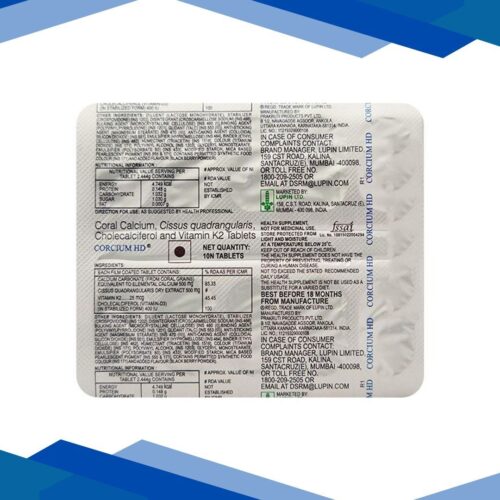
CORCIUM HD Tablet 10’s
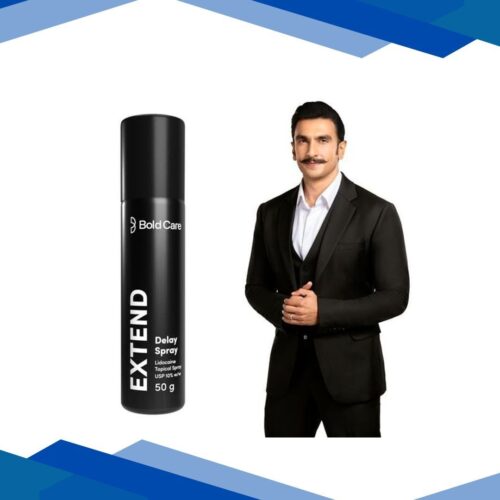
Bold Care Extend Delay Spray 50 g
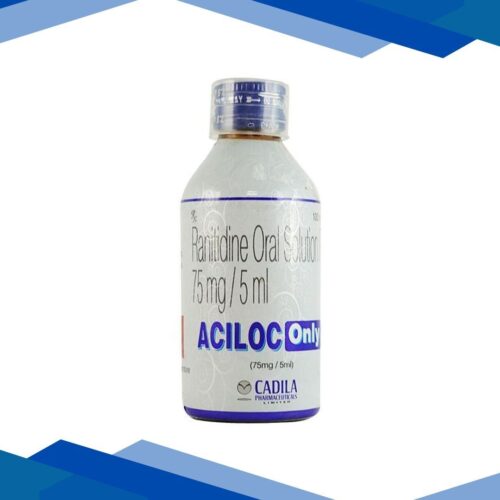
Aciloc Only Oral Liquid 100ml
What are you looking for?
Showing the single result
Filter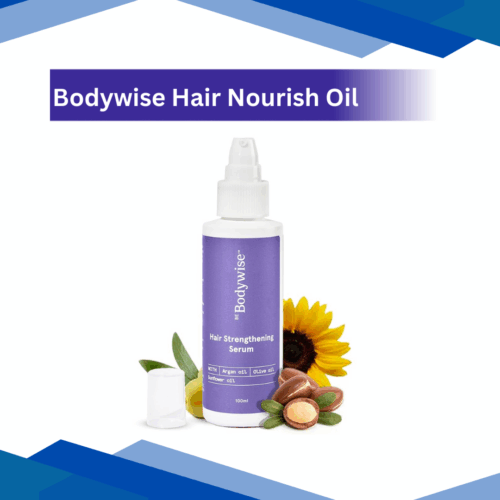
Bodywise Hair Strengthening Serum 100 ml
Helianthus annuus (Sunflower) Seed Oil: Essential Fatty Acids for Skin & Heart Health
To match the medical standards followed by 1mg and Netmeds, the content concerning Sunflower Oil emphasizes technical aspects such as high-oleic lipids and alpha-tocopherol content. By focusing on its fatty acid profile and non-comedogenic functionality in a clinical manner, it presents a more precise and medically relevant profile.
Sunflower oil, extracted from the seeds of Helianthus annuus, is a nutrient-dense botanical oil rich in Linoleic acid (Omega-6) and Oleic acid (Omega-9). In pharmaceutical and dermatological applications, high-oleic variants are preferred due to their enhanced oxidative stability and resistance to rancidity.
Enriched with Vitamin E (alpha-tocopherol) and phytosterols, sunflower oil functions as a potent antioxidant, supporting cellular membrane integrity and modulating inflammatory responses in both topical and dietary applications.
Therapeutic Uses & Clinical Profiles
Structural Strengthening & Maintenance: High linoleic acid content supports ceramide synthesis, strengthening the skin barrier and reducing transepidermal water loss (TEWL).
Oxidative Stress Protection: Rich in alpha-tocopherol, it helps neutralize free radicals and protect against oxidative damage.
Non-Comedogenic Hydration: With a comedogenic rating of 0–2, it provides hydration without clogging pores, making it suitable for acne-prone and sensitive skin.
Cardiac Protection: Dietary intake of polyunsaturated fats helps maintain lower LDL cholesterol levels when replacing saturated fats.
Anti-inflammatory & Repair Support: Contains triterpene alcohols that help soothe irritated skin, assist in minor wound healing, and support overall skin repair.
Teacher’s Insight: High-Oleic vs. Linoleic Sunflower Oil
Feature
High-Oleic Sunflower Oil – Rich in Omega-9, highly stable, resistant to oxidation, suitable for high-performance skincare and cooking at higher temperatures, longer shelf life
Linoleic Sunflower Oil – Rich in Omega-6, less stable, better suited for cold applications, shorter shelf life due to sensitivity to heat and light
Use & Application Guide
Topical Use: Can be used as a carrier oil or applied directly to damp skin after bathing to lock in moisture.
Dietary Use: Suitable for sautéing and salad dressings. To preserve Vitamin E, avoid overheating beyond its smoke point (~232°C).
Frequently Asked Questions (FAQs)
1. Is Sunflower Oil safe for babies?
Yes. It is commonly used for infant massage, especially due to its high linoleic acid content that supports skin barrier development.
2. Can it be used for oily skin?
Yes. It is lightweight, fast-absorbing, and may help regulate sebum composition, reducing the risk of clogged pores.
3. How does it help with cholesterol?
Phytosterols in sunflower oil compete with cholesterol for absorption in the intestine, helping lower overall cholesterol levels.
4. Does it contain trans fats?
No. Pure, cold-pressed or properly refined sunflower oil contains zero trans fats. Trans fats form only during partial hydrogenation.
5. Does it protect against UV rays?
Its Vitamin E content helps repair oxidative damage from sun exposure, but it is not a substitute for sunscreen.
