Showing all 8 resultsSorted by popularity
Filter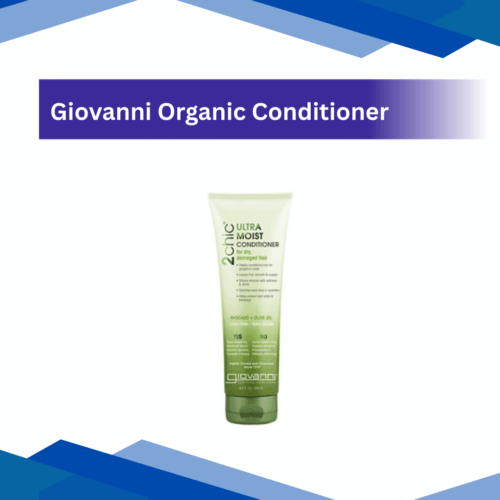
Giovanni Organic 2Chic Ultra Moist Conditioner 250 ml
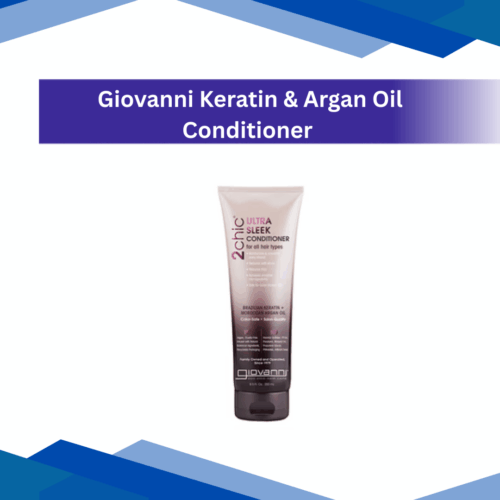
Giovanni 2Chic Ultra Sleek Keratin & Argan Oil Conditioner 250 ml
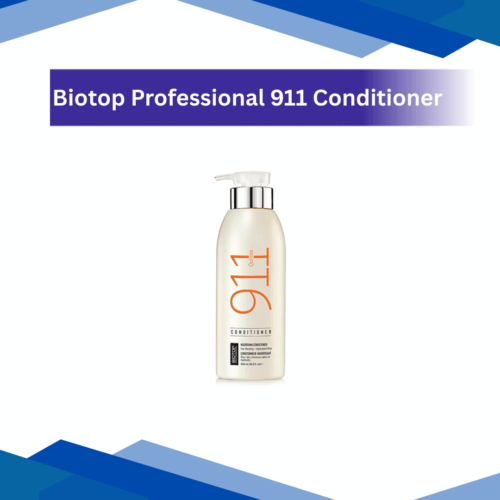
Biotop Professional 911 Conditioner 500 ml
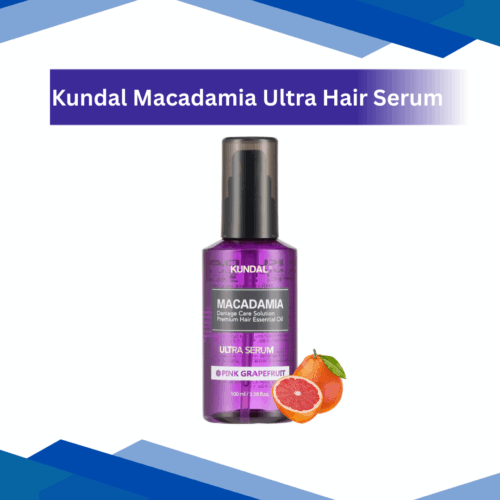
Kundal Macadamia Ultra Hair Serum Pink Grapefruit 100 ml
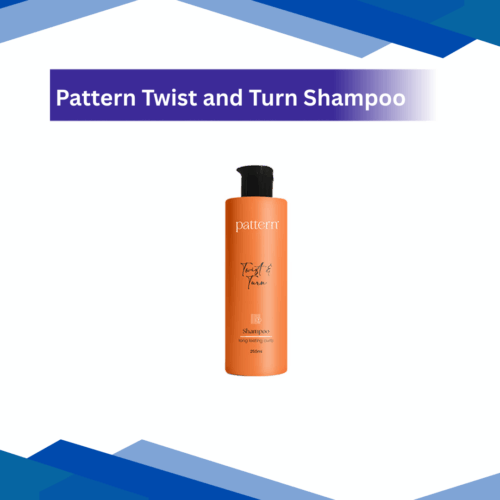
Pattern Twist and Turn Shampoo 250 ml
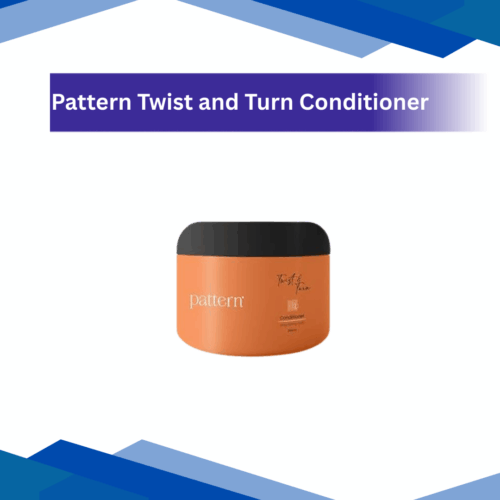
Pattern Twist and Turn Conditioner 200 ml
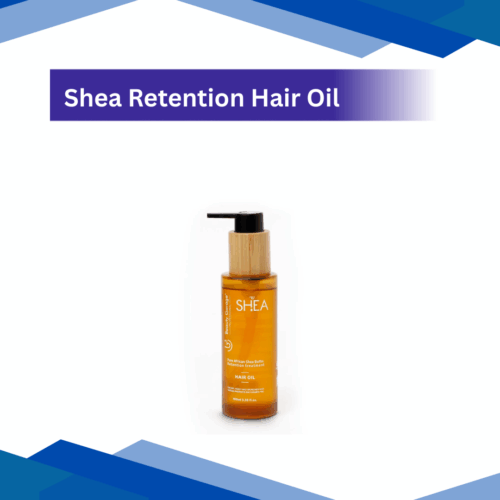
Shea Retention Hair Oil 100 ml
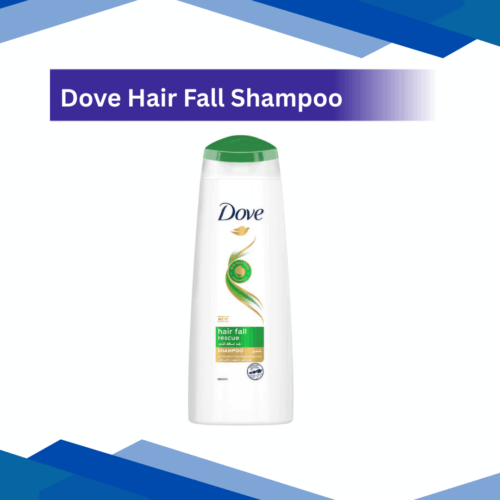
Dove Hair Fall Rescue Shampoo 340 ml
Sunflower: Exceptional Oil for Cardiovascular and Skin Health
An oil characterized for its versatility and nutrient-rich status sourced from the extract of the plant species Helianthus annuus, Sunflower Seed oil is identified as a significant industry supplier in the wellness and pharma ingredients sectors. It frequently serves as a base for supplements or as a stand-alone in skin health as well as cardiovascular caring applications.
Sunflower Seed Oil Base Health Benefits:
Supports the Heart: Its high polyunsaturated fat (PUFA) content, particularly linoleic acid, assists in preventing cholesterol levels within normal limits. Exchanging margarine or animal fats with sunflower oil can be beneficial for promoting cardiovascular health.
Great Source of Antioxidants: Sunflower oil often has rich sources of Vitamin E (alpha-tocopherol). This vitamin fights oxidative stress toward cells and possesses a good role in the immune system.
Helps Barrier Restoration: Emollient in nature, Sunflower helps provide moisture within the skin during topical application. Its slightly anti-inflammatory character is effective on irritated or dry sensitive skin.
Against Energy Loss: Fats and oils supplied in a concentrated form will serve as a valuable asset in heat energy absorption, allowing much-needed fat-soluble vitamin absorption, for example, by vitamin A, D, E, and K.
How to Use
Application | Usage value
Dietary Supplement
The oil should be present in the form of 1 to 2 mealtime softgels or advised by the healthcare provider. Recommended daily intake is 1 to 2 softgels.
Topical Use
For skin, few sunflower drops could do wonders when put on damp clean skin. Apply an essence twice a day on a dry patch or pervasive area. Also doubles up as a great carrier oil to dilute highly potent essential oils.
Interaction with Other Oils / Any Side Effects
Precaution
Allergy: Should not be used by sensitive people with known allergy to Asteraceae/Compositae family (which includes ragweed, daisies, and marigolds) without consulting a doctor.
Storage: Keep the oil in a cool, dark place. Exposure to heat and light can make the oil rancid; hence, tampering with its nutritive profile.
Pregnancy & Breastfeeding: Normally, when used in food, it is considered safe. It is advisable to consult with a specialist if it is to be undertaken in higher doses.
Interactions: Those under anti-thinning treatment are to seek advice from the doctor on usage, especially if taken at high doses due to the mild anticoagulant activity of α-tocopherol.
Asked Question: Sunflower Seed Oil
1. Can Sunflower Seed Oil be applied to acne-prone skin?
Sunflower oil can indeed be consumed on acneic skin. Whereas most oils can aggravate acne, sunflower oil is different in that it will not clog pores. Instead, it harnesses the power of linoleic acid to refine and control oil and can reduce redness. Mustn’t be left out, sunflower oil provides another crucial step in the range of acne treatments:
It helps with battles against free radicals and the rebuilding of cell membrane cascades.
2. Can the oil be used for stir-frying?
High-oleic Sunflower oil varieties play stable oil at higher temperatures. It is best taken in its least heated state for the healthiest use of its multivitamin oil.
3. Will it help with my hair growth?
It doesn’t directly make hair grow. Active vitamin E and fatty acids in the oil help to reduce breakages and guarantee a healthy scalp, promoting the appearance of thicker and shinier hair.
4. How is it different from vegetable oil?
Vegetable oil is a mixture of oils (e.g., soy, palm). The sunflower oil has a consistent structure and composition of Vitamin E and Omega-6 in a singular product.