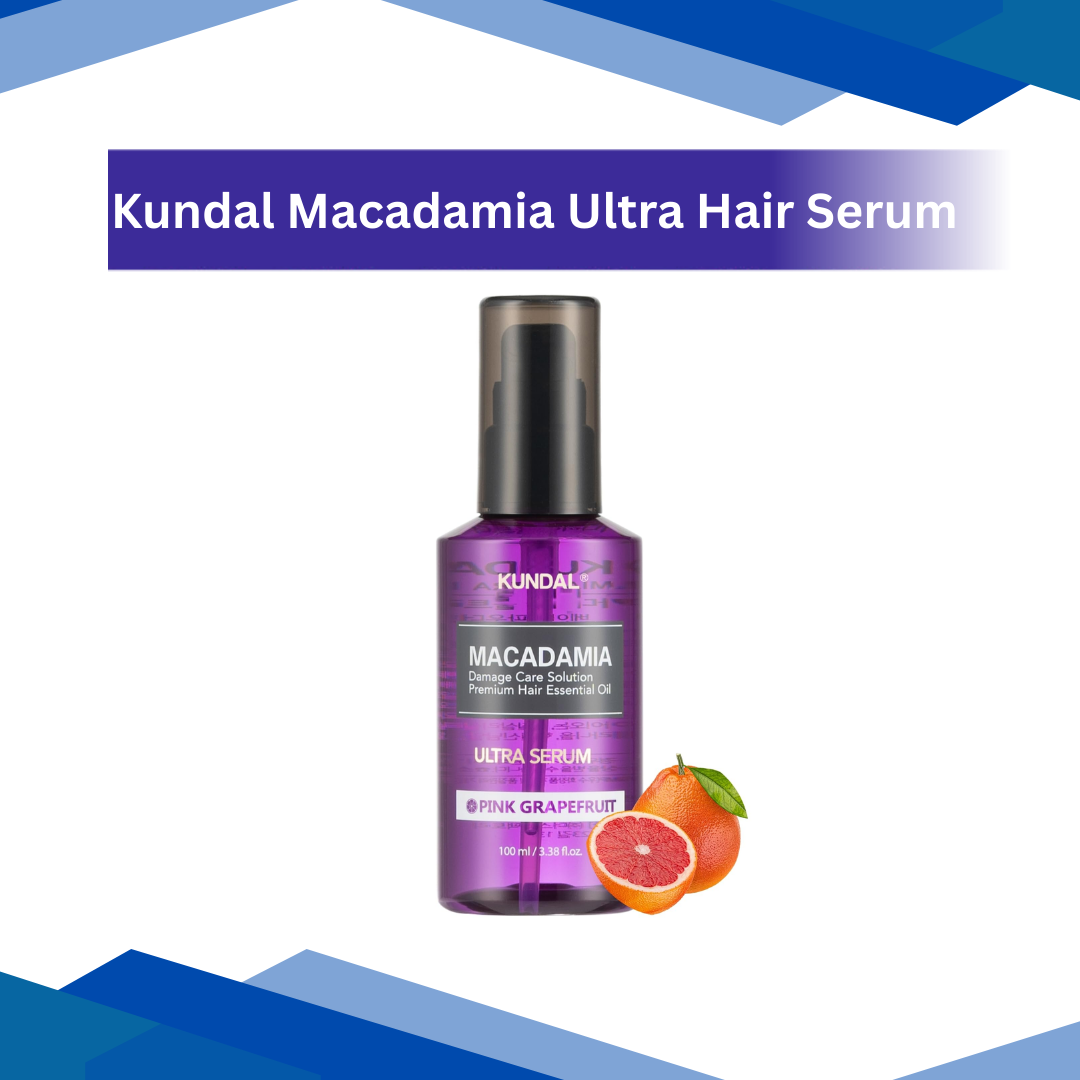
Kundal Macadamia Ultra Hair Serum Pink Grapefruit 100 ml
Kundal Macadamia Ultra Hair Serum is a rich, non-sticky oil-based serum infused with macadamia seed oil and 15 plant-derived oils to nourish, smooth, and protect hair while adding gloss and maintaining elasticity. For more details kindly click on Medicine Salts below:
Macadamia Seed Oil
Macadamia Seed Oil (Pharma Grade)
Obtained from Australian Macadamia integrifolia tree nuts, this oil is an effective source of essential fatty acids. Among fatty acids, this oil is very rich in Palmitoleic Acid (Omega-7), a lipid naturally found in human skin but depleted as we age. This unique combination has made that lipoid the perfect “biomimetic” repair agent, providing ample hydration without the heavy, occlusive feel common among other oils.
What Makes It Special:
Omega 7 Powerhouse: Contains almost 20% Palmitoleic Acid, which improves skin elasticity and helps slow aging processes.
Non-comedogenic: Its low comedogenicity allows hydration without blocking pores, making it suitable for most skin types.
High Oxidative Stability: One of the most stable botanical oils, with a long shelf life and minimal tendency to go rancid.
Key Clinical Benefits:
1. Advanced Skin Barrier Repair
Macadamia oil acts as a natural emollient, closely resembling the skin's lipid barrier. It is particularly beneficial for dry, mature, or compromised skin, helping retain moisture against environmental pollutants and oxidative damage from the sun.
2. Hair Cuticle Smoothing
Due to its lightweight nature, the oil penetrates the hair shaft quickly, improving strength, while its fatty acids smooth the cuticle. This reduces frizz and enhances a natural glossy appearance.
3. Anti-Inflammatory Support
Rich in phytosterols, Macadamia Seed Oil helps reduce redness and irritation. It supports skin recovery and is suitable for sensitive conditions like mild eczema and post-shaving irritation.
Application:
For Face: Apply 2–3 drops to clean, damp skin after serums at night.
Hair: Take a small amount, warm it in your palms, and apply evenly from mid-lengths to ends on damp hair. It can also be used for scalp care before shampooing.
Carrier Oil: Ideal for diluting essential oils in massage blends.
Safety & Storage Information
Allergies: Although highly refined, individuals with tree nut allergies should perform a patch test before full application.
Storage: Store in a cool, dry place, away from direct sunlight.
Pregnancy: Generally considered safe for topical use during pregnancy and breastfeeding, especially for improving skin elasticity.
Frequently Asked Questions (FAQs):
Q: Will the Macadamia Seed Oil make me oily?
A: No. It is quickly absorbed and mimics the skin’s natural oils, leaving a non-greasy, velvety finish.
Q: Will oil be safe for skin that's acne prone?
A: Yes. It has low comedogenicity (≈2) and may help balance sebum production, reducing the likelihood of breakouts.
Q: Can the oil be used for heat protection?
A: It provides a mild protective barrier, but for high heat styling, use it as a finishing oil or combine with products specifically designed for heat protection.
Q: What is the difference between Macadamia Oil and Argan Oil?
A: Macadamia oil is rich in Omega-7 (Palmitoleic Acid), making it ideal for mature skin and barrier repair, while Argan oil is higher in Vitamin E, making it better for antioxidant support.
Q: Can it be applied to the scalp?
A: Yes. Its anti-inflammatory properties help soothe a dry, itchy scalp while nourishing hair follicles without causing buildup.
Sunflower Seed Oil
Sunflower: Exceptional Oil for Cardiovascular and Skin Health
An oil characterized for its versatility and nutrient-rich status sourced from the extract of the plant species Helianthus annuus, Sunflower Seed oil is identified as a significant industry supplier in the wellness and pharma ingredients sectors. It frequently serves as a base for supplements or as a stand-alone in skin health as well as cardiovascular caring applications.
Sunflower Seed Oil Base Health Benefits:
Supports the Heart: Its high polyunsaturated fat (PUFA) content, particularly linoleic acid, assists in preventing cholesterol levels within normal limits. Exchanging margarine or animal fats with sunflower oil can be beneficial for promoting cardiovascular health.
Great Source of Antioxidants: Sunflower oil often has rich sources of Vitamin E (alpha-tocopherol). This vitamin fights oxidative stress toward cells and possesses a good role in the immune system.
Helps Barrier Restoration: Emollient in nature, Sunflower helps provide moisture within the skin during topical application. Its slightly anti-inflammatory character is effective on irritated or dry sensitive skin.
Against Energy Loss: Fats and oils supplied in a concentrated form will serve as a valuable asset in heat energy absorption, allowing much-needed fat-soluble vitamin absorption, for example, by vitamin A, D, E, and K.
How to Use
Application | Usage value
Dietary Supplement
The oil should be present in the form of 1 to 2 mealtime softgels or advised by the healthcare provider. Recommended daily intake is 1 to 2 softgels.
Topical Use
For skin, few sunflower drops could do wonders when put on damp clean skin. Apply an essence twice a day on a dry patch or pervasive area. Also doubles up as a great carrier oil to dilute highly potent essential oils.
Interaction with Other Oils / Any Side Effects
Precaution
Allergy: Should not be used by sensitive people with known allergy to Asteraceae/Compositae family (which includes ragweed, daisies, and marigolds) without consulting a doctor.
Storage: Keep the oil in a cool, dark place. Exposure to heat and light can make the oil rancid; hence, tampering with its nutritive profile.
Pregnancy & Breastfeeding: Normally, when used in food, it is considered safe. It is advisable to consult with a specialist if it is to be undertaken in higher doses.
Interactions: Those under anti-thinning treatment are to seek advice from the doctor on usage, especially if taken at high doses due to the mild anticoagulant activity of α-tocopherol.
Asked Question: Sunflower Seed Oil
1. Can Sunflower Seed Oil be applied to acne-prone skin?
Sunflower oil can indeed be consumed on acneic skin. Whereas most oils can aggravate acne, sunflower oil is different in that it will not clog pores. Instead, it harnesses the power of linoleic acid to refine and control oil and can reduce redness. Mustn't be left out, sunflower oil provides another crucial step in the range of acne treatments:
It helps with battles against free radicals and the rebuilding of cell membrane cascades.
2. Can the oil be used for stir-frying?
High-oleic Sunflower oil varieties play stable oil at higher temperatures. It is best taken in its least heated state for the healthiest use of its multivitamin oil.
3. Will it help with my hair growth?
It doesn't directly make hair grow. Active vitamin E and fatty acids in the oil help to reduce breakages and guarantee a healthy scalp, promoting the appearance of thicker and shinier hair.
4. How is it different from vegetable oil?
Vegetable oil is a mixture of oils (e.g., soy, palm). The sunflower oil has a consistent structure and composition of Vitamin E and Omega-6 in a singular product.
Vegetable Oil
At Gem Pharmacy, we make every effort to provide accurate, expert-written, and thoroughly reviewed information related to medicines. However, this information should not be considered a substitute for professional medical advice, diagnosis, or treatment from a qualified doctor.
The purpose of this information is to educate users and improve communication between patients and healthcare professionals. It should not be used to diagnose or treat any condition.
Always consult a certified healthcare professional before taking any medication.


Related products
Love Beauty And Planet Shampoo
House of Beauty Intensive Hair Growth Serum with Sunscreen 30ml
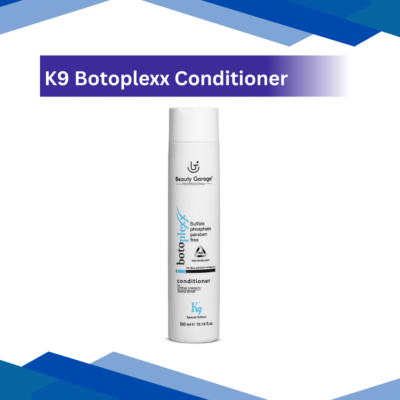
K9 Botoplexx Conditioner 300 ml