





Uses, Side Effects, and Precautions of Tacrolimus
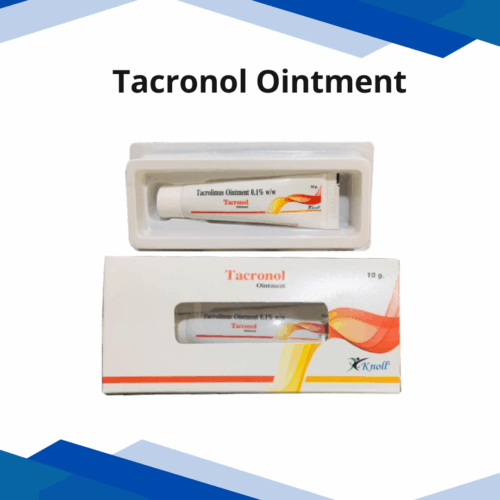
Tacrolimus is an extremely ardent immunosuppressant substantially applied in the transplanting field to aid the body to accept a new organ after it has been transplanted. It is a major player, whether for a kidney, liver, or heart transplant, and plays a significant role in the long-term prospects for recovery by stopping your immune system from attacking the organ given by the donor.
How Does Tacrolimus Work?
Tacrolimus comes within the medicine group of calcineurin inhibitors where it suppresses the activity of the immune system within your body. The immune system is most important in fighting infections; if someone was transplanted with an organ, however, it might misinterpret the transplanted organ as an alien foreign body. Tacrolimus “quiets” this reaction and allows the new organ to work in your body.
Key Highlights
Prevents Organ Rejection: Main line of defense for kidney, liver, and heart transplant recipients.
Long-term Stability: Helps maintain health of the transplanted organ over many years.
Flexible Formulations: Immediate-release and extended-release formulations are available, allowing flexible dosing to fit different clinical requirements.
Common Side Effects:
Most of the patients do not face any problem; those using Tacrolimus might develop some undesirable effects similar to all potent medications. If any of the following conditions persist or get worse, immediately consult your healthcare provider:
- Tremors: Mild twitching, often in your hands.
- Migraine Headache: Usually manageable; closely observe this.
- Blood Pressure Change: Could cause an elevation in blood pressure.
- Kidney Function: Through routine blood tests, make sure your kidney is functioning properly with this medication.
- Raise in Blood Sugar: May increase blood sugar levels for some individuals.
Important Precautions:
- Remain Unwavering: When following the treatment regimen, ensure that you take your medicine at the same time every day to maintain consistent levels in your bloodstream.
- Avoid Grapefruit: Grapefruit or its juice can drastically enhance Tacrolimus levels and cause toxicity.
- Sun Protection: This medication makes your skin more sensitive to ultraviolet (UV) rays. Wear sunscreen and protective clothing when outdoors.
- Infection Risk: Since your immunity is suppressed, take precautions to avoid infections—maintain good hygiene and avoid close contact with infected individuals.
Frequently Asked Questions (FAQs)
Q: Can Tacrolimus be taken on an empty stomach?
A: It is usually advised to take Tacrolimus on an empty stomach (at least 1 hour before food or 2 hours after) for better absorption. Always follow your transplant team’s instructions.
Q: What should I do if I miss a dose?
A: Take the missed dose as soon as you remember, unless it is almost time for your next dose. Never double the dose. If you miss more than one dose, consult your doctor.
Q: Are there any specific drug interactions I should know about?
A: Yes. Several medications—including certain antibiotics, antifungals, and herbal supplements like St. John’s Wort—can interact with Tacrolimus. Always inform your doctor about everything you are taking.
Q: Why do I require frequent blood tests?
A: Tacrolimus has a narrow therapeutic window, meaning precise dosing is critical. Regular blood tests help ensure safe and effective drug levels in your body.
Q: Can I take vaccines while on Tacrolimus?
A: Live vaccines should generally be avoided. Always consult your doctor before receiving any vaccination.