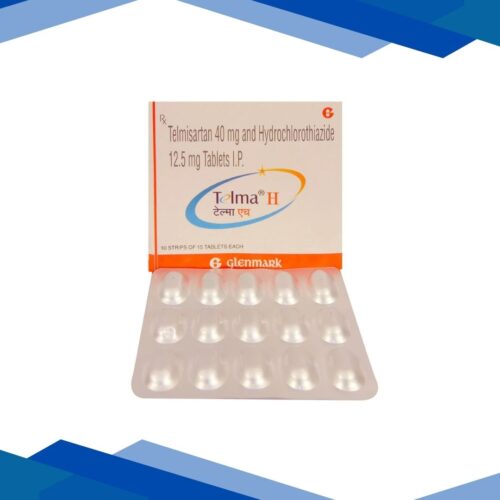
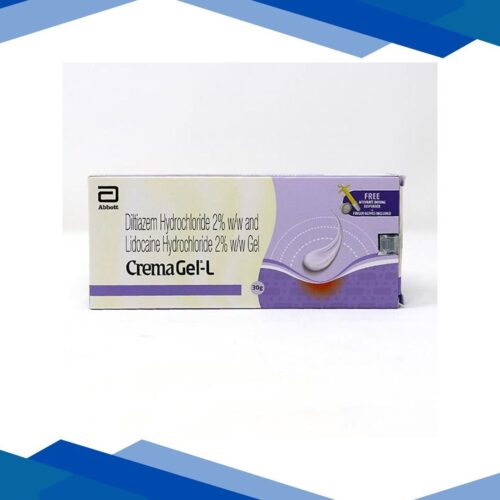
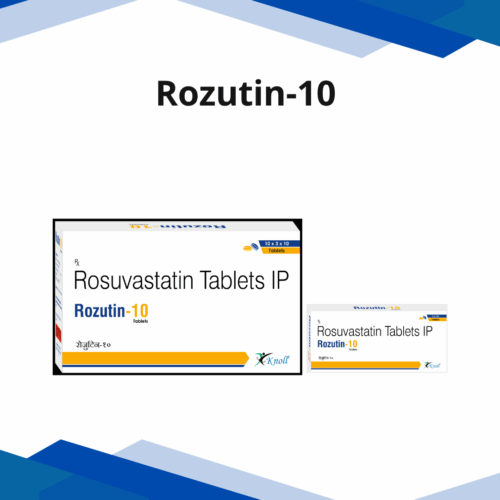
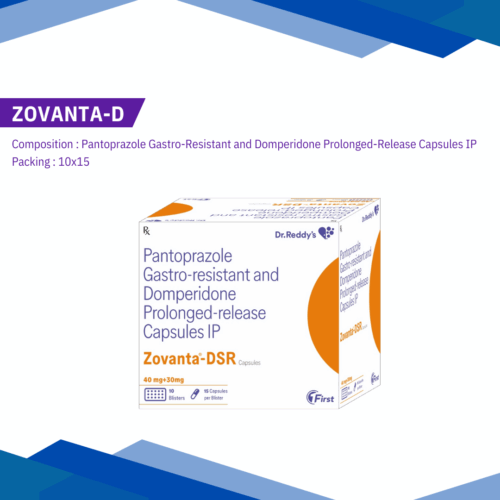

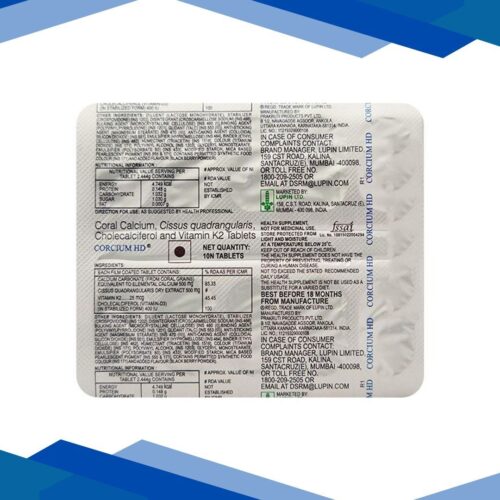
CORCIUM HD Tablet 10’s
Bold Care Extend Delay Spray 50 g
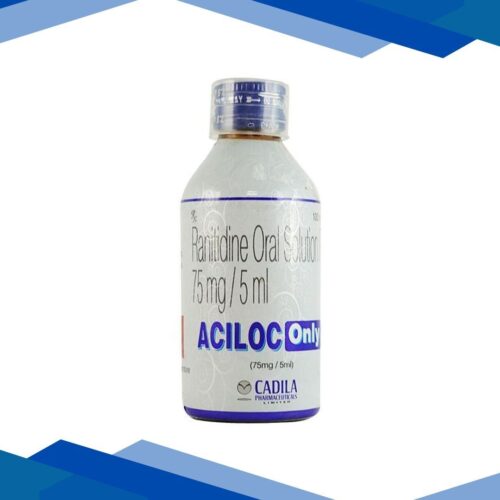
Aciloc Only Oral Liquid 100ml
What are you looking for?
Showing the single result
Filter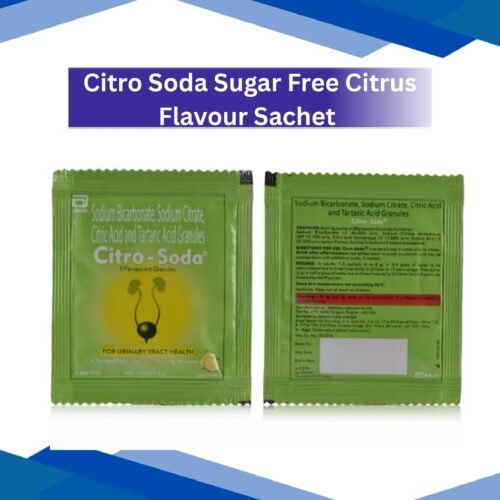
Citro Soda Sugar Free Citrus Flavour Sachet
Tartaric Acid: A Versatile Organic Catalyst in Modern Medicine
with its origin in grapes and tamarinds, Tartaric Acid indeed has much significance beyond culinary “acidulant.” In the realm of pharmaceuticals, it contributes in the bettering of the stability, solubility, and route of oral administration of life-saving medications
Treatment and Natural Beneficial Instances
Bioavailability Enhancer: regulates the immediate pH surrounding a poorly soluble drug, encouraging the drug’s rapid release in the absorption site of the GI tract.
Effervescent Agent: Keeps up to distribute carbon dioxide necessary for accelerated absorption and instantaneous effect of drinkable boosters and analgesics.
Well Known Antioxidant: natural Tartaric Acid efficiently scavenges for free radicals to protect the active pharmaceutical ingredient from degradation area.
Supports Metabolic Function: Some emerging research suggests its use in managing cardiovascular health and glucose metabolism when incorporated into certain therapeutical doses.
Product Profile
Characteristic details
Name of Compound t-2,3-dihydroxybutanedioic acid
Sources Extracts from Grapes, Tamarind, and Bananas
Approaches Front-of-Pack Text LefRecycle Body
Effervescent tabs and pH adjuster
Chemical Precautions GRAS (Generally recognized as safe)
Solubility Slightly soluble in water and practically solde in alcohol
Frequently asked questions (FAQ)
1. Why is Tartaric Acid in my “fizzy” medicine?
Tartaric Acid is an essential element in effervescent formulations. Drop a tablet in water; Tartaric Acid reacts with a base (such as sodium bicarbonate) to release carbon dioxide. This fizzing action isn’t just unique to look at, it helps get the medicine mixed evenly and can mask the bitter taste of many active ingredients.
2. Is Tartaric Acid safe when taken long-termly?
Yes, that’s the case, provided the product is taken at recommended dosages in medicines or foods. Being a naturally occurring organic acid, the body handles it very well. Some forms of Tartaric Acid in this present form will not pose any significant harm, but if anyone attempts to gulp down loads of its pure powder, it may lead to vomiting or dental erosion due to high acidity.
3. Can Tartaric Acid help with digestion?
When used selectively in combination therapy, Tartaric Acid can serve as a mild laxative. It helps to keep the stool moist, increasing water in the bowels and loosening stool for gentle relief. It should not be put to such therapeutic uses unless under medical supervision.
4. How is it different from Citric Acid?
Tartaric Acid is also used as an organic acid preservative or as a flavor-enhancer. It is slightly sharper in taste compared to citric acid and enjoys better stability in certain chemical environments. For instance, in medicine, citric acid has been commonly used to enhance tablet binding properties than citric acid does.
5. Does Tartaric Acid have any benefits for the skin?
Yes. In skin care, Tartaric Acid belongs to the Alpha Hydroxy Acid (AHA) family. So naturally, it is used extensively in chemical peels and serums meant for gentle exfoliation of crusty skin cells, smoothening of the skin surface, and for anti-aging purposes.