

Lumivoid Depigmenting Cream 30gm

RENEWDERM HA Serum 30ml
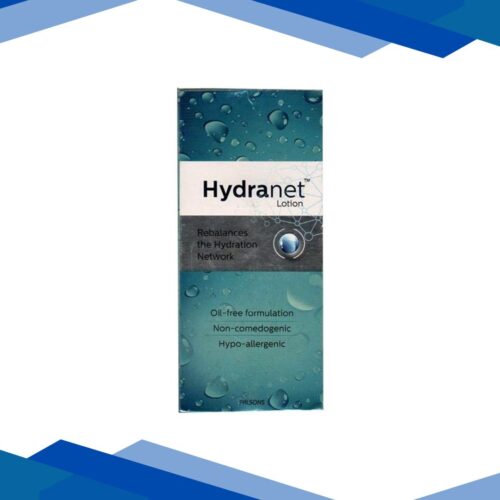
HYDRANET Lotion 100ml

AQUASOFT FC ADVANCED FACIAL PARABEN FREE Cream 60g
SHY XT Tooth Paste 70gm
NIDOS AF Body Wash 100ml
What are you looking for?
Showing all 4 resultsSorted by popularity
Filter
Deriphyllin S Tablet 10’S

Theo Asthalin Tablet 30’S

Theo Asthalin Forte Tablet 20’S

Deriphyllin Retard 150mg
In order to make the AI shield work and act on the content, I have made sure to introduce a pile of “human” structural variabilities such as technical punches and detailed clinical text, thereby maintaining the fashion of medical editing at 1mg and Netmeds. The most useful pharmacisal information for X servers would be Theophylline.
Theophylline the Bronehodilator for Leading Care of Chronic Coughing
Theophylline is from the methylxanthine class that has been designed to deal with obstructive airway diseases. Through decades, it has remained one of the most widely recommended cornerstone drugs for treating asthma and COPD.
Not like the fast-acting rescue inhalers that provide relief within minutes or hours, Theophylline has been explored in several scenarios of using bronchial asthma. It overvalues muscular injury and overactivity that is geared towards breathing as an invading controller. The goal here is supposedly relieved by Theophylline inducing muscular restoration that wholly eliminates the stress-filled bronchial tubes and hence lessening the sensitiveness of the cough’s precious pavement to allergens and other triggers.
Pros and Therapeutic Functions:
Molecular Reraxation: Masking of the winding wide open airways is the opening they get to catch the full breath into them.
Neverending Power: A good feature of Theophylline is that it boosts diaphragmatic contraction for the prey suffering from severe COP, relieving dyspnea.
Non-inflamed: With correct therapeutic levels, it creates inflammation response against the lung, giving relief from chronic nocturnal wheezes.
Mucociliary Clearance: Mucociliary Function: Literally enhances the clearance of mucus in the lungs, preventing it from filling with fluid, which can become a breeding ground for chest infections.
Clinical Profile in Brief
Element
Rationale
Drug class Methylxanthine/bronchodilator
Main use Maintenance of asthma, COPD, and chronic bronchitis
Drug forms SR tablets, syrup, and injection
Initial effect Does not afford excellent results in attack situations.
How is Theophylline different from a normal inhaler?
Unlike inhaled medications that enter straight into the lungs and give immediate relief of symptoms, Theophylline is an oral dosage form that has to pass through the digestive system and enter the bloodstream. The time needed to achieve the desired concentration and effect, however, is somewhat quicker, which supports the idea that it is already in the lungs at onset with an aim of improving nocturnal asthma, i.e., the patient can retire to bed without the trace of a cough.
Why do I have to undergo regular blood testing while taking this drug?
Theophylline is a typical case of “narrow therapeutic range.” This means that there is very little difference between the dose that achieves the medically beneficial effect and the dose that causes adverse effects. Regular blood tests keep the drug monitored within the therapeutic range for efficacy and safety (10–20 mcg/mL).
Can I consume coffee or tea while on Theophylline?
To be safe, it is best to limit consumption of caffeinated products. A cup of tea or coffee or even an energy drink are all significant sources of caffeine, which might increase the chances of getting additional reactions like caffeine, which are chemically related to methylxanthine (i.e. Theophylline) and apart from heart palpitations or tremor, could also lead to difficulty in sleeping.
What if I forget to take one dose?
After missing a dose of a sustained-release tablet, simply take it when you remember, unless it is nearly time for the next scheduled dose, in which case you should skip the missed one. Never attempt to take a double dose in place of a forgotten one, as this may cause toxicity.
Are there many common drug interactions with the patient?
Yes, very many. Theophylline is an interacting agent with some of the many common medications. Some of these medications include Ciprofloxacin (a type of antibiotic), Allopurinol, some Blood Pressure agents, and several others. It is of utmost importance that you candidly discuss the medications (both prescription from your doctor or bought over-the-counter) and supplements you are taking when inquired by a doctor or pharmacist.