


Uses, Dosage, and Side Effects of Tinidazole
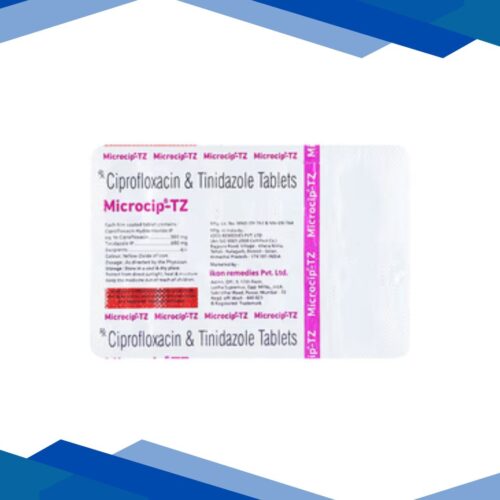
Tinidazole acts primarily by interfering with DNA synthesis. Any adverse outcome for bacteria or protozoa, which causes diseases, usually results from damage or nonreplication of their genetic materials when Tinidazole is used.
With a high absorption rate and an “in short course” duration, the same drug can fulfill the requirements, having in its applications amoebiasis, giardiasis, and bacterial vaginosis.
Mechanism of Action
Once inside a host, the drug is rapidly absorbed through the cells of the target organisms where it releases reactive radicals that target and damage their DNA strands. Owing to dissimilar cellular metabolism, the medication operates with precision to effectively target pathogens without exerting major damage to the host’s cell metabolism.
Advantages
Broad Spectrum: Covers a wide range of anaerobic bacteria and protozoan parasites.
Bioavailability: The medication is almost fully absorbed so it works in an efficient way.
Convenient Dosing: Requires fewer doses compared to older substitutes like, for instance, metronidazole.
Common Conditions Treated with Tinidazole
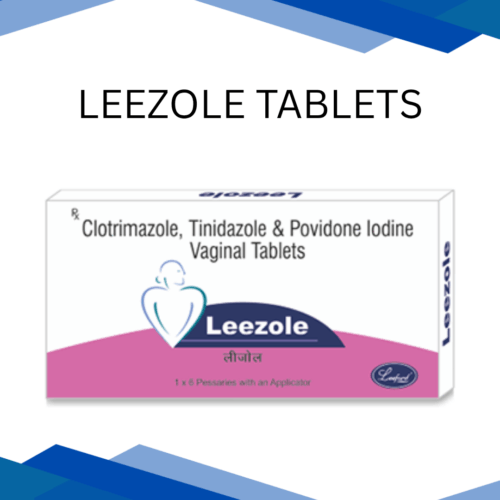
Bacterial Vaginosis: This disorder is caused by the increase in harmful bacteria mainly in the vagina.
Trichomoniasis: This infection is transmitted through sex, caused by a kind of protozoan parasite.
Giardiasis: It infects the intestines and mostly occurs by drinking contaminated water.
Amoebiasis: It involves a parasitic infection of the intestines or liver.
Personal Use and Safety Issues
Administration: Do take it after eating food, and remember that the drug can hurt your stomach if it is left empty.
Warning of Alcohol Interaction: Do not take alcohol while on this therapy until you have had 72 hours that are free of both after the dose has been terminated. Combining the two can result in a “disulfiram-like reaction,” culminating in severe nausea, vomiting, and palpitations.
Consistency: Complete the full course prescribed by your healthcare provider, even if symptoms disappear early, to prevent the return of infection.
Frequently Asked Questions (FAQs)
Q: Is Tinidazole an antibiotic?
A: Yes, it is an antibiotic and an antiprotozoal medication. However, it is only effective against certain types of infections and does not work against viral infections such as the common cold or flu.
Q: What should I do if I miss a dose?
A: Take it as soon as you remember. If it is almost time for your next dose, then you may skip the missed one and go back to your normal schedule. Avoid taking a double dose to make up for a missed dose.
Q: Can I take Tinidazole during pregnancy?
A: This medication is generally avoided during the first trimester. Ask your doctor before using this medicine if you are pregnant or breast-feeding.
Q: How fast does Tinidazole start to work?
A: The biological effect starts almost upon ingestion, with marked improvement in symptoms after 2 to 3 days.
Disclaimer: Please note that this content is for informational purposes only and should not be used as medical professional advice. Consult your own healthcare provider before taking any medication.
