


Showing all 16 resultsSorted by popularity
Filter
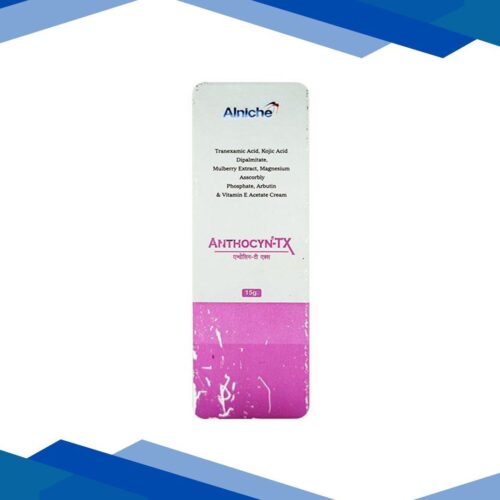
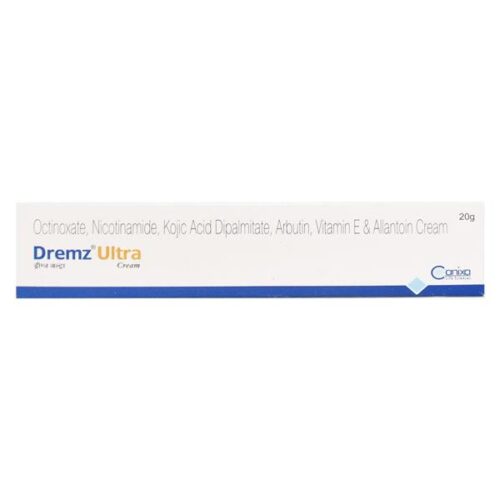
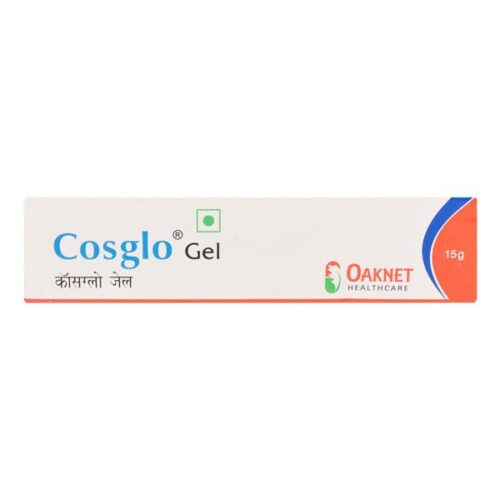
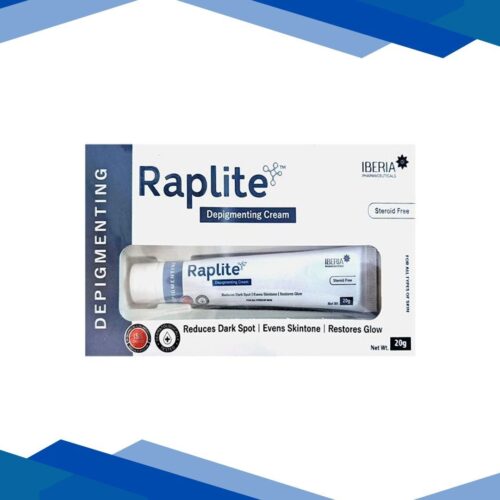
RAPLITE DEPIGMENTING Cream 20g
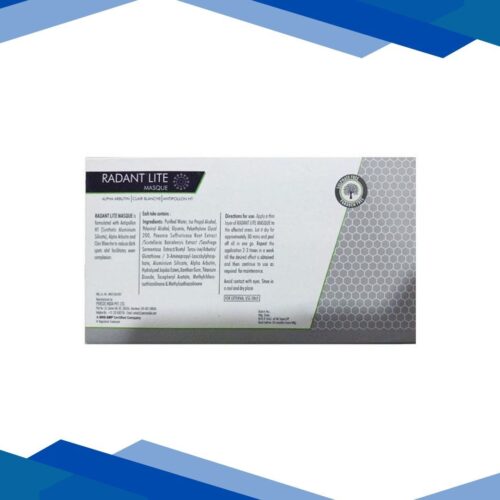
RADANT LITE Masque 50ml


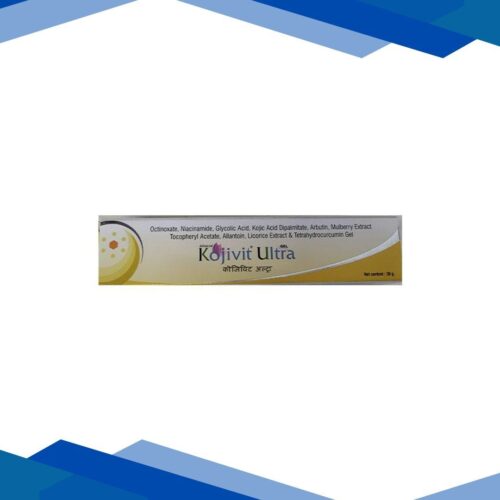
Kojivit Ultra Advanced Gel 30gm
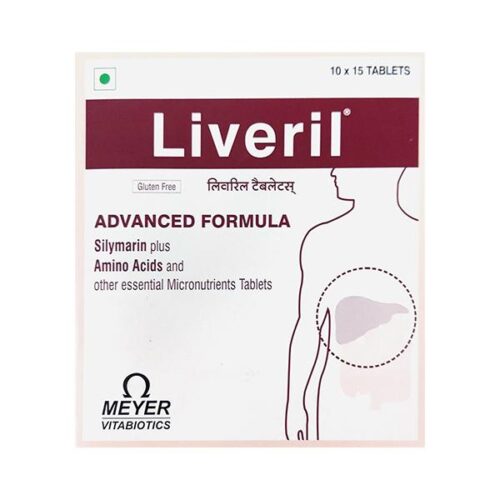
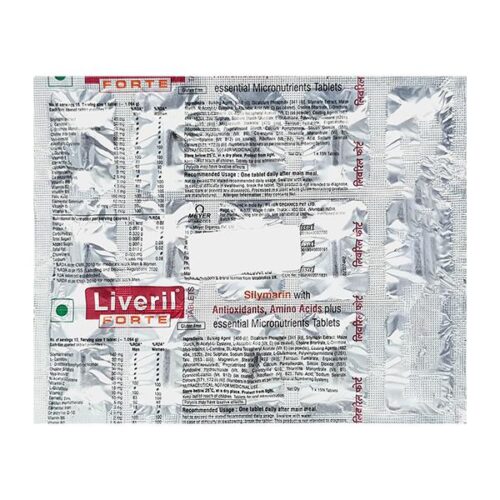
LIVERIL GLUTEN FREE Tablet 15’s
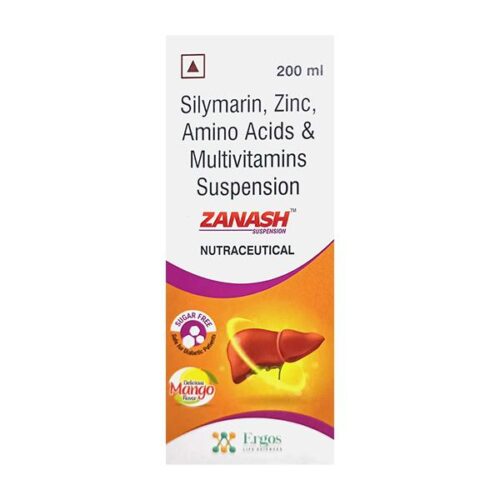
ZANASH SUGAR FREE DELICIOUS MANGO FLAVOR Suspension 200ml
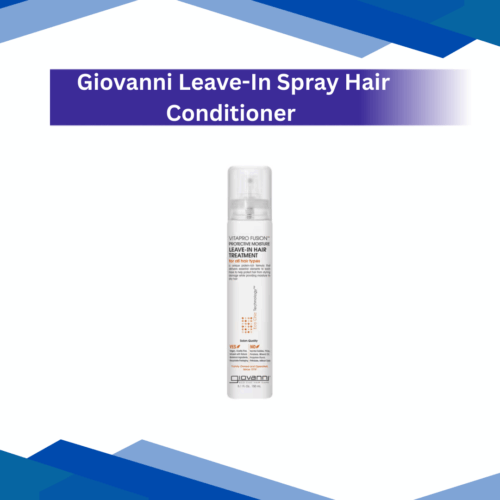
Giovanni Leave-in Spray Hair Conditioner 150 ml
Vitamin E (tocopherol)
The fat-soluble antioxidant known as tocopherol, or vitamin E, is incredibly important for the overall health of the body. As opposed to being just one single substance, eight different compounds make up one form of tocopherol, namely alpha-tocopherol, which is the most biologically active in humans. One of its functions is to defend the cells from being screwed up by oxidative stress thanks to the free radicals—army of unstable molecules that harm cellular structures.
In addition to keeping ourselves healthy, tocopherol also assists with immune function, skin well-being, and the prevention of abnormal blood clotting. It is used commonly in clinics as a remedy for deficiencies, as well as in cosmetics due to its extremely moisturizing and healing properties.
Salutary Effects & Uses
Antioxidant Therapy: It provides protection against the deleterious effects of environmental pollutants and metabolic byproducts on the body’s tissues.
Skin & Hair Care: It is often available in serums or creams for supporting cell repair, diminishing UV damage and maintaining scalp health.
Immune System Support: It enhances one’s ability to fight off harmful invaders.
Heart Health: It nourishes healthy blood vessels and prevents oxidation of low-density lipoprotein.
Recommended Usage
Tocopherol can be consumed in oral capsules, liquid drops or topical oils. For better absorption, it should ideally be taken with a meal rich in good fats.
General Cautions:
Talk to a Professional: Always consult your healthcare provider before taking high doses of vitamin E. This recommendation especially applies if you are already taking blood-thinning medication.
Storage: Keep in a cool, dry place where the oil is protected from heat and direct light, which can spoil its good quality.
FREQUENTS QUERIES
1. What are some natural sources of vitamin E?
Vitamin E is bound to be found in high concentrations in vegetable oils, that is, sunflower or wheat germ oil, nuts (almonds, hazelnuts), seeds, and green leafy vegetables, such as spinach and broccoli.
2. Can I apply Tocopherol capsules directly to my skin?
Yes, the oil from Vitamin E capsules is very frequently applied topically to soothe dry skin or light scars; be aware of the reaction of a little area of your skin before applying directly.
3. What does it do to me if I take too much Vitamin E?
While rare, overdosing on Vitamin E may lead to nausea, fatigue, increased bleeding in the body. Stick to the RDAs unless advised otherwise by the doctor.
4. Would you say that there is a difference between natural and synthetic Tocopherol?
Natural Vitamin E is always labeled as “d-alpha-tocopherol,” whereas the synthetic version is “dl-alpha-tocopherol.” Research has also demonstrated that the natural form is absorbed better by human beings.
