
Showing the single result
Filter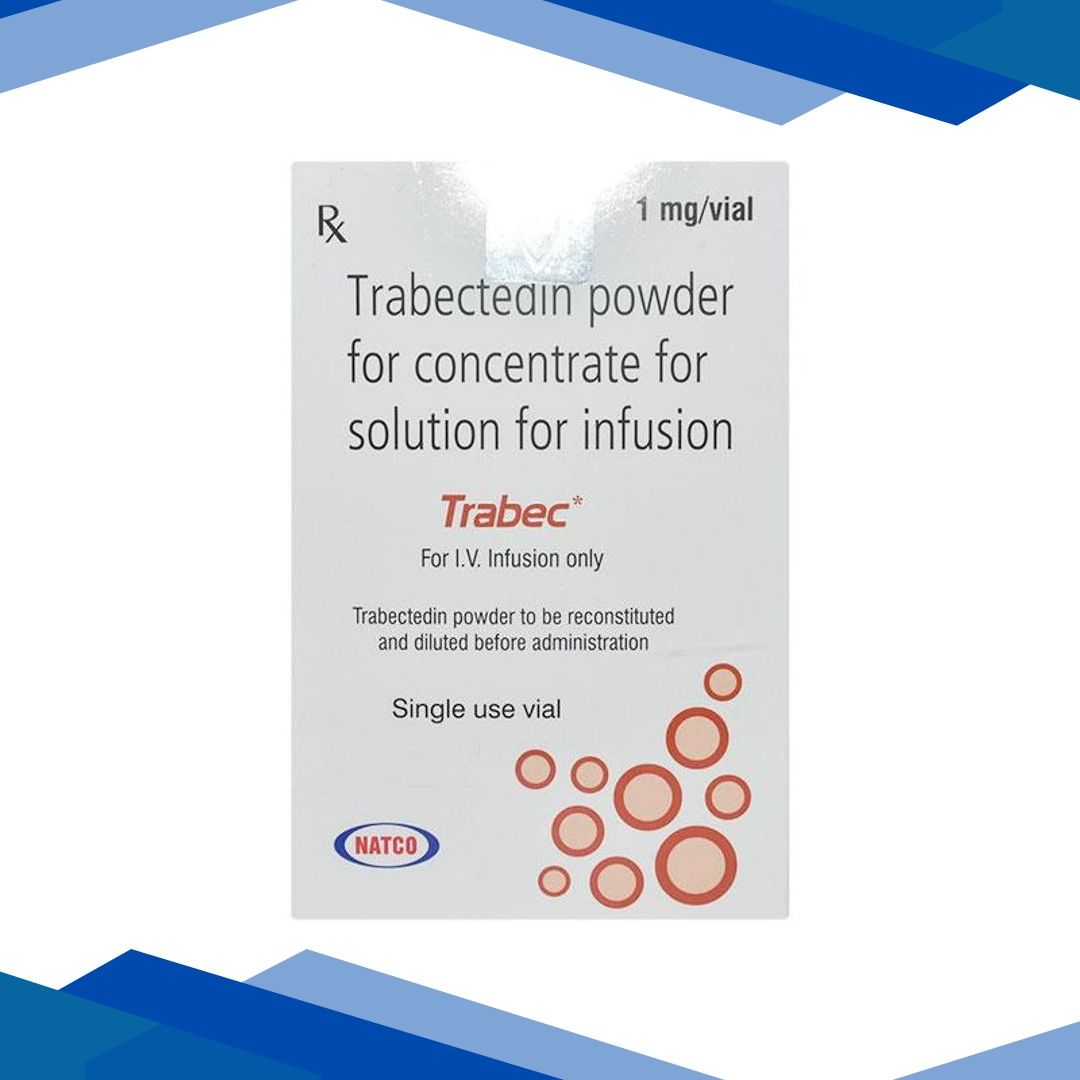
Trabectedin: Targeted intravenous infusion therapy for advanced soft tissue malignancies
Trabectedin is a restricted prescription requirement; as an anti-neoplastic anti-cancer drug, it is derived from a natural marine source in high technological settings. The drug, when used in relapsing and refractory situations, has potential activity in prioritized sarcomas, such as liposarcoma and leiomyosarcoma, where conventional anthracycline-based chemotherapy regimens would potentially cause severe toxicity or have become redundant. Furthermore, in some special oncology settings, it is used in combination with liposomal doxorubicin for the treatment of platinum-sensitive relapsed ovarian malignancies.
How The Drug Acts
Trabectedin governs a particular multifaceted mechanism in antagonizing malignant cells:
DNA Minor Groove Binding: Trabectedin binds to the minor groove of the DNA double helix, being so different from the traditional alkylating agents. The entire double-helix structure is bent from this exact binding, thereby destroying its creation.
Transcription Blockade: The DNA molecule becomes sufficiently altered such that transcription factors cannot bond, leading to complete shutdown of intracellular machinery for repair and replication in malignant cells.
Cell Cycle Arrest: The drug blocks the cell cycle at a G2/M phase, triggering a cascade of events that leads to the so-called programmed cell death (apoptosis).
Tumor Microenvironment: It reduces selected production of proinflammatory cytokines and growth factors derived from tumor-associated macrophages, inducing a hostile tumor milieu challenging further tumoral growth and vascular expansion.
Primary Clinical Uses
Advanced soft tissue sarcomas: Used in the treatment of unresectable or metastatic liposarcoma and leiomyosarcoma post-standard chemotherapy.
Relapsed ovarian carcinoma: Trabectedin is included within a combination therapy to treat platinum-sensitive relapsed ovarian cancer.
Ways and Means of Administration
Clinical Monitoring: Trabectedin may be made and administered only under the guidance of a medical oncologist in a specialized daytime care or hospital setting.
Intravenous Infusion: By slow continuous intravenous infusion given over 24 hours, the medication is to be delivered through a central venous catheter or an implantable port.
Pre-medication Schedule: To avoid being affected by a hypersensitivity reaction and to keep the liver safe, corticosteroids such as dexamethasone are routinely administered through intravenous injection immediately prior to the infusion.
Schedule for Delivery: The most often given regimen is one in which each treatment cycle, typically administered on Day 1, is delivered once every 3 weeks. Tailoring of administration to cycle subsequently depends on patient tolerance and status of blood counts.
Frequently Asked Questions (FAQs)
1. How is Trabectedin fundamentally different from classical anticancer chemotherapy drugs?
Traditional chemotherapeutic agents generally affect hyperproliferating cell lines, in contrast to Trabectedin drugs that show specificity and affinity for a particular type of DNA groove. These agents are promising in targeting certain hard-to-kill tumors like sarcoma.
2. Why is a central venous line needed for this infusion?
Being a highly potent medication, Trabectedin needs to be given as a continuous 24-hour infusion; therefore, it must ensure central delivery. Infusion via normal veins of the arm increases the risk of chemical phlebitis if the drug somehow leaks outside the vein because of irritability of local tissues.
3. What are the main effects to be kept track of?
Common side effects include nausea, fatigue, vomiting, moderate or transient changes in blood counts, including leukopenia (neutropenia) and thrombocytopenia, which can enhance the risk of infections or bruising. Your medical team will do routine blood testing for transient elevation of liver enzymes (ALT and AST), which usually return to baseline between treatment cycles.
4. Can I continue my standard medication regimen while on Trabectedin therapy?
The metabolism of Trabectedin depends on specific liver enzymes primarily functioning through the CYP3A4 pathway. Therefore, combining these drugs with those which inhibit or induce enzymes like certain antifungal drugs, antibiotics, and herbal supplements such as St. John’s Wort, can detrimentally affect Trabectedin blood levels. Always furnish your oncologist with an exhaustive list of all your current prescriptions.
5. Can I be pregnant while receiving Trabectedin?
No; Trabectedin is teratogenic and potentially limits embryonic development. Male and female patients should practice reliable contraception during treatment and for a defined duration (around 3 to 5 months) after the last dose. Immediate consultation with the oncologist should occur in the case of a suspected pregnancy.
Safety, Precaution, and Storage
Precaution: Prior to each cycle of infusion, a full laboratory evaluation has to be carried out, including complete blood count (CBC), liver function tests (LFTs), and renal function markers. If your absolute neutrophil count or liver enzyme levels do not meet clinical thresholds, the infusion may be temporarily delayed or dose-adjusted.
Storage: Unreconstituted vials containing powder for concentrate should be refrigerated between 2°C and 8°C. The solution must be used promptly after reconstitution by a clinical pharmacist to avoid loss of sterility and stability.