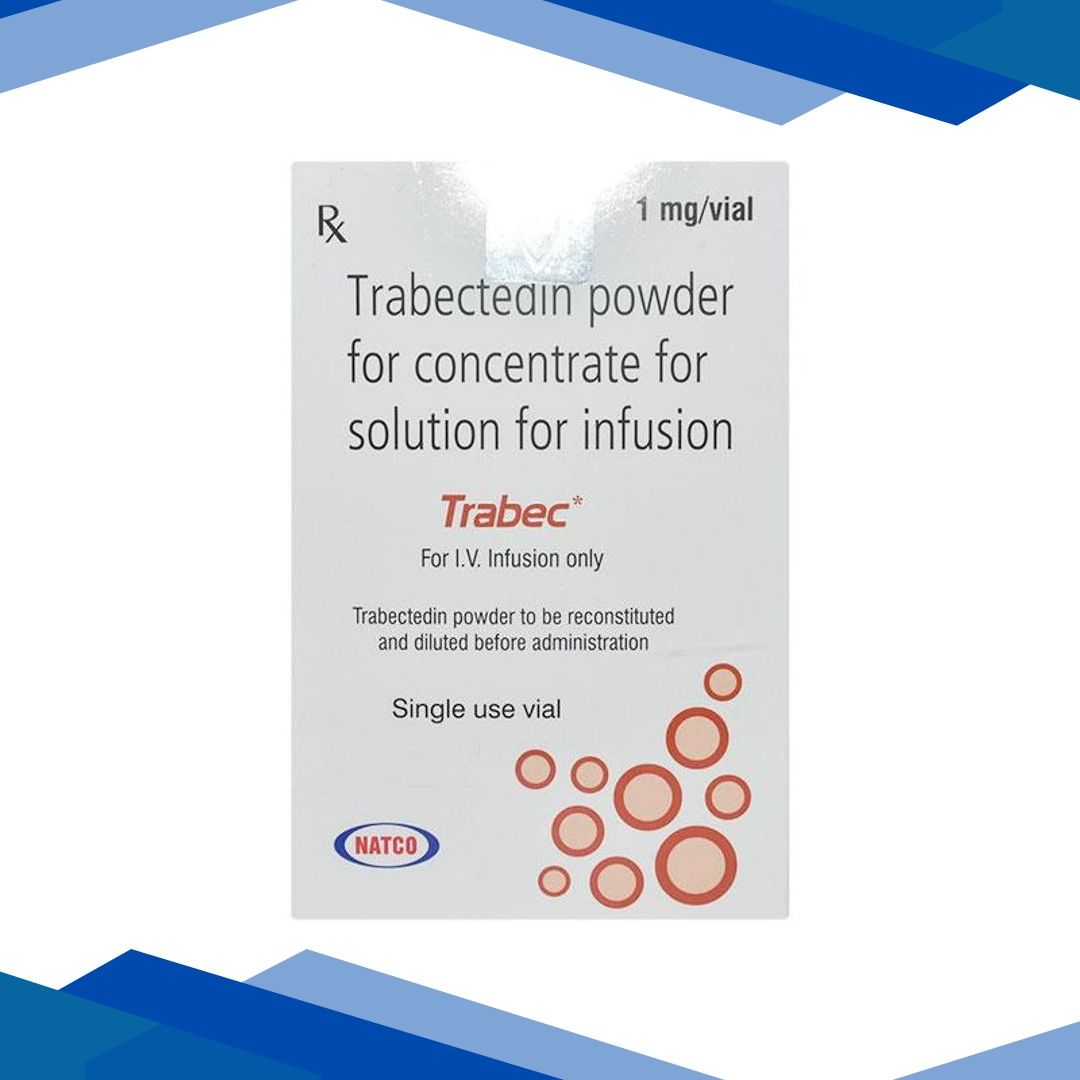
Trabec 1mg Injection 1’s
❌ Due to high demand, this product is currently out of stock. New stock will be available shortly.
👉 Click here to Buy Same Salt medicine
Trabec 1mg Injection is an anticancer medicine used under specialist medical supervision to treat certain types of advanced cancer, especially soft tissue sarcoma and, in some cases, ovarian cancer. It works by attaching to the DNA inside cancer cells and interfering with how these cells repair and copy their genetic material. This slows down or stops the growth of the cancer cells, and may help shrink tumors or control disease progression. Trabec 1mg Injection is usually given when other treatments are not suitable or have not worked well enough. Because it can affect healthy cells too, treatment is carefully monitored by healthcare professionals. It is a powerful medicine used as part of a planned cancer care regimen, with the goal of helping manage the disease as safely and effectively as possible.
Description
Trabec 1mg Injection is a prescription anticancer medicine used in carefully selected patients with certain advanced or metastatic cancers. it belongs to a class of medicines that work by interfering with the way cancer cells read and use their dna. in simple terms, it attaches to the minor groove of dna and alters the activity of genes involved in cell growth and repair. this disrupts cancer cell division and can lead to cell death, especially in rapidly growing tumor cells. because of this powerful action, it is not a general-purpose medicine and is used only under the supervision of an oncology specialist.
this medicine is typically given in a hospital or infusion setting by trained healthcare professionals. it is not taken on your own at home in usual practice. the treatment is reserved for specific cancers where the expected benefit may outweigh the risks, and it is often used after other treatments have been tried. the exact cancer types and treatment plans vary depending on the patient’s diagnosis, overall health, liver function, and previous therapies.
Trabec 1mg Injection can be effective, but it also carries significant safety risks because it may affect healthy cells, especially blood cells, liver cells, and tissues that divide quickly. for that reason, doctors monitor patients closely with blood tests and clinical evaluations before and during treatment. the medicine may be combined with other supportive care measures to reduce side effects and manage complications. patients should always follow the oncology team’s instructions carefully and report any unusual symptoms promptly.
in cancer care, the goal of Trabec 1mg Injection is not to provide a cure in all cases, but to help control disease progression, reduce tumor burden in some patients, and improve clinical outcomes when used appropriately. its use requires careful patient selection and ongoing monitoring, which is why discussion with an experienced oncologist is essential before starting or continuing therapy.
ingredients
- Trabec 1mg Injection: this is the active anticancer ingredient. it is responsible for the medicine’s main therapeutic effect by binding to dna and interfering with transcription, which helps stop cancer cells from multiplying and surviving.
- inactive formulation components: depending on the manufacturer, the product may include stabilizers or other excipients used to prepare the drug for infusion. these do not treat cancer directly but help maintain the product’s integrity, safety, and proper delivery. the exact excipients can vary by product and should be reviewed in the official package information.
- reconstitution and dilution materials: in clinical use, the powder or concentrate may be prepared with sterile infusion-compatible fluids before administration. these materials are part of the delivery process rather than the therapeutic ingredient itself.
key uses
- advanced soft tissue cancers: Trabec 1mg Injection may be used in certain patients with advanced soft tissue sarcomas when other treatments are no longer suitable or have not worked well. it may help slow progression in selected cases.
- platinum-sensitive recurrent ovarian-type cancers in some settings: in specific treatment plans, it may be used with other medicines for certain recurrent cancer situations under specialist guidance. the decision depends on the cancer type, prior response, and current condition.
- other specialist oncology uses: in some regions or clinical contexts, oncologists may consider Trabec 1mg Injection for specific rare or difficult-to-treat tumors based on evidence and local treatment guidelines. use is always individualized and carefully supervised.
how to use
Trabec 1mg Injection should be used only exactly as directed by an oncology specialist and administered by trained healthcare professionals in a clinical setting. it is given by intravenous infusion, meaning it enters the body through a vein. before each treatment, the care team usually checks blood counts, liver tests, and overall fitness to make sure the body can safely handle the medicine. the infusion schedule is determined by the cancer type, body size, prior treatment history, and tolerance to previous cycles.
patients should not try to handle, prepare, or inject this medicine themselves unless specifically trained and instructed by a specialist team, which is uncommon. adequate hydration, anti-nausea support, and other supportive medicines may be given before or during treatment, depending on the doctor’s plan. because Trabec 1mg Injection can cause serious side effects, follow-up blood tests are important even after treatment is completed. if you miss an appointment or are unable to attend an infusion session, contact the oncology clinic as soon as possible for instructions rather than trying to adjust the schedule on your own.
during treatment, it is important to report symptoms such as fever, unusual bruising, shortness of breath, severe fatigue, yellowing of the skin or eyes, dark urine, chest pain, or signs of infection. these may indicate significant adverse effects that need prompt medical attention. never change the infusion rate, dose, or schedule without the prescribing team’s guidance.
safety information
- warnings: Trabec 1mg Injection can cause serious bone marrow suppression, which may lower white blood cells, red blood cells, and platelets. this raises the risk of infection, anemia, and bleeding. it can also affect the liver and may cause liver enzyme elevations or more serious liver injury. in some patients, severe muscle injury, heart-related effects, or infusion-related complications may occur. close monitoring is essential throughout treatment.
- side effects: common side effects may include nausea, vomiting, tiredness, weakness, decreased appetite, constipation, diarrhea, abdominal discomfort, headache, and temporary changes in blood counts. serious side effects can include severe neutropenia, fever with infection, low platelets with bleeding, liver toxicity, kidney problems, rhabdomyolysis, allergic reactions, and rarely life-threatening complications. seek urgent medical help for fever, chills, bleeding, severe muscle pain, chest symptoms, or yellowing of the skin or eyes.
- precautions: people with significant liver impairment, active serious infection, severely reduced blood counts, or poor overall health may not be suitable for this medicine. extra caution is needed in patients with a history of heart disease, kidney disease, muscle disorders, or previous severe reactions to cancer therapy. because treatment may weaken the immune system, patients should avoid exposure to sick contacts when possible and follow infection-prevention advice from their healthcare team.
- pregnancy/breastfeeding: Trabec 1mg Injection may harm an unborn baby and is generally not recommended during pregnancy unless a specialist determines there is a compelling reason. effective contraception is usually required during treatment and for a period after treatment as advised by the doctor. breastfeeding is generally not recommended because the drug may pass into breast milk and could harm a nursing infant.
- interactions: Trabec 1mg Injection may interact with medicines that affect liver enzymes, especially strong cyp3a modifiers, which can change drug levels and increase toxicity or reduce effectiveness. other chemotherapy medicines, medicines that suppress bone marrow, certain antibiotics, antifungals, seizure medicines, and some herbal products may also interact. alcohol should be avoided or limited because it may increase liver stress and worsen side effects. always provide a complete list of prescription medicines, over-the-counter products, and supplements to the oncology team.
additional information
- storage: store exactly as instructed by the healthcare provider or pharmacy label. in general, oncology medicines are kept in controlled conditions away from excessive heat, moisture, and light. do not freeze unless specifically directed by the manufacturer’s instructions. keep out of reach of children and never use a medicine that has expired or appears changed in color or texture.
- missed dose: because Trabec 1mg Injection is administered in a clinic, a missed dose usually means a missed infusion appointment rather than a home dose. contact the oncology team immediately to reschedule. do not attempt to double up or receive treatment earlier than planned without medical approval.
- overdose: an overdose may lead to severe toxicity such as profound low blood counts, liver injury, intense nausea and vomiting, weakness, infection, bleeding, or muscle damage. if too much medicine is given or suspected, emergency medical care is required right away. the patient should be monitored in a hospital setting, and treatment will focus on supportive care and management of complications.
- habit forming: no. Trabec 1mg Injection is not known to cause addiction or dependence. however, it is a potent cancer medicine with serious adverse effects and must be used only under specialist supervision.
frequently asked questions
Q: what is Trabec 1mg Injection used for?
A: Trabec 1mg Injection is used in selected patients with certain advanced cancers, mainly under oncology specialist care. its exact use depends on the cancer type, prior treatments, and the patient’s overall health.
Q: how does Trabec 1mg Injection work in the body?
A: it binds to dna and changes how cancer cells read genetic information, which can slow or stop the growth of cancer cells and lead to cell death.
Q: is Trabec 1mg Injection a chemotherapy medicine?
A: yes. it is an anticancer medicine used in cancer treatment programs, and it can affect both cancer cells and some normal cells that divide quickly.
Q: can Trabec 1mg Injection be taken at home?
A: no, it is usually given as an intravenous infusion in a medical facility by trained healthcare professionals.
Q: what are the most important side effects to watch for?
A: watch for fever, signs of infection, unusual bleeding or bruising, severe fatigue, shortness of breath, yellowing of the skin or eyes, and severe muscle pain. these can be serious and need urgent medical assessment.
Q: does Trabec 1mg Injection affect blood counts?
A: yes. it can lower white blood cells, red blood cells, and platelets, which is why regular blood tests are very important during treatment.
Q: why are liver tests important during treatment?
A: Trabec 1mg Injection can affect the liver. monitoring helps detect early liver irritation or injury and guides whether treatment can continue safely.
Q: can Trabec 1mg Injection be used during pregnancy?
A: it is generally not recommended during pregnancy because it may harm the unborn baby. a specialist should be consulted immediately if pregnancy is possible or suspected.
Q: is breastfeeding safe while receiving Trabec 1mg Injection?
A: breastfeeding is generally not recommended because the medicine may pass into breast milk and could harm a nursing infant.
Q: can i drink alcohol while on Trabec 1mg Injection?
A: it is usually best to avoid alcohol or discuss it carefully with your oncologist, since alcohol may increase liver stress and worsen side effects.
Q: what medicines can interact with Trabec 1mg Injection?
A: medicines that affect liver enzymes, other chemotherapy drugs, bone marrow suppressants, some antibiotics, antifungals, seizure medicines, and certain supplements may interact. always tell your healthcare team about every medicine you use.
Q: what should i do if i develop a fever during treatment?
A: contact your oncology team or seek urgent medical care right away, because fever can signal a serious infection when blood counts are low.
Q: can Trabec 1mg Injection cause hair loss?
A: hair thinning or hair loss may occur in some patients, although the extent can vary. your care team can advise on what to expect based on your treatment plan.
Q: is Trabec 1mg Injection addictive?
A: no. it is not habit forming and does not cause dependence, but it must be handled carefully because it is a strong anticancer medicine.
Q: what monitoring is usually needed?
A: patients commonly need blood counts, liver function tests, and clinical checks before and during treatment to help detect toxicity early and keep treatment as safe as possible.
this information is for educational purposes only and should not be considered medical advice. always consult a qualified healthcare professional before use.
At Gem Pharmacy, we make every effort to provide accurate, expert-written, and thoroughly reviewed information related to medicines. However, this information should not be considered a substitute for professional medical advice, diagnosis, or treatment from a qualified doctor.
The purpose of this information is to educate users and improve communication between patients and healthcare professionals. It should not be used to diagnose or treat any condition.
Always consult a certified healthcare professional before taking any medication.