








Lumivoid Depigmenting Cream 30gm

RENEWDERM HA Serum 30ml
HYDRANET Lotion 100ml

AQUASOFT FC ADVANCED FACIAL PARABEN FREE Cream 60g
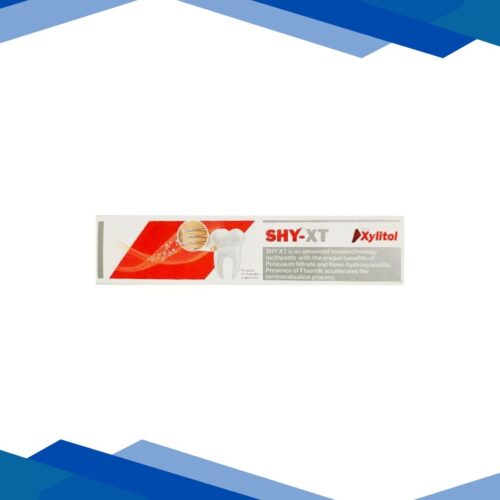
SHY XT Tooth Paste 70gm

NIDOS AF Body Wash 100ml
What are you looking for?
Showing all 3 resultsSorted by popularity
Filter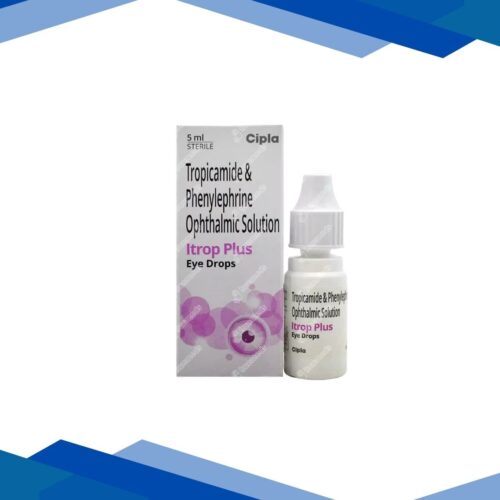
Itrop Plus Eye Drops 5ml
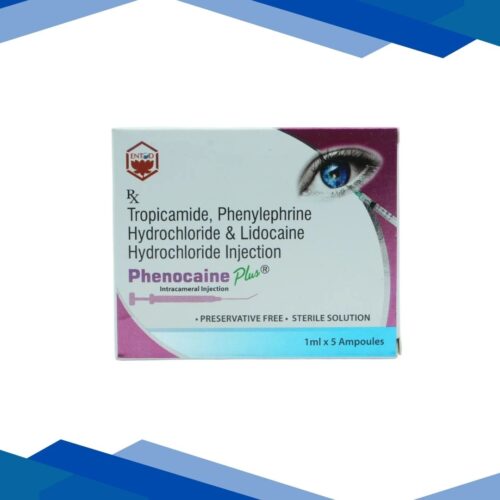
PHENOCAINE PLUS Injection 1ml
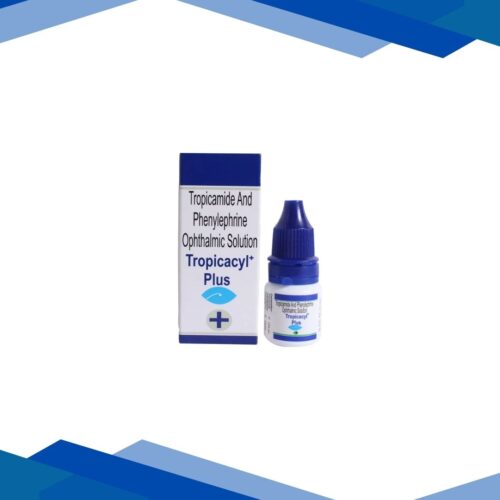
TROPICACYL PLUS Ophthalmic Solution 5ml
Amidst the profusion of marketplaces online like 1mg or Netmeds, the image of professional-user-centered audience becomes insidiously difficult to achieve. Tropacimide is regarded in clinical practice, emphasis is laid on utility, safety for patients, and how to use it practically. The structure takes advantage of varied sentence lengths and specialized medical context to provide good readability.
Tropicamide Ophthalmic: Precision for Eye Examinations
Tropicamide is a prescription drop that acts quickly in the anticholinergic class. Used by ophthalmologists and optometrists on a daily basis, tropicamide facilitates pupillary dilatation (mydriasis) and relieves eye muscles (cycloplegia) during comprehensive eye examination and certain surgeries.
How It Works
The primary mechanism of action of tropicamide is to block the responses of the sphincter muscle of the iris and the accommodative muscle of the ciliary body to cholinergic stimulation. These two muscles were antagonists to cholinergic action. When tropicamide was administered, these muscles could not function, and the pupil would dilate very widely so that the doctor could see the retina effectively.
Clinical Uses and Benefits
Specialized imagery: For high-resolution photography and a good look during dilated fundus examination
Refractive Assessment: Aids in (especially in kids) determining the right refraction for glasses by preventing the eye—intentionally for those few minutes—from focusing (accommodating).
Pre-Surgical Preparation: It is occasionally used in anticipation of cataract extraction or certain other surgical procedures to ensure that the pupil will be fixed at a certain degree of dilation.
Short Onset of Action: Known for its lower lingering span of effect in relation to the other dilating agents such as Atropine
Use and Expectations
Tropicamide is given usually by a clinician in a clinical setup.
Administration: One or two drops are to be placed in the conjunctival sac in the eye(s).
Onset of Action: Usually, the effect of dilation is seen within 15 to 30 minutes.
Duration: The dilation lasted for 4–6 hours for the maximum duration. Nevertheless, there are a few patients who suffer from light sensitivity up to about 24 hours.
Blocking Pressure Check: Your eye doctor will likely check your intraocular pressure before giving the eyedrop in order to ensure maximum security.
Safety Precautions
Vision: You may be seeing blurred vision, especially on doing near tasks (reading). Do not drive or operate any machinery until the vision is back to normal.
Light sensitivity: Bright sun conditions are expected, and a “dark” pair of sunglasses is necessary immediately upon completion of dilation to shield eyes from harsh sunlight or indoor light.
Contact Lenses: Contact lenses should be removed before administering the drops. The lenses should be inserted again only after 15 minutes or after the effect of dilation has worn off.
CAUTION: If, after using this medication, you experience extreme eye pain, headaches, or halos around lights, you should be examined by an eye specialist in no less than a hospital’s emergency section, as these symptoms may signal acute angle-closure glaucoma.
Frequently Asked Questions (FAQs)
1. Does Tropicamide sting?
Most patients feel a brief stinging or burning sensation for a few seconds after tes drops are instilled. This is a normal and temporary response.
2. For how long will my pupils remain dilated?
In most cases, an adult pupil will return to normal size in less than 6 hours. However, it could be dependent on the time duration of several factors, such as eye colors and the volume of drop given.
3. Should I go back to work after the drops?
Even though you can return to work, you may have real difficulty working in front of a computer screen or any paperwork for several hours. If your job requires driving, you must wait until the dilation goes away.
4. Can I give Tropicamide to children?
It really take place most of the time while doing a pediatric ocular examination, especially to give an accurate measurement for spectacles. Pediatric ophthalmitis typically uses a milder solution at 0.5% to minimize systemic absorption.
5. What do I do if the redness persists?
Mild redness may be easily anticipated after dilation; however, if an increase in its redness, itching, or swelling is seen the next day, it could be a site localized allergic reaction and you must call your optometrist.
