

Trypsin: An Extensive Perspective on Its Applications and Ill-Effects
Trypsin is considered as a proteinase regarded potent that is naturally originated in the pancreas. When trypsin is being enhanced using the funguses or bacterium, it becomes a therapeutic tool or drug that provides assistance in wound-healing and the management of inflammatory conditions. Trypsin has been a mainstay in clinical applications in the management of wound healing for its potent inflammatory and fibrinolytic effects.
How Trypsin Works
In fact, trypsin breaks down large protein molecules into smaller peptides and amino acids. In an injured and inflamed tissue, this helps to:
- Debride the Wounds: Trypsin helps to dissolve dead (necrotic) tissue, leaving healthy tissue undestroyed, hence promoting faster healing of the skin.
- Reduce Edema: In the process of degradation of fibrin tissue in the form of clots and dissolution of any fibrinous exudates, this causes troubled tissues to thin out and thus reduces swelling and typically enhances blood circulation into the area.
- Potentiate Antibiotic Efficacy: By relieving inflammation and removing debris, it enables other drugs, such as antibiotics, to target the infection more directly.
Primary Benefits & Applications
- Post-Op Syndrome: Regularly employed for relieving post-operative swelling and bruising from minor or major surgical operations.
- Traumatic Injuries: An effective antidote for hematomas (bruising) of the skin secondary to compressive trauma, sprains, and fractures.
- Chronic Ulcer Healing: Effective in the treatment of pressure sores, diabetic foot ulcers, and burn wounds.
- Lung Function: Its therapies may sometimes be added on combinations with some agents through direct and systemic assistance in reducing mucus flow in situations that involve airway inflammation.
Recommended Dosage & Administration
Note: Always adhere to the specific recommendations given by your healthcare practitioner or those mentioned on product packaging.
- Oral Form: Enteric-coated tablets are commonly consumed so that the enzyme can get through the stomach acid and reach the small intestine. The general instruction reads that it must be taken on an empty stomach, at least 30–60 minutes prior to meal consumption.
- Topical Form: Alternatively, in accordance with a physician’s recommendation, it can be directly sprayed or applied as an ointment or solution to the incisions.
Potential Side Effects
Though generally well-tolerated, some people may have:
- Gastrointestinal symptoms (bloating, diarrhea, or nausea).
- Skin irritation or redness (with topical use).
- Seldom: An allergic response (itching, rash, or shortness of breath).
Frequently Asked Questions (FAQs)
Q: Is it Safe to Take Trypsin While Pregnant?
A: Regarding trypsin, there is limited human clinical data to support it being used during pregnancy and lactation. This medication should only be taken under the supervision of a qualified healthcare provider if you are pregnant or planning to conceive.
Q: Should I take Trypsin with other painkillers?
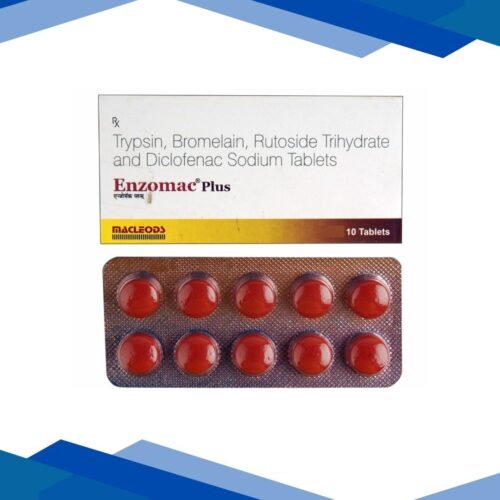
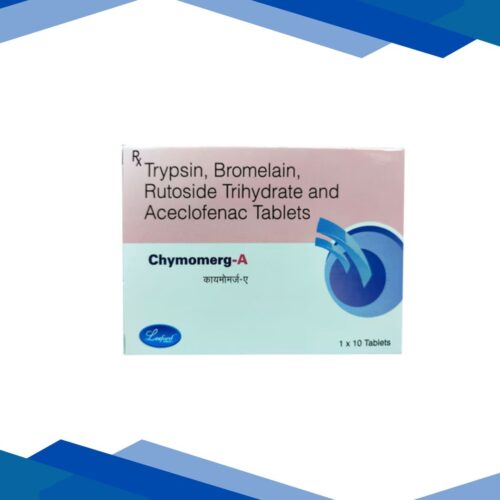
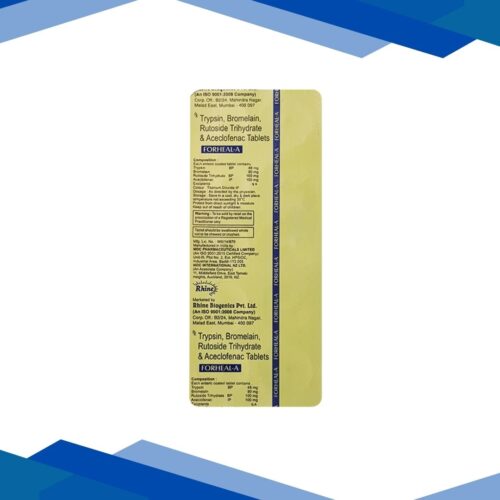
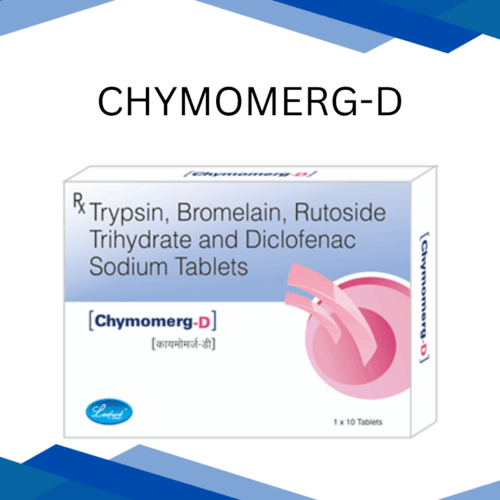
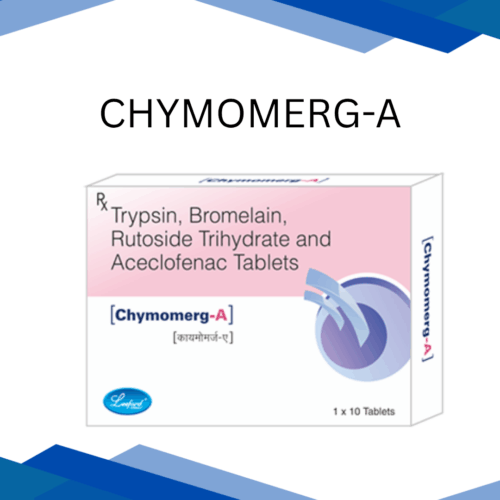
A: Trypsin is prescribed for combining with analgesics like Aceclofenac or Diclofenac to relieve pain and inflammation, but consultation with a health professional is recommended. Remember to inform your healthcare professional of everything that was taken, and do not mix Trypsin with other substances.
Q: How long does it take for Trypsin results to be seen?
A: It is often observed by a patient undergoing treatment with significant depletion of acute inflammation, for approximately 3–5 days. The timeline also largely relies on the severity of tissue’s condition.
Q: Would it work toward affecting the blood-clotting system any way?
A: Trypsin has fibrinolytic activity, which means it assists in the destruction of abnormal clots of inflammation. Therefore, with pre-existing bleeding disorders or in taking anticoagulants, the physician’s advice should be taken before deciding to use Trypsin.