





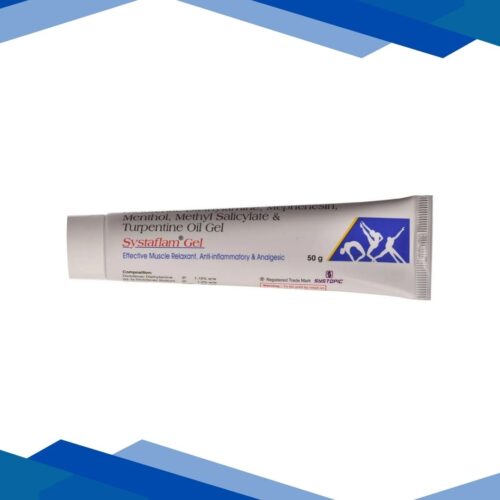






Introduction
Turpentine Oil is a resin from distillation of turpentine derived from pine trees, such as the “Arborvitae,” the Pines, or “Frankincense trees” (genus Pinus). It was applied to tissues for decades, being a common liniment in many European traditions. This medicinal-grade turpentine is, however, highly refined, used as a powerful rubefacient, increasing blood circulation to your skin and muscles and providing localized relief from deep pains.
Primary Therapeutic Applications
Relief from Muscular & Skeletal Pains: This is the most efficient treatment for arthritis and rheumatic aches and for general muscle pains.
Counter Irritation: By irritating your skin mildly like a kind of ‘diverted pain,’ the chemicals assist in desensitizing deeper pain signals within your bones.
Chest Congestion: As a vapour or inhalant (but with counselling), it clears nasal congestion and phlegm relief.
Injury Resulting in Discomfort: Temporary relief implies soothing warmth within the muscular and ligament strains.
How Turpentine Oil Works
The most active ingredients of turpentine oil include alpha-pinene, beta-pinene, etc.—both of these and many other actives themselves penetrate the skin. Stimulating the nerve endings makes nerve endings open up the local blood vessels (causing vasodilation), which brings more blood to the area. This raises the site to a warm state, which is necessary to remove inflammatory toxins and to deliver fresh cells at these locations of injury or stress.
Safe-usage Directions
Turpentine Oil is extremely contagious, so it must be diluted. Generally used as liniments, this oil is dissolved in a carrier oil (such as coconut oil/olive oil).
Test for Allergy: Apply a small amount on the inner wrist, wait 24 hours, and confirm that no allergies or severe irritation are present.
External use ONLY: Not to be applied on cracked skin, wounds, or to the eyes or mouth.
Side Effects and Risk Profile
Because it is an essential oil, turpentine should be treated very carefully.
Side Effect
Frequency
Action to Take
Skin Redness
Common
Expected—increased blood flow; goes away shortly.
Mild Stinging
Occasional
If intense, wash off with soap and cool water.
Dizziness (Inhalation)
Rare
Ensure the site of use is ventilated if using for chest congestion.
Allergic Rash
Rare
Otherwise apply a soothing moisturizer immediately after discarding any further use.
Important Safety Warning: DO NOT SWALLOW. Even small amounts of turpentine oil are harmful when consumed. Keep safety locked up and away from children and pets.
Turpentine Oil: Frequently Asked Questions (FAQs)
Q: Can I use Turpentine Oil for toothache?
A: While old folk remedies suggest using it, modern medicine strictly forbids applying it internally or around the mouth as it might cause severe chemical burns or toxicity.
Q: How is Medicinal Grade Turpentine different from hardware store turpentine?
A: Industrial turpentine often contains impurities and harsh chemicals for thinning paint, whereas medicinal-grade pine oil is pure, as it is steam distilled, which assures their safety for specific topical and therapeutic applications.
Q: Can I apply turpentine oil to my child’s chest for a cold?
A: Have a preference for avoiding any such use for children. It is likely better to buy a pediatric vapor rub that has very slight amounts of the oil, as it has been pre-formulated to be safe. Do not apply the pure oil to the child’s skin.
Q: Is it very smelly?
A: It has a sharp distinct aroma, very “pine like;” however, this is what many people like about it, when used mildly for decongestion in steam.
Q: Is it good for nerve pain (sciatica)?
A: Very? Many people suggest that relief was achieved through the application of diluted turpentine linnament massage to the lower legs and back. All the warming sensation could help relax the muscles surrounding the compressed nerve, yet it does not treat the root problem.
Quick Health Tips for Your Routine
Storage: Keep the tightly sealed bottle in a cool and dark area. This is flammable and might ignite when exposed to heat. Keep it away from the fire.
Application: Massage the oil in circular fashion to let it absorb well in a good way.
Synergism: Work closely with Camphor or Menthol in making a cooling-heating “dual action” effect.