
Showing all 2 resultsSorted by popularity
Filter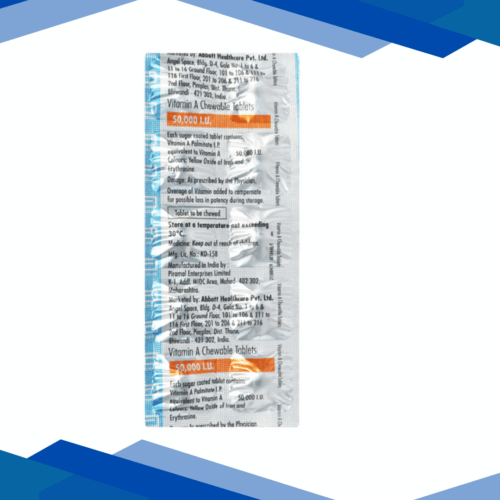
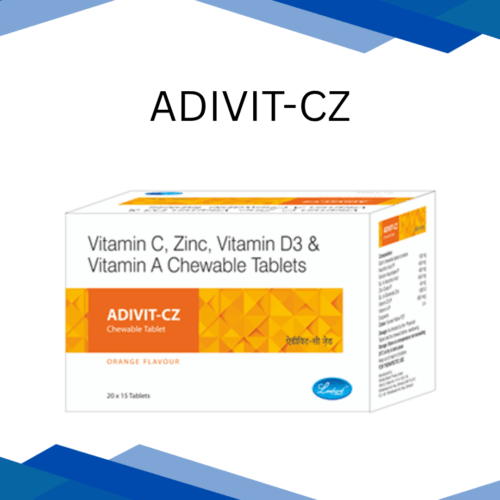
Vitamin A (Retinol/Retinyl Palmitate)
Vitamin A is a fat-soluble vitamin vital for maintaining healthy vision, supporting the immune system and cellular growth. Termed the “antinfectious vitamin,” Vitamin A plays an important role in the physiology of epithelial tissues (the body’s first line of defense) in the skin, lungs, and gastrointestinal tract. In the pharmaceutical form, it is used to treat deficiencies, promote pediatric growth, and assist in the management of a few dermatological disorders.
Major actions
Vision & Eye Health: Enables production of rhodopsin, a pigment that helps the eye see in low-light conditions.
Immune System Support: Strengthens the body’s natural defenses by stimulating white cell activity and production.
Skin Integrity: Important for healthy cell turnover—modifying acne cases and minimizing fine lines.
Antioxidative Property: Protects your cells against free radical attack.
Behind the Veils of Life: Critical for fetal development during the gestation period and for shaping the reproductive organs of male babies.
Product Composition
Common Forms: Vitamin A generally comes in the form of capsules, softgels, liquid drops, or topical creams.
Strength: Usually expressed in International Units (IU) or Micrograms (mcg), the strength of Vitamin A is assessed accordingly.
Classification: Nutritional Supplement (Retinoids).
How to Use
Oral Intake: Vitamin A is fat-soluble and should be consumed with a meal containing fat to enhance absorption.
Dosage: Maintain the Recommended Dietary Allowance (RDA) unless otherwise directed by your doctor. Excess intake may lead to accumulation in the body.
Topical Use: Applying Vitamin A (Retinol) should preferably be done in the evening, as it can make the skin sensitive to sunlight.
Safety Precautions & Warnings
Pregnancy Warning: High amounts of pre-formed Vitamin A (Retinol) may harm the developing fetus. Follow your obstetrician’s guidance.
Toxicity (Hypervitaminosis A): Long-term excess can cause dizziness, nausea, and joint pain. Always stay within recommended limits.
Drug Interactions: If you are on blood thinners such as Warfarin or acne medications like Isotretinoin, consult your doctor before use.
For Smokers: High doses of Beta-carotene (a precursor of Vitamin A) are generally not recommended.
FREQUENTLY ASKED QUESTIONS
Q. What is the difference between Retinol and Beta-carotene?
Retinol is preformed Vitamin A from animal sources and is readily usable by the body. Beta-carotene is a provitamin from plant sources that the body converts into Vitamin A as needed.
Q. Does Vitamin A cure night blindness?
If caused by Vitamin A deficiency, supplementation can help improve or resolve the condition. However, genetic or disease-related causes may not respond.
Q: My skin is peeling after I used the Vitamin A cream. Why?
Topical Vitamin A increases cell turnover. Initial peeling, redness, or “purging” is common. Start with lower concentrations and use 2–3 times a week initially.
Q: Can I take Vitamin A every day?
Yes, as long as intake remains within the RDA. Since Vitamin A is stored in the liver, excessive daily intake is not necessary unless treating a deficiency.
Q: Are Vitamin A supplements safe for children?
Yes, Vitamin A is essential for growth and immunity in children. However, pediatric doses are much lower than adult doses—always follow a pediatrician’s recommendation.