




Showing all 15 resultsSorted by popularity
Filter
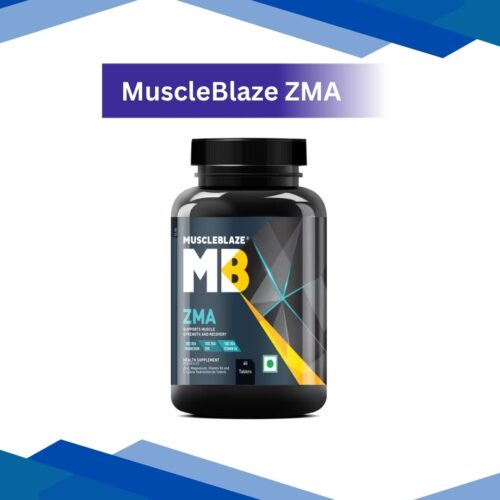
MuscleBlaze ZMA | With Magnesium, Zinc & Vitamin B6 | For Muscle Recovery | Tablet






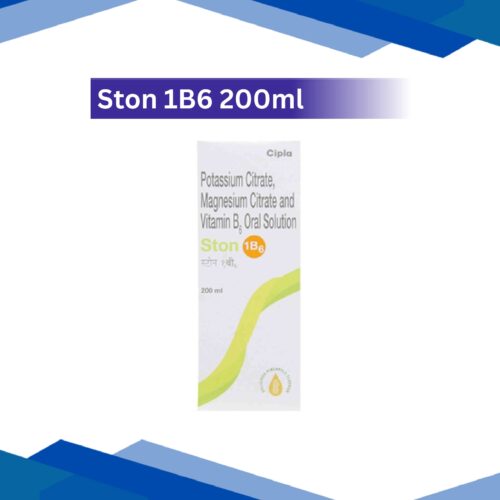

Urofit Oral Solution 100 ml
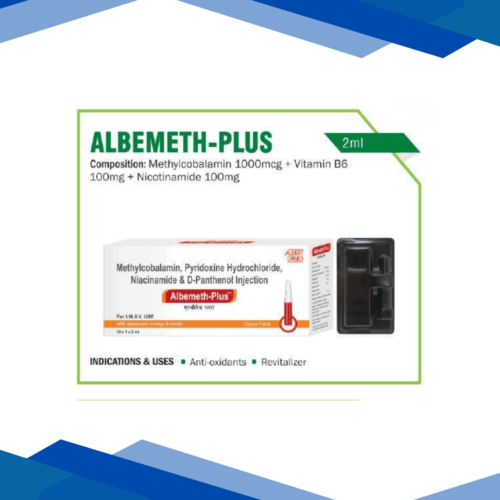
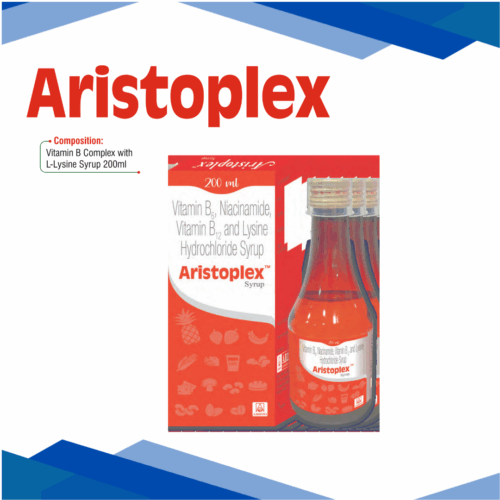
Vitamin B6 (Pyridoxine) Tablets
Pyridoxine, an alternate term for Vitamin B6, is a water-soluble nutrient that belongs to the B-complex family. This vitamin acts as a significant co-enzyme for more than 100 important chemical reactions in the body. From the support of brain development to a strong immune system, Vitamin B6 serves as the basic role that weaves within how the body processes proteins, fats, and carbohydrates.
Therapeutic Uses & Benefits
Neurological Support: Vital to neurotransmitter synthesis (serotonin and dopamine) for mood and sleep regulatory behavior.
Hemoglobin Production: Facilitates the formation of red blood cells, thereby preventing certain anemia types.
Morning Sickness Relief: A common recommendation by obstetricians to ease nausea and vomiting during gestation.
Cardiovascular Health: Vitamin B6 is beneficial in regulating the homocysteine level in the bloodstream, an amino acid involved in heart concerns.
Boost Immunity: Makes antibodies produce stronger to help combat the body’s inherent defense cells.
Product Description
Active Ingredient: Pyridoxine Hydrochloride (IP/USP).
Dosage: 10mg, 25mg, 50mg, and 100mg.
Category: Nutritional Supplement/ Vitamin B Complex.
Form: Tablets/ Capsules for oral administration.
How To Use?
Dose: As given by your physician. In general, the usual dose is once daily.
Method: Drink the tablet whole with water. The best time to take it is after a meal for maximum absorption and minishment of stomach upset.
Regular intake: Try to take the supplement at the same time of the day to maintain steady supply in your body’.
Possible Side Effects
While B6 is considered safe at the recommended doses, the use of high doses for a long time can lead to nausea or stomach pain, temporary appetite change, headache, or drowsiness.
Note: Extremely high doses (past 200mg daily for an extended amount of time) may result in peripheral neuropathy (tingling or numbness in the hands and feet).
You should stop taking Vitamin B6 and consult your healthcare provider if that happens.
Precautions/Concerns/Vitamin B6 Drug Interaction: Vitamin B6 can interfere with drugs such as Levodopa and Altretamine.
Pre-existing conditions: Mention kidney and chronic ulcer issues to your doctor.
Pregnancy: Typically used for morning sickness, vitamin B6 availability must be legislated by professionals.
FAQs
Q: Do I get enough Vitamin B6 from my diet?
Yes, getting most of their needs from chickpeas, tuna, salmon, and poultry, and bananas is fine for most people. Nonetheless, those with absorption problems, kidney disease, or certain genetic disorders might need to rely on a supplement.
Q: Will Vitamin B6 help my PMS/PMT symptoms?
There are some studies showing that Vitamin B6 is effective in alleviating some of the emotional symptoms of Premenstrual Syndrome, such as irritability and bloating, because emotional symptoms could well result from a serious hormonal imbalance.
Q: What is the difference between Pyridoxine and Pyridoxal 5-phosphate (P5P)?
Pyridoxine is the most frequently used form available in supplements that are then made in the liver into the active “co-enzyme” form of the body and are useful in deficiencies.
Q: Will vitamin B6 help to get sleep?
Have adequate levels of it so that it can help to keep the sleep-wake cycle healthy as B6 would be involved in producing melatonin (the sleep hormone) and serotonin.
Q: Should I take Vitamin B6 on an empty stomach?
You could also bring it down on an empty stomach; it is in the refrigerator and does not retain the sign of it. To avoid mild nausea that is very common with several B-vitamins when not eaten with a food meal, however, the general recommendation would still be to eat it with a full meal.
