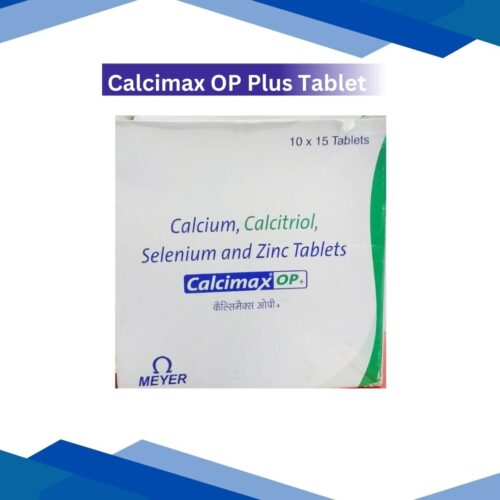
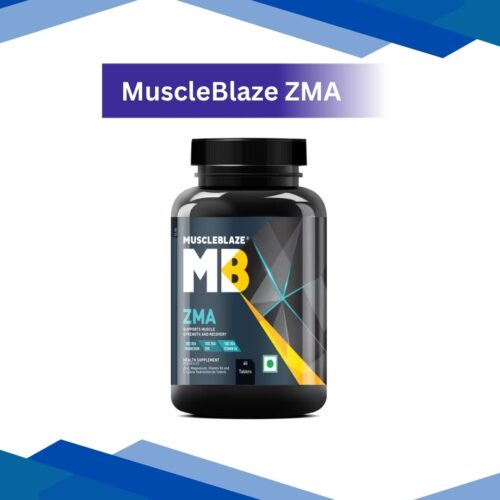
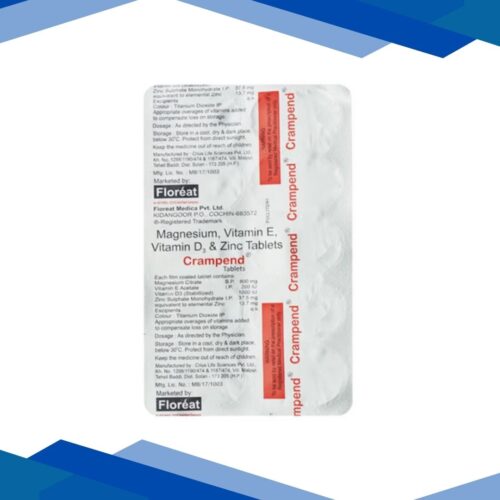
Calcium
CALCIUM
Overview:
Calcium is a natural mineral that your body needs to stay strong and healthy. It’s best known for keeping your bones and teeth hard and sturdy, but it also plays a big role in muscle movement, heart rhythm, and nerve function.
Classification: Calcium is a dietary supplement and essential mineral.
Uses:
Supports healthy bones and teeth
Helps muscles contract and relax properly
Keeps your heartbeat steady
Helps nerves send signals
Used to prevent or treat calcium deficiency, especially in people with osteoporosis, poor diet, or during pregnancy or growth phases
How It Works:
Calcium gets absorbed from the food you eat or from supplements. Once in your blood, it’s sent to places where it’s needed—mostly bones, teeth, and muscles. It strengthens bones, supports heart and muscle function, and helps nerves carry messages throughout your body.
Dosage: As prescribed by your doctor.
Side effects:
Most people can take calcium without issues, but some might notice:
Stomach upset or bloating
Constipation (trouble going to the bathroom)
Gas
Mild nausea (feeling slightly sick)
Dry mouth or a chalky taste
Kidney stones
High calcium levels in the blood, which may cause confusion, tiredness, or increased thirst
Precautions:
Don’t take more than recommended: Too much calcium can build up in the body and cause problems like kidney stones or high blood calcium.
Tell your doctor about your medical history, especially if you have kidney disease, heart problems, or a history of kidney stones.
Let your doctor know if you’re taking other medications: Calcium can interfere with how some drugs work—like antibiotics, thyroid medicine, or iron supplements.
Take it the right way: Some types of calcium work better with food, while others don’t. Follow the label or your doctor’s advice.
Stay hydrated: Drinking enough water helps prevent kidney stone risk when taking calcium supplements.
Disclaimer:
This content is for informational purposes only. Always consult a healthcare provider for medical advice and proper dosage
Folic Acid
FOLIC ACID
OVERVIEW
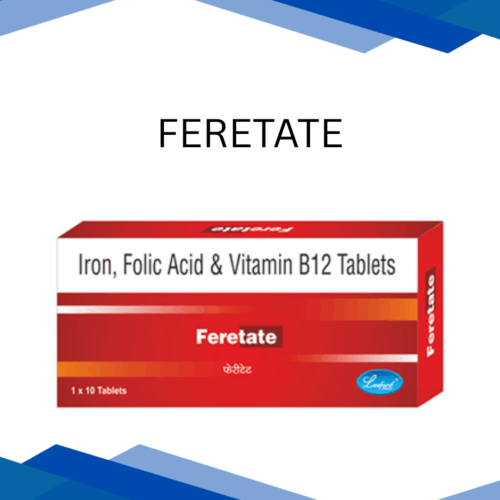
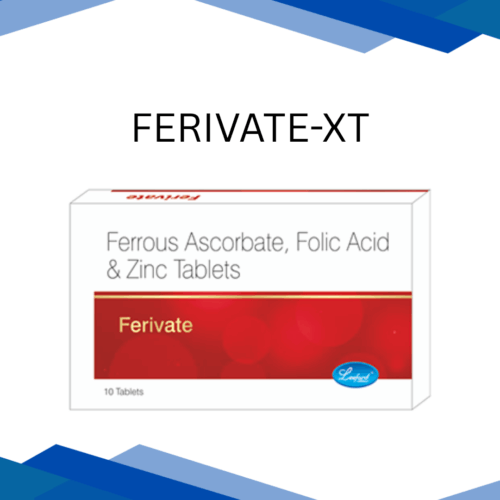
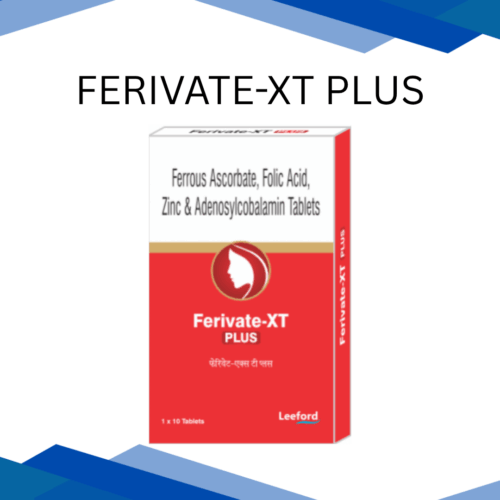
Folic acid (vitamin B9) is a B vitamin supplement that may be used to prevent and treat folate deficiency (low blood levels of folate) that can cause megaloblastic anemia.
CLASSIFICATION
B-vitamin
USES
Folic acid is a B complex vitamin effective in the treatment of megaloblastic anemias due to a deficiency of folic acid (as may be seen in tropical or nontropical sprue) and in anemia of nutritional origin, pregnancy, infancy, or childhood.
HOW IT WORKS
Folic acid is approved for the prevention and treatment of folate deficiency. Healthy levels of this vitamin, which is really a hormone, not only helps form red blood cells, it protects your brain health and supports a healthy pregnancy.
DOSAGE
As directed by the physician
PRECAUTIONS
Tell your doctor if you are pregnant or plan to become pregnant before using folic acid; folic acid requirements are markedly increased during pregnancy, and deficiency may harm a fetus. Folic acid passes into breast milk. Folic acid requirements are markedly increased while breastfeeding; however, amounts present in breast milk are adequate to fulfil infant requirements. Consult your doctor before breastfeeding
SIDE EFFECTS
Redness
skin rash
itching
feeling unwell (malaise), and
respiratory difficulty due to bronchospasm
Disclaimer
This content is for informational purposes only. Always consult a healthcare provider for medical advice and proper dosage.
PRECAUTIONS
Read the label carefully before use
Store in a dry and dark place at a temperature not exceeding 30C. Do not freeze
Keep out of reach of children
SIDE EFFECTS
· Redness
· Dryness
· Itching
Disclaimer
This content is for informational purposes only. Always consult a healthcare provider for medical advice and proper dosage.
Vitamin B12
VITAMIN B12
Overview
Vitamin B12 is an essential nutrient that helps keep your nerves healthy, supports the production of red blood cells, and plays a vital role in brain function and energy metabolism. Since your body doesn’t make it on its own, you must get it through diet or supplements.
Classification
Vitamin B12 is a water-soluble vitamin and part of the B-complex family. It’s also known as cobalamin.
Uses
Treats or prevents B12 deficiency
Helps with anemia, particularly pernicious anemia
Supports nerve health and helps manage symptoms like tingling or numbness
Boosts mental clarity, memory, and energy
Often used to support overall well-being in people with poor absorption or dietary gaps (e.g., vegans, elderly)
How It Works
Vitamin B12 assists in the formation of DNA, red blood cells, and myelin (the protective covering around nerves). It also plays a key role in how the body converts food into energy and helps maintain neurological health.
Dosage
As prescribed by your doctor.
Side effects
B12 is generally very safe, especially in recommended amounts. Rare or mild effects may include:
Mild diarrhea
Upset stomach
Skin rash or itching
In some cases, acne-like breakouts or redness at the injection site (if given by shot)
Precautions
While Vitamin B12 is generally safe and well-tolerated, there are a few things to keep in mind:
Allergic Reactions: Rarely, some people may be sensitive to B12 injections and could develop allergic reactions, such as rash, itching, swelling, or difficulty breathing. Always inform your doctor if you’ve had allergies to vitamins or medications.
Medical Conditions: If you have certain conditions like
Leber’s disease (a rare eye disorder), B12 may worsen vision problems
Kidney issues or low potassium levels, B12 supplementation should be monitored
Iron or folic acid deficiency, it’s important to treat these too, as B12 alone may not fix certain types of anemia
Pregnancy & Breastfeeding: B12 is generally safe and even recommended during pregnancy and breastfeeding, but always follows the doctor’s advice on the right dose.
Supplement Form: Whether you’re taking it as an injection, tablet, or lozenge, use it exactly as prescribed. Too much isn’t usually harmful, but high doses over long periods should be taken under medical guidance.
Disclaimer
This content is for informational purposes only. Always consult a healthcare provider for medical advice and proper dosage
ZINC
ZINC
Overview:
zinc is an essential nutrient found in a variety of plant and animal foods, along with supplements. It plays a key role in skin health, immune function, and cell growth and may protect against acne, inflammation, and other conditions.
Classification:
Antioxidant
Uses:
Supports the heart and nervous system
Has antioxidant effects
Supports the immune system
Helps in the formation of red blood cells
How It Works:
Cofactor Role:
Zinc acts as a cofactor for thousands of enzymes and proteins, which are essential for various metabolic processes.
Immune Function:
Zinc is crucial for the proper functioning of the immune system, including the production of immune cells like T cells, B cells, and natural killer cells.
Antiviral Effects:
Zinc may help reduce the severity of colds by inhibiting rhinovirus replication and suppressing nasal inflammation.
Wound Healing:
Zinc is involved in collagen synthesis and other processes that contribute to wound repair.
DNA Synthesis:
Zinc is essential for DNA replication and RNA transcription, which are fundamental processes for cell growth and function.
Dosage:
As prescribed by your doctor.
Side Effects:
Diarrhea.
Dizziness.
Headache.
Nausea.
Upset stomach.
Vomiting.
Precautions:
Read the label carefully before use
Store in a cool and dry place away from direct sunlight
Keep out of reach of children
Use under medical supervision
Do not exceed the recommended dosage
Pregnant or nursing mothers, children, and people with medical conditions must consult a healthcare professional before taking this supplement
Disclaimer
This content is for informational purposes only. Always consult a healthcare provider for medical advice and proper dosage.