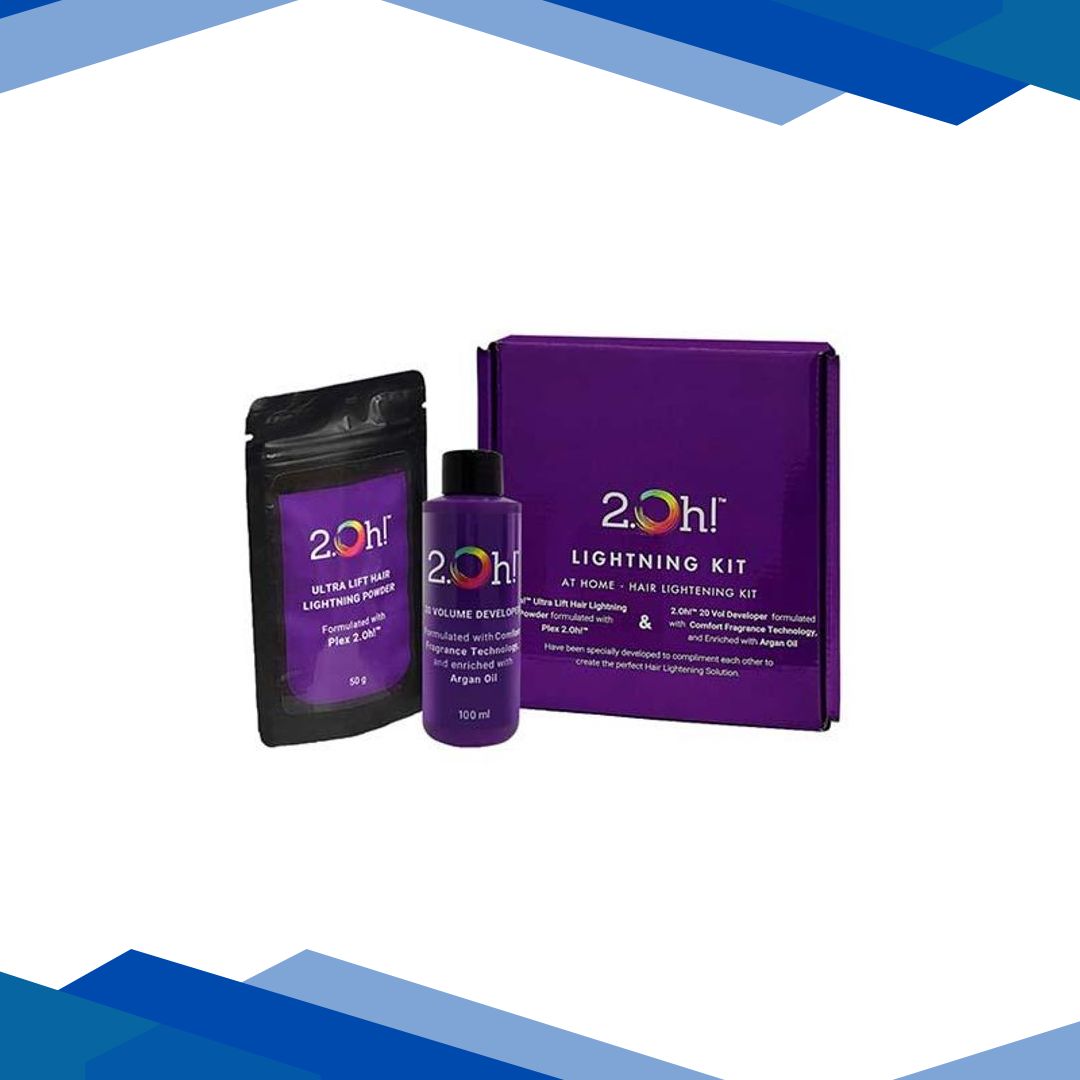
2.Oh! Lightning Kit 1’s
❌ Due to high demand, this product is currently out of stock. New stock will be available shortly.
👉 Click here to Buy Same Salt medicine
2.Oh! Lightning Kit is a nutritional support medicine given to help provide the body with essential building blocks, energy, and important minerals when normal food intake is not enough. The amino acids help the body make proteins and support tissue repair, while dextrose supplies a quick source of energy. The electrolytes help maintain fluid balance, nerve function, and normal muscle activity. This combination is commonly used in hospitals or under medical supervision for people who are weak, recovering from illness or surgery, unable to eat adequately, or need extra nutritional support. It helps maintain nutrition and hydration during periods of increased need or poor intake, but it is not a replacement for a balanced diet in the long term.
Description
2.Oh! Lightning Kit is a parenteral nutrition preparation used to support patients who cannot meet their nutritional needs adequately by eating or through the gastrointestinal tract. it combines amino acids, electrolytes, and dextrose in a sterile formulation that is typically administered intravenously under medical supervision. this medicine is designed to provide essential building blocks for body protein, a source of calories, and vital minerals that help maintain normal cell function, fluid balance, nerve activity, and muscle performance.
in medical practice, this type of formulation is often used when the body is under stress, when oral intake is not possible, or when a person needs short-term or supplemental nutritional support. the amino acids help the body maintain and repair tissues, support wound healing, and preserve lean body mass. dextrose supplies energy, which helps reduce the body?s need to break down its own protein and fat stores for fuel. the electrolytes included in the preparation help replace or maintain minerals that are necessary for heart rhythm, hydration, nerve signaling, and many metabolic processes.
this medicine is not a general wellness supplement and is not meant for casual use. it is typically given in hospital settings, infusion centers, or specialized care environments where a healthcare professional can monitor the patient?s fluid status, blood sugar, kidney function, liver function, and electrolyte levels. because it is an intravenous nutritional product, it must be used carefully to avoid complications such as infection, high blood sugar, fluid overload, or mineral imbalance. the exact composition may vary by manufacturer, but the overall purpose remains the same: to provide medically supervised nutritional support when standard feeding is inadequate or not possible.
patients who may benefit from 2.Oh! Lightning Kit include those recovering from surgery, severe illness, trauma, burns, or prolonged inability to eat normally. it may also be used in patients with conditions causing poor absorption or those who temporarily need nutritional bridging. however, it is not suitable for everyone, and it should always be prescribed and administered by qualified healthcare professionals who can assess whether intravenous nutrition is appropriate and safe for the individual patient.
ingredients
- amino acids: these are the fundamental building blocks of proteins. they support tissue repair, growth, immune function, enzyme production, and maintenance of muscle mass. in a medical nutrition product, amino acids help prevent or reduce protein breakdown when dietary protein intake is insufficient.
- electrolytes: these are essential minerals that help regulate fluid balance, nerve impulses, muscle contraction, and acid-base balance. depending on the formulation, electrolytes may include sodium, potassium, chloride, calcium, magnesium, phosphate, and sometimes trace mineral support. they are important for maintaining normal physiological function during illness or poor intake.
- dextrose: dextrose is a form of glucose and serves as a readily available source of energy. it helps provide calories, supports metabolic needs, and reduces the body?s reliance on breaking down protein and fat for fuel. dextrose is especially useful in patients who require nutritional support but cannot take food orally.
- water for injection / sterile vehicle: the ingredients are dissolved in a sterile liquid medium suitable for intravenous administration. this vehicle allows the nutrients and minerals to be delivered directly into the bloodstream in a controlled medical setting.
- other formulation components: some versions may contain ph-adjusting agents or stabilizers to maintain compatibility and sterility. these are included to ensure the solution remains safe and effective for infusion.
key uses
- nutritional support when oral feeding is not possible: this medicine helps provide calories, protein, and minerals to patients who cannot eat adequately due to surgery, critical illness, swallowing difficulties, or other medical conditions.
- support in catabolic states: during severe illness, trauma, burns, or recovery from major surgery, the body may break down tissue rapidly. amino acids and dextrose help support metabolism and reduce loss of lean body mass.
- short-term parenteral nutrition: it may be used as part of intravenous nutrition when the digestive system cannot be used effectively, either temporarily or as a bridge until normal feeding resumes.
- correction or prevention of nutrient deficits: in patients with inadequate intake, malnutrition, or increased nutritional needs, it may help prevent worsening protein-energy malnutrition and mineral imbalance.
- support during gastrointestinal intolerance: when a person cannot tolerate enough food through the stomach or intestines, intravenous nutrition can provide essential nutrients while the underlying condition is managed.
how to use
2.Oh! Lightning Kit is given intravenously, meaning it is infused directly into a vein by a trained healthcare professional. it is not meant to be taken by mouth, and it should not be self-administered unless specifically arranged in a supervised home parenteral nutrition program. the infusion rate, duration, and total amount are individualized based on the patient?s age, body weight, medical condition, hydration status, laboratory results, and overall nutritional requirements.
before and during use, healthcare professionals typically monitor blood glucose, electrolytes, kidney function, liver function, and fluid balance. this is important because the dextrose content may raise blood sugar, the amino acids and electrolytes may need adjustment in people with kidney or liver disease, and the fluid volume may need to be restricted in patients with heart failure or swelling. the preparation should only be administered using sterile techniques and compatible infusion equipment to reduce the risk of infection and infusion-related complications.
the product is usually used as part of a broader nutritional plan, which may include vitamins, trace elements, lipids, and additional fluids depending on the patient?s needs. it should never be mixed with other medicines unless a healthcare professional has confirmed compatibility. if a line reaction, pain at the infusion site, fever, chills, rash, breathing difficulty, or sudden discomfort occurs during infusion, medical staff should be informed immediately.
safety information
- warnings: this product must be used under medical supervision because incorrect use can lead to serious problems such as infection, elevated blood sugar, electrolyte disturbances, fluid overload, or metabolic complications. it is especially important to monitor patients with diabetes, kidney disease, liver disease, heart disease, or severe dehydration. intravenous nutrition solutions must be handled with strict aseptic technique to reduce the risk of bloodstream infection.
- side effects: common side effects may include mild nausea, infusion-site irritation, vein inflammation, flushing, or discomfort during administration. more serious side effects can include fever, chills, allergic reactions, breathing difficulty, abnormal heart rhythm, high blood sugar, low or high electrolyte levels, swelling, fluid overload, confusion, or signs of infection. any severe or rapidly worsening symptom requires urgent medical attention.
- precautions: use with caution in people with diabetes, impaired kidney function, liver disease, heart failure, uncontrolled edema, respiratory distress, or known electrolyte abnormalities. patients who are severely malnourished may require gradual nutritional advancement to avoid refeeding complications. the formula should be adjusted carefully in infants, older adults, and critically ill patients.
- pregnancy/breastfeeding: intravenous nutritional support may be used in pregnancy or breastfeeding when clearly needed, but only when a healthcare professional determines that the benefits outweigh the risks. the exact need and composition depend on the mother?s condition, nutritional status, and clinical circumstances. medical supervision is essential.
- interactions: the dextrose component may interact with insulin or other blood sugar-lowering medicines because it can increase glucose levels. electrolyte content may interact with diuretics, ace inhibitors, potassium-sparing medicines, corticosteroids, and other drugs that affect mineral balance. alcohol can worsen nutritional status and may complicate liver and metabolic function, so it should generally be avoided unless a clinician advises otherwise.
additional information
- storage: store according to the manufacturer?s instructions, typically in a cool, dry place and protected from excessive heat, freezing, and direct light. do not use the solution if it appears cloudy, discolored, contains particles, or has damaged packaging. because this is a sterile infusion product, proper storage and handling are essential to preserve safety.
- missed dose: if a scheduled infusion is missed, do not attempt to double the next dose or restart it on your own. the healthcare team should decide whether to resume, adjust, or replace the infusion based on the patient?s current condition and nutritional needs.
- overdose: too much of this product may cause high blood sugar, excessive fluid administration, electrolyte imbalance, metabolic problems, or breathing difficulty. overdose is a medical emergency and should be managed immediately by healthcare professionals. treatment may involve stopping or slowing the infusion and correcting any abnormal laboratory values or symptoms.
- habit forming: no. this medicine is not habit-forming and does not cause dependence. it is a medically supervised nutritional therapy used to support the body?s needs rather than to produce a psychoactive effect.
frequently asked questions
Q: what is 2.Oh! Lightning Kit used for?
A: it is used for intravenous nutritional support when a person cannot eat enough by mouth or absorb enough nutrients through the digestive system. it provides amino acids, energy from dextrose, and essential electrolytes.
Q: is 2.Oh! Lightning Kit the same as a regular supplement?
A: no. it is not a routine oral supplement. it is a sterile intravenous nutrition product meant for hospital or supervised clinical use.
Q: can this medicine be used at home?
A: in some cases, home parenteral nutrition may be arranged, but only with specialized training, equipment, and close medical monitoring. it should never be used at home without professional guidance.
Q: does it raise blood sugar?
A: yes, the dextrose component can raise blood glucose. people with diabetes or stress-related hyperglycemia usually need closer monitoring and possible treatment adjustments.
Q: can it cause allergies?
A: although uncommon, allergic or hypersensitivity reactions can occur. signs may include rash, itching, swelling, breathing difficulty, or sudden discomfort during infusion.
Q: why are electrolytes included in the formula?
A: electrolytes help maintain fluid balance, nerve function, muscle function, and normal heart rhythm. they are important because illness and poor nutrition can disrupt mineral levels.
Q: who should be careful before receiving this medicine?
A: people with kidney disease, liver disease, heart failure, diabetes, fluid overload, or major electrolyte abnormalities should be assessed carefully before use.
Q: can it be mixed with other medicines?
A: not unless a healthcare professional confirms compatibility. some medicines and additives can react with infusion solutions or change their safety and effectiveness.
Q: what monitoring is usually needed?
A: monitoring commonly includes blood sugar, electrolytes, kidney function, liver function, hydration status, and signs of infection or infusion reactions.
Q: what should i do if i feel unwell during the infusion?
A: inform the healthcare provider immediately. symptoms such as fever, chills, rash, shortness of breath, chest discomfort, or severe pain should be treated urgently.
this information is for educational purposes only and should not be considered medical advice. always consult a qualified healthcare professional before use.
At Gem Pharmacy, we make every effort to provide accurate, expert-written, and thoroughly reviewed information related to medicines. However, this information should not be considered a substitute for professional medical advice, diagnosis, or treatment from a qualified doctor.
The purpose of this information is to educate users and improve communication between patients and healthcare professionals. It should not be used to diagnose or treat any condition.
Always consult a certified healthcare professional before taking any medication.


Related products

Hask Argan Oil Repairing Deep Conditioner 171 gm

Hask Keratin Smoothing Deep Conditioner 50 gm

Nexxus Promend Repair Keratinizing Treatment Mask for Damaged Hair 200 ml