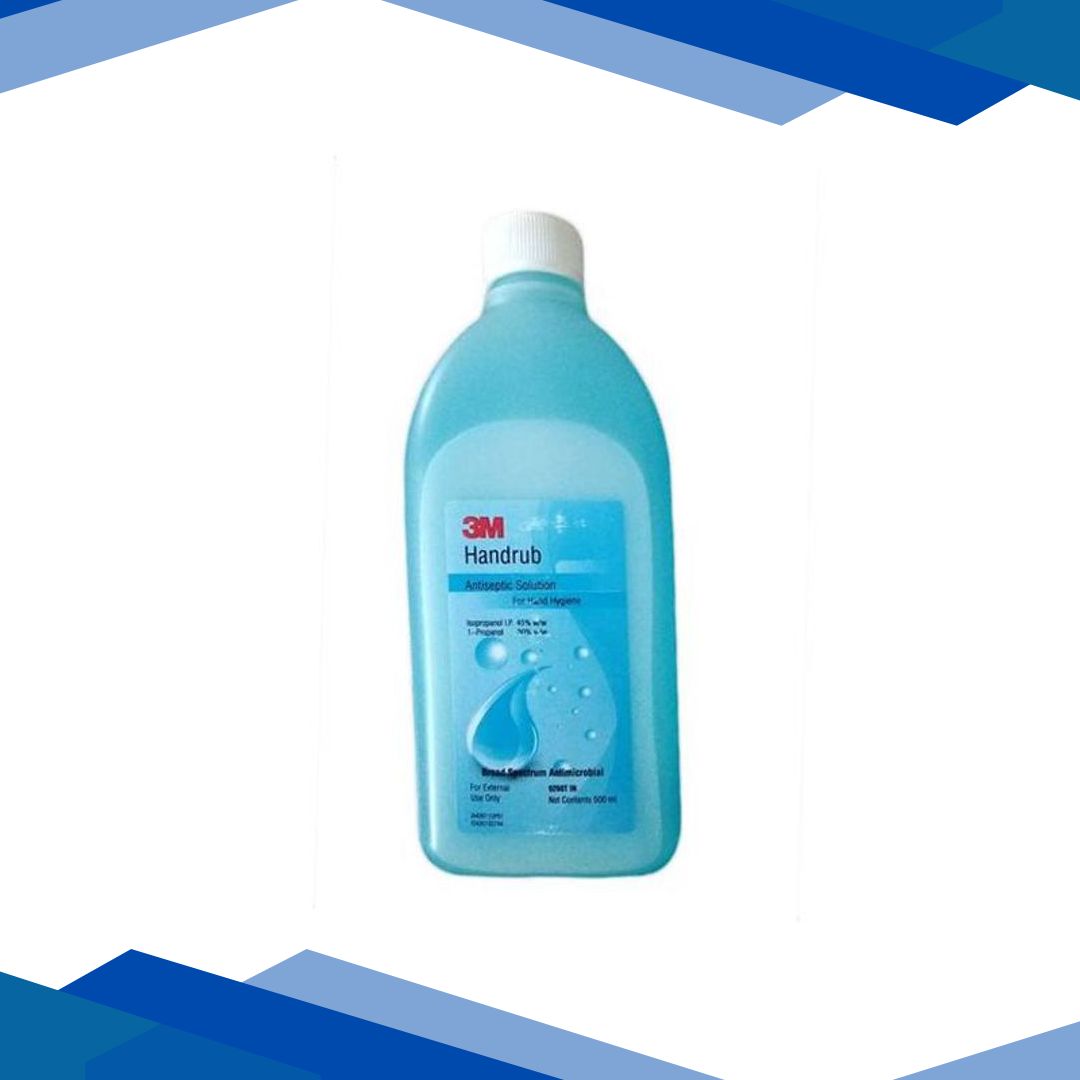
3M Handrub Antiseptic Solution 500 ml
❌ Due to high demand, this product is currently out of stock. New stock will be available shortly.
👉 Click here to Buy Same Salt medicine
3M Handrub Antiseptic Solution 500 is a topical antiseptic and antibacterial medicine used to help prevent and treat infection in damaged skin. Silver sulfadiazine works by releasing silver, which helps stop bacteria from growing, while chlorhexidine gluconate cleans the area and reduces the number of germs on the skin. Together, they support wound hygiene and lower the risk of infection. This medicine is commonly used for burns, minor skin injuries, cuts, and other wounds that may be prone to bacterial contamination. It may help the skin heal by keeping the affected area protected from infection. Use should be guided by a healthcare professional, especially for larger or deeper wounds.
Description
3M Handrub Antiseptic Solution 500 is a topical antimicrobial medicine commonly used in skin and wound care, especially when there is a risk of bacterial contamination or infection. it is designed for external application only and is typically used on burns, minor wounds, and other skin injuries where infection prevention and local antiseptic action are important. the combination brings together two well-known antimicrobial agents that work in different but complementary ways: silver sulfadiazine helps inhibit and kill a broad range of bacteria, while chlorhexidine gluconate provides additional antiseptic protection by reducing microbial load on the skin surface.
the ?nanonized? form of silver sulfadiazine generally refers to a formulation approach intended to improve the dispersion, surface contact, or local activity of the ingredient. in practical terms, this may help the product spread more evenly over the wound area and maintain prolonged contact at the site of application. chlorhexidine gluconate is a widely used antiseptic that acts rapidly against many bacteria and some other microorganisms by damaging their cell membranes. when combined, these ingredients are intended to help control microbial growth, lower the risk of wound infection, and support an environment more favorable for healing.
this medicine is not meant to replace proper wound cleaning, burn care, or medical evaluation when needed. it is generally used for localized skin conditions where a healthcare professional recommends topical antimicrobial protection. it may be especially helpful in situations where wounds are at risk of becoming infected due to contamination, moisture, tissue damage, or delayed healing. because it contains silver sulfadiazine, it should be used with caution in certain individuals, particularly those with known sulfonamide allergy or specific blood-related risks. as with all wound treatments, correct use and careful monitoring are important for safe and effective results.
ingredients
- silver sulfadiazine (nanonized): this is the primary antibacterial component of the medicine. it acts locally on the skin and wound surface to help prevent and control bacterial growth. silver ions interfere with essential bacterial processes, while the sulfadiazine portion contributes to antimicrobial activity. the nanonized form is intended to improve the physical properties of the ingredient, helping it distribute more evenly and potentially enhancing contact with the affected area.
- chlorhexidine gluconate: this is a broad-spectrum antiseptic commonly used in skin cleansing and infection prevention. it works by disrupting the outer membrane of microorganisms, leading to leakage of cellular contents and microbial death. it is useful for lowering surface contamination and supporting wound hygiene. it does not replace proper cleaning but adds a protective antiseptic effect.
- base / topical vehicle: although not always highlighted in the product name, topical formulations also contain a cream, gel, or ointment base that carries the active ingredients. the vehicle helps the medicine spread over the skin, maintain contact with the wound surface, and provide an appropriate consistency for application.
key uses
- burn wound infection prevention: commonly used in superficial to partial-thickness burns to help reduce bacterial growth and lower the chance of infection while the skin is recovering.
- contaminated minor wounds: may be used on small cuts, abrasions, and skin breaks when there is concern that bacteria could enter the damaged skin and delay healing.
- topical antimicrobial support in wound care: helps maintain a cleaner wound environment by lowering microbial burden on the skin surface, especially when hygiene and dressing changes are important.
- localized antiseptic management: chlorhexidine gluconate contributes a surface antiseptic effect that can be useful in areas where bacterial contamination is likely.
- adjunct therapy under medical supervision: may be recommended as part of a broader wound treatment plan that can include cleaning, debridement, dressings, pain control, and follow-up care.
how to use
this medicine is meant for external use only, and it should be applied exactly as directed by a healthcare professional or as stated on the product label. in general, the affected area should be cleaned gently before application, and any debris, dirt, or dead tissue should be removed if advised by a clinician. a thin, even layer is typically applied to the affected skin or wound area so that the medication fully covers the surface without being overused. the area may then be covered with an appropriate sterile dressing if recommended. it is important to wash your hands before and after use, unless the hands themselves are being treated.
the medicine should not be applied inside the eyes, inside the mouth, or to deep puncture wounds unless specifically instructed by a healthcare professional. care should be taken to avoid using it on large body surfaces for prolonged periods without medical supervision, because absorption of ingredients may increase the risk of adverse effects in sensitive individuals. if a burn or wound is extensive, very painful, oozing heavily, or appears infected, professional medical evaluation is essential. use it only for the duration advised, and do not stop or continue longer than recommended without guidance.
safety information
- warnings: do not use if you are allergic to sulfonamides, silver-containing products, chlorhexidine, or any ingredient in the formulation. stop using it and seek medical help if you notice severe rash, swelling, blistering, breathing difficulty, or signs of a serious allergic reaction. use carefully on broken skin because some absorption may occur. this product is not intended for ophthalmic, oral, or internal use. avoid applying it to very large or very deep wounds unless supervised by a doctor.
- side effects: common side effects may include mild skin irritation, burning, stinging, itching, redness, dryness, or temporary discomfort at the application site. less common but more serious effects can include allergic reactions, worsening rash, skin discoloration, delayed wound healing in some cases, and signs of systemic sensitivity. rarely, sulfonamide-related reactions may affect blood counts or cause severe skin reactions.
- precautions: use extra caution in people with a history of sulfa allergy, chlorhexidine sensitivity, severe kidney or liver disease, glucose-6-phosphate dehydrogenase deficiency, or significant blood disorders. caution is also advised for infants, very young children, and elderly patients, especially when large areas are involved. if you are pregnant, trying to conceive, or breastfeeding, professional advice is important before use.
- pregnancy/breastfeeding: safety in pregnancy and breastfeeding depends on the site of use, size of the treated area, and duration of treatment. because silver sulfadiazine is a sulfonamide-related medicine, caution is generally advised, especially near term pregnancy or on large areas. breastfeeding individuals should avoid applying it to areas that could come into direct contact with the infant?s mouth. a clinician should assess whether the benefits outweigh the risks.
- interactions: topical drug interactions are usually limited, but using multiple antiseptics, irritants, or strong topical products on the same area may increase skin irritation. do not mix with other wound treatments unless advised. alcohol-based products, harsh soaps, hydrogen peroxide, or other irritating agents may aggravate damaged skin. always inform your healthcare provider about all topical and oral medicines you use, especially if you have sensitive skin or ongoing wound treatment.
additional information
- storage: store in a cool, dry place away from direct sunlight, heat, and moisture. keep the container tightly closed when not in use. do not freeze unless the label specifically allows it. keep out of reach of children and pets.
- missed dose: if you forget to apply it, use it as soon as you remember unless it is almost time for the next application. do not apply extra amounts to make up for a missed application. resume the usual schedule as directed.
- overdose: excess topical application may increase skin irritation and, if used over very large areas or broken skin, may raise the risk of unwanted absorption. if accidental ingestion occurs or if a large amount is applied and severe symptoms develop, seek medical help promptly. symptoms of concern may include marked rash, dizziness, swelling, or unusual weakness.
- habit forming: no, this medicine is not habit forming. it does not cause dependence or addiction. it is used for short-term or condition-specific wound care under medical guidance.
frequently asked questions
Q: what is 3M Handrub Antiseptic Solution 500 used for?
A: it is a topical antimicrobial medicine used to help prevent or control bacterial contamination in burns, minor wounds, and other skin injuries when infection risk is a concern. it supports wound hygiene and local antiseptic protection.
Q: can i use this medicine on all types of wounds?
A: no. it is not suitable for every wound. deep puncture wounds, heavily contaminated wounds, severe burns, and wounds near the eyes or mucous membranes need professional assessment before use. a healthcare provider can decide whether it is appropriate.
Q: how long should i use it?
A: the duration depends on the type and severity of the wound and your clinician?s advice. it should generally be used only for the period recommended and reviewed if the wound is not improving or shows signs of infection.
Q: what are the most common side effects?
A: the most common side effects are local and may include mild burning, stinging, itching, dryness, redness, or irritation where the product is applied. most mild reactions improve after stopping the medicine, but persistent or worsening symptoms should be checked.
Q: is it safe if i have a sulfa allergy?
A: people with sulfonamide allergy should avoid this medicine unless a healthcare professional specifically recommends it after careful evaluation. allergic reactions can be serious, so it is important to disclose any known drug allergies before use.
Q: can children use this medicine?
A: it may be used in some children when prescribed or recommended by a clinician, but extra caution is needed. very young children and infants are more vulnerable to side effects and absorption issues, especially if large areas are treated.
Q: does this medicine help wounds heal faster?
A: its main role is to reduce or prevent infection, which can support proper healing. it is not a direct wound-healing stimulant, but controlling bacteria can help the body recover more effectively.
Q: can i apply it with other creams or antiseptics?
A: not without advice from a healthcare professional. combining multiple products on the same wound can increase irritation or interfere with treatment. always follow the wound-care plan provided by your clinician.
Q: should i cover the area after applying it?
A: sometimes a sterile dressing is used after application, depending on the wound type and the instructions given by a healthcare professional. coverage can help protect the wound, but the exact approach should be individualized.
Q: what should i do if i get a rash after using it?
A: stop using the product and contact a healthcare professional promptly. a rash may indicate irritation or an allergic reaction, and any swelling, breathing trouble, or widespread rash requires urgent medical attention.
Q: can it be used on infected wounds?
A: it may be part of treatment for certain superficial infected or at-risk wounds, but significant infection often requires medical assessment and sometimes additional treatment such as oral antibiotics, drainage, or debridement.
Q: is this medicine absorbed into the body?
A: some absorption can occur through damaged skin, especially when large areas are treated or when the skin barrier is severely compromised. that is why careful use and medical supervision are important in more extensive wounds.
Q: can i use it during breastfeeding?
A: breastfeeding users should consult a healthcare professional first. avoid applying it to areas that may contact the baby?s mouth, and follow medical advice based on the wound location and size.
Q: what signs mean i should seek medical help quickly?
A: get medical help if the wound becomes more painful, red, swollen, warm, foul-smelling, or starts producing more pus, or if you develop fever, spreading rash, severe irritation, or signs of an allergic reaction.
this information is for educational purposes only and should not be considered medical advice. always consult a qualified healthcare professional before use.
At Gem Pharmacy, we make every effort to provide accurate, expert-written, and thoroughly reviewed information related to medicines. However, this information should not be considered a substitute for professional medical advice, diagnosis, or treatment from a qualified doctor.
The purpose of this information is to educate users and improve communication between patients and healthcare professionals. It should not be used to diagnose or treat any condition.
Always consult a certified healthcare professional before taking any medication.