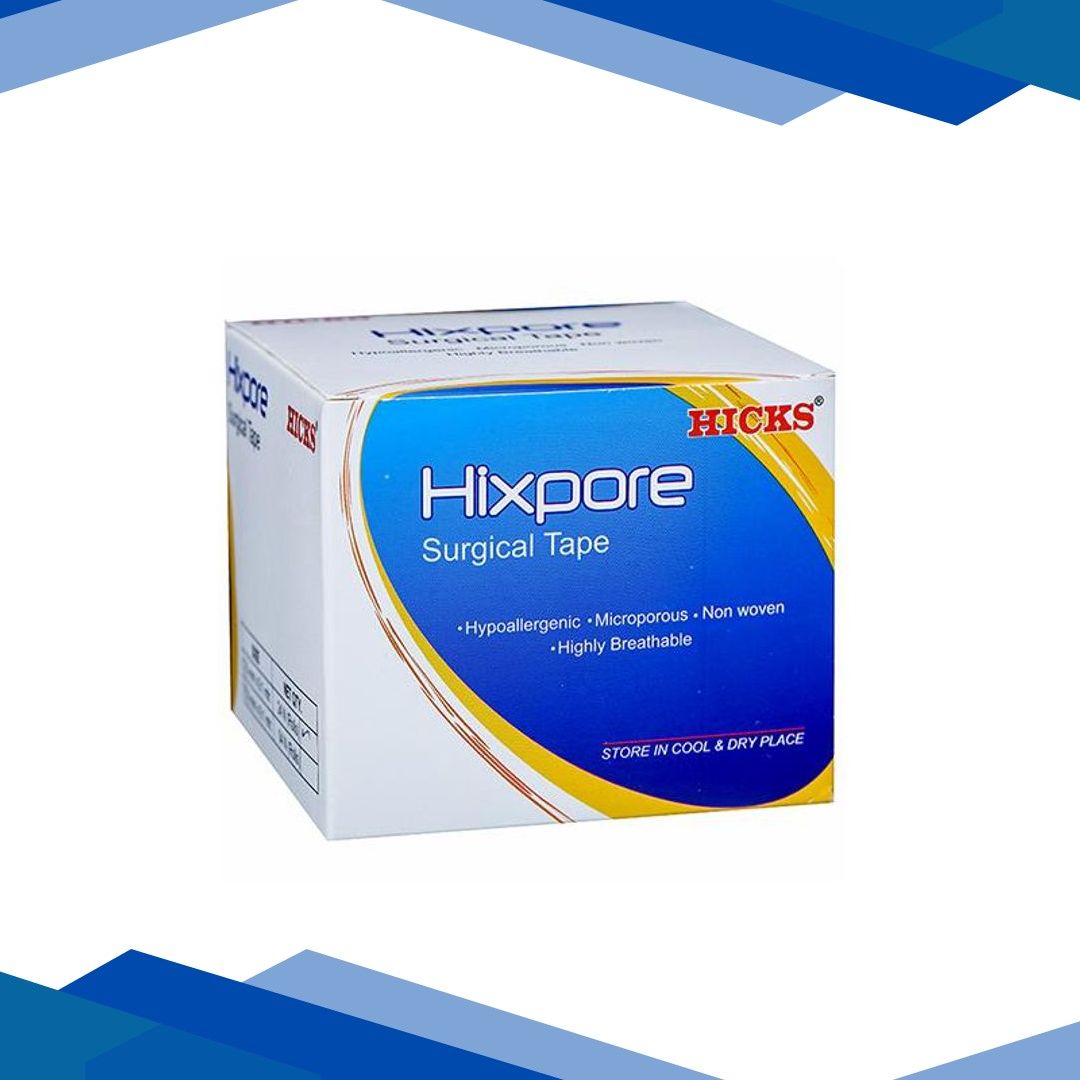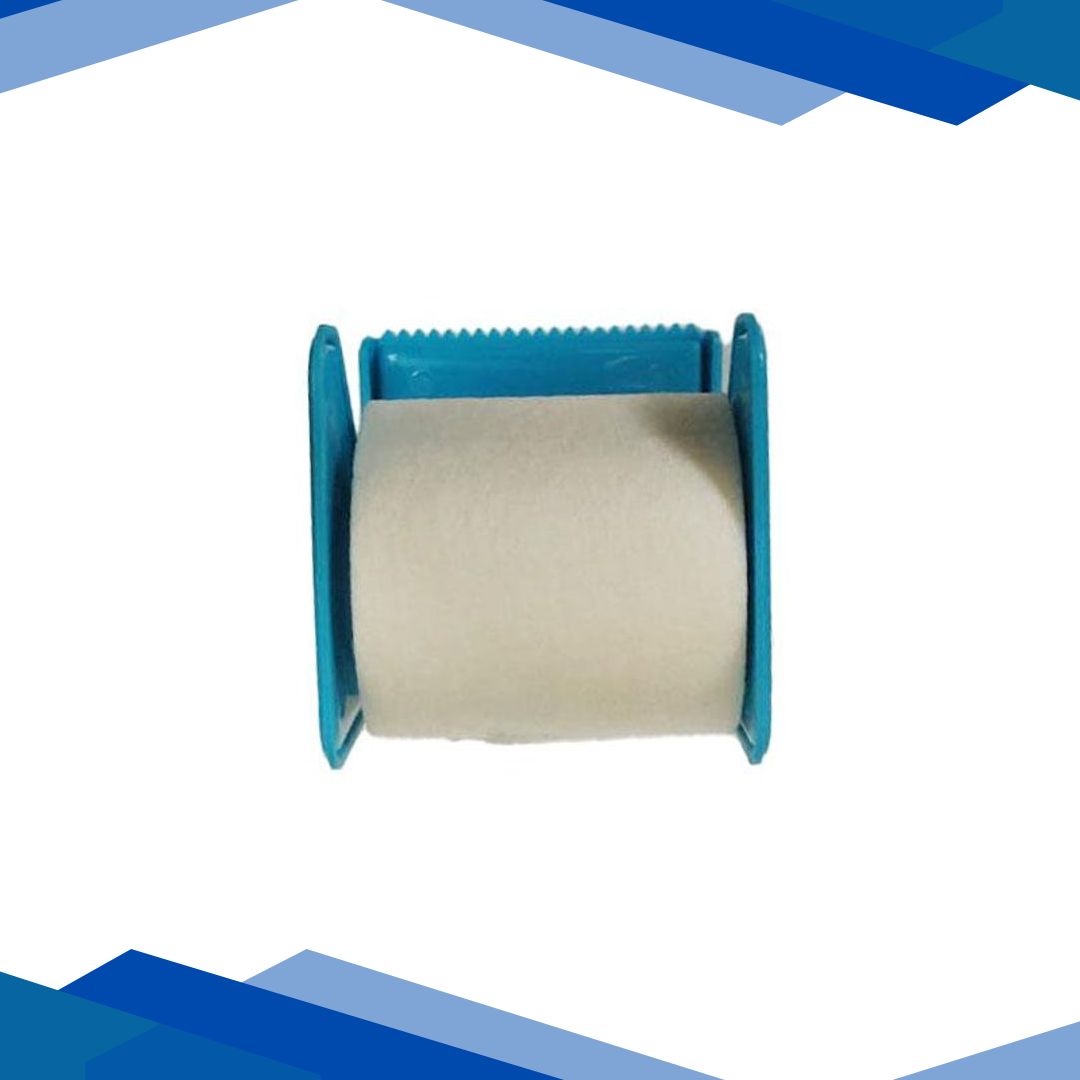
3M Micropore Adhesive Surgical Tape with Cutter – (7.5 cm x 9.1 m) (1535-3) 4’s
3M Micropore Adhesive Surgical Tape with Cutter – (7.5 cm x 9.1 m) (1535-3) is a vaccine used to help protect against infections caused by certain types of pneumococcal bacteria. It works by training the immune system to recognize these bacteria and respond faster if exposed in the future. This can lower the risk of serious illnesses such as pneumonia, bloodstream infection, meningitis, and some ear infections caused by pneumococcal strains included in the vaccine. It is commonly used in infants and young children, and in some cases may also be recommended for other people at higher risk of pneumococcal disease. Like other vaccines, it helps the body build protection before infection happens. 3M Micropore Adhesive Surgical Tape with Cutter – (7.5 cm x 9.1 m) (1535-3) should be used according to medical advice to ensure it is appropriate for the individual?s age and health condition.
Description
3M Micropore Adhesive Surgical Tape with Cutter – (7.5 cm x 9.1 m) (1535-3) is a pneumococcal vaccine designed to help protect the body against disease caused by 14 specific types of streptococcus pneumoniae, also called pneumococcus. these bacteria can cause a wide range of infections, from mild ear infections to serious and potentially life-threatening illnesses such as pneumonia, bloodstream infection, meningitis, and severe sinus infections. by exposing the immune system to purified components of the bacteria in a safe, controlled way, the vaccine helps the body learn how to recognize and respond to these germs more effectively in the future.
this vaccine is a conjugate vaccine, which means the bacterial polysaccharides are linked to a carrier protein. this design improves the immune response, especially in infants and young children whose immune systems may not respond strongly to plain polysaccharide vaccines. the conjugation process helps the body develop stronger, longer-lasting immunity and also supports immune memory. as a result, if the person later encounters the actual bacteria, the immune system can react more quickly and efficiently, lowering the risk of invasive pneumococcal disease.
3M Micropore Adhesive Surgical Tape with Cutter – (7.5 cm x 9.1 m) (1535-3) is typically used as part of routine immunization programs, especially in populations at higher risk of pneumococcal disease. it may be recommended for infants, children, and in some settings for adults with certain health conditions or increased vulnerability to pneumococcal infections. although the vaccine is highly useful in preventing disease caused by the included serotypes, it does not protect against all types of pneumococcal bacteria and does not treat an active infection. standard medical evaluation is important to determine whether the vaccine is appropriate, when it should be given, and whether additional pneumococcal vaccines are needed depending on age, risk factors, and local immunization guidance.
ingredients
- pneumococcal 14 serotype polysaccharides: these are the purified sugar structures from 14 pneumococcal strains included in the vaccine. they are the main antigens that stimulate the immune system to build protection against those specific serotypes.
- carrier protein: a protein component is used to conjugate the polysaccharides and improve immune recognition. this helps produce a stronger and more durable immune response, especially in young children.
- adjuvant or formulation substances: depending on the product presentation, the vaccine may contain substances that help stabilize the formulation or enhance immune response. the exact composition can vary by manufacturer and country.
- buffering agents: these help maintain the proper ph and stability of the vaccine during storage and administration so that it remains effective.
- excipients and preservatives, if present: some formulations may include trace amounts of other inactive ingredients used to preserve quality and support safe preparation. the exact excipients should be checked in the product label or package insert.
key uses
- prevention of pneumococcal pneumonia: helps reduce the risk of pneumonia caused by the pneumococcal serotypes included in the vaccine, which can be especially severe in infants, older adults, and people with chronic disease.
- protection against invasive pneumococcal disease: lowers the risk of serious infections in the blood or other normally sterile sites, including bacteremia and sepsis, which can be life-threatening.
- prevention of meningitis: helps protect against pneumococcal meningitis, an infection of the membranes around the brain and spinal cord that can lead to permanent complications if not prevented or treated quickly.
- reduction of otitis media in children: may decrease the occurrence of certain middle ear infections caused by vaccine-covered pneumococcal strains, which can improve comfort and reduce antibiotic use in some cases.
- support for high-risk groups: may be used in people with weakened immune systems, chronic illnesses, or anatomical or functional absence of the spleen, where pneumococcal disease risk is significantly higher.
- public health prevention: helps lower community spread of targeted pneumococcal serotypes and can contribute to reduced disease burden when used widely in immunization programs.
how to use
3M Micropore Adhesive Surgical Tape with Cutter – (7.5 cm x 9.1 m) (1535-3) is given by a healthcare professional, usually as an injection. it is not taken by mouth and should not be self-administered. the vaccination schedule depends on the person?s age, health status, prior vaccination history, and local immunization recommendations. in infants and young children, it is often given as part of a routine vaccine series, while older children or adults with specific medical conditions may receive it according to risk-based guidance.
the vaccine is generally injected into a muscle, and in some age groups it may be given in a different approved route depending on the product instructions. the injection site and timing are chosen by the clinician based on standard immunization practice. multiple doses may be needed to build and maintain protection, and booster doses may be recommended in some situations. if the person has a fever, is moderately or severely ill, or has had a prior allergic reaction to a pneumococcal vaccine, the healthcare provider should assess whether vaccination should be postponed or avoided.
for best protection, it is important to follow the complete vaccine schedule and attend all recommended follow-up doses. missing doses or receiving them at the wrong interval may reduce the immune response. the vaccine should only be given under proper medical supervision, with immediate access to emergency care in case of rare severe allergic reactions. a healthcare professional can also decide whether other routine vaccines may be given on the same day at different injection sites.
safety information
- warnings: this vaccine should not be given to anyone with a history of severe allergic reaction, such as anaphylaxis, to a previous dose of this vaccine or to any component of the formulation. it does not treat active pneumococcal infection. as with all vaccines, fainting, crying, or temporary discomfort may occur after injection. serious allergic reactions are rare but can happen and require immediate medical attention.
- side effects: common side effects may include pain, redness, swelling, or tenderness at the injection site; mild fever; irritability; tiredness; reduced appetite; headache; muscle aches; and temporary fussiness in children. less common but more serious effects may include high fever, severe allergic reaction, unusual weakness, difficulty breathing, widespread rash, swelling of the face or throat, or persistent crying or worsening illness after vaccination. any severe or unusual reaction should be reported promptly to a healthcare professional.
- precautions: use extra caution in people with a history of allergies, severe illness, bleeding disorders, low platelet count, immune system disorders, or those taking medicines that suppress the immune system. vaccination may still be appropriate, but the expected response may be weaker in immunocompromised individuals. people with a moderate or severe acute illness should generally wait until recovery before receiving the vaccine. those with a history of guillain-barr? syndrome or other neurologic concerns should discuss risks and benefits with a clinician.
- pregnancy/breastfeeding: the safety of this vaccine in pregnancy or breastfeeding depends on the individual?s risk factors, local guidance, and product-specific evidence. vaccination during pregnancy may be considered when the potential benefit outweighs any theoretical risk, especially in those at high risk of pneumococcal disease. during breastfeeding, vaccines are generally not expected to harm the infant, but a healthcare professional should confirm suitability for each case.
- interactions: the vaccine may be given alongside many routine vaccines, but timing and injection-site separation should follow clinical guidance. immunosuppressive medicines, including corticosteroids, chemotherapy, biologic agents, or other immune-modifying drugs, may reduce the immune response to the vaccine. alcohol does not have a direct pharmacologic interaction with the vaccine, but excessive alcohol use may impair immune function and overall health. always inform the clinician about all medicines, supplements, and recent vaccines before administration.
additional information
- storage: store according to the manufacturer?s instructions, usually in a refrigerator at the recommended temperature range and never frozen. freezing can damage the vaccine and make it ineffective. keep it protected from light if required by the product label. do not use the vaccine if it has been stored improperly, expired, discolored, or contains visible particles unless the label specifically allows such appearance.
- missed dose: if a scheduled dose is missed, contact a healthcare provider as soon as possible. the dose is usually given when the person is able, and the vaccination series is continued according to the updated schedule rather than restarted in most cases. proper timing matters for full protection, so delays should be minimized.
- overdose: an overdose is unlikely with a vaccine because it is administered by trained professionals in controlled doses. if an extra dose is accidentally given, side effects such as injection-site reactions, fever, or irritability may be more likely. seek medical advice immediately if an overdose or administration error is suspected, especially if there are signs of an allergic reaction or other serious symptoms.
- habit forming: no. 3M Micropore Adhesive Surgical Tape with Cutter – (7.5 cm x 9.1 m) (1535-3) is not habit-forming and does not cause dependence. it is used for immune protection, not for symptom relief or repeated use in a way that creates addiction.
frequently asked questions
Q: what does 3M Micropore Adhesive Surgical Tape with Cutter - (7.5 cm x 9.1 m) (1535-3) protect against?
A: it helps protect against infections caused by 14 specific serotypes of pneumococcal bacteria, including pneumonia, bloodstream infection, meningitis, and some ear infections caused by those strains.
Q: does this vaccine treat an active pneumococcal infection?
A: no. it is a preventive vaccine only. if someone already has symptoms of infection, they need medical evaluation and may require antibiotics or other treatment.
Q: who should get this vaccine?
A: it is commonly used in infants and children, and in some settings adults with certain medical conditions or higher risk of pneumococcal disease may also be recommended for vaccination. a healthcare professional should decide based on age and risk factors.
Q: can side effects happen after the vaccine?
A: yes. mild side effects such as soreness at the injection site, fever, tiredness, or irritability are common and usually temporary. serious allergic reactions are rare but require urgent medical care.
Q: is one dose enough?
A: the number of doses depends on age, prior vaccination history, and local immunization schedules. some people need a series of doses and possibly a booster to achieve the best protection.
Q: can this vaccine be taken with other vaccines?
A: often yes, but it may be administered on the same day as other routine vaccines at different injection sites if the healthcare provider advises it. follow local immunization guidance.
Q: who should avoid this vaccine?
A: anyone with a severe allergy to a previous pneumococcal vaccine dose or to any component of the formulation should avoid it unless a specialist advises otherwise. people who are moderately or severely ill may need to wait until recovery.
Q: what should i do if i miss a scheduled dose?
A: contact a healthcare professional as soon as possible. in most cases, the schedule can be continued without starting over, but the timing should be corrected according to medical advice.
Q: is this vaccine safe during pregnancy?
A: safety depends on individual circumstances and risk level. a clinician should assess whether the potential benefits outweigh any theoretical risks during pregnancy.
Q: does the vaccine work against all pneumococcal bacteria?
A: no. it only protects against the 14 serotypes included in the vaccine and does not cover every pneumococcal strain. good hygiene and medical care remain important.
Q: can immune-compromised people still get the vaccine?
A: many immunocompromised people can receive pneumococcal vaccines, but they may not respond as strongly. a healthcare provider should guide the decision and schedule.
Q: how soon does protection develop?
A: the immune response develops gradually after vaccination and improves with completion of the recommended schedule. full protection is not immediate, so it is important to receive doses on time.
Q: why is it called a conjugate vaccine?
A: because the bacterial sugar components are linked to a protein carrier, which helps the immune system recognize them better and build stronger, longer-lasting protection.
Q: can this vaccine cause pneumonia?
A: no, it does not cause pneumococcal pneumonia. like any vaccine, it may cause temporary mild reactions such as fever or soreness, but it does not contain live bacteria that cause the disease.
Q: when should medical help be sought after vaccination?
A: seek urgent medical help for signs of severe allergy such as difficulty breathing, swelling of the face or throat, widespread rash, fainting, or any severe reaction that feels unusual or alarming.
this information is for educational purposes only and should not be considered medical advice. always consult a qualified healthcare professional before use.
At Gem Pharmacy, we make every effort to provide accurate, expert-written, and thoroughly reviewed information related to medicines. However, this information should not be considered a substitute for professional medical advice, diagnosis, or treatment from a qualified doctor.
The purpose of this information is to educate users and improve communication between patients and healthcare professionals. It should not be used to diagnose or treat any condition.
Always consult a certified healthcare professional before taking any medication.


Related products
Hicks Hixapore Surgical Tape (12.5 mm x 9.1 mtr) 24’s
3M Micropore Adhesive Surgical Tape with Cutter – (5 cm x 9.14 m) (1535-2) 6’s
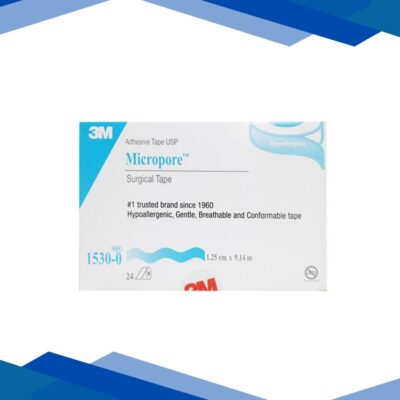
3M Micropore Adhesive Surgical Tape – (1.25 cm X 9.14 m) (1530-0) 24’s