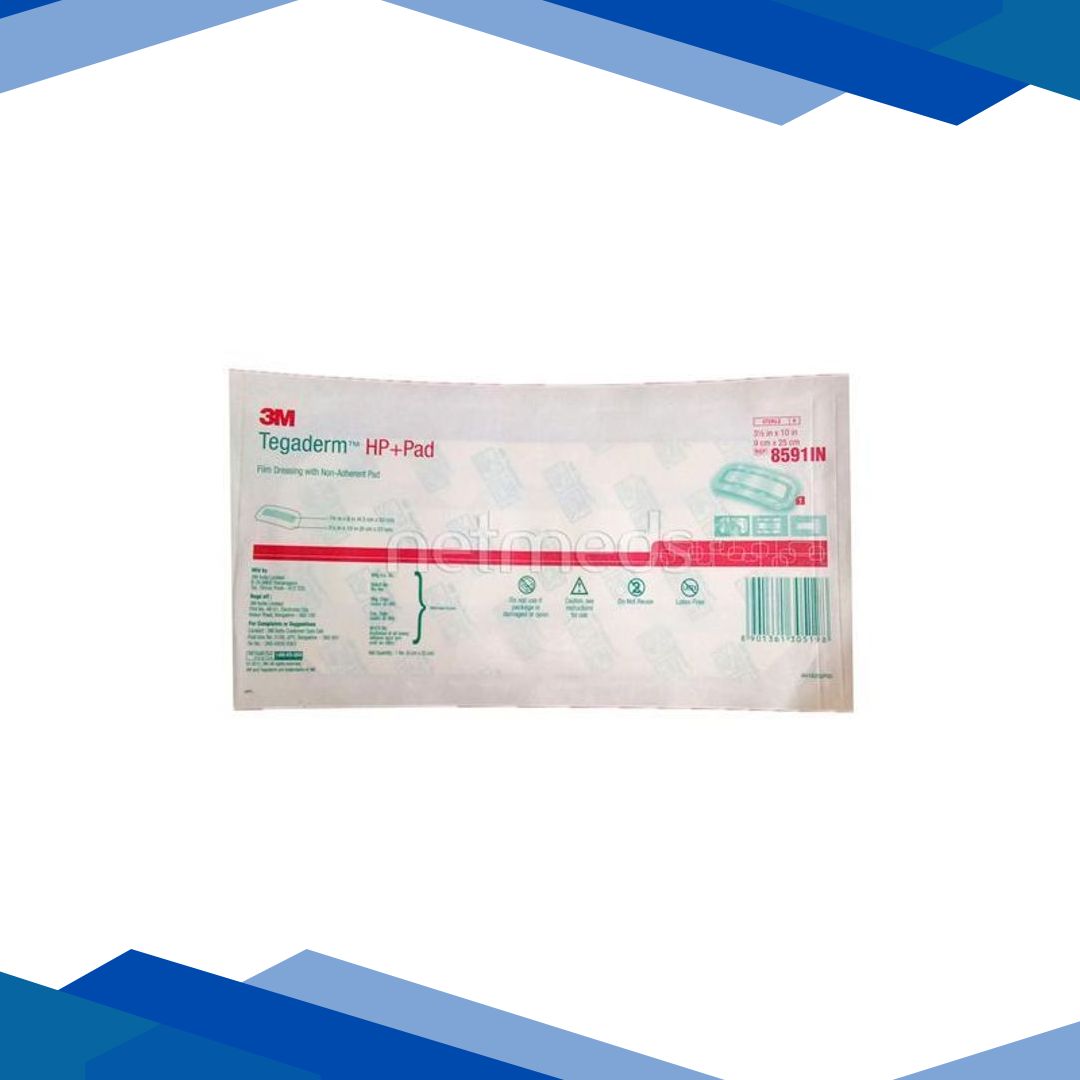
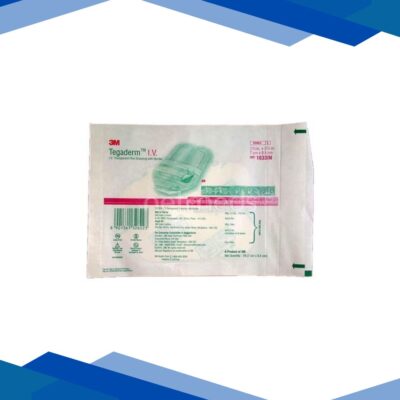
3M Tegaderm HP+Pad Film Dressing (8591IN)
3M Tegaderm HP+Pad Film Dressing is a bone-supporting medicine used to help maintain strong and healthy bones. It combines nutrients and an anti-bone-loss ingredient that work together to improve bone strength and reduce the risk of fractures. CALCITRIOL helps the body absorb calcium better, while elemental calcium, elemental magnesium, and elemental zinc support normal bone formation and mineral balance. Ibandronic acid helps slow down the breakdown of bone, and vitamin K2 supports proper calcium use in the bones. This medicine is commonly prescribed for conditions such as osteoporosis or low bone density, especially when extra support for bone health is needed. It should be used under medical supervision for best results.
Description
3M Tegaderm HP+Pad Film Dressing is a combination medicine used to support bone health and help manage conditions in which bones become weak, fragile, or mineral-deficient. it brings together several nutrients and a bone-active medicine that work in different but complementary ways. calcitriol is the active form of vitamin d and helps the body absorb calcium and maintain normal calcium balance. elemental calcium provides the main mineral needed to build and maintain bone structure. elemental magnesium supports bone mineralization and plays an important role in muscle and nerve function. elemental zinc contributes to normal bone formation, tissue repair, and enzyme activity. ibandronic acid belongs to a group of medicines called bisphosphonates and helps reduce bone breakdown, which is especially important in conditions such as osteoporosis. vitamin k2 supports the activation of proteins involved in binding calcium into the bone matrix, helping direct calcium to the bones where it is needed.
this combination is generally prescribed when a healthcare professional wants to address both bone loss and mineral insufficiency at the same time. it may be used in adults who are at increased risk of fractures, have low bone density, or require nutritional support for bone maintenance. because it contains ibandronic acid, it is not just a supplement; it has a stronger effect on bone turnover and therefore should be used under medical supervision. the medicine is intended to work gradually, helping improve bone strength and reduce the risk of future bone weakening when taken as part of an overall treatment plan that may also include diet, exercise, and other lifestyle measures.
its mechanism is multi-layered. ibandronic acid slows down the activity of cells that break down bone, which helps preserve existing bone mass. calcitriol improves calcium absorption from the intestine and helps regulate blood calcium levels. calcium, magnesium, and zinc contribute the building materials and cofactors needed for healthy bone remodeling. vitamin k2 helps activate proteins that assist in placing calcium into the bone tissue rather than allowing it to remain in the blood or soft tissues. because all of these ingredients influence calcium and bone metabolism, proper use is important to avoid imbalances such as too much calcium in the blood or low mineral absorption. for that reason, people taking this product should follow medical advice carefully, especially if they already have kidney disease, digestive problems, or are taking other medicines that affect calcium or bone turnover.
ingredients
- calcitriol: calcitriol is the active hormone form of vitamin d. it increases calcium and phosphate absorption from the intestines and helps maintain normal mineral levels in the body. in bone health, it supports mineralization and may be helpful when the body cannot activate vitamin d efficiently. it must be used carefully because too much can raise calcium levels excessively.
- elemental calcium: calcium is the main mineral in bones and teeth. it provides structural strength and is essential for nerve signaling, muscle contraction, and blood clotting. in a bone-support formula, calcium helps replenish dietary intake and supports maintaining bone density over time.
- elemental magnesium: magnesium is involved in bone structure and helps regulate calcium transport and vitamin d metabolism. it also supports normal muscle and nerve function. adequate magnesium is important because low levels may affect bone quality and overall mineral balance.
- elemental zinc: zinc supports bone formation, collagen synthesis, immune function, and tissue repair. it acts as a cofactor in many enzymes that are involved in growth and remodeling of bone. zinc deficiency may contribute to poor bone health and slower healing.
- ibandronic acid: ibandronic acid is a bisphosphonate used to reduce bone resorption, meaning it slows the process by which bone is broken down. this helps preserve bone mass and may lower fracture risk in people with osteoporosis or significant bone loss. it must be taken exactly as directed because incorrect use can reduce absorption and increase the risk of irritation in the food pipe.
- vitamin k2: vitamin k2 helps activate proteins such as osteocalcin, which are involved in binding calcium into the bone matrix. it supports proper mineral utilization and may help direct calcium toward bones. vitamin k2 also has an important role in blood clotting, so people on anticoagulants require special caution.
key uses
- osteoporosis management: this combination may be used to help reduce bone loss and support stronger bones in adults with osteoporosis, particularly where both anti-resorptive treatment and mineral support are needed.
- prevention of fracture risk: by helping maintain bone density and bone quality, the medicine may lower the risk of fragility fractures in people with weakened bones, especially postmenopausal women or older adults.
- bone mineral support in deficiency states: it may be prescribed when calcium, vitamin d activity, magnesium, or zinc intake is inadequate and bone health requires additional nutritional support.
- support during long-term bone turnover imbalance: in conditions where bone breakdown is greater than bone formation, ibandronic acid helps slow resorption while the nutrients support rebuilding and mineralization.
- adjunct to lifestyle measures for bone health: it may be used alongside diet, weight-bearing exercise, smoking cessation, and fall-prevention strategies to improve overall skeletal health.
how to use
this medicine should be used exactly as directed by a healthcare professional because the combination includes both a bisphosphonate and mineral/vitamin components, which can have important timing and absorption requirements. in general, medicines containing ibandronic acid are taken in a way that allows the stomach and intestine to absorb them properly and reduces the chance of irritation. they are often taken on an empty stomach with plain water, and the person is usually advised to remain upright for a period afterward to help prevent esophageal irritation. food, milk, coffee, tea, and other beverages may reduce absorption and should be avoided around the time of use if the prescribing instructions say so.
the calcium, magnesium, zinc, calcitriol, and vitamin k2 components are intended to support bone metabolism, but they also mean that the medicine should not be taken casually with other supplements containing the same minerals unless a clinician has specifically recommended it. taking multiple calcium or vitamin d products together can increase the risk of high calcium levels. if a person has difficulty swallowing, stomach discomfort, kidney problems, or a history of ulcers or esophageal disease, the healthcare professional may need to review whether this product is appropriate. it is important to follow the prescribed schedule consistently, because bone health benefits are usually gradual and depend on regular use.
safety information
- warnings: this medicine can affect calcium balance and bone metabolism, so it should be used only under medical supervision. too much calcium or calcitriol may lead to hypercalcemia, which can cause nausea, constipation, confusion, excessive thirst, frequent urination, and kidney problems. ibandronic acid may irritate the stomach and esophagus if not taken properly. any new chest pain, painful swallowing, or severe heartburn should be reported promptly. dental health should also be monitored because bisphosphonates have been linked, rarely, with jaw problems in some patients.
- side effects: common side effects may include stomach upset, nausea, abdominal discomfort, constipation, diarrhea, gas, headache, muscle aches, or mild bone pain. some people may also experience reflux, throat irritation, or a metallic taste. serious side effects are less common but may include severe allergy, marked increase in blood calcium, kidney-related issues, severe bone or joint pain, swallowing difficulty, persistent vomiting, or symptoms of jaw necrosis such as jaw pain, swelling, or loose teeth.
- precautions: use with caution in people with kidney disease, a history of kidney stones, high calcium levels, parathyroid disorders, digestive ulcers, swallowing disorders, or severe dehydration. people who have low blood calcium should not use a product containing calcitriol or bisphosphonates unless their clinician specifically advises it. this medicine may not be suitable for those who cannot remain upright after taking it or who have major esophageal problems.
- pregnancy/breastfeeding: safety during pregnancy and breastfeeding is not well established for this combination. because calcitriol, calcium balance, and ibandronic acid can affect maternal and fetal mineral metabolism, it should only be used if a clinician determines the benefit outweighs the risk. breastfeeding women should also seek medical advice before use, especially because some components may affect the infant?s mineral intake or maternal calcium levels.
- interactions: calcium, magnesium, and zinc can interfere with the absorption of several medicines, including some antibiotics, thyroid medicines, and iron products. vitamin k2 can interact with blood thinners such as warfarin, potentially reducing their effect. ibandronic acid should not be taken together with food or certain mineral supplements at the same time if absorption is to be maintained. alcohol may worsen stomach irritation and should be limited. always inform the clinician about all prescription drugs, over-the-counter products, and herbal supplements being used.
additional information
- storage: store in a cool, dry place away from excess heat, moisture, and direct sunlight. keep it in the original container if possible and out of reach of children. do not store it in the bathroom if humidity is high.
- missed dose: if a dose is missed, take it only as advised by the prescribing information or healthcare professional. do not double the dose to make up for a missed one. for medicines containing ibandronic acid, timing rules may matter, so if unsure, ask a pharmacist or doctor before taking the next dose.
- overdose: overdose may cause symptoms related to too much calcium or too much calcitriol, such as nausea, vomiting, constipation, weakness, confusion, excessive thirst, frequent urination, or kidney strain. too much ibandronic acid may also lead to stomach or esophageal irritation. seek urgent medical attention or contact poison control immediately if an overdose is suspected.
- habit forming: no. this medicine is not habit-forming and does not cause addiction. however, it should still be used only as directed because incorrect or unnecessary use can cause mineral imbalance or other complications.
frequently asked questions
Q: what is 3M Tegaderm HP+Pad Film Dressing used for?
A: it is used to support bone health, help manage osteoporosis or low bone density, and provide mineral and vitamin support for bone maintenance. because it contains ibandronic acid, it also helps reduce bone breakdown.
Q: how does this medicine help bones?
A: ibandronic acid slows bone loss, while calcitriol improves calcium absorption. calcium, magnesium, zinc, and vitamin k2 provide essential support for bone formation and mineralization.
Q: can i take this medicine with other calcium or vitamin d supplements?
A: only if your doctor or pharmacist says it is safe. taking extra calcium or vitamin d-related products can increase the risk of high calcium levels and related side effects.
Q: does it need to be taken with food?
A: medicines containing ibandronic acid often have strict instructions about timing and may need to be taken on an empty stomach for proper absorption. follow the exact directions provided by your healthcare professional.
Q: what should i avoid after taking it?
A: you may need to avoid food, drinks other than water, and lying down for a period after taking the medicine, depending on the formulation instructions. this helps improve absorption and reduces throat irritation.
Q: can this medicine cause stomach upset?
A: yes. nausea, abdominal discomfort, constipation, reflux, and throat irritation may occur. taking it exactly as directed can help reduce these effects, but severe or persistent symptoms should be checked by a doctor.
Q: is it safe for people with kidney problems?
A: not always. kidney disease can increase the risk of complications from calcium, calcitriol, and bisphosphonates. a healthcare professional should assess kidney function before use.
Q: can vitamin k2 interfere with blood thinners?
A: yes. vitamin k2 may reduce the effect of warfarin and similar anticoagulants. anyone taking blood thinners should consult their doctor before using this product.
Q: what are signs of high calcium levels?
A: common signs include nausea, vomiting, constipation, unusual tiredness, increased thirst, frequent urination, muscle weakness, and confusion. severe symptoms need prompt medical attention.
Q: can this medicine cause jaw problems?
A: rarely, bisphosphonates such as ibandronic acid have been linked to jaw-related complications, especially after dental procedures. good oral hygiene and regular dental care are important.
Q: should i tell my dentist if i am taking this medicine?
A: yes. your dentist should know because ibandronic acid may affect jaw healing and dental planning, especially if invasive dental procedures are needed.
Q: is this medicine the same as a regular multivitamin?
A: no. it is not a simple multivitamin. it includes a bisphosphonate plus minerals and active vitamin d, so it has stronger effects on bone metabolism and requires more careful use.
Q: can it be used long term?
A: long-term use depends on the underlying condition, response to treatment, and risk of side effects. a clinician should periodically review whether continued treatment is appropriate.
Q: what if i have trouble swallowing tablets?
A: tell your healthcare professional. some formulations of ibandronic acid can irritate the esophagus if not swallowed correctly, and an alternative treatment may be safer.
Q: does this medicine work immediately?
A: no. bone health medicines usually work gradually over time. improvements in bone density or fracture risk reduction may take weeks to months and require consistent use.
Q: can i take it with antacids or iron?
A: these can interfere with mineral absorption and may also affect ibandronic acid depending on timing. spacing doses apart may be necessary, so consult a pharmacist for specific guidance.
Q: what should i do if i feel severe chest pain or burning after taking it?
A: stop further doses and seek urgent medical advice, because it may indicate irritation or injury to the food pipe, which can be serious.
Q: is exercise still important while taking this medicine?
A: yes. weight-bearing exercise, balance training, adequate nutrition, and fall prevention are important parts of bone health and can complement the medicine's effects.
Q: can alcohol be taken with this medicine?
A: alcohol can worsen stomach irritation and may not be advisable, especially if you already have digestive symptoms or other risk factors. limiting alcohol is usually wise.
Q: what if i am already taking a vitamin k supplement?
A: do not add extra vitamin k products without medical advice. too much supplementation may be unnecessary, and interactions may matter if you take anticoagulants.
Q: why is calcitriol included instead of just vitamin d?
A: calcitriol is the active form of vitamin d, meaning it works directly without needing full activation by the kidneys. this can be useful in specific clinical situations, but it also requires closer monitoring.
Q: can this medicine help with muscle weakness?
A: if weakness is related to mineral imbalance, correcting calcium, magnesium, or vitamin d-related issues may help. however, muscle weakness can have many causes and should be evaluated if persistent.
Q: what signs mean i should stop and call a doctor?
A: call a doctor if you develop severe stomach pain, difficulty swallowing, black stools, signs of high calcium, allergic reactions, jaw pain, or new severe bone or joint pain.
Q: do i need lab tests while using this medicine?
A: often yes. a clinician may monitor calcium, kidney function, and sometimes vitamin d or other markers, depending on the reason for treatment and your health status.
Q: can children use this medicine?
A: this combination is generally intended for adult bone-health conditions unless specifically prescribed by a specialist. children should not use it without expert medical direction.
[/faqs_dbm]
this information is for educational purposes only and should not be considered medical advice. always consult a qualified healthcare professional before use.
At Gem Pharmacy, we make every effort to provide accurate, expert-written, and thoroughly reviewed information related to medicines. However, this information should not be considered a substitute for professional medical advice, diagnosis, or treatment from a qualified doctor.
The purpose of this information is to educate users and improve communication between patients and healthcare professionals. It should not be used to diagnose or treat any condition.
Always consult a certified healthcare professional before taking any medication.


Related products
3M Tegaderm IV Transparent Film (1635IN)
3M Tegaderm Film IV (1623WIN)
3M Tegaderm IV Transparent Film (1633)