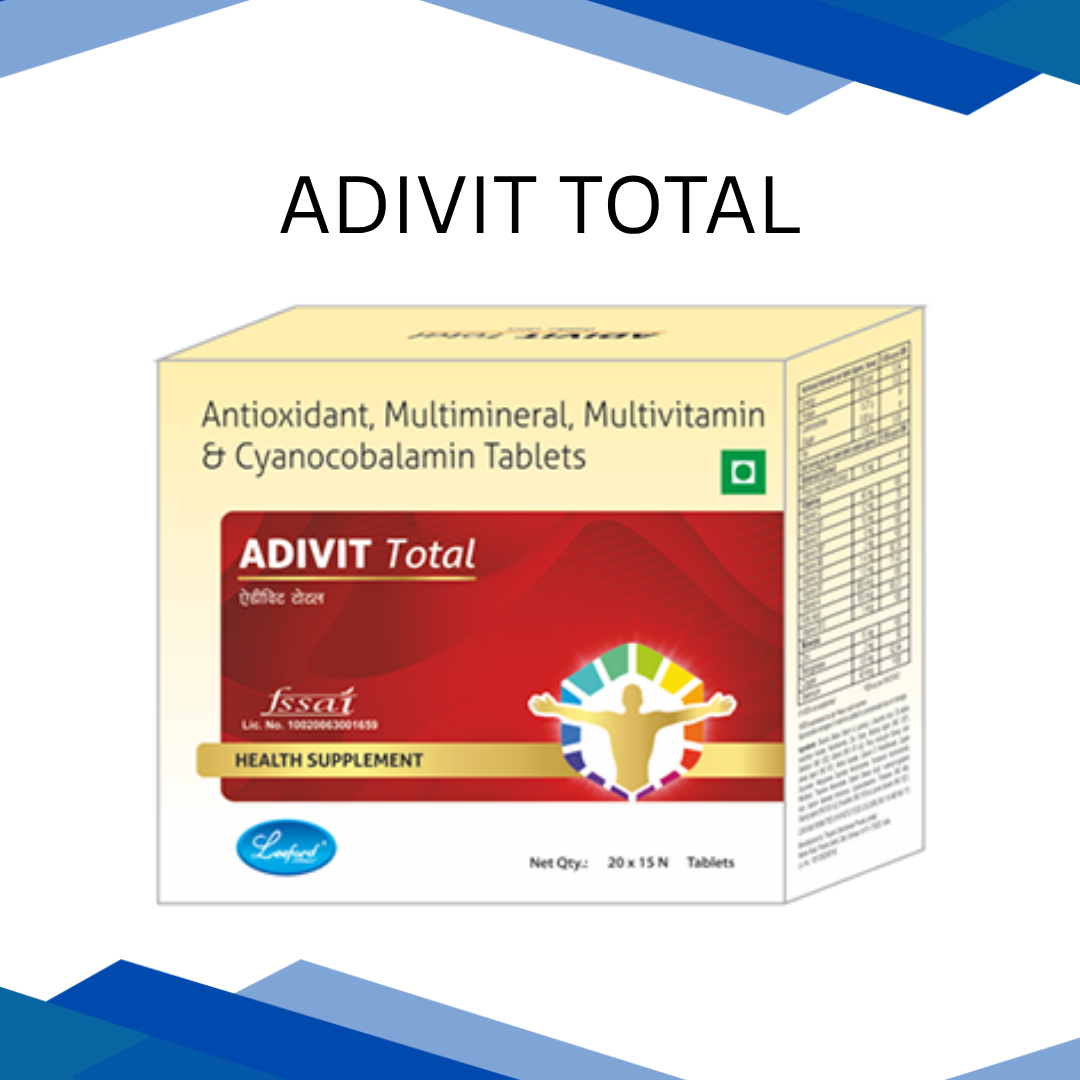
Adivit total
❌ Due to high demand, this product is currently out of stock. New stock will be available shortly.
👉 Click here to Buy Same Salt medicine
Antioxidants
Antioxidants: The ultimate Cellular Protection and Fighting Force
Antioxidants counteract the oxidative destruction of free radicals and were the invented foundation of genes and vitamins. These names require the stabilization nonscience word which signifies free radicals extending and trenching across the morphological domains of cells, protein, and DNA—with the oxidants that come to convict the hypocrite(s), whereby passeth away the existence of anything that is unwillingly required by crimes against nature. Free radicals are responsible for causing oxidative damage. They originate from the metabolism of carbohydrates and fats within the body. These damage-prone entities imbalance the biologic system. To relieve any organism being injured or killed by oxidative cascade, antioxidants are acquired from the foodstuff and are naturally produced in the body. Biological Response Modifiers (BRMs) are all enzymes, vitamins, and hormones presently designated as antioxidants to balance the whole physiologic homeostasis chain. A chain is considered as breaking or ligation process quite late despite the three fast interactions, where one antioxidants outmaneuvered a ROS. It is feasible for further increase, thereby allowing long-term oxidative protection on the other side. But what is an antioxidant's vital prominence in the sense of regeneration? More simply, they act as sources of electron donors. This is the way binding of the free radical to an antioxidant firm characterized. By the provision of such an electron without being rent as molecules in the process of donating the electrons, they do not create additional free radicals. The contrary coordinates and lets the chain sequence follow through meals one to the peak of free radicals, away from your cells' walls. These molecules will-stop the process of damaging your tissue-transmogrified free radicals. Antioxidants are kept up with this wonderful synergy; the present theory reveals that the free radicals raised demand further conversation: energy destroyed is possible with Vitamin E bury. It is worth nothing. Furthermore, through the absorption tract, free radicals like host can be disarmed. Antioxidants act like shields.⇑Downloaded by Aditya on February 8, 2019. AddTransient FunctionExemplified by other organizations, vitamin C is one of the principal water-soluble antioxidants responsible for protecting cells against possible oxidative damage from extremely high ROS.
Fat-soluble antioxidants are household names of vitamin E, vitamin A, and CoQ10, which have the least reactive oxidative species. These are lipophilic or soluble in fats and minorly polar in nature. They shield the series of lipid peroxides cropping up in the membrane. Phytonutrients include lycopene and resveratrol, which are used for treating heart problems and providing nutraceutical support to the prostate.
Enzymatic antioxidants include SOD (superoxide dismutase): those produced endogenously in cells or tissues.…. These enzymes, supplements protected by the cell wall in the endoplasmic reticulum before entering the cytosol, work together with the body's permeates, catalyze and move electrons, acting solo or in the synergizing company of other weapons against these waves of metal iron oxide-wood. RunningRostri=chain-making. ACID-INDUCING STRAIN IN BLAZE for all things are their enemies.
Most important Medical Claims
Cardiovascular Support: Prevents the oxidation of LDL cholesterol, an important step in atherosclerosis immunity, with the means of antioxidants.
Immune Resilience: Protects immune cells from oxidation by lesser-than-zero superoxide neglects at a point in time when they are making their respiration in fighting off pathogens and hence boosting steadfast immunity.
Dermatological Health: Protects dermal cells from harmful U. V. rays and environmental pollution that damage over time helps to reduce fine lines and hyperpigmentation formation.
Ocular Protection: Carotenoids such as zeaxanthin and lutein are polarized in the retina to shield the tender light-shielding mechanism from the Macula Risk of Age-Related Degeneration (Visual axis is important to vision).
Now, let us theoretically delve into promoting-the-Mama-type of What Is It About Early Cognitive Longevity
Antioxidants support brain health: less production of total waste as free radicals will activate the constructive memory-forming cerebral atmosphere from the scratch meant for doddering.
Safety Statements & Expert Recommendations
"Smoker's Paradox": Heavy smokers should avoid high doses for antioxidants like Beta-Carotene due to the possibilities of counter-indications. Always consult your doctor if you have been a smoker.
Fat-Soluble Accumulation: Vitamins A and E are deposited in the adipose tissues. Unlike Vitamin C, excessive dosages may lead to toxicity. Stick with the RDA.
Surgical Warning: A few antioxidants, especially vitamin E and garlic extract, may have a mild blood-thinning effect. Discontinue their use 2 weeks prior to any surgical procedures.
Gravitating Around Whole Food Synergy: Remember, it is always the best way to enrich your diet with plants and you get an added boost from having your colorful diet enriched with stacked supplements!
FAQs on Antioxidants
Q: Can I take all antioxidants supplements at one time?
A: It is generally better to take water-soluble ones (like Vit. C) in the morning and fat-soluble ones (like Vits. E or CoQ10) with healthy fats at mealtime for better absorption.
Q: Does cooking food destroy its antioxidants?
A: It varies. Vitamin C, being heat-sensitive, may be lost boiling, whereas cooling other antioxidants like, for example, lycopene (from tomatoes) increased bioavailability.
Q: Is "Glutathione" the best antioxidant?
A: While Glutathione is often referred to as the "Master Antioxidant" because it is made by your body to recycle other antioxidants, it has poor oral absorption; search for the "L-glutathione" or "Liposomal" versions for better success.
Q: How do I know if I have oxidative stress?
A: Tests from the lab that look for biomarkers like malondialdehyde will show if you are alright, or else, chronic fatigue or infections, aged skin, and brain fog are intrinsic signs of oxidative stress in the lay sense.
Cyanocobalamin
Sustainable in a competitive environment?
Cyanocobalamin (Vitamin B12)
Cyanocobalamin is manufactured in a lab and is the synthetic form of Vitamin B12—a significant water-soluble nutrient—that is obligatory for the functioning life of the brain, nerves, and production of red blood cells. Since the human body is incapable of producing its own B12, it must come from dietary sources or supplements. Cyanocobalamin is the most stable form of B12 and is usually recommended for the treatment or prevention of pernicious anemia and vitamin deficiencies generated by malabsorption, strict vegetarian diets, or certain conditions.
Therapeutic Uses:
Red Blood Cell Formation: Prevents megaloblastic anemia by ensuring the healthy maturation of red blood cells.
Nerve Health: By maintaining and repairing the myelin sheath (the protective covering over nerves), it helps reduce symptoms like numbness or tingling.
Energy Support: Helps in processing fats and carbohydrates, supporting the body in combating chronic fatigue.
DNA Synthesis: Plays a crucial role in DNA formation and cellular repair processes.
Brain Function: Supports cognitive health and may help reduce memory-related concerns.
Common Uses
Vitamin B12 Deficiency: Used in individuals with low B12 levels due to dietary insufficiency or absorption issues.
Pernicious Anemia: Helps restore healthy red blood cell production when intrinsic factor is lacking.
Peripheral Neuropathy: Used in conditions like diabetic neuropathy to help reduce nerve-related pain.
Dietary Supplementation: Recommended for individuals following strict vegan or vegetarian diets.
Dosing and Applications.
Dosage: Exact dosages are determined by the doctor, although typical doses range from 500 mcg to 1500 mcg daily.
Method: Oral medication should be taken with plenty of water. For sublingual forms, allow the medicine to dissolve completely under the tongue without chewing.
Time: Best taken in the morning on an empty stomach, one hour before or two hours after meals for optimal absorption.
Side Effects
Most people tolerate Vitamin B12 well. However, some may experience:
Mild diarrhea or nausea
Temporary skin rash or itching
Dizziness or headache
Body edema
Seek immediate medical attention if signs of an allergic reaction occur, such as breathing difficulty or swelling of the face.
Precautions and Warnings.
Leber's Disease: If you have a history of Leber's hereditary optic neuropathy, consult your doctor before use, as Cyanocobalamin may worsen the condition.
Kidney/Liver Health: Inform your doctor if you have chronic kidney disease or liver impairment.
Folate Interaction: High doses of folic acid may mask underlying B12 deficiency—monitor both levels carefully.
Alcohol: Excessive alcohol intake can reduce Vitamin B12 absorption.
Frequently Asked Questions (FAQs)
Q: Can I get enough Vitamin B12 from a vegetarian diet?
Natural sources are mainly found in animal-based foods like meat, eggs, and dairy. While fortified foods help, vegetarians and vegans are at higher risk of deficiency and may require supplementation.
Q: How long does it take for Cyanocobalamin to work?
Improvement in fatigue may be seen within a few days, especially in anemia. However, neurological symptoms like “pins and needles” may take weeks to months to improve.
Q: Is Cyanocobalamin the same as Methylcobalamin?
Both are forms of Vitamin B12. Cyanocobalamin is a synthetic, stable form, while Methylcobalamin is a naturally occurring active form.
Q: What if I miss a dose?
Take it as soon as you remember. If it’s close to the next dose, skip the missed one. Do not double the dose.
Q: Can I take B12 with other medications?
Some medications like Metformin and Proton Pump Inhibitors (PPIs) can reduce B12 absorption. Always consult your doctor or pharmacist before combining medications.
Multivitamin and Minerals
Multivitamin and Multimineral Tablets
Multivitamin and Multimineral Supplements act as a nutritional safety cushion for modern, busy lifestyles where meeting 100% daily nutritional requirements through diet alone can be difficult. These tablets provide a blend of essential micronutrients that support immunity, bone health, energy levels, and skin health.
Reducing Perceived Risk
The human body requires 13 essential vitamins and around 16 minerals for optimal functioning. These nutrients are involved in multiple biochemical processes, such as:
Healing Process: Vitamins A and C aid in tissue repair and skin maintenance.
Energy Production: B-complex vitamins (B1, B2, B6, B12) help convert food into energy.
Skin and Bone Stabilization: Calcium, Magnesium, and Vitamin D3 maintain bone strength and skeletal integrity.
Immunity: Vitamin C and Zinc strengthen the immune response against infections.
How to Use
Daily Usage: Take one tablet daily after a main meal (preferably breakfast or lunch).
Absorption Tip: Fat-soluble vitamins (A, D, E, K) are better absorbed with healthy fats.
Avoid with Caffeine: Do not take with tea or coffee, as caffeine and tannins may reduce mineral absorption (e.g., Calcium, Iron).
Consistency: Take at the same time daily to maintain steady nutrient levels.
Safety & Precautions
Important Note: Supplements should complement, not replace, a balanced diet.
Careful Checkup: If taking additional supplements (e.g., Iron, Vitamin D), ensure total intake does not exceed recommended limits.
Pregnancy & Medical Conditions: Consult a doctor if pregnant, breastfeeding, or having chronic kidney disease.
Storage: Store in a cool, dry place; humidity can degrade water-soluble vitamins.
Key Nutrient Blends & Benefits
Immune Boosters: Vitamin C, Zinc, Selenium – help combat oxidative stress.
Vitality Blend: B-Complex, Ginseng, Iron – reduce fatigue and improve energy.
Bone & Joint Support: Calcium, Vitamin D3, Magnesium – maintain bone density.
Brain & Vision: Vitamin A, Lutein, Folic Acid – support cognitive function and eye health.
FAQ
Q: Will a multivitamin instantly boost energy?
A: No. Unlike caffeine, multivitamins work by correcting nutritional deficiencies. Noticeable improvements may take 4–8 weeks of consistent use.
Q: Can I take it on an empty stomach?
A: It is not recommended. Taking it after food improves absorption and reduces stomach discomfort.
Q: Are there any side effects?
A: When taken as directed, side effects are rare. Bright yellow urine may occur due to excess Vitamin B2 (Riboflavin)—this is harmless.
Q: Can it interact with other medications?
A: Some minerals (like Calcium and Magnesium) may interfere with antibiotics or blood pressure medications. Consult your pharmacist or doctor.
Q: Do multivitamins expire?
A: Yes. Vitamins can lose potency over time. Always check the “Best Before” date before use.
At Gem Pharmacy, we make every effort to provide accurate, expert-written, and thoroughly reviewed information related to medicines. However, this information should not be considered a substitute for professional medical advice, diagnosis, or treatment from a qualified doctor.
The purpose of this information is to educate users and improve communication between patients and healthcare professionals. It should not be used to diagnose or treat any condition.
Always consult a certified healthcare professional before taking any medication.


Related products
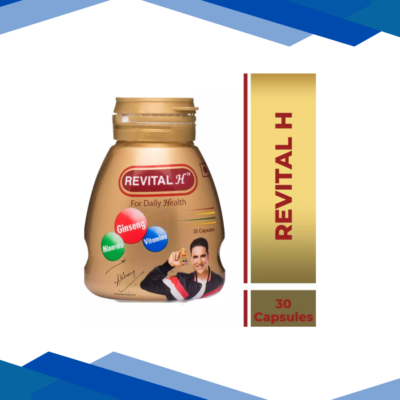
Revital Men Complete Multivitamin, 30 Capsules