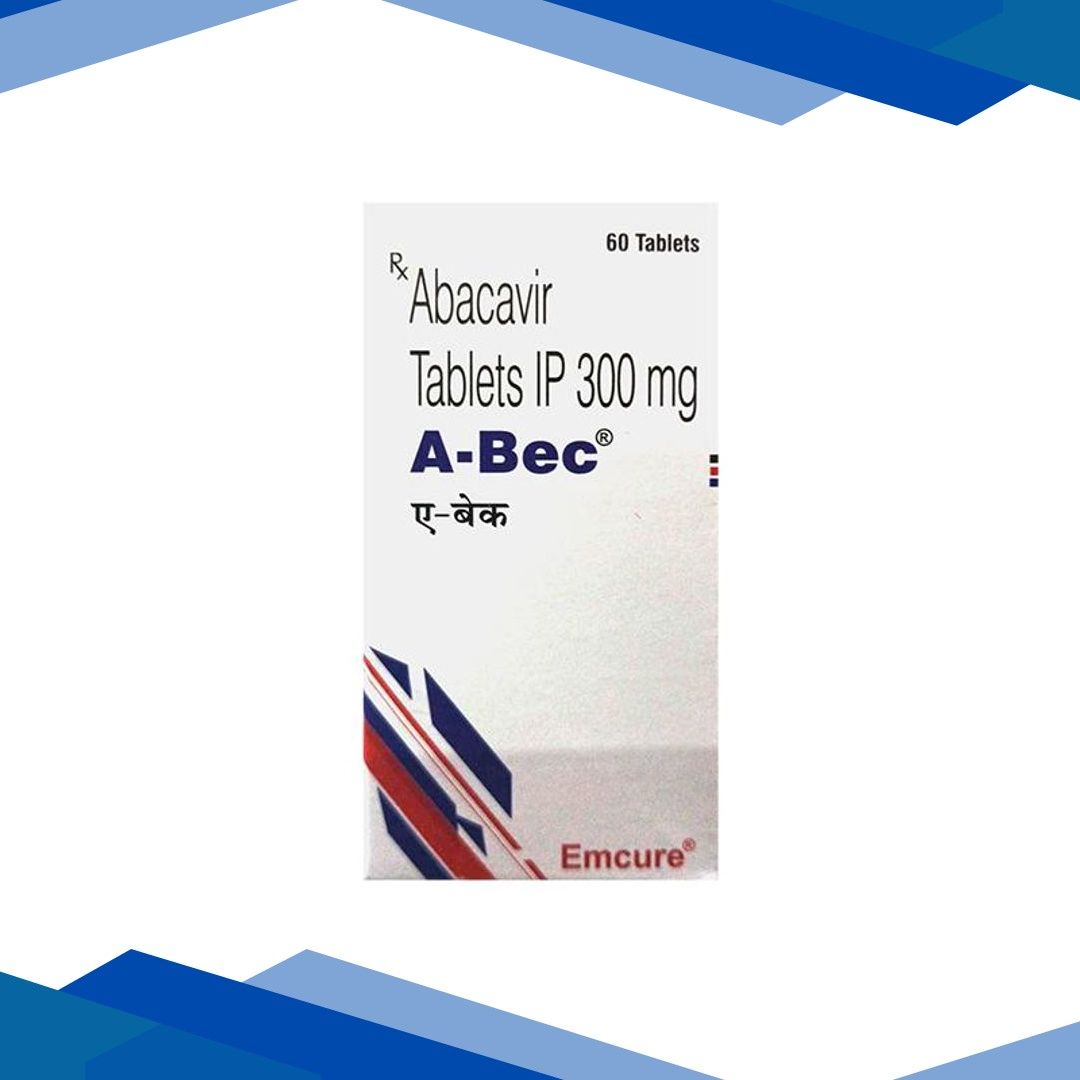
A BEC Tablet 60’s
A BEC Tablet is an antiretroviral medicine used to help control HIV infection. It belongs to a group of medicines that work by blocking an enzyme the virus needs to make copies of itself, which helps reduce the amount of HIV in the body and supports the immune system. A BEC Tablet does not cure HIV, but it can help lower the risk of HIV-related illness when used as part of a complete treatment plan prescribed by a healthcare professional. It is commonly used in adults and children as part of combination therapy for HIV. This medicine should be taken under medical supervision, as your doctor may monitor how well it is working and whether it is suitable for you.
Description
A BEC Tablet is an antiretroviral medicine used in the management of human immunodeficiency virus type 1, commonly known as hiv-1. it belongs to a class of medicines called nucleoside reverse transcriptase inhibitors, often shortened to nrtis. these medicines help slow the spread of hiv in the body by interfering with an enzyme the virus needs to multiply. by reducing viral replication, A BEC Tablet helps lower the amount of virus in the blood, supports immune system recovery, and decreases the risk of hiv-related complications when used as part of combination therapy.
this medicine is not a cure for hiv, and it does not eliminate the virus from the body. however, when taken correctly with other prescribed antiretroviral medicines, it can play an important role in long-term hiv treatment. it is generally used in adults and children under the guidance of a healthcare professional, depending on the treatment plan, age, weight, and overall health status. because hiv treatment requires careful combination therapy, A BEC Tablet is usually not used alone.
A BEC Tablet works by mimicking one of the building blocks the virus uses to make copies of its genetic material. once inside the body, it is converted into an active form that blocks reverse transcriptase, an enzyme hiv needs to reproduce. without this enzyme functioning properly, the virus cannot multiply efficiently. over time, this helps reduce the amount of virus circulating in the body and supports the immune system in fighting infections more effectively.
people who may benefit from A BEC Tablet are those diagnosed with hiv-1 infection as part of a prescribed antiretroviral regimen. it is important to understand that treatment choice depends on many factors, including prior treatment history, resistance patterns, kidney and liver function, and the presence of specific genetic risk markers. some people may need special testing before starting treatment because A BEC Tablet can cause a serious hypersensitivity reaction in susceptible individuals. for this reason, it should always be taken exactly as directed by a clinician familiar with hiv care.
ingredients
- A BEC Tablet: this is the active ingredient responsible for the medicine? antiviral action. it helps block hiv replication by inhibiting reverse transcriptase, thereby lowering viral activity and supporting combination treatment for hiv-1 infection.
- tablet or oral formulation ingredients: depending on the product, the medicine may also contain inactive components such as fillers, binders, coatings, and stabilizers. these ingredients do not treat hiv, but they help with tablet formation, stability, absorption, and ease of administration.
- film-coating or suspension base components: in some formulations, additional excipients may improve taste, swallowing, shelf life, or uniform mixing. these are product-specific and vary by manufacturer.
key uses
- hiv-1 treatment in combination therapy: A BEC Tablet is used as part of a multi-drug regimen to help control hiv-1 infection. using it with other antiretroviral medicines improves treatment effectiveness and helps reduce the chance of resistance.
- lowering viral load: it helps reduce the amount of hiv in the blood, which is an important treatment goal because lower viral load is linked with better immune health and improved long-term outcomes.
- supporting immune recovery: by controlling viral replication, A BEC Tablet can help the immune system recover or maintain function, which may reduce the risk of opportunistic infections over time.
- part of long-term hiv management: when prescribed appropriately, it contributes to chronic management of hiv and may be used in individualized treatment plans depending on tolerance, resistance, and clinical response.
how to use
A BEC Tablet should be taken exactly as prescribed by a healthcare professional and as part of a full hiv treatment plan. it is usually taken orally, with or without food, depending on the specific product and patient tolerance. consistency is very important, because missing doses can reduce effectiveness and may allow the virus to multiply more easily. taking the medicine at the same time each day can help maintain steady levels in the body and support adherence.
before starting A BEC Tablet, a clinician may order genetic testing for the hla-b*5701 marker to help predict the risk of hypersensitivity reaction. if this test is positive, A BEC Tablet is generally avoided. patients should also be carefully educated about warning symptoms of hypersensitivity. if these symptoms develop, the medicine should usually be stopped immediately and medical attention sought right away, as continuing the drug can be dangerous.
do not change the dose, stop the medicine, or restart it after a possible reaction unless specifically instructed by a healthcare professional. A BEC Tablet is often combined with other antiretroviral agents, and the full regimen should be followed carefully. if you are unsure how to take it, or if you have trouble swallowing tablets, ask a pharmacist or doctor for guidance on the correct formulation and administration method.
safety information
- warnings: A BEC Tablet can cause a serious and potentially life-threatening hypersensitivity reaction in some people. this reaction may involve fever, rash, nausea, vomiting, abdominal pain, diarrhea, tiredness, shortness of breath, cough, sore throat, or general malaise. symptoms often worsen with continued use. if hypersensitivity is suspected, the medicine should be stopped immediately and never restarted unless a healthcare professional confirms it is safe. a genetic test for hla-b*5701 is strongly recommended before treatment in many patients to reduce this risk.
- side effects: common side effects may include headache, nausea, vomiting, diarrhea, tiredness, insomnia, or reduced appetite. some people may also experience mild rash or dizziness. serious side effects, although less common, can include hypersensitivity reaction, liver problems, lactic acidosis, and worsening of hiv symptoms if treatment is stopped improperly. any signs of severe allergy, yellowing of the skin or eyes, unusual muscle pain, fast breathing, or severe weakness require urgent medical attention.
- precautions: A BEC Tablet should be used with caution in people with a history of allergy to A BEC Tablet or a previous hypersensitivity reaction to related medicines. it should also be used carefully in patients with liver disease, alcohol use disorder, or multiple medical conditions, since these may increase risk or complicate treatment. people should inform their healthcare provider about all medicines, supplements, and herbal products they use. do not take it without proper hiv specialist oversight, especially if you have never been tested for hla-b*5701.
- pregnancy/breastfeeding: A BEC Tablet may be used during pregnancy when the benefits outweigh the risks, but treatment decisions should be made by a healthcare professional experienced in hiv care. maintaining effective hiv treatment during pregnancy is important for the health of the parent and to reduce the risk of transmission. breastfeeding recommendations vary by country and clinical situation; people living with hiv should discuss feeding choices with their clinician because hiv can be transmitted through breast milk in many settings. always seek individualized medical advice.
- interactions: A BEC Tablet may interact with alcohol in some patients because alcohol can affect drug handling in the body and may worsen side effects such as nausea or liver-related concerns. inform your doctor about all prescription medicines, over-the-counter products, vitamins, and herbal supplements you take. while A BEC Tablet has fewer major interactions than some other medicines, it is still important to review the full hiv regimen and any other therapies. never start or stop any medicine without checking with your healthcare provider, as interactions can affect safety and treatment success.
additional information
- storage: store A BEC Tablet at room temperature in a dry place, away from excess heat, moisture, and direct light. keep it tightly closed in its original container if possible, and always out of reach of children and pets. follow the storage instructions on the product label, since formulations may vary.
- missed dose: if a dose is missed, take it as soon as you remember unless it is almost time for the next scheduled dose. if it is nearly time for the next dose, skip the missed one and continue the regular dosing schedule. do not take extra medicine to make up for a missed dose unless directed by a healthcare professional.
- overdose: taking too much A BEC Tablet may increase the chance of side effects such as nausea, vomiting, headache, dizziness, or other unusual symptoms. if an overdose is suspected, seek medical help immediately or contact poison control services right away. bring the medicine package or label with you if you need emergency care.
- habit forming: no. A BEC Tablet is not considered habit forming or addictive. however, it must be taken regularly and consistently because hiv treatment depends on ongoing adherence, not because the medicine causes dependence.
frequently asked questions
Q: what is A BEC Tablet used for?
A: A BEC Tablet is used as part of combination therapy to treat hiv-1 infection. it helps reduce the amount of virus in the body and supports immune system health, but it is not a cure for hiv.
Q: can A BEC Tablet be taken alone?
A: no. A BEC Tablet is generally used with other antiretroviral medicines. hiv treatment usually requires combination therapy to work effectively and reduce the risk of resistance.
Q: why is hla-b*5701 testing important before A BEC Tablet?
A: this test helps identify people at higher risk of a serious hypersensitivity reaction to A BEC Tablet. a positive result usually means the medicine should be avoided.
Q: what are the signs of A BEC Tablet hypersensitivity?
A: common warning signs include fever, rash, nausea, vomiting, diarrhea, abdominal pain, tiredness, shortness of breath, cough, or sore throat. if these happen, stop the medicine and seek medical attention immediately.
Q: can i restart A BEC Tablet after an allergic reaction?
A: no. if a hypersensitivity reaction is suspected or confirmed, A BEC Tablet should not be restarted unless a qualified healthcare professional specifically advises it after careful evaluation.
Q: does A BEC Tablet cure hiv?
A: no. A BEC Tablet helps control hiv-1 when used correctly with other medicines, but it does not cure the infection or remove the virus from the body.
Q: can A BEC Tablet be taken with food?
A: A BEC Tablet is often taken with or without food, but you should follow the specific instructions for your product and your clinician's advice if stomach upset occurs.
Q: what should i do if i miss a dose?
A: take it when you remember unless it is almost time for the next dose. if the next dose is close, skip the missed dose and return to your regular schedule. do not double up.
Q: what are the most common side effects?
A: common side effects may include nausea, headache, diarrhea, fatigue, dizziness, or trouble sleeping. many people tolerate the medicine well, but side effects should be reported if persistent or bothersome.
Q: is A BEC Tablet safe during pregnancy?
A: it may be used during pregnancy when clinically appropriate, but the decision should be individualized by a healthcare professional experienced in hiv treatment.
Q: can alcohol be taken with A BEC Tablet?
A: alcohol may worsen certain side effects or complicate liver-related concerns in some patients. it is best to discuss alcohol use with a healthcare professional while taking A BEC Tablet.
Q: does A BEC Tablet cause addiction?
A: no, A BEC Tablet is not addictive or habit forming. it is a long-term antiviral medicine that should be taken consistently as part of an hiv treatment plan.
Q: who should avoid A BEC Tablet?
A: people with a previous hypersensitivity reaction to A BEC Tablet should avoid it. it may also be unsuitable for individuals with a positive hla-b*5701 test or those whose clinician advises against its use for medical reasons.
Q: should A BEC Tablet be stopped if i develop rash?
A: a rash may be a sign of a serious reaction, especially if it occurs with other symptoms like fever or nausea. contact a healthcare professional promptly for advice before taking another dose.
Q: can A BEC Tablet interact with other medicines?
A: yes, it can interact with some medicines and substances, including alcohol in certain situations. always provide a full list of your medicines, supplements, and herbal products to your healthcare provider.
Q: what happens if i stop A BEC Tablet suddenly?
A: stopping hiv medicines without guidance can allow the virus to multiply and may worsen health outcomes. if A BEC Tablet needs to be stopped, it should be done under medical supervision.
Q: how long does A BEC Tablet take to work?
A: it begins affecting viral replication after use, but clinical benefits are assessed over time through viral load and immune system monitoring. the full treatment effect depends on regular use and the complete regimen.
Q: can children take A BEC Tablet?
A: A BEC Tablet may be used in children in appropriate formulations and under specialist guidance. the dose and suitability depend on age, weight, and medical history.
Q: is routine monitoring needed while taking A BEC Tablet?
A: yes. people taking A BEC Tablet usually need regular follow-up to monitor hiv control, side effects, and overall treatment response, and to ensure the medicine remains appropriate and safe.
[/faqs_dbm]
this information is for educational purposes only and should not be considered medical advice. always consult a qualified healthcare professional before use.
At Gem Pharmacy, we make every effort to provide accurate, expert-written, and thoroughly reviewed information related to medicines. However, this information should not be considered a substitute for professional medical advice, diagnosis, or treatment from a qualified doctor.
The purpose of this information is to educate users and improve communication between patients and healthcare professionals. It should not be used to diagnose or treat any condition.
Always consult a certified healthcare professional before taking any medication.


Related products