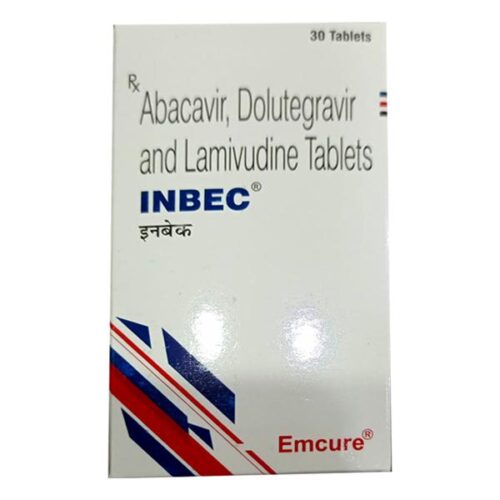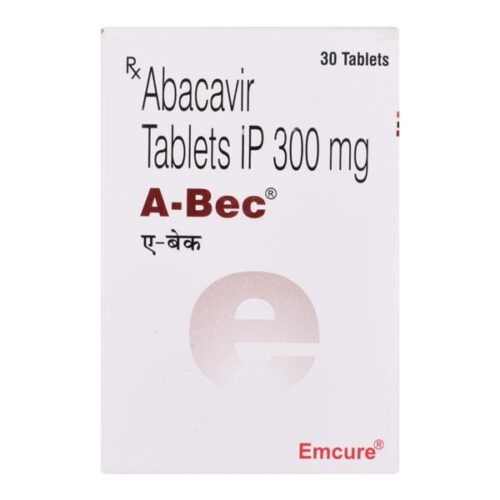


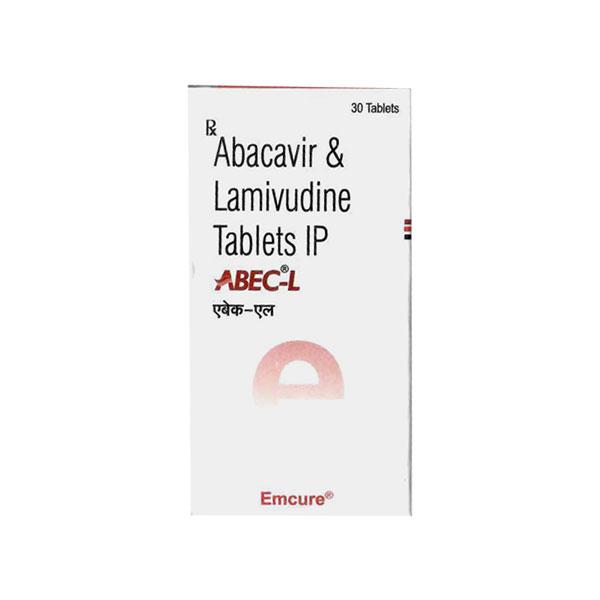
ABEC L Tablet 30’s
No Prescription yet? Don’t worry! Click Here to Get Online Consultation
Abacavir is an antiretroviral medication used in the treatment of HIV infection. It belongs to the class of nucleoside reverse transcriptase inhibitors (NRTIs) and works by preventing the virus from multiplying in the body. This helps reduce viral load and improves immune system function. For more details kindly click on Medicine Salts below:
Abacavir
Lamivudine
Lamivudine - Modern-Day Antiviral Therapy for HIV and Hepatitis B
Lamivudine is the highly therapeutic nucleoside reverse transcriptase inhibitor (NRTI) pivotal to the field of Modern Antiviral Pharmacology, used primarily in the management of long-standing Human Immunodeficiency Virus (HIV) infection and Chronic Hepatitis B (HBV) infection. By striking against the viral replication process, Lamivudine stifles the virus's activation in the body, thus allowing further capacity for the benefits of an effective immune system.
Indications and Usage in Clinical Medicine
Acquired Immunodeficiency Syndrome (AIDS) from HIV-1 Infection: Administered with other forms of antiretrovirals in a "cocktail" or in highly active antiretroviral therapy (HAART) to check HIV progression.
Chronic Hepatitis B: Effectively reduces viral load, lessens liver damage, and minimizes risk of cirrhosis or liver cancer.
Prophylaxis: Sometimes used postexposure to reduce the risk of infection after potential exposure to the virus.
How Lamivudine Works
Lamivudine is a prodrug meaning that it is metabolized into an active form—Lamivudine triphosphate—when it enters cells in the body. This medicine replicates the natural ingredients found in viral DNA. When the virus tries to replicate, Lamivudine gets incorporated into its DNA chain mistakenly. This resort instantaneously acts as chain terminator to the viral DNA being made, and that stops the proliferation of the virus.
Dosing and Administration Guidelines:
The value of Appropriate Adherence: Verified adherence. A consistent administration of an antiviral drug is crucial; missing doses puts you at risk of causing viral escape, where virus resistance can make further strategic use of the drugs less effective.
Adjustment of Doses: Administration of Lamivudine with a meal or without a meal provided no significant effect. However, taking it at the same time each day is crucial to keep the plasma level stable.
Function Monitoring: Since most of the elimination is renal, the duty of examining how your kidney is functioning will routinely fall upon your doctor. This implies performing periodic renal function tests (clearance of creatinine).
Frequently Asked Questions for Lamivudine (FAQs)
Q. Is Lamivudine a cure for HIV or Hepatitis B?
A. No. Lamivudine is a treatment, but not a cure. It regulates the virus, preventing it from replicating further, enabling a lifelong lifeline and reducing the risk of transmission to others. You have to continue taking the medicine as long as recommended by your doctor.
Q. Can I take Lamivudine if I have both HIV and Hepatitis B?
A. Certainly, but the drug dose and monitoring are different for 'coinfected' individuals. Make sure your doc knows you have both conditions when a drug called Lamivudine is discontinued abruptly, it can instigate a severe flare-up of Hepatitis B.
Q. What are the most common side effects?
A. Most patients plan effective use of Lamivudine. Some may have a headache or nausea, fatigue, or a cough. If you notice muscle soreness in an unusual way, confusion of any kind, or yellowish eyes (jaundice), there is an urgent need to attend your medical provider.
Q. Can I take Lamivudine if I am pregnant?
A. Usually, Lamivudine is used right during pregnancy to avert HIV transmission to the child. Nonetheless, treatment plans significantly depend on the individual. Be sure to communicate with your obstetrician and infectious disease specialist.
Q. Does Lamivudine interact with other drugs?
A. The answer is yes. For instance, when taken in conjunction with Trimethoprim/Sulfamethroxazole (for infections) and Emtricitabine (another antiviral), Lamivudine produces adverse effects. Make sure to inform your pharmacist concerning any and all medications, prescriptions, and supplements you are currently taking.
Resume of Safety and Adverse Reactions
Adverse ReactionIncidence Action Required
Vomiting/nausea Occasional Try taking with a snack to minimize stomach discomfort.
Fatigue / malaise Frequent Most commonly, these improve as the body adjusts to therapy.
Lactic Acidosis Very rare Seek medical care at once if extremely rapid and deep breathing or profound weakness occurs.
Pancreatitis Rare Seek professional consultation if severe upper abdominal pain appears.
Warning for Patient Safety
Liver Function: Regular tests (l-function tests) are obligatory to monitor liver enzymes both during and post-therapy.
General Recommendation:
Liver Function: Regular tests (l-function tests) are obligatory to monitor liver enzymes both during and post-therapy.
Bone Density: NRTIs: Osteopenia; infrequently osteoporosis may occur; ensure adequate intake of calcium. Nonetheless, these high incidences have been linked more to older medications such as stavudine.
Immune reconstitution inflammatory syndrome (IRIS): as your immune gets stronger, it may attack any hidden infections all of a sudden; report any fever or signs of inflammation whatsoever to your clinic at once.
At Gem Pharmacy, we make every effort to provide accurate, expert-written, and thoroughly reviewed information related to medicines. However, this information should not be considered a substitute for professional medical advice, diagnosis, or treatment from a qualified doctor.
The purpose of this information is to educate users and improve communication between patients and healthcare professionals. It should not be used to diagnose or treat any condition.
Always consult a certified healthcare professional before taking any medication.


Related products
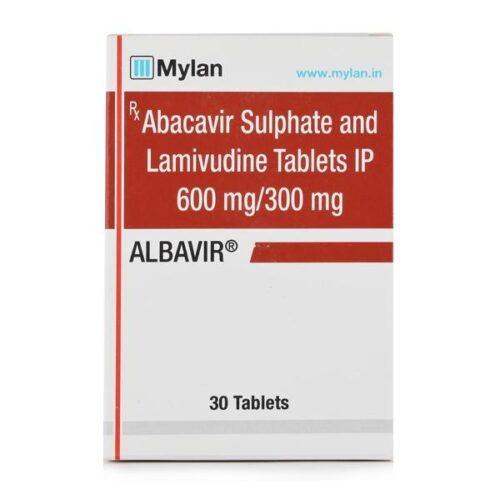
Albavir 600mg Tablet 30’S