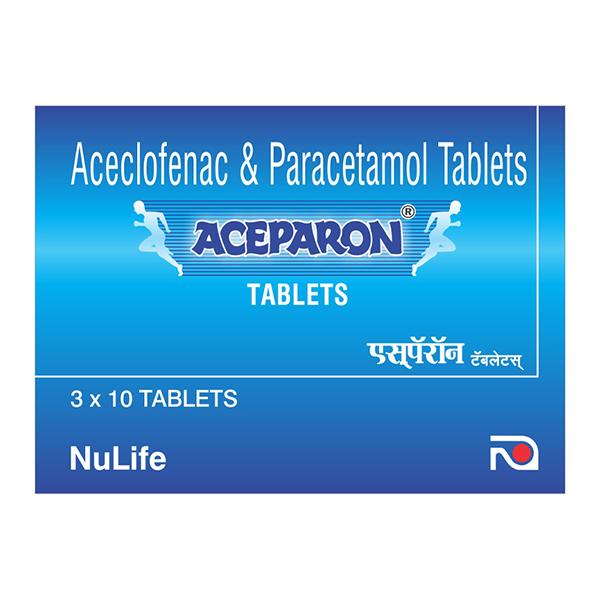
ACEPARON Tablet 10’s
❌ Due to high demand, this product is currently out of stock. New stock will be available shortly.
👉 Click here to Buy Same Salt medicine
No Prescription yet? Don’t worry! Click Here to Get Online Consultation
ACEPARON Tablet is a combination medicine commonly used to relieve pain, inflammation, and fever associated with various conditions such as arthritis, musculoskeletal disorders, back pain, dental pain, and other painful inflammatory conditions. Aceclofenac belongs to the non-steroidal anti-inflammatory drug (NSAID) group and works by reducing the production of substances in the body that cause pain and swelling. Paracetamol enhances pain relief and helps lower fever by acting on the body’s temperature-regulating and pain-perception centers. Together, these ingredients provide effective symptomatic relief, helping improve comfort and mobility. This medicine is generally used under medical supervision to ensure safe and appropriate treatment based on an individual’s health condition.
Description
“`html
ACEPARON Tablet is a widely prescribed combination medicine used for the management of pain, inflammation, and fever associated with various acute and chronic medical conditions. this combination brings together two well-established therapeutic agents that work through different mechanisms to provide effective symptom relief. it is commonly recommended for individuals experiencing musculoskeletal pain, joint disorders, dental pain, postoperative discomfort, traumatic injuries, and other inflammatory conditions where both pain control and reduction of inflammation are required.
aceclofenac belongs to the class of medicines known as non-steroidal anti-inflammatory drugs (nsaids). it works by inhibiting the production of certain chemical messengers called prostaglandins that are responsible for causing pain, inflammation, swelling, and stiffness in the body. by reducing prostaglandin synthesis, aceclofenac helps improve mobility and decreases discomfort associated with inflammatory conditions. it is particularly valued for its effectiveness in treating rheumatic and orthopedic disorders.
paracetamol, also known as acetaminophen, is a well-known analgesic and antipyretic agent. it helps reduce pain and fever by acting on specific areas of the brain involved in temperature regulation and pain perception. unlike many nsaids, paracetamol has minimal anti-inflammatory activity but provides reliable relief from mild to moderate pain and elevated body temperature. when combined with aceclofenac, it enhances overall pain relief and contributes to improved patient comfort.
the combination of ACEPARON Tablet offers a synergistic approach to pain management. while aceclofenac addresses inflammation and its associated symptoms, paracetamol provides additional analgesic and antipyretic benefits. this dual-action mechanism makes the medicine useful for a broad range of painful conditions affecting muscles, bones, joints, ligaments, and soft tissues. it is generally prescribed under medical supervision and should be used according to healthcare professional recommendations to ensure safe and effective treatment.
ingredients
- aceclofenac: aceclofenac is a non-steroidal anti-inflammatory drug (nsaid) that helps reduce inflammation, pain, swelling, and stiffness. it works by blocking cyclooxygenase (cox) enzymes involved in prostaglandin production. this action helps relieve symptoms associated with arthritis, musculoskeletal injuries, dental pain, and various inflammatory disorders. aceclofenac is known for providing effective pain control while helping improve physical function and mobility.
- paracetamol: paracetamol is an analgesic and antipyretic medication that helps reduce pain and fever. it acts primarily within the central nervous system by influencing pain pathways and temperature-regulating centers in the brain. paracetamol enhances the pain-relieving effects of aceclofenac and provides additional comfort in conditions associated with fever or generalized body aches.
key uses
- osteoarthritis: helps reduce joint pain, stiffness, tenderness, and inflammation associated with degenerative joint disease, improving mobility and daily functioning.
- rheumatoid arthritis: provides relief from inflammatory joint pain, swelling, and morning stiffness commonly experienced by individuals with autoimmune arthritis.
- ankylosing spondylitis: helps manage chronic inflammation and pain affecting the spine and large joints, allowing better movement and flexibility.
- musculoskeletal pain: effective for pain involving muscles, tendons, ligaments, and soft tissues caused by strain, overuse, or injury.
- back pain: helps relieve acute and chronic lower back pain associated with muscle spasm, inflammation, or mechanical stress.
- neck pain: useful in reducing discomfort, inflammation, and stiffness affecting the cervical region.
- dental pain: frequently used to manage toothache, gum inflammation, and pain following dental procedures.
- postoperative pain: helps reduce pain and inflammation after minor surgical interventions when prescribed by a healthcare professional.
- sports injuries: assists in managing pain and swelling associated with sprains, strains, ligament injuries, and soft tissue trauma.
- traumatic injuries: provides symptomatic relief from pain and inflammation resulting from minor accidents and injuries.
- fever associated with painful conditions: the paracetamol component helps lower elevated body temperature while simultaneously relieving discomfort.
- general body pain: helps alleviate widespread body aches associated with inflammatory and painful conditions.
how to use
ACEPARON Tablet should be used exactly as directed by a qualified healthcare professional. the medicine is generally taken orally with water and is often recommended after food to minimize the risk of stomach irritation that may occur with nsaid-containing medications. swallow the tablet whole unless otherwise advised by a healthcare provider.
patients should follow the prescribed treatment duration and avoid taking more than the recommended amount. using the medicine for prolonged periods without medical supervision may increase the risk of adverse effects, particularly those involving the gastrointestinal tract, liver, kidneys, or cardiovascular system. if symptoms persist, worsen, or recur frequently, medical evaluation is necessary to identify and address the underlying cause.
to achieve the best therapeutic outcomes, patients are encouraged to maintain regular dosing intervals when prescribed for ongoing conditions. missing doses or inconsistent use may reduce effectiveness. the medicine should not be shared with others, even if symptoms appear similar, as individual medical conditions and risk factors may differ significantly.
safety information
- warnings: this medicine should be used cautiously in individuals with a history of stomach ulcers, gastrointestinal bleeding, liver disease, kidney impairment, heart disease, high blood pressure, or bleeding disorders. long-term or excessive use may increase the risk of gastrointestinal complications, kidney dysfunction, and cardiovascular events. patients should seek immediate medical attention if they experience black stools, severe abdominal pain, vomiting blood, chest pain, or unusual swelling.
- side effects: common side effects may include nausea, indigestion, stomach discomfort, heartburn, diarrhea, constipation, dizziness, headache, and mild skin reactions. although uncommon, serious side effects can occur, including gastrointestinal bleeding, severe allergic reactions, liver injury, kidney problems, fluid retention, breathing difficulties, and severe skin disorders. medical attention should be sought if serious symptoms develop.
- precautions: individuals with asthma, liver disorders, kidney disease, gastric ulcers, inflammatory bowel disease, cardiovascular disease, or known allergy to nsaids should inform their healthcare provider before using this medicine. regular monitoring may be required in patients receiving long-term treatment.
- pregnancy/breastfeeding: use during pregnancy should only occur if clearly recommended by a healthcare professional. nsaids are generally avoided during the later stages of pregnancy due to potential risks to the developing baby. breastfeeding mothers should consult their physician before use to evaluate potential benefits and risks.
- interactions: ACEPARON Tablet may interact with anticoagulants, antiplatelet medicines, corticosteroids, antihypertensive drugs, diuretics, methotrexate, lithium, certain antidepressants, and other nsaids. concurrent use with alcohol may increase the risk of liver damage and stomach irritation. patients should inform healthcare providers about all medications, supplements, and herbal products they are taking.
- liver health: excessive intake of paracetamol can cause serious liver injury, especially in individuals with pre-existing liver disease or those who consume alcohol regularly. patients should avoid taking additional paracetamol-containing products unless approved by a healthcare professional.
- kidney function: prolonged use of nsaids may affect kidney function, particularly in elderly patients and those with dehydration, heart failure, or existing kidney disease.
- elderly patients: older adults may be more susceptible to gastrointestinal bleeding, kidney impairment, and cardiovascular complications and may require closer medical supervision.
additional information
- storage: store the medicine in a cool, dry place away from direct sunlight, moisture, and excessive heat. keep it in its original packaging and out of the reach of children and pets.
- missed dose: if a dose is missed, take it as soon as remembered unless it is almost time for the next scheduled dose. do not take two doses together to compensate for a missed dose.
- overdose: overdose can be dangerous, particularly because excessive paracetamol intake may cause severe liver damage that may not be immediately apparent. symptoms may include nausea, vomiting, abdominal pain, confusion, excessive sweating, dizziness, or jaundice. immediate medical attention is essential if an overdose is suspected.
- habit forming: no. ACEPARON Tablet is not considered habit-forming and does not cause physical dependence or addiction when used as prescribed.
- monitoring: patients receiving long-term therapy may require periodic assessment of liver function, kidney function, blood counts, and overall clinical response.
- driving and machinery: some individuals may experience dizziness, drowsiness, or visual disturbances. patients should avoid driving or operating machinery if these effects occur.
- duration of use: the medicine should be used for the shortest duration necessary to control symptoms while following medical guidance.
frequently asked questions
Q: what is ACEPARON Tablet used for?
A: ACEPARON Tablet is used to relieve pain, inflammation, swelling, stiffness, and fever associated with conditions such as arthritis, back pain, dental pain, musculoskeletal injuries, and postoperative discomfort.
Q: how does ACEPARON Tablet work?
A: aceclofenac reduces inflammation and pain by blocking prostaglandin production, while paracetamol helps relieve pain and reduce fever by acting on pain and temperature-regulating centers in the brain.
Q: can ACEPARON Tablet be taken for arthritis?
A: yes. it is commonly prescribed for osteoarthritis, rheumatoid arthritis, and ankylosing spondylitis to reduce pain, swelling, and stiffness while improving mobility.
Q: can this medicine reduce fever?
A: yes. the paracetamol component helps lower elevated body temperature and relieve associated discomfort.
Q: should ACEPARON Tablet be taken with food?
A: it is often recommended to take the medicine after meals to reduce the possibility of stomach irritation caused by the nsaid component.
Q: can i consume alcohol while taking ACEPARON Tablet?
A: alcohol consumption is generally discouraged because it may increase the risk of stomach bleeding and liver-related complications.
Q: is ACEPARON Tablet safe for elderly patients?
A: it may be used in elderly individuals under medical supervision, but closer monitoring is often necessary due to an increased risk of side effects.
Q: can i take other painkillers with ACEPARON Tablet?
A: patients should consult a healthcare professional before combining it with other pain medicines, particularly nsaids or paracetamol-containing products.
Q: what should i do if i miss a dose?
A: take the missed dose when remembered unless it is nearly time for the next dose. do not double the dose to compensate.
Q: can this medicine cause stomach problems?
A: yes. some individuals may experience indigestion, heartburn, nausea, stomach pain, or, rarely, gastrointestinal bleeding.
Q: can ACEPARON Tablet affect the liver?
A: excessive use or overdose may cause liver injury, particularly due to the paracetamol component. patients should avoid exceeding prescribed limits.
Q: can patients with kidney disease use this medicine?
A: patients with kidney disease should consult their healthcare provider before use, as nsaids may affect kidney function.
Q: is ACEPARON Tablet habit-forming?
A: no. the medicine does not cause addiction or dependence when used appropriately.
Q: can this medicine be used for dental pain?
A: yes. it is frequently prescribed to manage toothache and pain associated with dental procedures.
Q: when should i seek immediate medical attention?
A: seek urgent medical care if you experience severe allergic reactions, breathing difficulty, black stools, vomiting blood, jaundice, severe abdominal pain, or symptoms of overdose.
this information is for educational purposes only and should not be considered medical advice. always consult a qualified healthcare professional before use.
“`
At Gem Pharmacy, we make every effort to provide accurate, expert-written, and thoroughly reviewed information related to medicines. However, this information should not be considered a substitute for professional medical advice, diagnosis, or treatment from a qualified doctor.
The purpose of this information is to educate users and improve communication between patients and healthcare professionals. It should not be used to diagnose or treat any condition.
Always consult a certified healthcare professional before taking any medication.


Related products