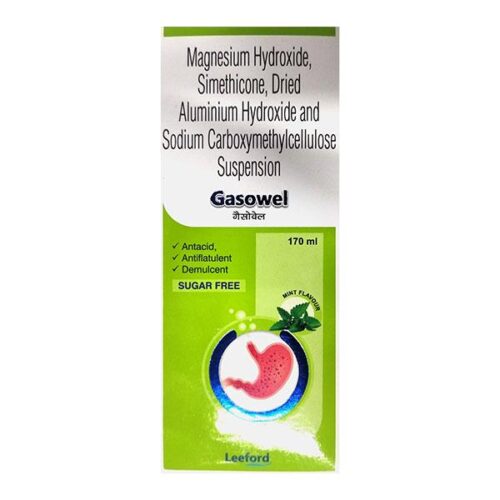
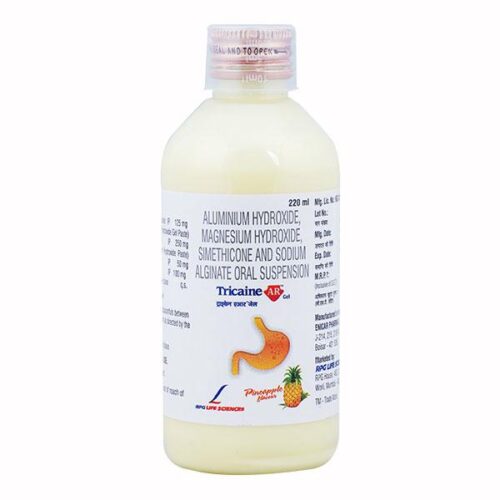
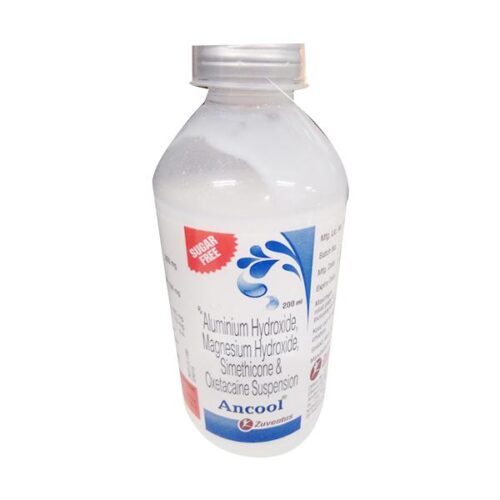
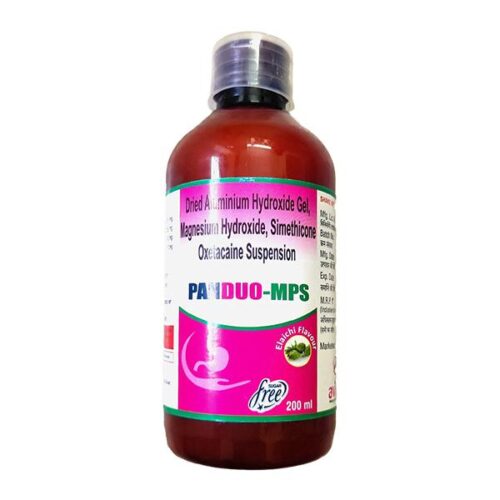
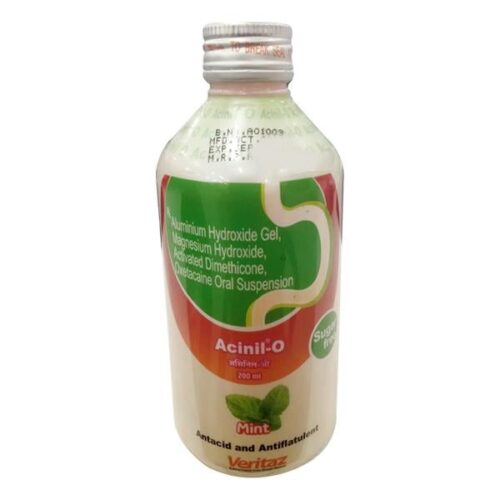
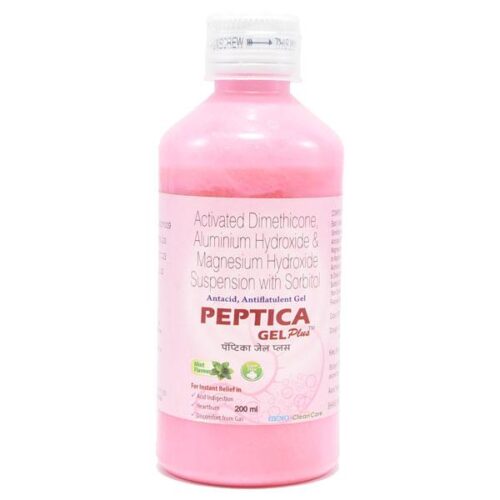
Magnesium Hydroxide
Magnesium Hydroxide
OVERVIEW
A medication used to temporarily relieve constipation and heartburn
CLASSIFICATION
saline laxatives.
USES
As an Antacid: Magnesium hydroxide neutralizes excess stomach acid by reacting with hydrochloric acid in the stomach, forming magnesium chloride and water. This reaction raises the stomach’s pH, reducing acidity and providing relief from heartburn and indigestion.As a Laxative: When taken in higher doses, magnesium hydroxide draws water into the intestines through an osmotic effect. This increased water content softens stool and stimulates bowel movements, typically within 30 minutes to six hours.
HOW IT WORKS
Magnesium Hydroxide works by neutralizing stomach acid, which helps relieve heartburn, indigestion, and upset stomach. It also draws water into the intestines, softening the stool and making bowel movements easier, so it can act as a gentle laxative.
DOSAGE
As directed by the physician
PRECAUTIONS
Heartburn vs Heart Attack
Heartburn (GERD) is a digestive issue where stomach acid irritates the esophagus, causing:
A burning sensation in the chest, often after eating.
A sour or bitter taste in the mouth.
Pain that may worsen when lying down or bending over.
Heart Attack symptoms can include:
Pressure, tightness, or squeezing in the chest.
Pain radiating to the shoulders, neck, jaw, or back.
Shortness of breath, nausea, cold sweat, or lightheadedness.
Symptoms may occur suddenly, often without a clear trigger.
If you’re unsure whether it’s heartburn or a heart attack, it’s essential to seek medical attention immediately.
When to Be Extra Cautious
Before taking antacids like magnesium hydroxide (Milk of Magnesia), consult a healthcare provider if you have:
Kidney disease or a history of kidney stones: Antacids can affect kidney function and electrolyte balance.
Severe constipation: Some antacids can worsen constipation.
Dehydration: Dehydration can affect how your body processes medications.
Frequent alcohol consumption: Alcohol can interact with medications and exacerbate side effects.
Always follow dosing instructions and consult a healthcare professional if you have concerns.
Bottom Line
If you experience chest pain or discomfort and are uncertain of the cause, it’s better to err on the side of caution. Seek medical attention promptly to ensure your safety.
SIDE EFFECTS
The medicine may cause serious side effects. Stop using the medicine and call your doctor at once if you have:
severe stomach pain or constipation, loss of appetite;
pain when you urinate;
muscle weakness, tiredness;
extreme drowsiness; or
bloody or tarry stools, coughing up blood or vomit that looks like coffee grounds.
DISCLAIMER
This content is for informational purposes only. Always consult a healthcare provider for medical advice and proper dosage
Simethicone
Simethicone
OVERVIEW
Simethicone is a widely used over-the-counter remedy designed to alleviate the discomfort associated with excessive gas in the stomach and intestines. Commonly found in products like Gas-X, Mylicon, and Phazyme, simethicone is known for its gentle and effective action in relieving bloating, belching, and feelings of pressure
CLASSIFICATION
An antiflatulent
USES
Simethicone is the major active ingredient in most anti-gas medications and works by serving as an anti-foaming agent. It lowers the surface tension of gas bubbles in your baby’s stomach and intestines, so they can join together into bigger bubbles that are easier to pass. This natural process relieves bloating and discomfort.
HOW IT WORKS
When you digest, swallow air, or eat gas-producing foods, bubble gas is created in your gut. In our stomachs, these bubbles can lead to gas, pain, and gastrointestinal distress.
Simethicone essentially just acts to pop these gas bubbles by breaking down the surface tension. This decrease in surface tension lets smaller gas bubbles come together to form larger ones, which can be belched or farted out with greater efficiency. With the help of this process, bloating and discomfort is alleviated.
Most notably, simethicone doesn’t prevent gas from building up, relax muscle spasms, or cure upset stomach. It just helps your body expel excess gas more effectively. That makes it an effective natural remedy for bloating and discomfort caused by gas accumulation.
DOSAGE
As directed by the physician
PRECAUTIONS
When Not to Use Simethicone
Before using simethicone, it’s important to consider the following:
Allergy Alert: If you’re allergic to simethicone or any of its ingredients, avoid using it. Symptoms of an allergic reaction can include rash, itching, swelling (especially of the face/tongue/throat), severe dizziness, or trouble breathing.
Medical Conditions: If you have any serious health issues, particularly those affecting your stomach or intestines, consult your doctor before using simethicone.
Pregnancy and Breastfeeding: Simethicone is generally considered safe during pregnancy and breastfeeding, as it doesn’t get absorbed into the bloodstream and isn’t expected to harm a developing baby or nursing infant
SIDE EFFECTS
Simethicone is generally safe when used as directed. However, some people may experience mild side effects:
Nausea: Some individuals may feel slightly nauseous.
Diarrhea: Mild diarrhea can occur, though it’s less common than constipation.
Constipation: In rare cases, simethicone may cause constipation. To help alleviate this, ensure you’re drinking plenty of water and staying active.
Most of these side effects are temporary and usually resolve on their own without the need for medical intervention.
Rare but Serious Side Effects
Although uncommon, some individuals may experience allergic reactions to simethicone. Seek immediate medical attention if you notice symptoms such as:
Rash
Itching or swelling, especially of the face, tongue, or throat
Severe dizziness
Difficulty breathing
These reactions are rare, but it’s important to be aware of them.
DISCLAIMER
This content is for informational purposes only. Always consult a healthcare provider for medical advice and proper dosage
Sodium Alginate
SODIUM ALGINATE
Overview:
Sodium alginate is a natural derivative obtained on brown algae, which people use to treat acid reflux and heartburn. It is effective because this gel-like film floats at the surface of your stomach contents, and it recognizes itself as another barrier. This prevents the splashing of acid back up your food pipe, which makes the burning sensation weaker. It is mild, quick acting and usually administered with antacids so that it bites more easily.
Classification:Alginates(mucosal protectants)
Uses:
Sodium alginate is used in treating acid reflux and heartburn and forms a cover so as to restrict the stomach acid regurgitating back into the throat. It is also known to treat the symptoms of GERD (gastroesophageal reflux disease) and it may also be present as a wound dressing and as a natural stabilizer or thickener in food products.
How it works:
Sodium alginate reacts with the stomach acid forming a gel-like raft that floats on top of the gastric composition. It is a mechanical barrier and this so-called raft protects the acidic contents so they do not reflux back up into the esophagus. It is not like antacids, which inhibit the formation of more acid as the mechanism of action of this drug is to barricade the acid chemically, thus relieving pain associated with heartburn and acid reflux.
Dosage: As prescribed by your doctor.
Side Effects:
Bloating
Nausea (rare)
Gas
Constipation or diarrhea
Allergic reactions– such as rash or itching
Precautions:In case you are using sodium alginate medication, inform your doctor whether you are on a low salt diet, because certain groups of this type of medication have an added salt ingredient. You should also discuss it with your doctor when you are pregnant or when you are nursing babies as well just to ensure that it is safe to do so. And remember to tell some details about other medications or supplements that you take, as they also may conflict with it.
Disclaimer: This content is for informational purposes only. Always consult a healthcare provider for medical advice and proper dosage.