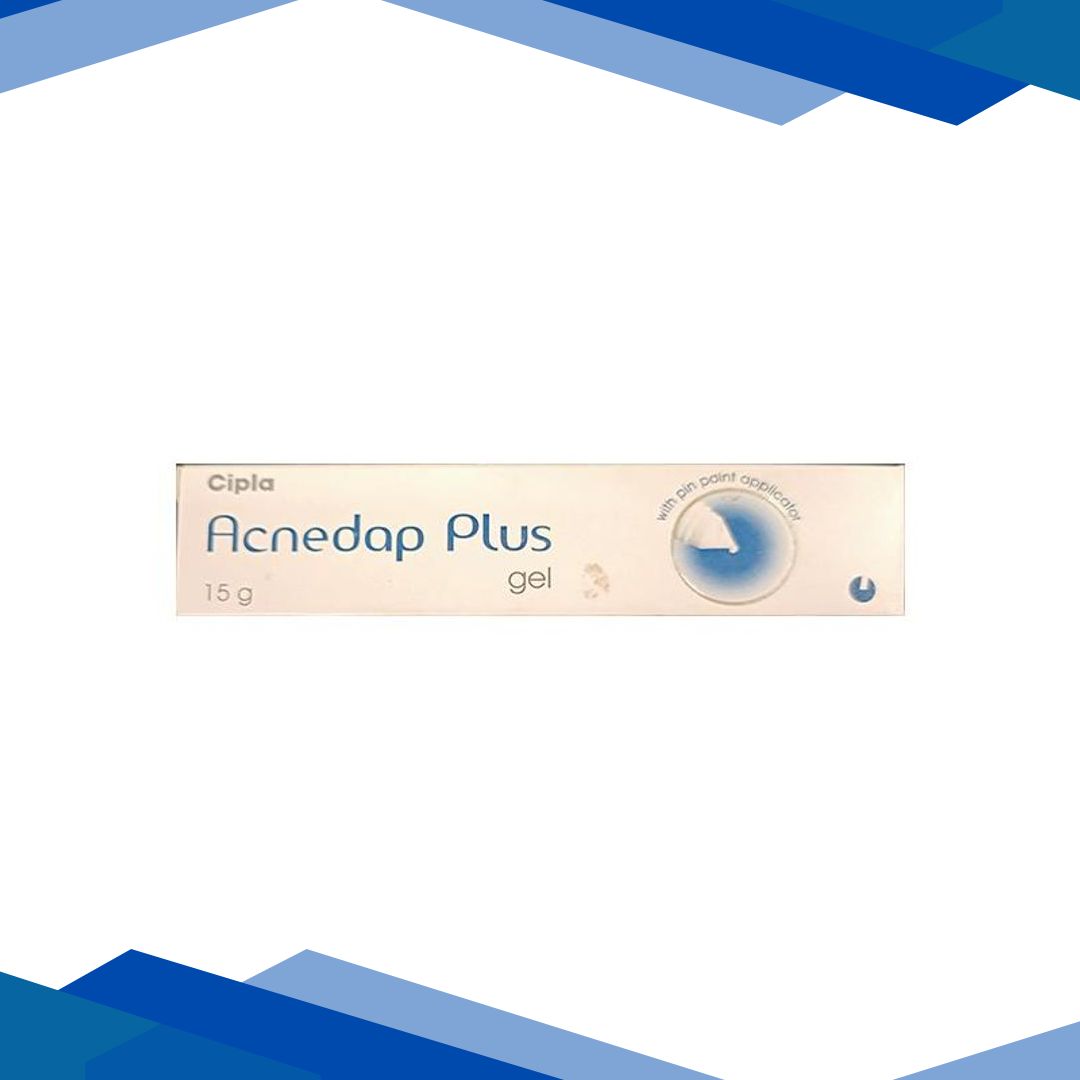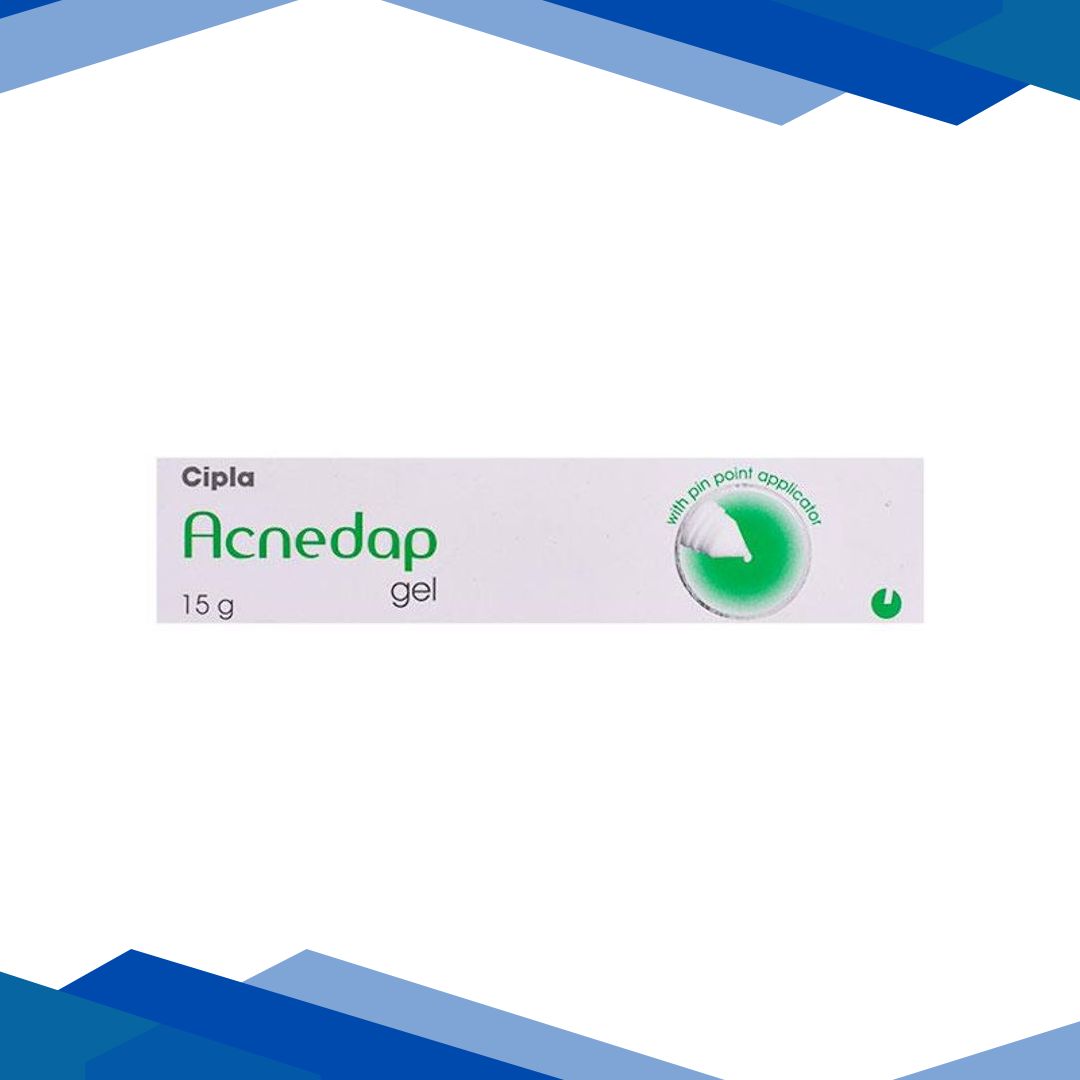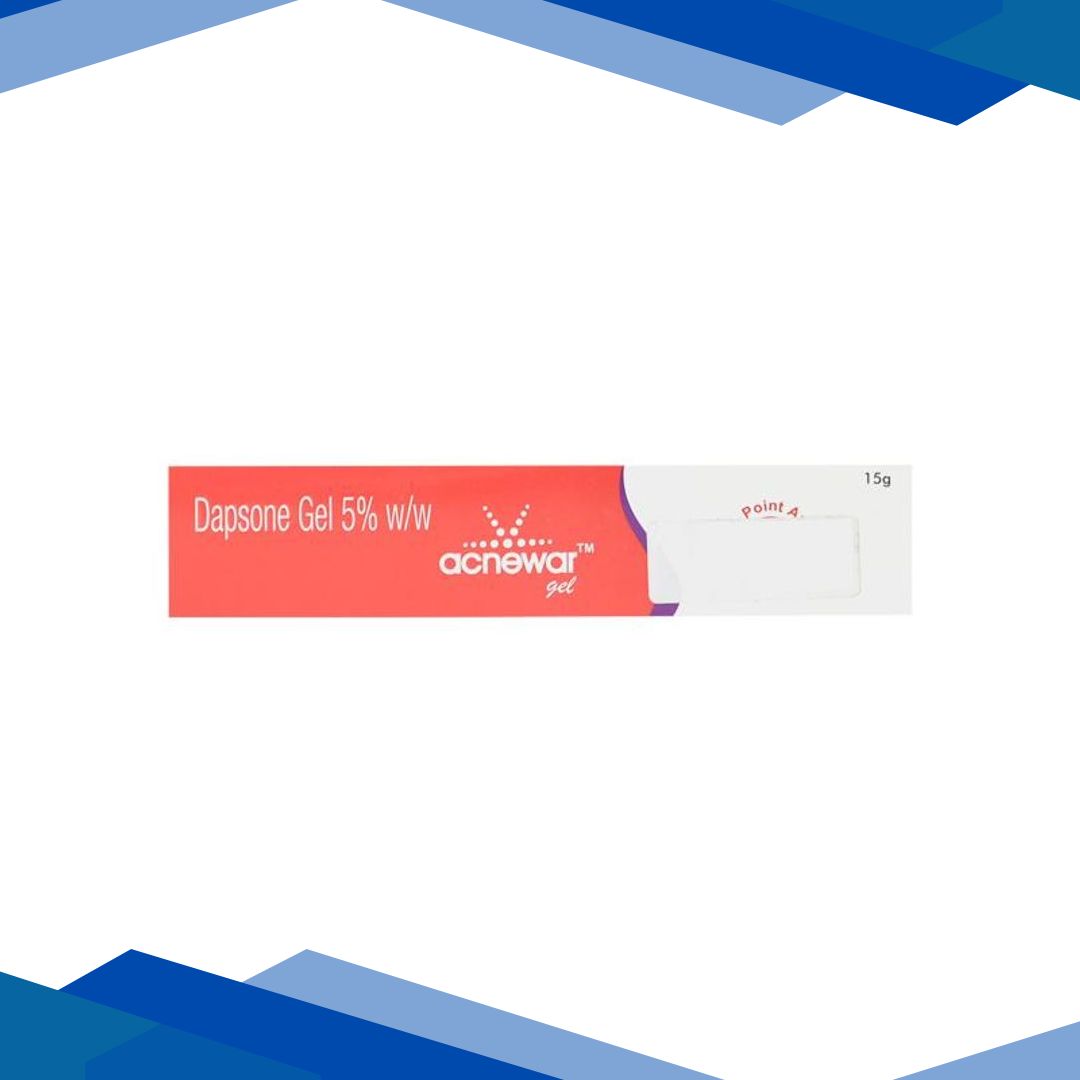
Acnewar Gel 15gm
Acnewar Gel is a topical medicine used mainly to treat acne. It combines two ingredients that work in different ways to help clear and prevent breakouts. Adapalene is a retinoid that helps keep skin pores from becoming blocked, which reduces the formation of blackheads, whiteheads, and new acne lesions. Dapsone has anti-inflammatory and antibacterial effects that may help calm redness and swelling linked to acne. Together, they can improve overall skin clarity and reduce inflammatory pimples over time. This medicine is commonly used for acne on the face and sometimes other affected areas of the skin. It is intended for use under medical guidance, especially if you have sensitive skin or other skin conditions.
Description
Acnewar Gel is a combination topical medicine used mainly for the treatment of acne. it brings together two well-studied anti-acne agents that work through different but complementary mechanisms. adapalene is a retinoid-like medicine that helps normalize the way skin cells shed inside hair follicles, which reduces the formation of clogged pores such as blackheads and whiteheads. dapsone is an anti-inflammatory and antibacterial medicine that helps calm acne-related redness, swelling, and irritation while also reducing the number of acne-causing bacteria on the skin. together, they can be especially helpful for people whose acne has both clogged-pore and inflammatory features.
this medicine is intended for external use on the skin only. it is generally prescribed or recommended for adolescents and adults with mild to moderate acne, especially when breakouts involve pimples, inflamed bumps, and blocked pores. because acne often develops from a combination of excess oil production, buildup of dead skin cells, bacterial overgrowth, and inflammation, using two agents with different actions can be beneficial. adapalene helps prevent new lesions from forming, while dapsone helps reduce the inflammatory component of existing lesions. the overall goal is not only to treat active acne, but also to help lower the frequency of new breakouts over time.
results are usually gradual rather than immediate. many people notice that their skin may look slightly irritated at first, especially during the early weeks of treatment, before improvement becomes more noticeable. this does not necessarily mean the medicine is not working. acne treatment with topical medicines often requires regular and consistent use as directed by a healthcare professional. because skin sensitivity can increase during therapy, it is important to use the product exactly as advised, avoid overuse, and protect the skin from unnecessary irritation, harsh scrubs, and excessive sun exposure.
the medicine is most suitable for people who need a non-systemic acne treatment and who can tolerate a topical regimen. it may be used as part of a broader skincare and acne-management plan that includes gentle cleansing, non-comedogenic moisturizers, and sun protection. a healthcare professional should decide whether Acnewar Gel is the right choice, especially in patients with very sensitive skin, a history of allergies, significant medical conditions, or concurrent use of other acne products that may increase irritation.
ingredients
- adapalene: adapalene is a topical retinoid-like ingredient that helps unclog pores by normalizing skin cell turnover inside the hair follicle. it reduces the formation of comedones, which are the clogged pores that can appear as blackheads or whiteheads. adapalene also has anti-inflammatory effects, which help reduce redness and swelling associated with acne lesions. it is often valued because it treats both the cause and the visible effects of acne over time.
- dapsone: dapsone is a topical anti-inflammatory and antibacterial agent used to help control acne, especially inflammatory acne lesions. it can reduce redness, tenderness, and swelling of pimples. its action is thought to involve decreasing inflammatory responses in the skin and limiting the growth of acne-associated bacteria. it complements adapalene by targeting inflamed lesions and helping improve overall acne severity.
key uses
- treatment of acne vulgaris: this medicine is used to help reduce mild to moderate acne, including blackheads, whiteheads, and inflammatory pimples. it works by addressing both clogged pores and inflammation.
- reduction of inflammatory lesions: the dapsone component helps lessen red, swollen, and tender acne bumps. this can be useful when acne is not just comedonal but also visibly inflamed.
- prevention of new breakouts: adapalene helps stop pores from becoming clogged, which may reduce the formation of new acne lesions when used consistently over time.
- support in combination acne care: it may be used as part of a broader acne treatment plan when a single topical medicine is not enough to control symptoms adequately.
how to use
Acnewar Gel is applied externally to clean, dry skin, typically in a thin layer over the affected acne-prone areas rather than only on individual pimples, unless a healthcare professional advises otherwise. before application, wash the skin gently with a mild cleanser and pat it dry. avoid harsh soaps, abrasive scrubs, or alcohol-based products, as these can increase dryness and irritation. use only the amount recommended by your doctor or the product instructions, since applying more does not usually improve results and may worsen side effects.
it is commonly used once daily or as directed by a healthcare professional, depending on the specific product and the individual? skin tolerance. avoid applying it to broken, sunburned, or eczematous skin. after application, wash your hands unless the hands are the treatment area. be careful to avoid contact with the eyes, lips, nostrils, and other sensitive areas. if accidental contact occurs, rinse thoroughly with water. because acne treatment takes time, consistent use is important. improvement may take several weeks, and some people may experience temporary dryness or mild irritation at the start of therapy.
to reduce irritation, many patients benefit from using a gentle moisturizer and a broad-spectrum sunscreen during the day. sun protection is important because retinoid-like medicines can make the skin more sensitive to sunlight. if you are also using other acne treatments, such as benzoyl peroxide, salicylic acid, topical antibiotics, or exfoliating products, ask a healthcare professional whether they should be used together, alternated, or avoided to prevent excessive dryness or irritation. if significant burning, swelling, or worsening rash develops, stop use and seek medical advice.
safety information
- warnings: this medicine is for external use only and should not be swallowed or applied to the eyes, mouth, inside the nose, or mucous membranes. it may cause skin irritation, dryness, redness, peeling, burning, or stinging, especially in the early phase of treatment. avoid excessive sun exposure, tanning beds, and harsh skin products while using it. if severe irritation occurs, the medicine may need to be stopped temporarily or reassessed by a healthcare professional.
- side effects: common side effects include dryness, mild peeling, redness, itching, burning, or a feeling of skin tightness. less commonly, some people may develop increased sensitivity, scaling, or temporary worsening of acne-like irritation. serious reactions are uncommon but can include severe rash, marked swelling, blistering, signs of allergy, or persistent skin inflammation. if dapsone is absorbed more than expected, unusual symptoms such as fatigue, shortness of breath, or bluish lips should be evaluated urgently, though this is rare with topical use.
- precautions: use caution if you have very sensitive skin, a history of eczema, rosacea, or contact dermatitis, or if you are prone to allergic reactions. people with glucose-6-phosphate dehydrogenase deficiency or a history of blood-related problems should discuss use with a healthcare professional, because dapsone has rare blood-related risks, although topical use lowers this risk significantly. do not use on severely irritated, sunburned, or broken skin unless advised.
- pregnancy/breastfeeding: safety in pregnancy should be discussed with a healthcare professional before use. topical acne medicines may be considered only when the expected benefit outweighs any potential risk. during breastfeeding, caution is also advised. avoid application to the breast area so the infant does not come into contact with the product. a clinician can help determine whether this medicine is appropriate based on individual circumstances.
- interactions: using other irritating topical products at the same time may increase dryness and peeling. this includes alcohol-based toners, exfoliants, scrubs, and strong acne treatments. some people notice temporary skin or facial discoloration if dapsone is used with certain benzoyl peroxide products, so a clinician may advise separating the application times or using an alternative regimen. alcohol does not have a direct major interaction with topical use, but heavy drinking is not helpful for overall skin health. always tell your healthcare professional about all medicines and skincare products you use.
additional information
- storage: store at room temperature in a cool, dry place away from excessive heat, moisture, and direct sunlight. keep the tube or container tightly closed when not in use. do not freeze unless the label specifically says otherwise. keep out of reach of children.
- missed dose: if you miss a dose, apply it as soon as you remember unless it is almost time for the next application. in that case, skip the missed dose and continue with your regular schedule. do not apply extra medicine to make up for the missed dose, as this may increase irritation.
- overdose: using too much on the skin may lead to increased redness, burning, peeling, or discomfort. accidental swallowing or applying it over a very large broken-skin area is more concerning. if overdose is suspected, especially if symptoms are severe or unusual, contact a healthcare professional or poison control center promptly for guidance.
- habit forming: no. Acnewar Gel is not known to be habit forming or addictive. it is a topical treatment used to manage acne and does not cause dependence. however, it works best when used consistently as part of the treatment plan prescribed by a healthcare professional.
frequently asked questions
Q: what is Acnewar Gel used for?
A: Acnewar Gel is used for the topical treatment of acne. it helps reduce clogged pores, blackheads, whiteheads, and inflamed pimples by combining the pore-clearing action of adapalene with the anti-inflammatory and antibacterial effects of dapsone.
Q: how long does Acnewar Gel take to work?
A: improvement is usually gradual and may take several weeks of regular use. some people notice early dryness or irritation before visible acne improvement begins. consistent use is important, and a healthcare professional may reassess treatment if there is not enough improvement over time.
Q: can Acnewar Gel make my skin dry or irritated?
A: yes. dryness, mild peeling, redness, stinging, and irritation are among the most common side effects. these are often more noticeable at the beginning of treatment. using a gentle cleanser, moisturizer, and sunscreen can help reduce discomfort.
Q: should i apply Acnewar Gel on all acne-prone areas or only on pimples?
A: in many acne treatment plans, it is applied as a thin layer over the affected acne-prone areas rather than only on individual spots. however, you should follow the exact instructions given by your healthcare professional or product label because use may vary by patient.
Q: can i use makeup or moisturizer with Acnewar Gel?
A: yes, many people can use non-comedogenic moisturizer and makeup with this medicine. it is generally best to let the medicine absorb first and choose gentle, non-irritating products. avoid products that sting, exfoliate strongly, or contain harsh alcohol-based ingredients if your skin is sensitive.
Q: what should i do if my skin gets very irritated?
A: if you develop strong burning, severe redness, swelling, blistering, or a rash that does not settle, stop using the medicine and contact a healthcare professional. mild irritation can sometimes improve with moisturizing and reducing other irritating products, but significant reactions should be evaluated promptly.
Q: can Acnewar Gel be used during pregnancy?
A: pregnancy safety should be discussed with a healthcare professional before use. although it is applied to the skin, medicines can still be absorbed to some extent. a clinician can help decide whether the expected benefit outweighs any potential risk in your specific situation.
Q: is Acnewar Gel safe while breastfeeding?
A: it may be used only with medical guidance during breastfeeding. do not apply it to the breast area, and avoid any skin contact the infant might have with the treated area. a healthcare professional can advise whether it is appropriate for you.
Q: can i use other acne products with Acnewar Gel?
A: possibly, but combining acne treatments can increase irritation. products such as benzoyl peroxide, salicylic acid, retinoids, exfoliants, or alcohol-based toners may need to be used carefully or at different times. ask a healthcare professional before combining therapies.
Q: is Acnewar Gel a permanent cure for acne?
A: no medicine permanently cures acne for everyone. Acnewar Gel can help control acne and reduce breakouts while it is being used appropriately. long-term skin management often also involves skincare habits, trigger avoidance, and ongoing medical review if needed.
this information is for educational purposes only and should not be considered medical advice. always consult a qualified healthcare professional before use.
At Gem Pharmacy, we make every effort to provide accurate, expert-written, and thoroughly reviewed information related to medicines. However, this information should not be considered a substitute for professional medical advice, diagnosis, or treatment from a qualified doctor.
The purpose of this information is to educate users and improve communication between patients and healthcare professionals. It should not be used to diagnose or treat any condition.
Always consult a certified healthcare professional before taking any medication.


Related products
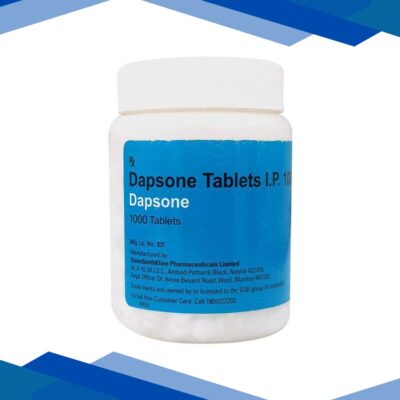
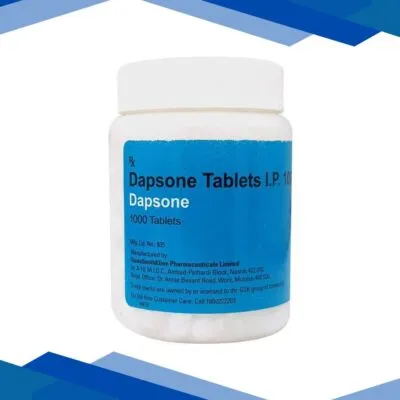
Dapsone 100mg Tablet 1000’S