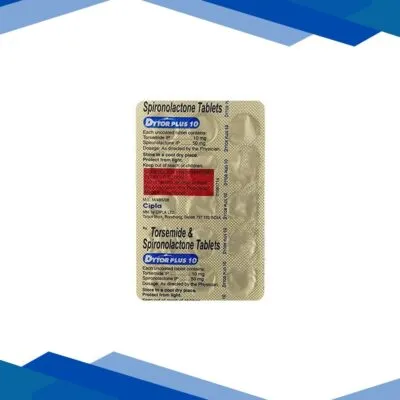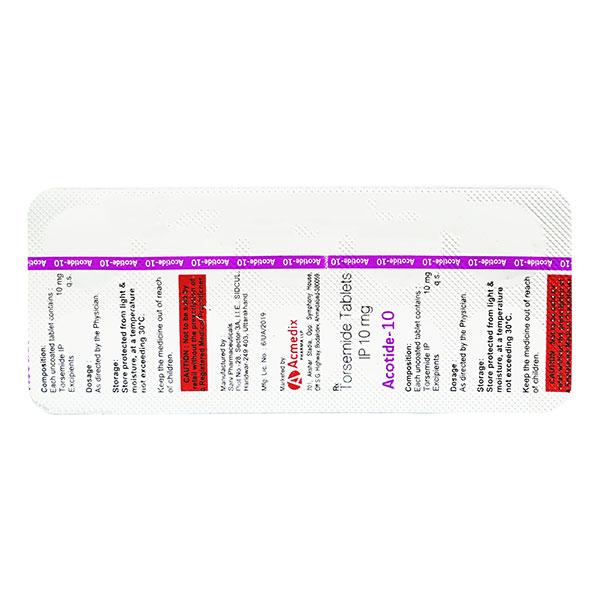
ACOTIDE 10 Tablet 10’s
No Prescription yet? Don’t worry! Click Here to Get Online Consultation
ACOTIDE 10 Tablet is a loop diuretic (water pill) used to reduce excess fluid buildup in the body and help manage high blood pressure. It works by acting on the kidneys to increase the elimination of salt and water through urine, which helps relieve swelling (edema) caused by conditions such as heart failure, kidney disease, or liver disorders. By lowering fluid volume, it also helps reduce strain on the heart and blood vessels, improving symptoms like breathlessness and swelling. ACOTIDE 10 Tablet is typically prescribed under medical supervision, as it requires monitoring to maintain proper fluid and electrolyte balance
Description
ACOTIDE 10 Tablet is a prescription medication classified as a loop diuretic, commonly referred to as a “water pill.” it is primarily used to help the body eliminate excess fluid by increasing urine production. this action makes it particularly useful in managing conditions where fluid retention (edema) is a concern, such as heart failure, chronic kidney disease, and liver cirrhosis. by promoting the excretion of sodium, chloride, and water through the kidneys, ACOTIDE 10 Tablet helps reduce swelling, improve breathing in fluid-overloaded states, and relieve discomfort associated with fluid accumulation.
the mechanism of action of ACOTIDE 10 Tablet involves inhibition of the sodium-potassium-chloride (na⁺/k⁺/2cl⁻) co-transporter in the thick ascending limb of the loop of henle in the kidneys. this process disrupts the reabsorption of electrolytes, particularly sodium and chloride, leading to increased osmotic excretion of water. compared to some other loop diuretics, ACOTIDE 10 Tablet is known for its relatively longer duration of action and more predictable absorption, which can contribute to consistent therapeutic effects in patients requiring ongoing fluid management.
ACOTIDE 10 Tablet is also used in the management of hypertension (high blood pressure), especially in individuals who do not respond adequately to other classes of antihypertensive medications. by reducing fluid volume within the bloodstream, it decreases the overall pressure exerted on blood vessel walls. this contributes to lowering blood pressure and reducing the risk of complications such as stroke, heart attack, and kidney damage. it may be used alone or in combination with other blood pressure medications as part of a comprehensive treatment plan.
this medication is generally prescribed to adults, although its use in specific pediatric cases may be considered under specialist supervision. patients who benefit from ACOTIDE 10 Tablet typically include those experiencing fluid retention due to cardiovascular, renal, or hepatic conditions. however, due to its potent diuretic effect and potential impact on electrolyte balance, it requires careful monitoring and should always be used under the guidance of a qualified healthcare provider.
ingredients
- ACOTIDE 10 Tablet: the active pharmaceutical ingredient responsible for the diuretic effect. it works by blocking electrolyte reabsorption in the kidneys, leading to increased urine production. this helps remove excess fluid, reduce swelling, and manage blood pressure effectively.
- excipients (inactive ingredients): these may include lactose monohydrate, magnesium stearate, microcrystalline cellulose, and corn starch. these substances support tablet formation, stability, and absorption but do not have therapeutic effects.
key uses
- edema (fluid retention): helps reduce swelling caused by excess fluid accumulation in conditions such as heart failure, liver disease, or kidney disorders.
- congestive heart failure: assists in relieving symptoms like breathlessness and swelling by removing excess fluid from the body.
- hypertension (high blood pressure): lowers blood pressure by decreasing fluid volume in the bloodstream, reducing strain on blood vessels.
- chronic kidney disease: supports fluid balance management in patients with impaired kidney function.
- liver cirrhosis-related ascites: helps manage fluid buildup in the abdominal cavity associated with liver dysfunction.
how to use
ACOTIDE 10 Tablet should be taken exactly as prescribed by your healthcare provider. it is typically administered orally in tablet form and may be taken with or without food. to minimize disruption to daily activities due to increased urination, it is generally recommended to take the medication in the morning. if prescribed more than once daily, the last dose should ideally be taken several hours before bedtime to avoid nighttime urination.
it is important to take ACOTIDE 10 Tablet consistently at the same time each day to maintain stable drug levels in the body. do not alter the dosage or frequency without consulting your doctor, as improper use may lead to dehydration, electrolyte imbalances, or reduced effectiveness. adequate fluid intake should be maintained unless otherwise directed by your healthcare provider. regular monitoring of blood pressure, kidney function, and electrolyte levels is often necessary during treatment.
safety information
- warnings: ACOTIDE 10 Tablet can cause significant fluid and electrolyte loss, including sodium, potassium, and magnesium. severe dehydration or imbalance may lead to dizziness, weakness, confusion, or irregular heart rhythms. patients should be monitored regularly, especially those with underlying kidney or liver conditions.
- side effects: common side effects include increased urination, dizziness, headache, fatigue, and muscle cramps. more serious side effects may include severe dehydration, low blood pressure, electrolyte disturbances, kidney dysfunction, hearing changes (rare), and allergic reactions such as rash or swelling. immediate medical attention is required if severe symptoms occur.
- precautions: individuals with a history of kidney disease, liver disease, gout, diabetes, or electrolyte imbalances should use ACOTIDE 10 Tablet cautiously. it may increase uric acid levels, potentially triggering gout attacks. blood sugar levels may also be affected in diabetic patients.
- pregnancy/breastfeeding: the safety of ACOTIDE 10 Tablet during pregnancy is not well established, and it should only be used if clearly needed and prescribed by a doctor. it may pass into breast milk; therefore, breastfeeding mothers should consult a healthcare professional before use.
- interactions: ACOTIDE 10 Tablet may interact with other medications such as antihypertensives, corticosteroids, lithium, nonsteroidal anti-inflammatory drugs (nsaids), and certain antibiotics. alcohol consumption may enhance dizziness or dehydration and should be limited or avoided.
additional information
- storage: store the medication at room temperature, away from moisture, heat, and direct sunlight. keep it in its original packaging and out of reach of children and pets.
- missed dose: if you miss a dose, take it as soon as you remember. if it is close to the next scheduled dose, skip the missed dose and continue with your regular schedule. do not double the dose to make up for the missed one.
- overdose: an overdose of ACOTIDE 10 Tablet may result in excessive fluid loss, dehydration, confusion, low blood pressure, and severe electrolyte imbalance. seek immediate medical attention if overdose is suspected.
- habit forming: no, ACOTIDE 10 Tablet is not habit-forming. it does not cause dependence or addiction, but it should still be used responsibly under medical supervision.
frequently asked questions
Q: what is ACOTIDE 10 Tablet used for?
A: ACOTIDE 10 Tablet is primarily used to treat fluid retention (edema) caused by conditions like heart failure, kidney disease, and liver cirrhosis. it is also used to manage high blood pressure in certain patients.
Q: how quickly does ACOTIDE 10 Tablet start working?
A: ACOTIDE 10 Tablet usually begins to work within an hour after oral administration, with its diuretic effects lasting for several hours. the full benefit may vary depending on the condition being treated.
Q: can i take ACOTIDE 10 Tablet every day?
A: yes, ACOTIDE 10 Tablet is often prescribed for daily use, especially in chronic conditions. however, it should only be taken as directed by a healthcare professional.
Q: does ACOTIDE 10 Tablet cause frequent urination?
A: yes, increased urination is a normal and expected effect of ACOTIDE 10 Tablet, as it works by removing excess fluid from the body.
Q: should i drink more water while taking ACOTIDE 10 Tablet?
A: fluid intake should be balanced. while it is important to avoid dehydration, excessive fluid intake may counteract the medication's effect. follow your doctor's advice regarding fluid consumption.
Q: can ACOTIDE 10 Tablet affect potassium levels?
A: yes, ACOTIDE 10 Tablet can lower potassium levels, which may lead to symptoms like muscle weakness or cramps. your doctor may recommend monitoring or supplementation if necessary.
Q: is ACOTIDE 10 Tablet safe for long-term use?
A: ACOTIDE 10 Tablet can be used long-term under medical supervision, especially in chronic conditions. regular monitoring is important to ensure safety and effectiveness.
Q: can i stop taking ACOTIDE 10 Tablet suddenly?
A: you should not stop taking ACOTIDE 10 Tablet without consulting your doctor, as symptoms of fluid retention or high blood pressure may worsen.
Q: does ACOTIDE 10 Tablet help with weight loss?
A: ACOTIDE 10 Tablet may cause temporary weight loss due to fluid removal, but it is not intended or safe for weight loss purposes.
Q: can ACOTIDE 10 Tablet be taken with other blood pressure medications?
A: yes, it is often used in combination with other antihypertensive drugs. however, this should only be done under medical supervision to avoid complications.
this information is for educational purposes only and should not be considered medical advice. always consult a qualified healthcare professional before use.
At Gem Pharmacy, we make every effort to provide accurate, expert-written, and thoroughly reviewed information related to medicines. However, this information should not be considered a substitute for professional medical advice, diagnosis, or treatment from a qualified doctor.
The purpose of this information is to educate users and improve communication between patients and healthcare professionals. It should not be used to diagnose or treat any condition.
Always consult a certified healthcare professional before taking any medication.


Related products
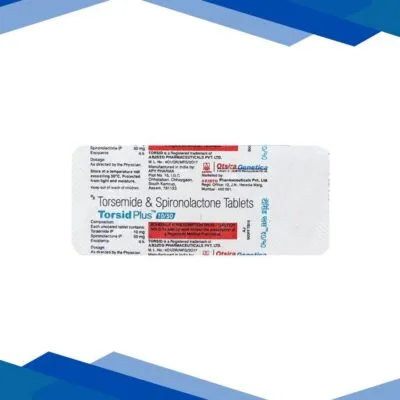
Torsid Plus 50/10mg Tablet 10