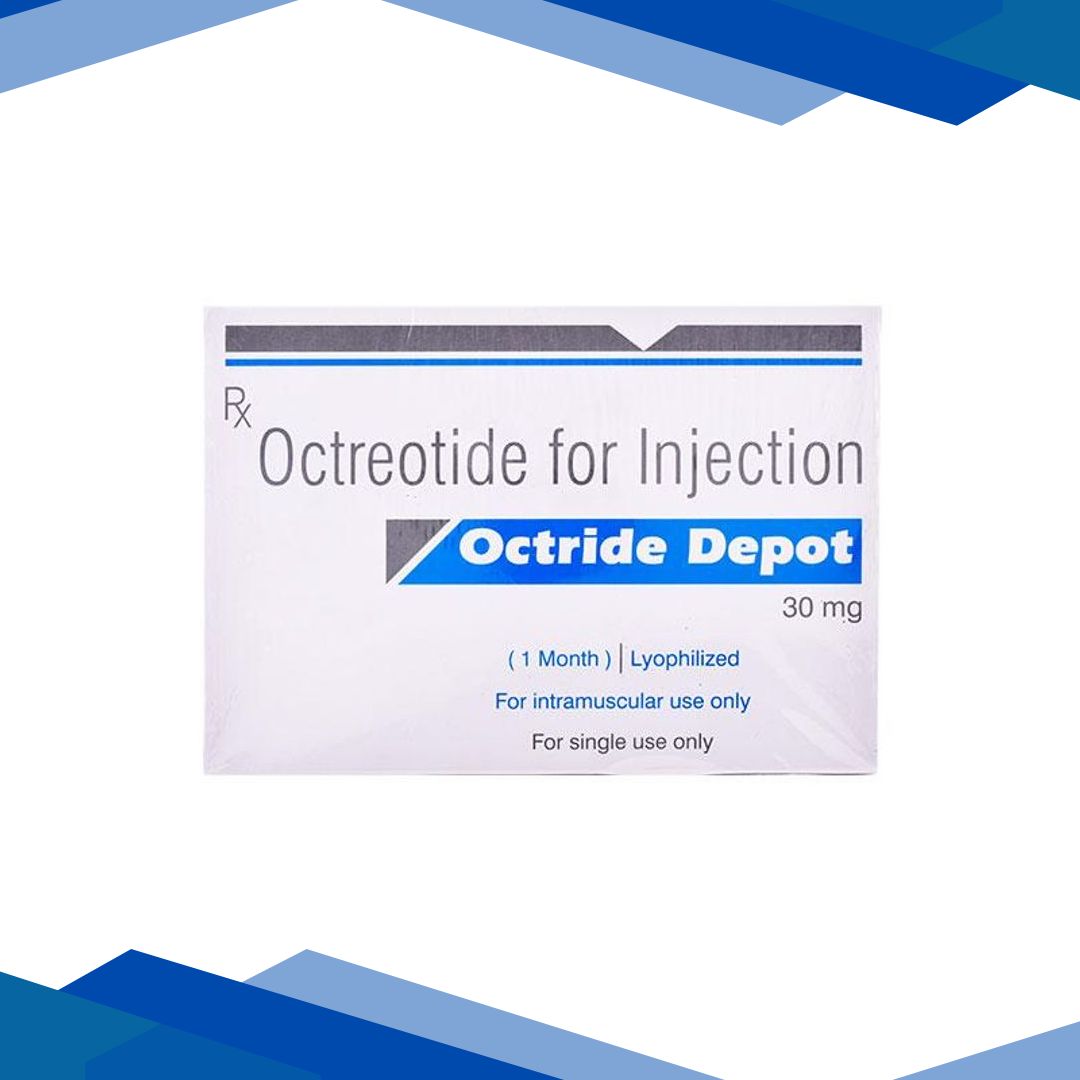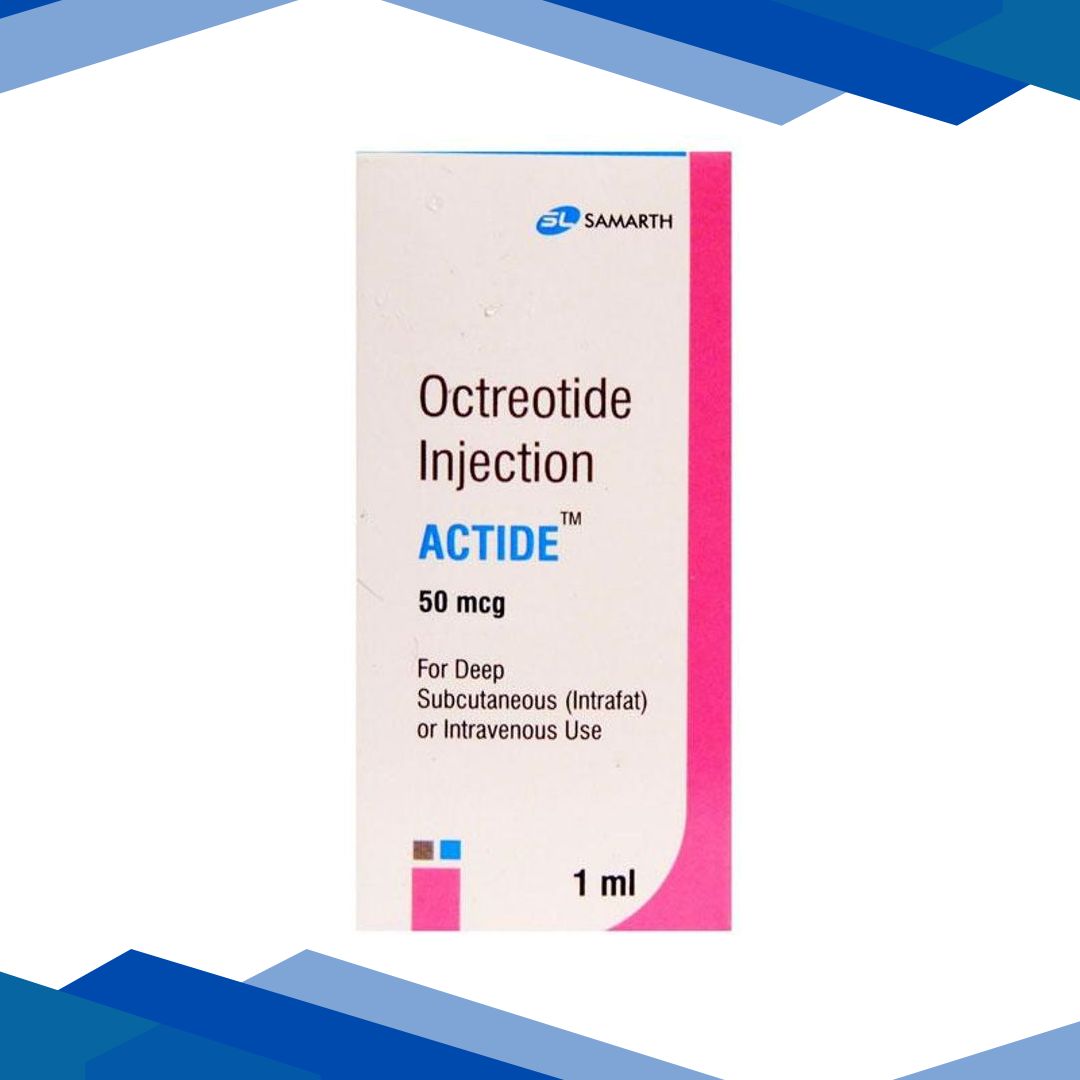
Actide 50mcg Injection 1ml
❌ Due to high demand, this product is currently out of stock. New stock will be available shortly.
👉 Click here to Buy Same Salt medicine
Actide 50mcg Injection is a prescription antiarrhythmic medicine used to help control certain abnormal heart rhythms. It works by slowing the electrical signals in the heart, which can help the heartbeat stay steady and regular. Doctors commonly prescribe it for rhythm problems such as atrial fibrillation, atrial flutter, and some types of supraventricular and ventricular arrhythmias. By restoring a more normal heart rhythm, it may reduce symptoms like palpitations, dizziness, or a racing heartbeat. Because it can affect the heart? electrical activity, Actide 50mcg Injection should be used only under medical supervision, with regular monitoring as needed. It is not meant for every type of irregular heartbeat, so proper diagnosis is important before use.
Description
Actide 50mcg Injection is a prescription antiarrhythmic medicine used to help control certain abnormal heart rhythms, also called arrhythmias. it belongs to a class of medicines known as class ic antiarrhythmics. these medicines work by slowing the electrical signals in the heart so that the heartbeat can return to a more regular pattern. because heart rhythm disorders can range from mild to life-threatening, Actide 50mcg Injection is generally used only when a healthcare professional decides that the potential benefits outweigh the risks and when the heart has been carefully evaluated.
this medicine is mainly used in people who have specific types of supraventricular arrhythmias, such as paroxysmal atrial fibrillation or atrial flutter in selected cases, and certain other rhythm disturbances that originate above the ventricles. it may also be used for some ventricular arrhythmias in carefully selected patients, depending on the clinical situation and risk profile. Actide 50mcg Injection is not a general-purpose medicine for all palpitations or irregular heartbeats, and it should not be used without medical supervision because inappropriate use can worsen rhythm problems in some patients.
mechanistically, Actide 50mcg Injection works by blocking sodium channels in heart muscle cells. sodium channels are essential for the rapid conduction of electrical impulses through the heart. by slowing this conduction, flecainide helps stabilize the heart? rhythm and may reduce episodes of rapid or irregular beating. it can also increase the threshold needed for abnormal electrical activity to start, which helps prevent certain arrhythmias from recurring. because of this strong effect on conduction, it must be used with caution, especially in people with underlying structural heart disease, prior heart attack, heart failure, or conduction system problems.
this medicine is intended for patients whose arrhythmias are diagnosed and monitored by a qualified healthcare professional, often a cardiologist. before and during treatment, patients may need electrocardiograms (ecgs), heart function assessment, and review of other medicines to reduce the risk of dangerous interactions or proarrhythmic effects. in simple terms, Actide 50mcg Injection is a rhythm-control medicine that can be very effective in the right patient, but it requires careful selection, follow-up, and adherence to the prescribed plan.
ingredients
- Actide 50mcg Injection: this is the active medicinal ingredient. it is the compound responsible for the antiarrhythmic effect, helping slow abnormal electrical conduction in the heart and reduce episodes of irregular rhythm. its role is to stabilize heart rhythm rather than to treat high blood pressure, chest pain, or heart failure.
- inactive ingredients / excipients: depending on the manufacturer and dosage form, the product may contain additional non-medicinal ingredients such as fillers, binders, disintegrants, coating materials, and colorants. these ingredients help form the tablet or capsule, improve stability, and support consistent absorption, but they do not treat arrhythmias. the exact inactive ingredients can vary by brand or generic product, so patients with allergies or sensitivities should review the product label or ask a pharmacist.
key uses
- paroxysmal atrial fibrillation: Actide 50mcg Injection may be used to help maintain normal rhythm or reduce episodes of this intermittent irregular heartbeat, particularly in patients without significant structural heart disease.
- paroxysmal supraventricular tachycardia: it can help manage certain rapid heart rhythms that start above the ventricles, especially when these episodes are recurrent and symptomatic.
- atrial flutter or atrial tachycardia in selected patients: in carefully chosen cases, it may be used to control or prevent recurrence of these arrhythmias under close supervision.
- ventricular arrhythmias in specific situations: some patients with serious ventricular rhythm disturbances may receive flecainide when a specialist determines that it is appropriate, usually with careful monitoring and patient-specific risk assessment.
- rhythm control rather than symptom relief alone: the medicine is intended to help restore or maintain a more regular heartbeat, which may reduce symptoms such as palpitations, dizziness, shortness of breath, or fatigue caused by arrhythmias.
how to use
Actide 50mcg Injection should be taken exactly as prescribed by a healthcare professional. it is usually taken by mouth in tablet form, with or without food, depending on the instructions provided with the specific product. consistency is important: taking it at the same times each day helps keep a stable level of medicine in the body. because this medicine can affect heart conduction, it is important not to change the dose, stop it suddenly, or take extra doses without medical advice.
patients are often advised to undergo ecg monitoring and follow-up visits after starting therapy or after dose adjustments. this is because the medicine can change the electrical pattern on the ecg and, in some cases, may cause the rhythm problem to worsen rather than improve. if the patient experiences new or worsening palpitations, fainting, marked dizziness, chest discomfort, or shortness of breath, they should seek medical attention promptly.
take the medicine only as directed. if a healthcare professional instructs a patient to take it with other medicines, such as an av nodal blocker in certain arrhythmia situations, those instructions should be followed carefully. do not crush, split, or modify the tablet unless specifically told it is acceptable for that product. patients should also inform every healthcare provider that they are taking Actide 50mcg Injection, especially before starting new prescriptions, over-the-counter medicines, or herbal products.
safety information
- warnings: Actide 50mcg Injection can cause serious rhythm changes in some people, including worsening arrhythmias or the development of dangerous new rhythms. it is generally not appropriate for patients with significant structural heart disease, a history of certain heart attacks, or major conduction abnormalities unless a specialist specifically recommends it. close ecg monitoring is often necessary because the medicine can widen conduction intervals and affect the heart? electrical system. seek urgent medical care if there is fainting, severe dizziness, chest pain, severe shortness of breath, or a racing heartbeat that does not improve.
- side effects: common side effects may include dizziness, blurred vision, headache, nausea, constipation, fatigue, and feeling unsteady. some people notice visual disturbances such as difficulty focusing or seeing halos. more serious side effects can include worsening arrhythmias, very slow heart rate, palpitations, low blood pressure, heart block, confusion, tremor, seizures, or signs of heart failure such as swelling, sudden weight gain, or increased breathlessness. any severe or unusual symptom should be reviewed by a clinician as soon as possible.
- precautions: use caution in patients with heart failure, previous myocardial infarction, reduced heart pumping function, kidney disease, liver disease, conduction disorders, electrolyte imbalances, or pacemakers unless a doctor has assessed the risks. older adults may be more sensitive to side effects and may need closer monitoring. patients with a history of syncope, very slow pulse, or known prolonged conduction intervals should discuss risks carefully with a cardiologist. it is not a medicine to self-start for intermittent palpitations without diagnosis.
- pregnancy/breastfeeding: safety in pregnancy and breastfeeding should be assessed individually. Actide 50mcg Injection is sometimes used when the expected benefit outweighs potential risk, but pregnancy requires specialist guidance because arrhythmia control must be balanced with maternal and fetal safety. small amounts may pass into breast milk, so breastfeeding considerations should be discussed with a healthcare professional before use. do not start or stop the medicine during pregnancy or lactation without medical advice.
- interactions: Actide 50mcg Injection can interact with many medicines that affect heart rhythm, heart rate, or drug metabolism. interactions may occur with certain beta-blockers, calcium channel blockers, digoxin, other antiarrhythmics, and medicines that inhibit liver enzymes or alter its blood levels. some antidepressants and other prescription medicines may increase flecainide concentrations. alcohol may worsen dizziness or faintness and should be used cautiously, if at all, depending on the patient? condition and physician advice. always tell the prescriber and pharmacist about all medicines, supplements, and herbal products being used.
additional information
- storage: store Actide 50mcg Injection at room temperature in a dry place away from excess heat, moisture, and direct light. keep it in the original container if possible and out of reach of children and pets. do not store in bathrooms unless the product label specifically allows it, because humidity can affect stability.
- missed dose: if a dose is missed, take it as soon as remembered unless it is almost time for the next scheduled dose. if the next dose is near, skip the missed dose and return to the regular schedule. do not double the dose to make up for a missed one, as this may increase the risk of serious heart rhythm problems. if missed doses happen often, discuss a reminder strategy with a pharmacist or healthcare professional.
- overdose: an overdose of Actide 50mcg Injection can be dangerous and may lead to severe dizziness, fainting, dangerously slow or fast heartbeat, low blood pressure, seizures, breathing problems, or cardiac arrest. this is a medical emergency. if overdose is suspected, call emergency services or poison control immediately. do not wait for symptoms to become severe, and do not try to self-treat at home.
- habit forming: no, Actide 50mcg Injection is not considered habit-forming. it does not produce addiction or a craving effect. however, it must still be taken exactly as prescribed because stopping it abruptly or using it incorrectly can cause recurrence of arrhythmias or serious heart complications.
frequently asked questions
Q: what is Actide 50mcg Injection used for?
A: Actide 50mcg Injection is used to treat certain abnormal heart rhythms, especially specific supraventricular arrhythmias and selected ventricular arrhythmias. it is prescribed when a clinician believes the benefits of rhythm control outweigh the risks and when careful monitoring is possible.
Q: how does Actide 50mcg Injection work in the body?
A: it works by blocking sodium channels in the heart, which slows electrical conduction and helps prevent abnormal rhythm circuits from starting or continuing. this can reduce episodes of palpitations and other symptoms related to arrhythmias.
Q: can Actide 50mcg Injection be used for any irregular heartbeat?
A: no. not every irregular heartbeat should be treated with flecainide. in some patients, especially those with structural heart disease or prior heart attack, it may be unsafe. a doctor must confirm the type of arrhythmia and whether this medicine is suitable.
Q: what are the most common side effects?
A: common side effects include dizziness, blurred vision, headache, nausea, constipation, and fatigue. some people may also feel lightheaded or notice visual changes. serious symptoms such as fainting, chest pain, or worsening palpitations need urgent medical attention.
Q: should i stop Actide 50mcg Injection if i feel better?
A: do not stop it on your own just because symptoms improve. arrhythmias can return if treatment is stopped, and sudden changes may be risky. any change in therapy should be made only after speaking with your healthcare professional.
Q: is monitoring needed while taking Actide 50mcg Injection?
A: yes, monitoring is commonly needed. healthcare professionals may use ecgs, heart assessments, and sometimes blood tests to check how the medicine is affecting your heart and to reduce the risk of complications.
Q: can i drink alcohol while taking this medicine?
A: alcohol may increase dizziness, drowsiness, or lightheadedness in some people and may also complicate heart rhythm control. it is best to ask your doctor or pharmacist whether alcohol is safe for your specific situation.
Q: is Actide 50mcg Injection safe in heart disease?
A: it depends on the type of heart disease. in people with certain structural heart conditions or previous heart damage, flecainide may increase risk and is often avoided. a cardiologist should evaluate suitability before use.
Q: what should i do if i miss a dose?
A: take it when you remember unless it is close to the next dose. if it is almost time for the next one, skip the missed dose and continue as scheduled. do not take extra medicine to compensate for the missed dose.
Q: can Actide 50mcg Injection interact with other medicines?
A: yes. it can interact with several heart medicines and other prescription drugs that affect its levels or heart conduction. always provide a full list of medicines, supplements, and herbal products to your healthcare provider and pharmacist.
Q: when should i seek emergency help?
A: seek emergency help if you develop fainting, severe dizziness, chest pain, trouble breathing, a very slow or very fast heartbeat, confusion, or signs of overdose. these may indicate a serious reaction or dangerous rhythm change.
Q: does this medicine cure arrhythmia permanently?
A: no. Actide 50mcg Injection helps manage and control certain arrhythmias, but it does not usually cure the underlying cause. ongoing treatment and monitoring may be needed depending on the patient? condition.
this information is for educational purposes only and should not be considered medical advice. always consult a qualified healthcare professional before use.
At Gem Pharmacy, we make every effort to provide accurate, expert-written, and thoroughly reviewed information related to medicines. However, this information should not be considered a substitute for professional medical advice, diagnosis, or treatment from a qualified doctor.
The purpose of this information is to educate users and improve communication between patients and healthcare professionals. It should not be used to diagnose or treat any condition.
Always consult a certified healthcare professional before taking any medication.


Related products