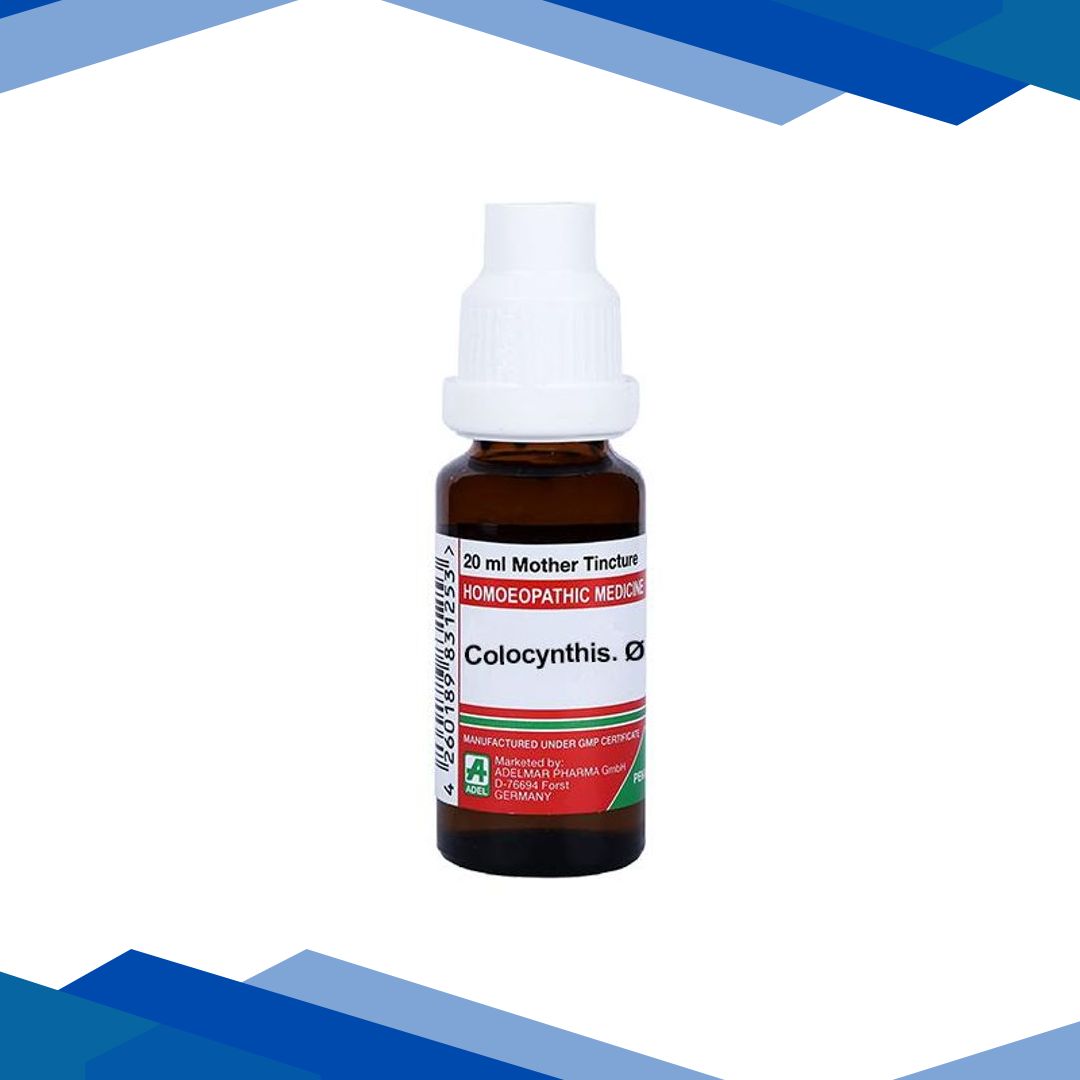
Adel Colocynthis. Ø Liquid 20 ml
Adel Colocynthis. Ø Liquid 20 is a topical antiseptic used to help reduce or prevent infection on the skin and in mucous membranes. It works by damaging the cell membrane of bacteria and some fungi, which helps kill germs or stop them from growing. Because of this broad antiseptic action, it is commonly used to cleanse wounds, minor cuts, abrasions, and burns, as well as for disinfecting the skin before certain medical procedures. It may also be used in some oral or mucosal antiseptic products under medical guidance. Adel Colocynthis. Ø Liquid 20 is intended for local use only and is valued for its quick germ-reducing effect and gentle action when used appropriately. As with any antiseptic, it should be used as directed by a healthcare professional, especially for larger or more serious wounds.
Description
Adel Colocynthis. Ø Liquid 20 is a broad-spectrum antiseptic used for cleaning and reducing microorganisms on the skin, mucous membranes, and certain types of wounds. it is valued in healthcare because it works quickly against many bacteria and also has activity against some fungi and enveloped viruses, helping lower the risk of infection in areas where the skin barrier has been damaged or where contamination is likely. unlike antibiotics that target specific bacteria inside the body, Adel Colocynthis. Ø Liquid 20 acts locally on the surface where it is applied, making it useful for antisepsis rather than systemic treatment.
this medicine is commonly found in products intended for wound care, skin disinfection, mucosal cleansing, and pre-procedure antiseptic support. it is often selected when a gentle but effective antiseptic is needed, especially because it is generally well tolerated on skin and many mucosal surfaces when used as directed. by reducing the number of microbes present, it helps support the body’s natural healing process and lowers the chance that a minor wound, irritated skin area, or contaminated site becomes infected.
Adel Colocynthis. Ø Liquid 20 works by disrupting the microbial cell membrane. in simple terms, it interacts with the outer structure of microorganisms, causing the membrane to become unstable and damaged. this leads to leakage of essential contents and ultimately kills or inactivates the microbe. because the action is local and nonspecific, it does not rely on the same pathways as antibiotics, which helps make it a useful antiseptic in routine wound hygiene and infection prevention. it is typically used for short-term local care and not as a substitute for medical treatment when a serious infection is present.
who it is for depends on the product form and the reason for use. it may be recommended for people with minor cuts, abrasions, superficial wounds, irritated skin areas, or for cleansing before and after certain medical procedures. some formulations may also be used in oral or mucosal care, depending on the instructions on the package or from a healthcare professional. people with deep wounds, spreading infection, severe burns, allergic skin reactions, or persistent symptoms should seek medical advice rather than relying only on topical antiseptics.
ingredients
- Adel Colocynthis. Ø Liquid 20: the active antiseptic ingredient. it helps reduce bacteria, fungi, and some viruses on the treated surface by damaging microbial cell membranes. its role is to lower microbial load and reduce the risk of local infection, especially in wounds, skin folds, and other exposed areas.
- purified water or aqueous base: many products containing Adel Colocynthis. Ø Liquid 20 are formulated in a water-based solution or gel. this base helps spread the antiseptic evenly across the skin or wound surface and supports comfortable application.
- humectants or moisturizing agents: some formulations include ingredients that help keep the skin or wound environment from drying out too quickly. this can improve comfort and may support wound care depending on the product type.
- stabilizing agents: these help maintain the product’s effectiveness during storage and use. they are included to preserve the quality, consistency, and shelf life of the antiseptic preparation.
- ph adjusters: certain formulations contain components that help keep the product at an appropriate ph level. this supports stability and may improve tolerability on skin and mucous membranes.
- additional formulation excipients: depending on the brand and dosage form, there may be other inactive ingredients such as thickening agents, solubilizers, or preservatives. these do not provide antiseptic action but help with texture, delivery, and product stability.
key uses
- skin antisepsis: used to help reduce microorganisms on the skin before or after minor procedures, and to clean areas that may be at risk of contamination. it supports infection prevention by lowering the local microbial burden.
- wound cleansing: helpful for superficial cuts, abrasions, and minor wounds where bacteria may enter the damaged skin. it can assist in keeping the area cleaner while the wound heals.
- mucosal cleansing: in certain approved formulations, it may be used on mucous membranes for local antiseptic care. this should only be done according to product-specific directions because mucosal tissues are more sensitive than normal skin.
- supportive care for irritated or contaminated skin: may be used when the skin is exposed to dirt, body fluids, or other contaminants, especially in healthcare or wound-care settings. it is intended to lower microbial load, not to treat deep or systemic infection.
- prevention of local infection in minor injuries: can help reduce the chance that everyday injuries become infected when used correctly and early in the care process. it is particularly useful as part of routine hygiene and first aid.
how to use
Adel Colocynthis. Ø Liquid 20 should always be used according to the directions on the specific product label or the advice of a healthcare professional, because products with this ingredient may differ in concentration, form, and intended area of use. in general, the affected area is first cleaned of visible dirt if needed, then the antiseptic is applied evenly to the skin, wound, or approved mucosal surface. some products are designed to be sprayed, while others are applied with a soaked gauze, cotton swab, or directly from a bottle. the area is usually left to air-dry or remain in contact for the amount of time recommended by the manufacturer.
for wound care, it is important to avoid aggressive rubbing, especially on open or sensitive tissue, because this can irritate the area and delay healing. only use the product on the parts of the body for which it is intended. if the medicine is meant for skin only, do not swallow it or place it in the eyes, ears, or other unapproved sites. if it is used in the mouth or on other mucosal surfaces, do not exceed the recommended duration or frequency. if symptoms do not improve, the wound becomes more painful, there is pus, swelling, fever, or the area starts to spread in redness, medical evaluation is needed.
because Adel Colocynthis. Ø Liquid 20 is an antiseptic and not a cure for all infections, it should be seen as part of basic hygiene and local wound management rather than a replacement for professional treatment. good handwashing, clean dressings, and proper wound observation remain important. if you are unsure whether the product is suitable for your condition, especially for deep wounds, burns, large areas, or use in children, ask a pharmacist or doctor before applying it.
safety information
- warnings: do not use the product in the eyes, inside the ear canal, or in the nose unless the specific formulation is clearly approved for that purpose. avoid applying to deep puncture wounds, large open wounds, serious burns, or heavily contaminated injuries without medical guidance. stop use and seek help if the area becomes more irritated, swollen, painful, or shows signs of infection. some formulations may be flammable or may contain ingredients that can irritate sensitive tissue, so follow the label carefully.
- side effects: common side effects may include mild burning, stinging, redness, dryness, or temporary irritation at the application site. these effects are usually short-lived and mild. serious side effects are uncommon but may include allergic reaction, severe skin irritation, rash, swelling, blistering, or worsening discomfort. if breathing difficulty, facial swelling, or widespread rash occurs, seek emergency care immediately.
- precautions: people with known hypersensitivity to octenidine or any ingredient in the formulation should avoid use. use extra caution in infants, young children, older adults with fragile skin, and people with eczema, dermatitis, or very sensitive skin. do not use repeatedly on extensive areas unless advised by a healthcare professional, as this may increase irritation. if the wound is deep, bleeding heavily, or accompanied by numbness or loss of function, medical evaluation is important.
- pregnancy/breastfeeding: topical antiseptics are often used cautiously in pregnancy and breastfeeding because local exposure is usually limited, but safety depends on the product type, area of application, and extent of use. avoid using it on the breast area before nursing unless instructed by a professional, and do not let the infant ingest the product. if you are pregnant or breastfeeding, ask a healthcare professional before use, especially for repeated or large-area application.
- interactions: Adel Colocynthis. Ø Liquid 20 can be inactivated or reduced in effectiveness by some soaps, detergents, or products containing anionic surfactants if used together on the same area. avoid mixing it with other antiseptics or skin products unless directed, as combinations may cause irritation or reduce action. alcohol-based products should not be applied at the same time on irritated tissue unless the formulation specifically allows it, because this may increase stinging and dryness. if you are using multiple topical treatments, check with a pharmacist to avoid incompatibility.
additional information
- storage: store at room temperature unless the product label says otherwise. keep the container tightly closed, away from excessive heat, moisture, and direct sunlight. do not freeze unless explicitly permitted. keep out of reach of children and do not use the product after the expiry date.
- missed dose: if you are using it on a scheduled basis and miss an application, use it when you remember unless it is almost time for the next one. do not apply extra amounts to make up for a missed use. for wound care, continue with the usual cleaning schedule recommended by the product label or your healthcare professional.
- overdose: too much topical use may cause increased irritation, dryness, or discomfort. if a large amount is accidentally swallowed, rinse the mouth, do not induce vomiting unless instructed, and contact a poison center or medical professional promptly. if the product gets into the eyes or causes severe local reaction, rinse thoroughly with water and seek medical advice if symptoms persist.
- habit forming: no. Adel Colocynthis. Ø Liquid 20 is not known to cause dependence or habit formation. it is a topical antiseptic used for local infection control and wound cleansing, not a medicine that causes addiction or withdrawal.
frequently asked questions
what is Adel Colocynthis. Ø Liquid 20 used for?
it is used as a topical antiseptic to reduce germs on the skin, minor wounds, and certain mucosal surfaces. its main purpose is to help prevent local infection and support hygienic wound care.
can Adel Colocynthis. Ø Liquid 20 treat an active infection?
it may help reduce the number of microbes on the surface, but it is not a substitute for proper medical treatment of a serious infection. if there is increasing pain, pus, fever, spreading redness, or no improvement, a healthcare professional should evaluate the condition.
is it safe for open wounds?
it can be used on some superficial open wounds depending on the specific product and label directions. it should not be used on deep, severe, or heavily contaminated wounds without medical advice.
can it be used on sensitive skin?
many people tolerate it well, but sensitive skin may still react with stinging, redness, or dryness. a patch-like trial on a small area may be helpful only if the product instructions allow it, and any strong irritation should prompt discontinuation and medical advice.
does it sting when applied?
mild stinging or burning can happen, especially on broken or irritated skin. this is usually temporary, but severe discomfort is not normal and should be assessed.
can it be used with other antiseptics?
it is generally best not to layer it with other antiseptic products unless a healthcare professional advises it. some combinations may reduce effectiveness or increase irritation.
is it an antibiotic?
no. it is an antiseptic, which means it works on the surface to reduce microbes. antibiotics are different medicines used to treat certain bacterial infections, usually under medical supervision.
can children use it?
some products may be suitable for children, but age limits and directions vary by formulation. always check the label and ask a pediatrician or pharmacist if you are unsure.
can i use it on my face?
only if the specific product says it is suitable for facial skin. avoid the eyes and mucous membranes unless clearly approved. facial skin can be more sensitive, so caution is important.
what should i do if i get it in my eyes?
rinse immediately with plenty of clean water for several minutes. if irritation, pain, or vision changes continue, seek medical attention promptly.
how quickly does it work?
topical antiseptics like Adel Colocynthis. Ø Liquid 20 begin acting soon after contact with the treated area. the exact duration of action depends on the formulation and the condition being treated.
can i use it every day?
some products are intended for short-term or as-needed use, while others may be used regularly for wound care. daily use should follow the product label or your healthcare professional’s recommendation to avoid unnecessary irritation.
does it leave stains or odor?
it is generally designed for practical wound and skin antisepsis and is not known for significant staining. however, specific formulations may differ, so check the product information.
what signs suggest i should see a doctor?
seek medical care if the wound is deep, large, or bleeding heavily; if pain, redness, swelling, or pus increases; if you develop fever; if there is an allergic reaction; or if healing is not progressing as expected.
can i use it with dressings?
yes, it is often used as part of dressing changes or wound cleaning routines. make sure the dressing type and application method are compatible with the product instructions.
is it safe during pregnancy?
many topical products may be used cautiously, but pregnancy safety depends on the specific formulation and how much is applied. ask a healthcare professional before using it during pregnancy.
can i drink alcohol while using it?
there is usually no direct interaction with alcohol because it is used locally on the skin. however, alcohol can impair wound healing and judgment, especially if you are managing an injury, so moderation is sensible.
does it dry out the skin?
it can cause dryness in some people, especially with frequent use. if dryness becomes bothersome, a healthcare professional may suggest a gentler routine or an appropriate moisturizer that does not interfere with the antiseptic effect.
will it replace cleaning a wound with water?
no. removing dirt and debris with clean water or saline is often an important first step before applying an antiseptic. Adel Colocynthis. Ø Liquid 20 complements cleaning; it does not replace it.
what if i accidentally apply too much?
gently remove any excess if possible and observe for irritation. if significant discomfort, skin reaction, or accidental swallowing occurs, contact a healthcare professional or poison center for advice.
is it the same as a disinfectant?
it is an antiseptic, which is used on living tissue such as skin or mucosa. disinfectants are generally used on non-living surfaces and may be too harsh for direct body use.
can i use expired product?
no. expired antiseptic products may lose effectiveness or become less stable. always use a product within its expiration date.
should i stop using it if the wound looks worse?
yes, worsening redness, swelling, pain, warmth, pus, or fever suggests you may need medical assessment. continued use alone may not be enough if an infection or another complication is developing.
can it be used for mouth care?
only certain formulations are intended for oral or mucosal use. do not use a skin-only product in the mouth. if oral use is needed, follow the exact product instructions or ask a dentist or doctor.
is it good for minor cuts at home?
it can be helpful for minor superficial cuts as part of basic first aid, provided the product is intended for that use. clean the wound first and monitor it closely for signs of infection.
this information is for educational purposes only and should not be considered medical advice. always consult a qualified healthcare professional before use.
At Gem Pharmacy, we make every effort to provide accurate, expert-written, and thoroughly reviewed information related to medicines. However, this information should not be considered a substitute for professional medical advice, diagnosis, or treatment from a qualified doctor.
The purpose of this information is to educate users and improve communication between patients and healthcare professionals. It should not be used to diagnose or treat any condition.
Always consult a certified healthcare professional before taking any medication.


Related products
SBL Acidum Aceticum 30 Liquid 30 ml
Adel Acid Lacticum 6 Liquid 10 ml
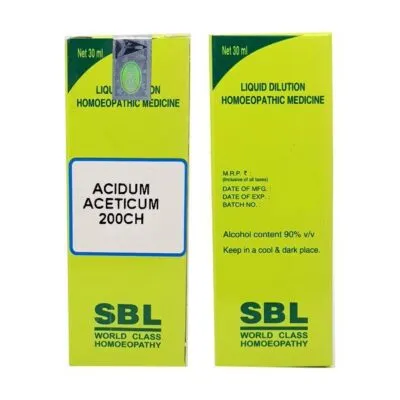
SBL Acidum Aceticum 200 Liquid 30 ml