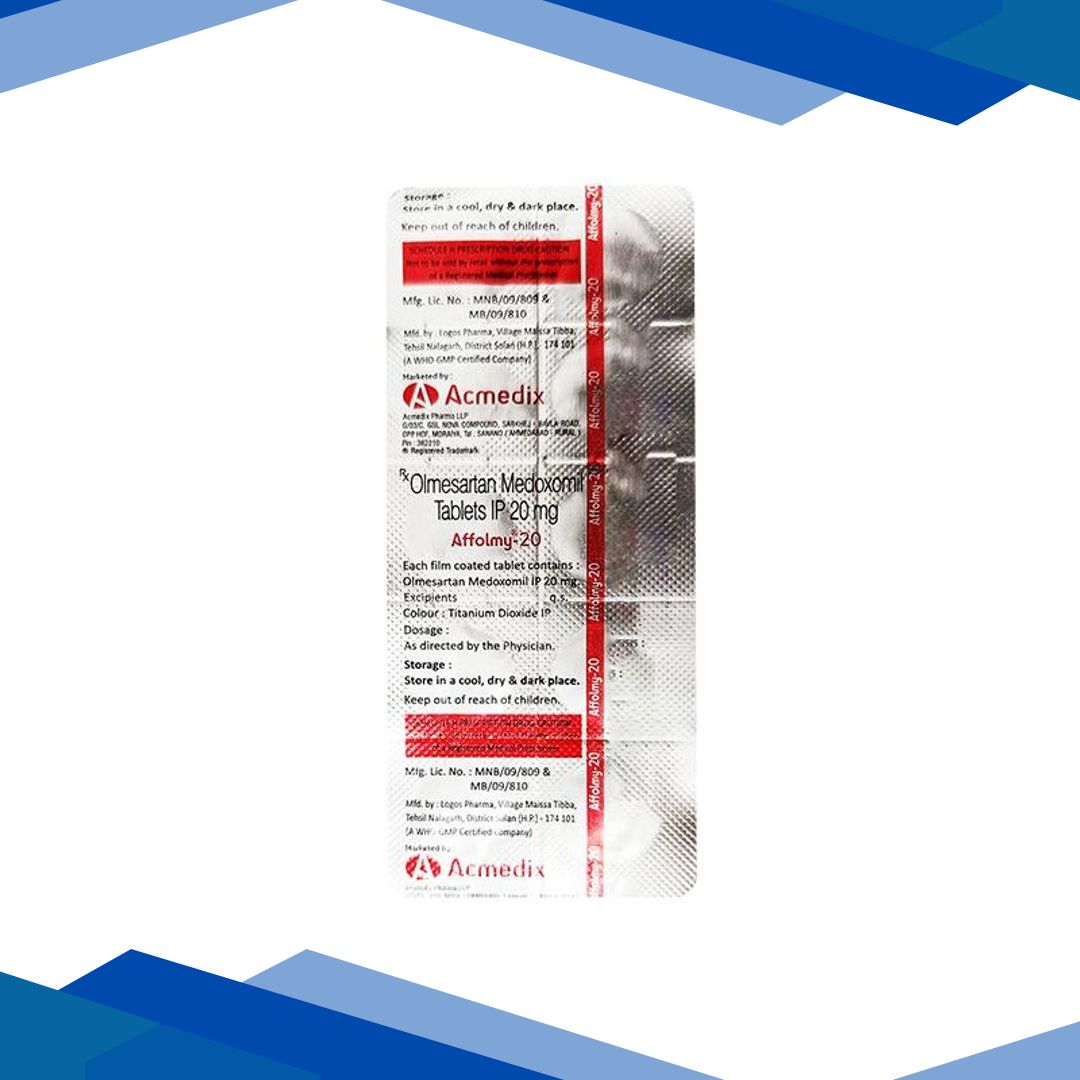
AFFOLMY 20 Tablet 10’s
❌ Due to high demand, this product is currently out of stock. New stock will be available shortly.
👉 Click here to Buy Same Salt medicine
AFFOLMY 20 Tablet is a combination medicine used to help control high blood pressure. It brings together three medicines that work in different ways: amlodipine relaxes and widens blood vessels, hydrochlorothiazide helps the body remove extra salt and water, and olmesartan blocks a natural substance that tightens blood vessels. By working together, they help lower blood pressure more effectively than a single medicine in many people. This medicine is mainly prescribed for hypertension, which can reduce the risk of serious problems such as stroke, heart attack, and kidney damage when used as directed. It should be taken under medical supervision, especially in people with kidney problems, dehydration, or other heart conditions.
Description
AFFOLMY 20 Tablet is a combination medicine used to help lower high blood pressure in adults when treatment with a single medicine is not enough. it brings together three different blood pressure?owering agents that work in complementary ways, which can help improve control of hypertension while reducing the need to rely on only one mechanism. in general, this type of combination is used when a healthcare professional decides that a stronger or more comprehensive approach is needed to achieve target blood pressure levels.
each component of AFFOLMY 20 Tablet acts differently in the body. amlodipine helps relax and widen blood vessels, making it easier for blood to flow. olmesartan helps block a hormonal pathway that normally tightens blood vessels and increases blood pressure. hydrochlorothiazide helps the body remove excess salt and water through the urine, which lowers blood volume and reduces pressure inside the blood vessels. because these three actions are combined, the medicine can provide more effective blood pressure reduction than a single drug alone in some patients.
this medicine is generally prescribed for people with essential hypertension, especially when blood pressure remains above goal despite lifestyle changes or prior treatment. controlling blood pressure is important because untreated hypertension can increase the risk of heart attack, stroke, kidney damage, and other cardiovascular complications over time. this medicine does not cure hypertension, but it helps manage it and reduce long-term risk when taken as directed alongside healthy habits such as reduced salt intake, regular physical activity, weight management, and follow-up with a healthcare professional.
although AFFOLMY 20 Tablet is effective for many patients, it is not suitable for everyone. because it contains a diuretic and two strong blood pressure agents, it may cause dizziness, dehydration, electrolyte imbalance, or kidney-related issues in susceptible individuals. it is important to use it only under medical supervision, especially in people with kidney disease, liver disease, gout, diabetes, or a history of fainting, swelling, or abnormal blood tests. the combination should be used with care and regular monitoring of blood pressure, kidney function, and electrolytes.
ingredients
- amlodipine: amlodipine is a calcium channel blocker that relaxes the muscles of blood vessels, helping them widen and lowering blood pressure. it can also reduce the workload on the heart. in some patients, it may help improve blood flow and reduce symptoms related to high vascular resistance. a common effect of amlodipine is swelling of the ankles or feet, which should be monitored.
- hydrochlorothiazide: hydrochlorothiazide is a thiazide diuretic, often called a ?ater pill.?it helps the kidneys eliminate extra sodium and water, which lowers blood volume and blood pressure. it may also reduce swelling in some individuals. because it can affect potassium, sodium, and uric acid levels, periodic blood tests may be needed during treatment.
- olmesartan: olmesartan is an angiotensin ii receptor blocker, or arb. it blocks the action of a natural hormone that tightens blood vessels and raises blood pressure. by blocking this effect, olmesartan helps blood vessels stay relaxed and open. it is widely used to treat hypertension and may also help protect the cardiovascular system when blood pressure is adequately controlled.
key uses
- treatment of high blood pressure: this is the main approved use. the medicine helps lower elevated blood pressure and may reduce the risk of long-term complications associated with uncontrolled hypertension.
- combination therapy when one drug is not enough: it may be prescribed when a single antihypertensive medicine does not adequately control blood pressure, or when a clinician wants a multi-mechanism approach.
- improving overall blood pressure control: by combining vessel relaxation, hormone blockade, and fluid reduction, the medicine can help stabilize blood pressure throughout the day in appropriately selected patients.
- reducing cardiovascular risk over time: when blood pressure is controlled, the risk of stroke, heart attack, and kidney damage can be reduced. this benefit comes from blood pressure management itself, not from a direct cure.
how to use
AFFOLMY 20 Tablet should be taken exactly as prescribed by a healthcare professional. it is generally used once daily, but the exact schedule and strength depend on individual needs, blood pressure response, and tolerance. it may be taken with or without food, and it is important to take it at the same time each day to help maintain consistent blood levels and improve adherence. swallow the tablet whole with water unless your pharmacist or doctor gives different instructions.
do not stop the medicine suddenly without medical advice, even if you feel well, because high blood pressure often has no symptoms and can still cause harm silently. if your doctor recommends lifestyle measures, such as a low-salt diet, exercise, weight control, or limiting alcohol, these should be followed alongside treatment. blood pressure readings, kidney function, and electrolytes may need periodic monitoring to make sure the medicine is working safely. if you feel unusual dizziness, severe weakness, fainting, persistent swelling, reduced urination, or muscle cramps, contact a healthcare professional promptly.
safety information
- warnings: this medicine can lower blood pressure too much in some people, especially after the first doses, when changing position quickly, or if dehydrated. hydrochlorothiazide may cause loss of potassium or sodium, dehydration, and increased urination. olmesartan can affect kidney function in susceptible patients, and amlodipine may cause peripheral edema. blood pressure, kidney function, and electrolytes should be monitored as advised.
- side effects: common side effects may include dizziness, headache, tiredness, swelling of the ankles or feet, increased urination, nausea, flushing, or mild stomach upset. more serious side effects can include fainting, severe low blood pressure, significant dehydration, abnormal kidney tests, severe electrolyte imbalance, muscle weakness, irregular heartbeat, allergic reactions, or rare but serious swelling of the face, lips, or throat. severe diarrhea or unexplained weight loss should also be reported, especially with olmesartan-containing therapy.
- precautions: use caution in people with kidney disease, liver disease, diabetes, gout, heart failure, low blood pressure, dehydration, or a history of electrolyte abnormalities. older adults may be more sensitive to dizziness and falls. people who are already taking other blood pressure medicines, diuretics, nsaids, potassium supplements, or salt substitutes should be carefully reviewed by a clinician before using this combination.
- pregnancy/breastfeeding: this medicine is generally not recommended during pregnancy, especially because olmesartan can harm the developing baby, particularly in the second and third trimesters. a healthcare professional should be contacted immediately if pregnancy occurs or is planned. breastfeeding safety depends on the clinical situation and available alternatives, so professional guidance is important before use during lactation.
- interactions: it may interact with other antihypertensives, diuretics, lithium, nsaids such as ibuprofen or naproxen, potassium supplements, potassium-sparing diuretics, alcohol, and certain diabetes medicines. alcohol can increase dizziness and the risk of low blood pressure. drug interactions may increase kidney strain or alter electrolyte levels, so all prescription medicines, over-the-counter products, and supplements should be reviewed with a healthcare professional.
additional information
- storage: store at room temperature in a dry place, away from excess heat, moisture, and direct sunlight. keep the medicine in its original container and out of reach of children and pets. do not store it in the bathroom unless specifically instructed, since humidity can affect tablet quality.
- missed dose: if a dose is missed, take it when remembered unless it is almost time for the next dose. if the next dose is near, skip the missed one and return to the regular schedule. do not take two doses at once to make up for a missed dose unless a healthcare professional tells you to do so.
- overdose: an overdose may cause severe dizziness, fainting, extreme low blood pressure, dehydration, confusion, electrolyte disturbances, slow or rapid heartbeat, or kidney problems. if overdose is suspected, seek emergency medical help right away or contact poison control immediately. do not wait for symptoms to worsen.
- habit forming: no. AFFOLMY 20 Tablet is not considered habit forming or addictive. however, it should be taken regularly as prescribed because missing doses can allow blood pressure to rise again and reduce the protective benefits of treatment.
frequently asked questions
Q: what is AFFOLMY 20 Tablet used for?
A: it is used to treat high blood pressure in adults. the combination helps control blood pressure through three different mechanisms, which may be helpful when one medicine alone is not enough.
Q: how does AFFOLMY 20 Tablet work?
A: amlodipine relaxes blood vessels, hydrochlorothiazide helps remove extra salt and water, and olmesartan blocks a hormone that tightens blood vessels. together, these actions lower blood pressure more effectively.
Q: can i take this medicine with food?
A: in many cases it can be taken with or without food. follow the instructions given by your healthcare professional or pharmacist, and try to take it at the same time each day.
Q: will this medicine make me urinate more?
A: it can, especially because it contains hydrochlorothiazide, which is a diuretic. increased urination is more noticeable when treatment starts and may lessen over time, but persistent or troublesome symptoms should be discussed with a doctor.
Q: what are the most common side effects?
A: common side effects include dizziness, headache, swelling of the ankles or feet, increased urination, and tiredness. some people may also feel lightheaded when standing up quickly.
Q: why do i need blood tests while taking this medicine?
A: blood tests may be needed to check kidney function and electrolyte levels, such as sodium and potassium. this helps detect side effects early and ensures the medicine remains safe and effective.
Q: can this medicine cause swelling?
A: yes. amlodipine may cause swelling in the ankles, feet, or legs. if swelling becomes severe, painful, or sudden, medical review is important to rule out other causes.
Q: is it safe to drink alcohol while taking this medicine?
A: alcohol can increase the blood pressure-lowering effect and make dizziness or fainting more likely. it is best to limit alcohol and ask a healthcare professional for individualized advice.
Q: what should i do if i feel dizzy after taking it?
A: sit or lie down until the dizziness passes, rise slowly from sitting or lying positions, and avoid driving or operating machinery if you feel unsteady. if dizziness is severe or recurrent, seek medical advice.
Q: can i stop taking it when my blood pressure improves?
A: no, not without speaking to your healthcare professional. blood pressure can rise again if treatment is stopped, even if you feel well. long-term use is often needed to maintain control.
Q: who should be extra careful with this medicine?
A: people with kidney disease, liver disease, diabetes, gout, dehydration, or a history of low blood pressure should be extra cautious. older adults and those taking multiple blood pressure medicines also need close monitoring.
Q: does this medicine treat high blood pressure symptoms?
A: high blood pressure often causes no symptoms at all, which is why it is sometimes called a silent condition. this medicine helps control the number, even when you do not feel unwell.
Q: can it affect my kidneys?
A: in some patients, especially those with existing kidney problems or dehydration, it can affect kidney function. that is why monitoring is important during treatment.
Q: what if i am taking nsaids for pain?
A: nsaids such as ibuprofen or naproxen may reduce the blood pressure-lowering effect and may increase kidney risk in some people. ask a healthcare professional before combining them regularly.
Q: is this medicine used for heart failure or chest pain?
A: its primary use is high blood pressure control. it is not generally prescribed as a first-line treatment for heart failure or chest pain unless a clinician has a specific reason.
Q: can this medicine cause low potassium?
A: yes, hydrochlorothiazide can lower potassium in some patients. symptoms may include muscle cramps, weakness, or irregular heartbeat, and blood tests may be needed to monitor levels.
Q: can i take potassium supplements with it?
A: only if your healthcare professional says it is appropriate. some combinations can increase potassium too much, while others may still require supplementation depending on blood test results.
Q: how long does it take to work?
A: blood pressure may begin improving within days, but the full effect can take longer and depends on the individual. regular monitoring helps assess how well the treatment is working.
Q: will this medicine cure hypertension?
A: no. it helps control blood pressure, but hypertension usually requires ongoing management through medication, diet, exercise, and follow-up care.
Q: what signs require urgent medical attention?
A: seek urgent care for severe shortness of breath, chest pain, fainting, swelling of the face or throat, very low urine output, severe weakness, confusion, or signs of a serious allergic reaction.
this information is for educational purposes only and should not be considered medical advice. always consult a qualified healthcare professional before use.
At Gem Pharmacy, we make every effort to provide accurate, expert-written, and thoroughly reviewed information related to medicines. However, this information should not be considered a substitute for professional medical advice, diagnosis, or treatment from a qualified doctor.
The purpose of this information is to educate users and improve communication between patients and healthcare professionals. It should not be used to diagnose or treat any condition.
Always consult a certified healthcare professional before taking any medication.


Related products
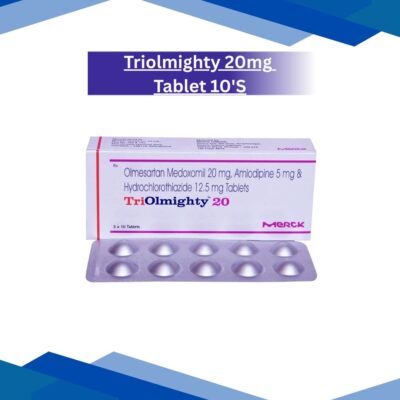
Triolmighty 20mg Tablet 10’s
OLMETROL M 25mg Tablet 10’s