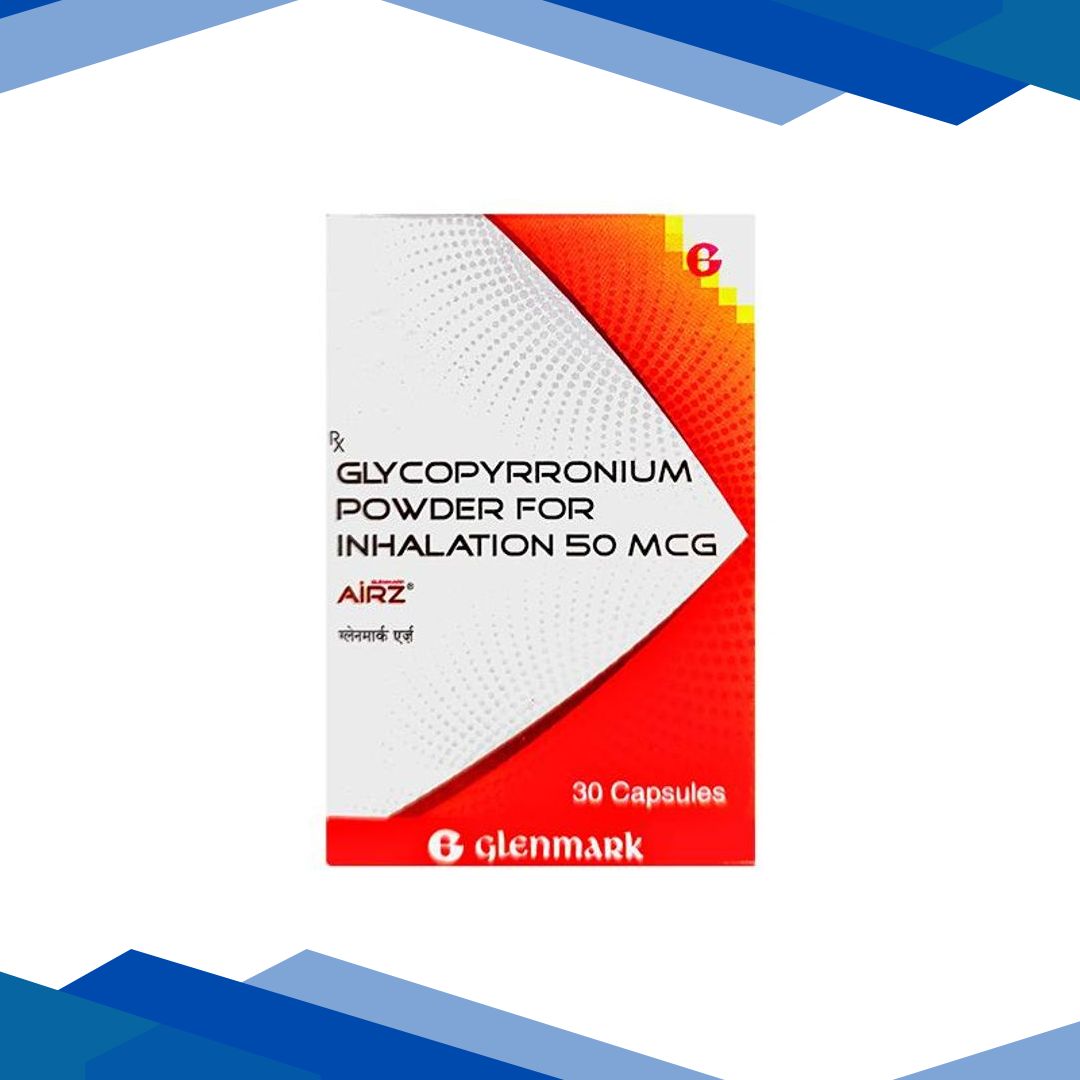
Airz 50mcg Capsule 30’S
Airz 50mcg Capsule is a combination inhaled medicine used to help manage long-term breathing problems, especially in chronic obstructive pulmonary disease (COPD). It contains two bronchodilators that work in different ways to keep the airways open. Arformoterol relaxes the muscles around the airways by acting on beta-2 receptors, while glycopyrronium blocks a chemical called acetylcholine that can tighten the airways. Together, they help improve airflow, reduce shortness of breath, and make breathing easier throughout the day. This medicine is not meant for sudden breathing attacks, but for regular control of COPD symptoms. It may help reduce wheezing, chest tightness, and the feeling of breathlessness when used under medical supervision as part of a prescribed treatment plan.
Description
Airz 50mcg Capsule is a combination inhaled medicine used for the long-term management of chronic obstructive pulmonary disease, commonly known as copd. it is designed to help people breathe more easily by relaxing the muscles around the airways and keeping the breathing passages open for longer periods. this combination is not meant for sudden breathing emergencies, such as a sudden asthma attack or a severe episode of shortness of breath, because it works as a maintenance treatment rather than a rescue medicine.
arformoterol belongs to a class of medicines called long-acting beta-agonists (labas). it works by stimulating beta-2 receptors in the airway muscles, which causes the muscles to relax and the airways to widen. glycopyrronium belongs to a class called long-acting muscarinic antagonists (lamas). it works by blocking certain chemical signals, especially acetylcholine, that normally cause the airways to tighten and produce excess mucus. when used together, these two medicines provide complementary bronchodilation, meaning they open the airways through two different mechanisms. this dual action can improve airflow, reduce breathlessness, and help reduce the frequency of copd flare-ups in appropriate patients.
this medicine is generally prescribed for adults with copd who continue to experience symptoms such as chronic cough, wheezing, chest tightness, and difficulty breathing despite standard treatment. it may be particularly helpful in people who need stronger maintenance control of their symptoms and better day-to-day lung function. because it is inhaled, the medicine acts mainly in the lungs and has less whole-body exposure than many oral medicines, but it can still cause important side effects and must be used correctly for best results.
ingredients
- arformoterol: a long-acting bronchodilator that helps relax the smooth muscles lining the airways. by keeping the bronchial tubes open for an extended period, it helps improve breathing, reduce wheezing, and support better physical activity tolerance in people with copd.
- glycopyrronium: a long-acting anticholinergic bronchodilator that blocks muscarinic receptors in the airways. this reduces airway narrowing and may also decrease mucus-related obstruction, making breathing easier over time.
- inhalation delivery system components: depending on the product form, the medicine may be delivered through a specific inhaler device. the device is not an active ingredient, but it is essential for proper delivery of the medicine to the lungs and for achieving the intended therapeutic effect.
key uses
- maintenance treatment of copd: helps keep the airways open on a regular basis, improving breathing and reducing chronic symptoms such as shortness of breath and chest tightness.
- reduction of copd symptom burden: may lessen daily wheezing, coughing, and activity limitation by improving airflow and reducing airway resistance.
- support in preventing worsening of symptoms: in some patients, regular use may help lower the chance of copd flare-ups, though it does not eliminate the need for other preventive measures.
- improvement of exercise tolerance and daily functioning: by making breathing easier, it may help patients perform routine tasks with less discomfort, though individual response can vary.
how to use
Airz 50mcg Capsule is typically used by inhalation as directed by a healthcare professional. it should be used regularly for maintenance control, not only when symptoms appear. the exact dosing schedule and inhaler technique depend on the product formulation, so it is important to follow the instructions provided with the specific device and the advice of your doctor or pharmacist. before inhaling the medicine, many inhalers require preparation steps such as priming, loading, shaking, or breathing out fully away from the device. a slow, deep inhalation is often needed so the medicine reaches the lungs effectively. after inhalation, holding the breath for a short time can help the medicine settle in the airways.
for best results, use the medicine at the same time each day if prescribed on a regular schedule. do not exceed the recommended frequency or use extra inhalations to treat sudden symptoms unless specifically instructed by a clinician. if breathing suddenly becomes worse, use the rescue inhaler prescribed for immediate relief and seek medical attention if symptoms do not improve. proper inhaler technique is extremely important; incorrect use can reduce the amount of medicine reaching the lungs and make treatment less effective. if you are unsure how to use the device, ask a healthcare professional to demonstrate the correct method.
safety information
- warnings: this medicine is not a rescue treatment and should not be used for sudden shortness of breath or an acute copd attack. overuse may increase the risk of side effects such as fast heartbeat, tremor, dry mouth, or urinary problems. patients with heart disease, high blood pressure, glaucoma, urinary retention, or an enlarged prostate should use it cautiously and under medical supervision.
- side effects: common side effects may include dry mouth, throat irritation, cough after inhalation, hoarseness, headache, dizziness, muscle cramps, nausea, or constipation. more serious side effects can include chest pain, fast or irregular heartbeat, severe difficulty breathing after use, allergic reactions, worsening of narrow-angle glaucoma symptoms, urinary retention, or signs of low potassium in the blood such as weakness or abnormal heart rhythm.
- precautions: use with caution in people with cardiovascular disease, seizure disorders, diabetes, thyroid overactivity, glaucoma, enlarged prostate, bladder obstruction, or a history of allergic reactions to bronchodilators or inhaled anticholinergics. it may not be appropriate for people who need short-acting relief more often than usual, as this can indicate unstable disease requiring medical review.
- pregnancy/breastfeeding: safety data in pregnancy and breastfeeding may be limited. the medicine should only be used if the expected benefit clearly outweighs potential risks, and this decision should be made with a healthcare professional. do not start or stop treatment during pregnancy or while breastfeeding without medical advice.
- interactions: other bronchodilators, anticholinergic medicines, certain beta-agonists, diuretics, steroids, beta-blockers, and some heart medicines may interact or increase side effects. combining it with other anticholinergic drugs may worsen dry mouth, constipation, blurred vision, or urinary retention. alcohol does not have a direct specific interaction in most cases, but excessive alcohol use may worsen dehydration, dizziness, or breathing problems and should be avoided if advised by a clinician.
additional information
- storage: store the inhaler according to the product label, usually in a cool, dry place away from direct heat, moisture, and sunlight. keep the device tightly closed when not in use and out of reach of children. do not store it in bathrooms unless the label specifically allows it, as humidity can damage inhaler performance.
- missed dose: if a dose is missed, take it as soon as you remember unless it is almost time for the next scheduled dose. if the next dose is near, skip the missed dose and continue with the regular routine. do not double the dose to make up for a missed one.
- overdose: too much of this medicine may cause symptoms such as rapid heartbeat, chest discomfort, tremor, nervousness, severe dry mouth, blurred vision, headache, or worsening breathing problems. if overdose is suspected, seek urgent medical help or contact emergency services immediately. bring the inhaler or package with you so healthcare providers can identify the medicine.
- habit forming: no. Airz 50mcg Capsule is not known to be habit forming or addictive. however, it should be used exactly as prescribed because improper or excessive use can lead to harmful side effects and reduced disease control.
frequently asked questions
Q: what is Airz 50mcg Capsule used for?
A: it is used as a maintenance inhaler for adults with copd to help improve breathing, reduce daily symptoms, and support long-term airway opening. it is not intended for sudden breathing emergencies.
Q: can i use Airz 50mcg Capsule during an asthma attack?
A: no. this medicine is not a rescue inhaler and should not be used to treat a sudden asthma attack or sudden worsening of breathlessness. use the rescue medicine prescribed by your doctor and seek urgent care if needed.
Q: how long does it take to work?
A: some improvement in breathing may be noticed after regular use, but the full benefit is usually seen with continued consistent use over time. it is designed for ongoing symptom control rather than immediate relief.
Q: do i need to rinse my mouth after using it?
A: rinsing the mouth after inhalation is often a good habit, especially if your clinician recommends it, because it may help reduce throat irritation and keep the mouth comfortable. always follow the device-specific instructions.
Q: what should i do if i feel worse after taking it?
A: if breathing becomes worse, if you develop chest pain, severe dizziness, swelling, rash, or trouble urinating, seek medical help right away. sudden worsening after inhalation should be treated seriously and evaluated promptly.
Q: can this medicine be used with other inhalers?
A: it may be used with certain other inhaled medicines, such as rescue inhalers, but the combination must be reviewed by a healthcare professional to avoid duplication or unsafe interactions. do not combine inhalers on your own without medical guidance.
Q: is dry mouth normal with this medicine?
A: yes, dry mouth is a common side effect, especially because glycopyrronium has anticholinergic effects. drinking water, good oral hygiene, and discussing persistent symptoms with a clinician may help.
Q: can i stop taking it if i feel better?
A: do not stop it on your own unless your doctor advises it. copd maintenance medicines help keep symptoms controlled even when you are feeling better, and stopping suddenly may allow symptoms to return or worsen.
Q: who should be especially careful with this medicine?
A: people with heart problems, glaucoma, urinary retention, enlarged prostate, thyroid problems, or a history of unusual reactions to inhaled bronchodilators should be especially careful and should use it only under professional supervision.
Q: does this medicine cure copd?
A: no. it helps control symptoms and improve breathing, but it does not cure copd or reverse lung damage. it is one part of a broader treatment plan that may also include smoking cessation, vaccines, pulmonary rehabilitation, and other medicines.
Q: what if i miss instructions on how to use the inhaler?
A: if you are uncertain about the inhaler technique, ask your pharmacist, nurse, or doctor to show you again. proper device use is very important because incorrect inhalation can reduce the medicine? effectiveness.
Q: can i use it if i have glaucoma?
A: people with narrow-angle glaucoma or a history of eye pressure problems should use caution because the anticholinergic component can sometimes worsen eye symptoms if it gets into the eyes. medical advice is important before use.
Q: can it cause heart palpitations?
A: yes, some people may notice a fast heartbeat or palpitations, especially if they are sensitive to beta-agonist medicines or use too much. report persistent or severe symptoms to a healthcare professional.
Q: is it safe for older adults?
A: many older adults can use it, but they may be more sensitive to side effects such as dry mouth, constipation, dizziness, or urinary retention. careful monitoring is important, especially if there are other medical conditions or multiple medicines.
Q: should i use a spacer with this inhaler?
A: that depends on the specific inhaler device. some inhalers are not designed to be used with spacers. check the package instructions or ask a pharmacist before using any accessory.
this information is for educational purposes only and should not be considered medical advice. always consult a qualified healthcare professional before use.
At Gem Pharmacy, we make every effort to provide accurate, expert-written, and thoroughly reviewed information related to medicines. However, this information should not be considered a substitute for professional medical advice, diagnosis, or treatment from a qualified doctor.
The purpose of this information is to educate users and improve communication between patients and healthcare professionals. It should not be used to diagnose or treat any condition.
Always consult a certified healthcare professional before taking any medication.


Related products
ODIHALE G 50 WITH DOSE COUNTER Inhaler 120md
GLYCOHALE FB with dose counter Inhaler 120md
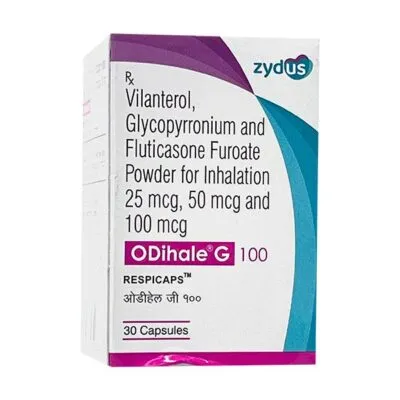
ODIHALE G 100 Respicap 30’s