
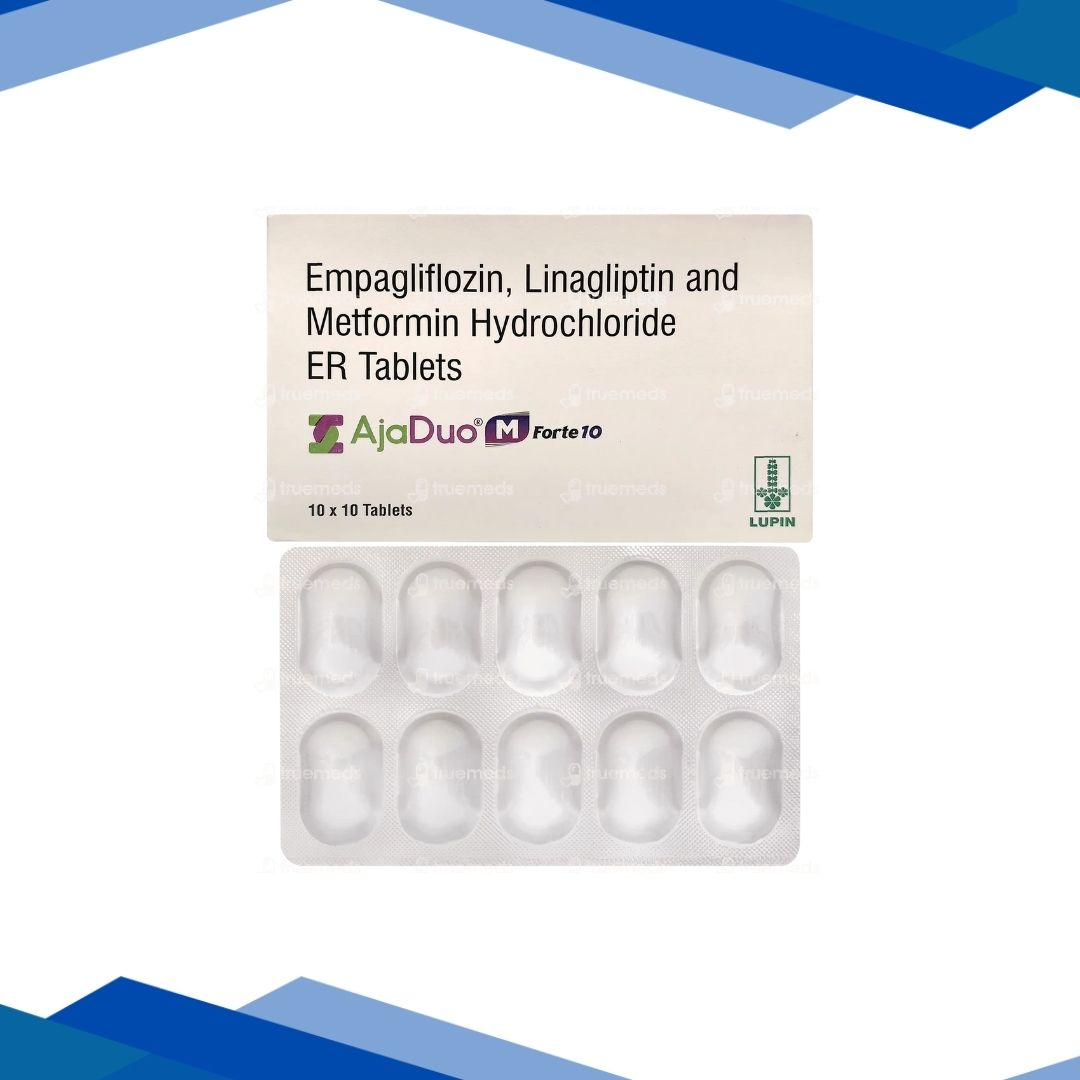
AJADUO M FORTE 10 Tablet 10’s
No Prescription yet? Don’t worry! Click Here to Get Online Consultation
Ajaduo M Forte 10 Tablet (strip of 10) is a triple fixed-dose combination medicine used in type 2 diabetes to help control blood sugar by targeting multiple pathways. For more details kindly click on Medicine Salts below:
Empagliflozin
Empagliflozin - Uses, Side Effects, Dosage Empagliflozin is a medicine indicated for treating patients with Type 2 Diabetes. It belongs to the new SGLT-2 inhibitors class. Unlike older medications that work by making the kidneys remove wastes from the blood, Empagliflozin helps the kidneys remove excess sugar from the blood, preventing its reabsorption. Doctors may also recommend it to reduce cardiovascular risks in patients with existing heart disease and to manage chronic kidney disease and heart failure.
How It Works
Upon taking Empagliflozin, glucose is excreted in urine before it enters the bloodstream. Unlike some antidiabetic drugs, it does not rely on the pancreas and does not stimulate insulin secretion. This process can also contribute to weight loss as excess glucose leaves the body.Quick Facts Table
| Feature | Details |
|---|---|
| Drug Class | SGLT-2 Inhibitor |
| Primary Use | Type 2 Diabetes, Heart Failure, Chronic Kidney Disease |
| Common Brands | Jardiance, Gibtulio, Empaxa |
| Best Time to Take | Once daily, usually in the morning |
| Food Intake | Can be taken with or without food |
Common Side Effects
Among side effects due to glucose in urine, most people tolerate Empagliflozin well:- Frequency of urination: May urinate more often; maintaining good hydration is important.
- Genital yeast infections: Some may experience irritation; contact a doctor if symptoms persist.
- Diabetic ketoacidosis (rare): Watch for severe stomach pain, vomiting, or a “fruity” breath odor.
Frequently Asked Questions (FAQs)
1. Can I take Empagliflozin if I have Type 1 Diabetes? No. It is specifically indicated for Type 2 Diabetes and can increase the risk of diabetic ketoacidosis in Type 1 patients. 2. How long does it take for Empagliflozin to start working? Blood sugar starts lowering within 1 to 2 hours, but full benefits for heart and kidney protection may take several weeks. 3. Does this drug induce weight loss? Yes, some patients experience weight loss due to calorie loss from glucose excretion in urine. 4. What do I do if I miss a dose? Take the missed pill as soon as you remember. Do not double dose to compensate. 5. Do I need to maintain a specific diet? Follow your nutritionist’s dietary plan, drink plenty of fluids, and use alcohol with caution to avoid hypoglycemia or ketoacidosis. 6. Can I take it during pregnancy? Empagliflozin is rarely used during the second or third trimester due to potential effects on the baby’s kidney development. Always consult an obstetrician before use.Linagliptin
Linagliptin: Improved Diabetes Control in Type 2 It has asked that Bayer HealthCare's linagliptin be qualified as HIDC with special reference to the dipeptidyl peptidase-4 enzymes, deemed to inactivate antidiabetic DPP-4 inhibitor class, that is, Gliptins. In this way, linagliptin may be useful in governing adult Diabetes Mellitus type II individuals suffering hyperglycemia when exercise and dietary management meeting alone is quite inadequate. Diverse from the others of its league, it offers a favorable advantage to patients with mild-to-moderate kidney impairment because of over 80% of renal concerns ridding it. 8 The Key Therapeutic Benefits Effective at HbA1c reduction: This can make improvement of long-term blood sugar control and significant reduction in postprandial glucose spikes. Weight Neutrality: May or may not remarkably increase body weight. Hypoglycemia Risk: Alone, the risk of hypoglycemia is low. Decreasing Need for Dose Changes: Usually, the dose of linagliptin in renal impairment does not need to be adjusted. How it Works Linagliptin inhibits the breakdown of incretin hormones produced by the gut postprandially. These incretins signal to the pancreas to excrete more insulin and signal to the liver to stop its glucose production. DPP-4 generally breaks down these hormones quickly. Linagliptin, being an inhibitor for DPP-4, allows for these incretins to be active for a longer time, thereby keeping one's blood sugar level in check. Usage and Safety Guidelines Dosage: The majority of patients begin with an initial dosage of 5 mg. This is done once per day. Flexibility: Administer the tablet with or without food. Nonetheless, linagliptin should be taken at the same time each day for consistent levels in the body. Administration: Swallowed the tablet whole with a glass of water. Not chewing the tablet. No breaking down. Abscesses Most humans tolerate linagliptin well. In some cases, people may experience the following: Running nose or having a sore throat on cold weather and fever. Coughing. Headache. Mild backache. Alarming symptoms of impending serious tissue cellulitis are abdominal pain, about mid-right upper quadrant, or referred to the back; please immediately stop the Linagliptin therapy and seek medical advice, as these side effects could lead to pancreatitis. Linagliptin FAQs Regrettably, not for Type I Diabetes. Linagliptin is there for Type 2 Diabetes whose major problem is an insulin fault mechanism. Linagliptin is nowhere suitable for the management of Type 1 Diabetes nor for en route to diabetic ketoacidosis. Q: What should one do if somebody misses their dose? A: Linagliptin doses are supposed to be taken with skipped doses until the standard schedule resumes. Under no circumstance should one take two tablets at once to compensate for a missed dose. Q: Can I combine Linagliptin with my diabetic drugs? A: Usually, they are combined with metformin, sulphonylureas, generally Insulins. However, the combinations of linagliptin with Insulins or sulphonylureas increase the chance of hypoglycemia; hence the need to modify their dosages properly protects against severe hypoglycemia. Q: Is it safe for me to consume liquor while on linagliptin? A: In moderation, yes. Alcohol use may disrupt blood sugar control and further raise the risk of pancreatitis. Discussing alcohol consumption with your doctor is the best way to go. Q: How long must one wait to see an effect from linagliptin? A: It will start showing an effect on your blood sugar readings in about a week. However, full assessment of your HbA1c levels can be done usually after 2-3 months of steady use. Quick Entry on the Product Properties of Interest Details Drug Class DPP-4 Inhibitor (Gliptin) Main Indication Type 2 Diabetes Mellitus Recommended Dosage 5 mg daily Storage Store below 30°C away from moisture
Metformin
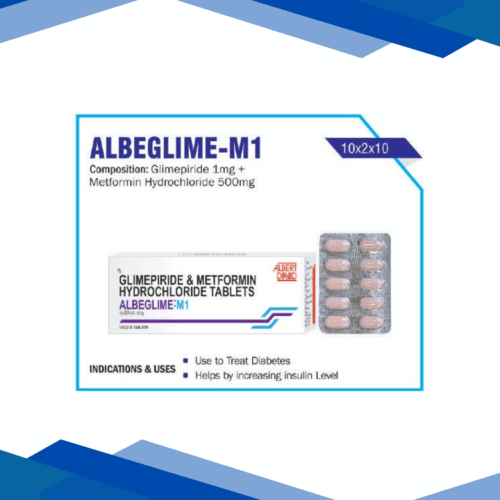
Metformin: The First Pulseblood Sugar ControlMedicine Metformin (Metformin Hydrochloride), especially useful for Type 2 Diabetes, is the most frequently prescribed oral agent. The drug belongs to the "Biguanide" group of anti-diabetics, which is known more for its effectiveness, safety, and its unique trait of bringing blood sugar down without adding bulk or having the low-low lows that are the danger from hypoglycemia when the same is used alone. Therapeutic Uses in Metformin Type 2 Diabetes Mellitus: Keeping blood sugar levels in the normal arithmetical range in adults and children above 10. Polycystic Ovary Syndrome (PCOS): Practised more off-label for regulating cycle and enhancing fertility in the fight against insulin resistance. Prediabetes Management: Stalling the onset of Type 2 diabetes in the case of particularly susceptible people. Key Benefits of Metformin Sensitizes Cells to Insulin Action: It kind of helps in response to how pancreatic insulin factors-in. Reduces the Liver’s Production of Glucose Interacts with glucose in 3 ways:
- The Liver: Signals the liver to stop manufacturing those excess sugars to keep the blood sugar at a nice medium level.
- The Gut: Metformin slows down sugar absorption from whatever stuff that you happen to be eating.
- The Muscles: Brings more sugar into the muscles and makes it easier for the body to utilize that sugar.
At Gem Pharmacy, we make every effort to provide accurate, expert-written, and thoroughly reviewed information related to medicines. However, this information should not be considered a substitute for professional medical advice, diagnosis, or treatment from a qualified doctor.
The purpose of this information is to educate users and improve communication between patients and healthcare professionals. It should not be used to diagnose or treat any condition.
Always consult a certified healthcare professional before taking any medication.


Related products