Chloramphenicol
CHLORAMPHENICOL
Overview
Chloramphenicol is a strong antibiotic used to handle serious bacterial infections when other medicines might not work. It’s usually reserved for specific conditions due to its potential side effects.
Classification
Antibiotic
Uses
This medicine is typically used to treat:
Severe bacterial infections, especially when other antibiotics fail
Typhoid fever
Meningitis (infection of the brain and spinal cord linings)
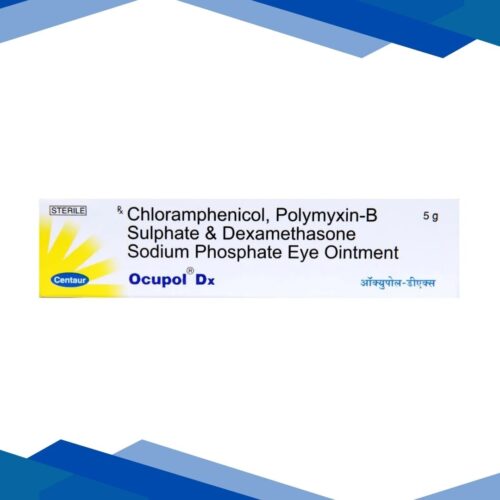
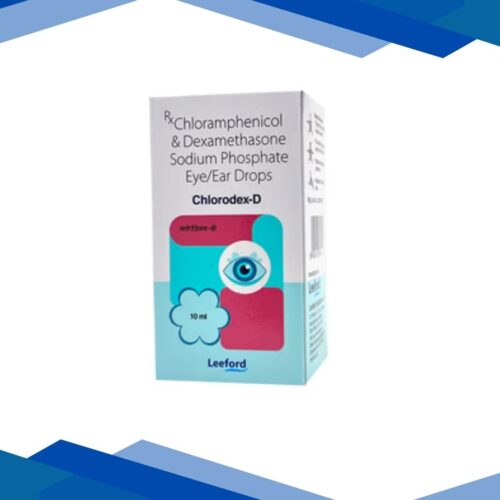
Eye infections (in the form of drops or ointment)
Certain respiratory or abdominal infections
How It Works
Chloramphenicol works by blocking bacteria from making proteins, which they need to grow and multiply. By stopping this process, it kills the bacteria and helps the body recover from infection
Dosage
As prescribed by your doctor.
Side effects
Some people may notice:
Nausea or upset stomach
Vomiting or diarrhea
Skin rash or irritation
Temporary anemia or low blood cell counts in rare cases
Gray baby syndrome – a serious reaction in newborns
Precautions
Should be used only under strict medical supervision due to possible serious side effects
Tell your doctor if you have liver problems or blood disorders
Not safe for babies or pregnant women unless absolutely necessary
Long-term use should be avoided as it may affect bone marrow
Follow the exact dose and course as prescribed—do not stop early
Avoid using this with other medications that suppress the immune system, unless approved by your doctor
Disclaimer
This content is for informational purposes only. Always consult a healthcare provider for medical advice and proper dosage
Dexamethasone
DEXAMETHASONE
Overview:
It is a corticosteroid, related to a natural hormone made by your adrenal glands. It mainly is used to supplement this compound when your body doesn’t produce enough of it naturally. It decreases inflammation (swelling, warmth, redness and pain) and
Classification:
Synthetic glucocorticoid corticosteroid and a corticosteroid ester
Uses:
It is used to treat conditions such as some types of arthritis, skin, blood, kidney, eye, thyroid and gastrointestinal (i.e, colitis) diseases, severe allergies and asthma. Aside from COVID-19, dexamethasone is most frequently used to treat certain types of cancer.
How It Works:
It works by suppressing the migration of neutrophils and decreasing lymphocyte colony proliferation. The capillary membrane becomes less permeable, as well.
Dosage:
As prescribed by your doctor.
Side Effects:
Upset stomach
Stomach irritation
Vomiting
Headache
Dizziness
Insomnia
Restlessness
Depression
Anxiety
Acne
Increased hair growth
Easy bruising
Irregular or absent menstrual periods
Precautions:
Tell your doctor and pharmacist if you are allergic to dexamethasone, aspirin, tartrazine (a yellow dye in some processed foods and drugs), or any other drugs.
Tell your doctor and pharmacist what prescription and nonprescription medications, vitamins, nutritional supplements, and herbal products you are taking or plan to take while taking dexamethasone. Your doctor may need to change the doses of your medications or monitor you carefully for side effects.
The following nonprescription products may interact with dexamethasone: ephedrine; aspirin and nonsteroidal anti-inflammatory drugs (NSAIDS) such as ibuprofen (Advil, Motrin, others) and naproxen (Aleve). Be sure to let your doctor and pharmacist know that you are taking these medications before you start taking dexamethasone. Do not start any of these medications while taking dexamethasone without discussing with your healthcare provider.
If you have a fungal infection (other than on your skin), do not take dexamethasone without talking to your doctor.
Tell your doctor if you have or have ever had liver, kidney, intestinal, or heart disease; diabetes; an underactive thyroid gland; high blood pressure; mental illness; myasthenia gravis; osteoporosis; herpes eye infection; seizures; tuberculosis (TB); or ulcers.
Tell your doctor if you are pregnant, plan to become pregnant, or are breast-feeding. If you become pregnant while taking dexamethasone, call your doctor.
If you are having surgery, including dental surgery, tell the doctor or dentist that you are taking dexamethasone.
If you have a history of ulcers or take large doses of aspirin or other arthritis medication, limit your consumption of alcoholic beverages while taking this drug. Dexamethasone makes your stomach and intestines more susceptible to the irritating effects of alcohol, aspirin, and certain arthritis medications: this effect increases your risk of ulcer
Disclaimer
This content is for informational purposes only. Always consult a healthcare provider for medical advice and proper dosage.