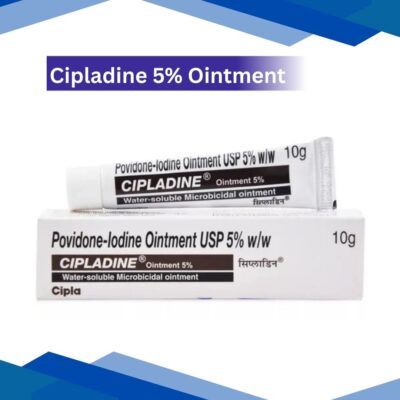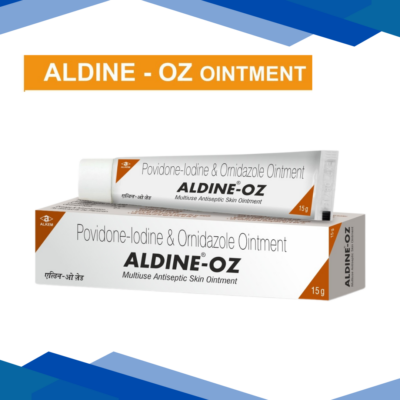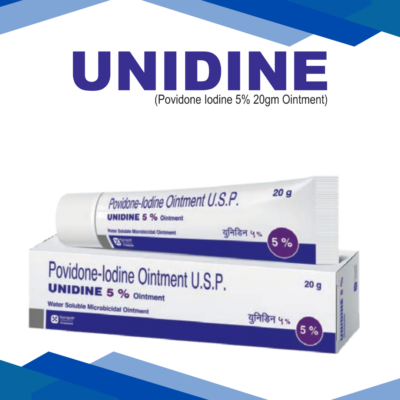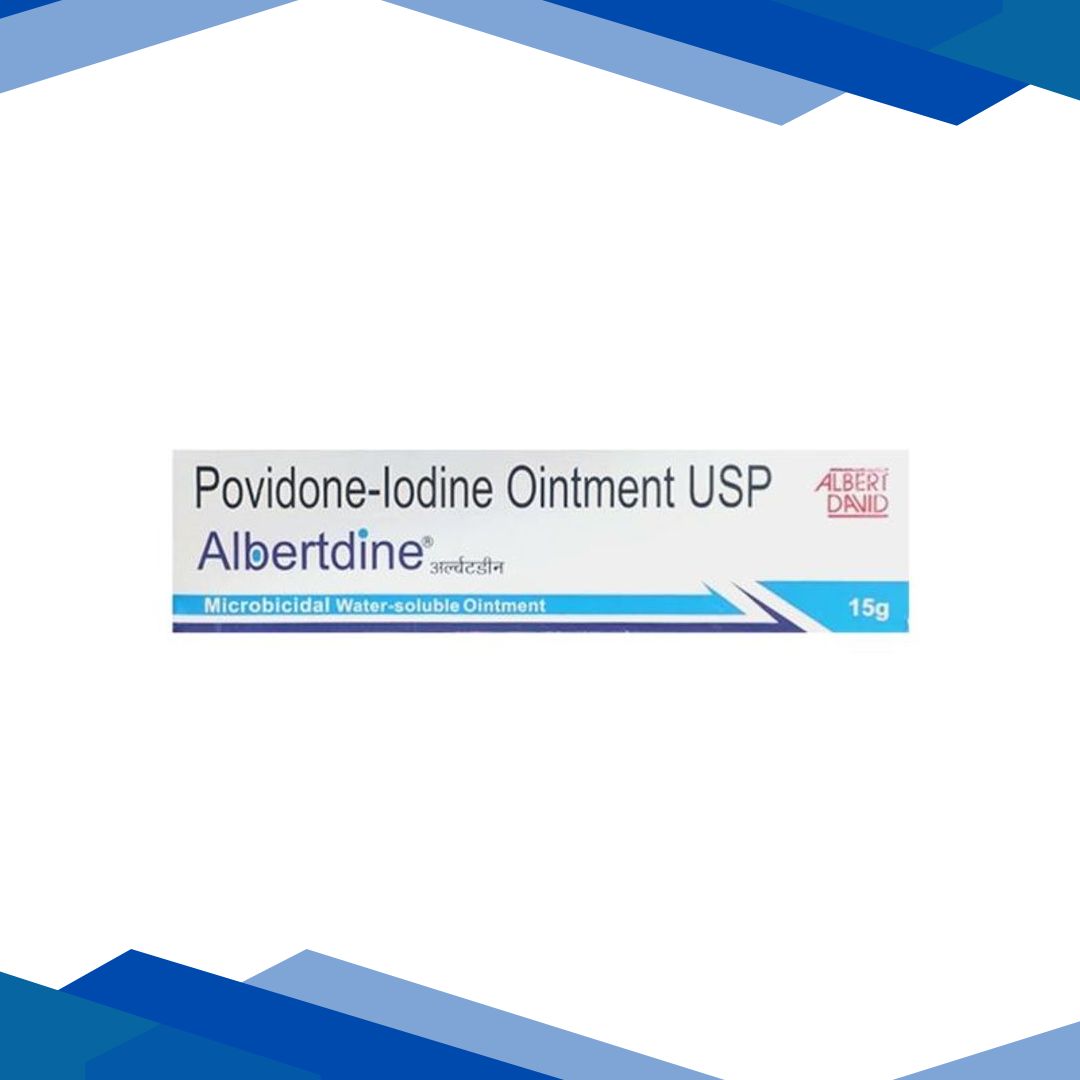
ALBERTDINE Ointment 15g
❌ Due to high demand, this product is currently out of stock. New stock will be available shortly.
👉 Click here to Buy Same Salt medicine
ALBERTDINE Ointment is a combination medicine used to help treat and manage infected wounds, ulcers, and other local skin or mucosal infections. ORNIDAZOLE works by stopping the growth of certain bacteria and parasites, while POVIDONE IODINE helps kill a wide range of germs on the affected area. SUCRALFATE forms a protective coating over the damaged surface, which helps shield it from irritation and supports healing. Together, these ingredients help reduce infection, protect the affected tissue, and promote a cleaner healing environment. This medicine is mainly used when an area needs both antimicrobial action and wound protection. It should be used under medical guidance to ensure it is suitable for the condition being treated.
Description
ALBERTDINE Ointment is a combination medicine used mainly for local treatment of infected, inflamed, or slow-healing skin and wound conditions, particularly where there is a risk of bacterial or protozoal contamination along with the need for wound protection and surface healing support. each ingredient contributes differently: ornidazole helps control certain anaerobic bacteria and protozoa, povidone iodine acts as a broad-spectrum antiseptic that reduces the number of microorganisms on the skin or wound surface, and sucralfate helps form a protective barrier over the affected area, supporting the healing process and reducing further irritation.
this combination is generally used in topical or local forms, depending on the product preparation. it is not meant to replace proper medical care for deep wounds, severe infections, or systemic illness. instead, it is often used when a healthcare professional wants to clean the area, reduce microbial load, protect the tissue, and encourage a healthier environment for repair. because it combines antimicrobial and protective actions, it may be useful in conditions where the skin barrier is damaged and vulnerable to further contamination.
the medicine works through multiple mechanisms. ornidazole interferes with the dna of susceptible microorganisms, making it difficult for them to survive and multiply. povidone iodine slowly releases iodine, which destroys bacteria, fungi, some viruses, and other microbes by damaging proteins and cell structures. sucralfate binds to damaged tissue and helps create a protective coating over the wound surface, which can reduce exposure to irritants and support the natural healing process. this multi-step action makes the combination especially valuable in local care when infection control and tissue protection are both important.
this medicine is generally intended for people with localized skin or wound problems where a clinician suspects contamination, mild infection, or a need for enhanced wound protection. it should be used under appropriate medical guidance, especially if the wound is large, deep, painful, spreading, or associated with fever, pus, or severe swelling. while it can help create a better local healing environment, it does not replace the need to evaluate the underlying cause of the wound or infection.
ingredients
- ornidazole: ornidazole is an antimicrobial agent active against certain anaerobic bacteria and protozoa. in local use, it helps reduce organisms that thrive in low-oxygen environments and may contribute to wound odor, contamination, or delayed healing. its role is especially important in mixed microbial environments where ordinary skin cleaning alone may not be enough.
- povidone iodine: povidone iodine is a well-known antiseptic that releases iodine gradually to kill a wide range of microorganisms on contact. it is commonly used to cleanse skin and wounds because it helps lower the microbial burden and reduces the risk of secondary infection. it is valued for its broad coverage against bacteria, fungi, and some viruses.
- sucralfate: sucralfate acts mainly as a protective coating agent. when applied to damaged tissue, it adheres to the wound surface and forms a barrier that can shield the area from irritation, mechanical friction, and further contamination. this protective action may support healing by giving the tissue a more favorable environment to recover.
key uses
- local wound care: used to help cleanse and protect minor to moderate wounds, abrasions, and skin breaks where microbial contamination may delay healing. it supports wound hygiene and may reduce the risk of surface infection.
- infected or contaminated skin lesions: may be recommended for localized skin areas with signs of infection, such as mild discharge, odor, redness, or irritation, when a clinician believes topical antimicrobial action is appropriate.
- support in slow-healing wounds: helps create a protective environment over damaged tissue, which can be useful when healing is slowed by repeated irritation, contamination, or fragile skin.
- reduction of microbial load: the antiseptic and antimicrobial components work together to lower the number of microorganisms present at the application site, which may help limit worsening of local infection.
- protection of damaged tissue: sucralfate contributes a barrier effect that may help protect the wound from friction, external irritants, and repeated minor trauma, supporting tissue repair.
how to use
use ALBERTDINE Ointment exactly as advised by a healthcare professional or as directed on the product label. it is usually intended for external or local use on the affected area after the skin or wound has been cleaned gently. before application, wash your hands thoroughly and cleanse the wound area with clean water or as advised by your clinician. apply only a thin layer or the prescribed local amount to cover the affected area, unless the product instructions state otherwise. avoid using excessive amounts, as more medicine does not necessarily mean better healing and may increase irritation.
the medicine should generally be applied at the frequency recommended by your healthcare professional, often depending on the severity and location of the condition. if the area is covered with a dressing, follow instructions on whether to apply before or after dressing changes. do not use on large areas, deep wounds, or near the eyes, mouth, or inside the nose unless specifically instructed. if the skin becomes very irritated, the wound worsens, or there is no improvement after a reasonable period, medical review is important. always follow the product-specific directions because topical formulations can vary in strength and intended use.
safety information
- warnings: this medicine is intended for local use only unless specifically prescribed otherwise. avoid contact with eyes, and do not ingest it. do not apply to severe burns, deep puncture wounds, or extensive open wounds without medical supervision. povidone iodine can cause irritation or absorb iodine into the body if used over large areas or for long periods, which may affect thyroid function in susceptible people. ornidazole should be used carefully because unnecessary antimicrobial use can contribute to treatment failure or resistance. if there is fever, spreading redness, severe pain, foul-smelling discharge, or rapidly increasing swelling, seek medical care promptly because these may indicate a more serious infection.
- side effects: common side effects may include mild burning, stinging, redness, dryness, itching, or temporary discomfort at the application site. some people may notice local skin irritation or staining due to iodine. less common but more serious effects can include allergic reactions, worsening rash, blistering, significant swelling, or signs of iodine sensitivity. if used excessively or on large areas, there may be a risk of iodine absorption, which in rare cases can affect thyroid-related symptoms. persistent irritation or unexpected worsening should be evaluated by a clinician.
- precautions: people with a known allergy to iodine, povidone-iodine products, ornidazole, or sucralfate should avoid use unless cleared by a healthcare professional. use caution in people with thyroid disease, kidney problems, sensitive skin, or a history of contact dermatitis. extra care is needed in infants, older adults, and those with fragile skin or impaired wound healing. this medicine should not be used as a substitute for proper wound cleaning, tetanus prevention when needed, or medical evaluation of serious wounds.
- pregnancy/breastfeeding: use during pregnancy or breastfeeding should be discussed with a healthcare professional first. povidone iodine may pose concerns if used extensively or for long periods because iodine can be absorbed and may affect thyroid balance in the mother or baby. small, localized use may sometimes be considered, but only when the benefit outweighs the risk. breastfeeding mothers should be particularly cautious about applying it near the breast or nipple area unless medically directed.
- interactions: because this is a local medicine, interactions are usually limited, but some still matter. using it together with other topical antiseptics, harsh soaps, strong acids, or irritating skin products may increase dryness or irritation. povidone iodine can interact with other iodine-containing products or with medications affecting the thyroid if there is significant absorption. ornidazole may be of concern in people taking certain antimicrobial or alcohol-related treatments, so avoid alcohol if your healthcare provider advises caution, especially if the formulation has any systemic absorption risk. always tell your clinician about all medicines, creams, and supplements you use.
additional information
- storage: store in a cool, dry place away from direct sunlight, heat, and moisture. keep the container tightly closed and out of reach of children. do not freeze unless the label specifically allows it. check the expiry date before use and discard any product that has changed color, smell, or consistency in an unusual way.
- missed dose: if you miss an application, use it as soon as you remember unless it is almost time for the next scheduled application. do not apply extra product to make up for a missed dose. resume the regular routine as directed.
- overdose: excessive topical use may cause increased skin irritation, redness, or burning. using too much over a large surface area or for a prolonged time may increase absorption, especially of iodine, which can lead to broader body effects in sensitive individuals. if accidental ingestion occurs or if a large amount is applied and there are symptoms such as severe irritation, dizziness, weakness, or unusual swelling, contact a healthcare professional or poison control center promptly.
- habit forming: no. ALBERTDINE Ointment is not habit-forming and does not cause dependence. it is used for its local antimicrobial and protective effects, not for any addictive action.
frequently asked questions
Q: what is ALBERTDINE Ointment used for?
A: it is used for local care of contaminated, infected, or slow-healing skin and wound areas. the combination helps reduce microbes, protect damaged tissue, and support healing.
Q: how does this medicine help a wound heal?
A: povidone iodine lowers the number of microorganisms on the wound surface, ornidazole helps control susceptible anaerobic organisms, and sucralfate forms a protective barrier over damaged tissue.
Q: can i use this medicine on a deep wound?
A: deep, bleeding, puncture, or heavily infected wounds should not be self-treated without medical advice. such wounds may need proper cleaning, drainage, or other treatment from a healthcare professional.
Q: will it sting when applied?
A: mild stinging or burning can happen, especially on raw or sensitive skin. this is often temporary, but severe pain or worsening irritation should be checked by a clinician.
Q: can i use it on my face?
A: use on the face only if specifically advised. extra caution is needed near the eyes, lips, and nostrils because the ingredients may irritate delicate tissue.
Q: is it safe for children?
A: children may be more sensitive to iodine absorption and skin irritation, so use in children should be guided by a healthcare professional.
Q: can i apply it with other creams or ointments?
A: avoid combining it with other topical products unless advised, because some combinations may reduce effectiveness or increase irritation.
Q: does this medicine replace antibiotics taken by mouth?
A: no. if the infection is significant or spreading, topical treatment alone may not be enough. a clinician may decide if oral or other treatment is needed.
Q: can i stop using it when the area looks better?
A: follow the healthcare professional? advice on duration. stopping too early may allow the problem to return or heal incompletely.
Q: what should i do if i get a rash after using it?
A: stop using the product and seek medical advice, especially if the rash spreads, blisters, or is accompanied by itching, swelling, or breathing difficulty.
Q: can this medicine cause thyroid problems?
A: if povidone iodine is used extensively, repeatedly, or on large open areas, iodine absorption may affect thyroid function in susceptible people. this is why medical guidance is important.
Q: should i cover the area after applying it?
A: some wounds may benefit from a dressing, but the decision depends on the wound type and the product instructions. follow the clinician? directions for dressing and cleaning.
Q: what if the wound smells bad or has pus?
A: a bad smell or pus can suggest infection that may need more than topical treatment. get the wound assessed by a healthcare professional promptly.
Q: can i use it if i am allergic to iodine?
A: no, or at least not without medical advice. people with iodine or povidone-iodine allergy should avoid this medicine because serious allergic reactions can occur.
Q: is alcohol okay while using this medicine?
A: alcohol is usually less relevant for local topical use, but it is still sensible to avoid alcohol if your healthcare professional has concerns about ornidazole-related interactions or if you are being treated for a significant infection.
this information is for educational purposes only and should not be considered medical advice. always consult a qualified healthcare professional before use.
At Gem Pharmacy, we make every effort to provide accurate, expert-written, and thoroughly reviewed information related to medicines. However, this information should not be considered a substitute for professional medical advice, diagnosis, or treatment from a qualified doctor.
The purpose of this information is to educate users and improve communication between patients and healthcare professionals. It should not be used to diagnose or treat any condition.
Always consult a certified healthcare professional before taking any medication.


Related products