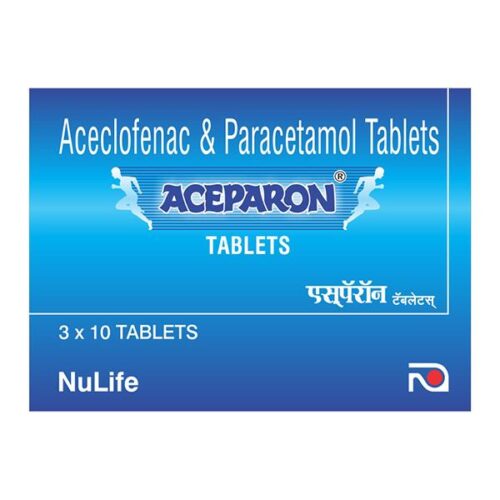
Aceclofenac
Aceclofenac
Overview:
Aceclofenac is a nonsteroidal anti-inflammatory drug (NSAID) analog of diclofenac
Classification: Anti-inflammatory drug (NSAID)
Uses:
Aceclofenac is primarily used for pain management in chronic conditions like rheumatoid arthritis, osteoarthritis, or ankylosing spondylitis.
Rheumatoid arthritis: It relieves swelling and stiffness of joints and overall pain due to the condition.
Osteoarthritis: It helps alleviate painful, tender joints and manages pain.
Ankylosing spondylitis: It helps manage the stiffness and pain in this kind of spondylitis.
How it works:
It works by blocking the release of certain chemical messengers that cause pain and inflammation (redness and swelling).
Dosage: As directed by the physician
Precautions:
Tell your doctor if you have an allergic tendency to the medicine. Even if you are allergic to other medicines, you should discuss them with your doctor.
Alcohol consumption must be avoided as it can cause stomach bleeding.
Pregnant women are not supposed to take Aceclofenac + Paracetamol, more so in the advanced stages of pregnancy. The foetus may develop heart defects, or there may be a delay in birth
Those with ongoing symptoms or a history of stomach ulcers or bleeding anywhere in the digestive tract must not take this medicine.
Patients who suffer from heart disease, have a liver or kidney problem, or have high blood pressure must take caution.
If you have any pre-existing health conditions, like Asthma, Hypersensitivity, Peptic Ulcers, Stroke, Heart, Liver, or Kidney-related conditions, etc., speak with your doctor.
Breastfeeding women must take care and consume the medicine only after seeking a doctor’s advice.
Side Effects:
Mouth ulcer
Fatigue
Constipation
Allergic skin reactions
Abdominal pain
Bloody and cloudy urine
Dizziness
Drowsiness
Constipation
Fainting
Malaise
Disclaimer:
This content is for informational purposes only. Always consult a healthcare provider for medical advice and proper dosage.
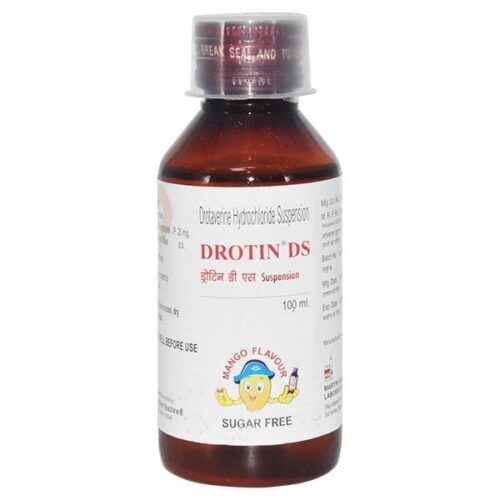
Drotaverine
DROTAVERINE
Overview:
Drotaverine is a medicine that helps relax tight muscles in the stomach, intestines, or urinary tract. It’s often used to ease stomach pain, period cramps, or pain from kidney and gallbladder stones, giving relief from the uncomfortable spasms that cause the pain.
Classification: Antispasmodic
Uses:
- Relieves stomach and intestinal cramps
- Helps with period pain (menstrual cramps
- Eases pain from kidney stones and gallbladder stone
- Used for urinary tract spasms
- Sometimes given to reduce labor pain or uterine cramps
How it works:
Drotaverine works by blocking the enzyme phosphodiesterase-4 (PDE4), which increases cAMP levels in smooth muscle cells. This causes the muscles of the stomach, intestines, urinary tract, and uterus to relax, reducing spasms and pain. Unlike some other antispasmodics, it doesn’t affect the heart or blood pressure much.
Dosage: As prescribed by your doctor.
Side Effects:
- Headache
- Dizziness
- Nausea or upset stomach
- Flushing (redness of the skin)
- Low blood pressure (rare)
Precautions:
- Use with caution if you have low blood pressure or heart problems.
- Avoid it if you are allergic to drotaverine or similar antispasmodics.
- Pregnant or breastfeeding women should take it only under medical supervision.
- Do not exceed the recommended dose to avoid side effects like dizziness or headache.
- People with liver or kidney problems should use it carefully and under a doctor’s guidance.
Disclaimer:This content is for informational purposes only. Always consult a healthcare provider for medical advice and proper dosage.