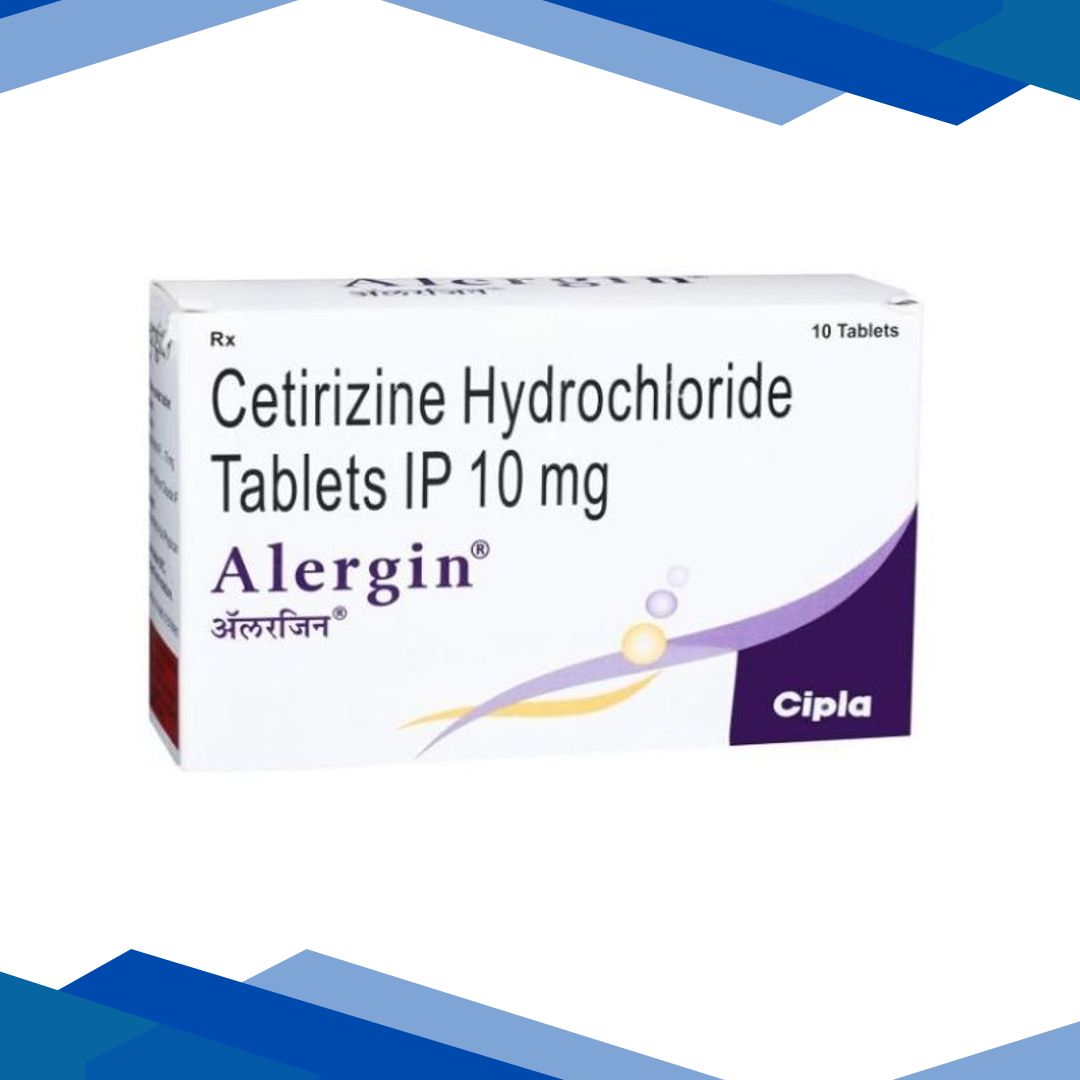
Alergin Tablet 10’S
❌ Due to high demand, this product is currently out of stock. New stock will be available shortly.
👉 Click here to Buy Same Salt medicine
Alergin Tablet is a combination medicine used to help relieve allergy-related symptoms along with chest congestion. Cetirizine is an antihistamine that works by blocking histamine, a natural substance in the body that causes sneezing, runny nose, watery eyes, and itching. Ambroxol is a mucolytic that helps loosen thick mucus, making it easier to cough out and clear from the airways. Together, this medicine is commonly used for conditions where allergies or colds are associated with mucus buildup, nasal congestion, and cough. It may help improve breathing comfort and reduce irritation in the throat and chest. Alergin Tablet should be used under medical advice, especially in people with ongoing illness or other health conditions.
Description
Alergin Tablet is a combination medicine commonly used to help manage respiratory conditions in which allergy-related symptoms and thick mucus both play a role. it brings together two different medicines with complementary actions: cetirizine helps reduce allergic symptoms such as sneezing, runny nose, itching, and watery eyes, while ambroxol helps loosen and thin mucus so it can be cleared more easily from the airways. because of this dual action, the combination is often used when a person has congestion with mucus along with irritation or allergy-like symptoms.
cetirizine belongs to a group of medicines called antihistamines. histamine is a natural chemical released by the body during allergic reactions, and it can cause nasal irritation, sneezing, and watery secretions. cetirizine works by blocking the effects of histamine, thereby easing these symptoms. compared with older antihistamines, it is generally less likely to cause severe drowsiness, though sleepiness can still occur in some people. this makes it useful in conditions where allergy symptoms are interfering with comfort, breathing, or daily activities.
ambroxol is a mucolytic and expectorant medicine. it acts on thick respiratory mucus by reducing its viscosity and helping the body clear it from the chest and airways. this can make coughing more productive, meaning mucus is easier to bring up rather than remaining stuck in the lungs or throat. by improving mucus clearance, ambroxol may help relieve chest congestion and make breathing feel easier in illnesses associated with excessive or sticky phlegm.
this combination is generally intended for people who have symptoms such as blocked nose, sneezing, mucus in the chest, cough with phlegm, or irritation caused by upper respiratory allergies or similar conditions. it is important to understand that Alergin Tablet treats symptoms; it does not cure the underlying cause if the cause is an infection, chronic lung disease, or another medical disorder. if symptoms are severe, persistent, or associated with fever, shortness of breath, chest pain, or blood in sputum, medical evaluation is important.
ingredients
- cetirizine: cetirizine is an antihistamine that helps control allergy-related symptoms such as sneezing, runny nose, nasal itching, eye irritation, and watery discharge. it works by blocking h1 histamine receptors, which reduces the body? allergic response. in this combination, cetirizine helps relieve irritation and allergic nasal symptoms that often accompany respiratory discomfort.
- ambroxol: ambroxol is a mucolytic agent that helps break down and loosen thick mucus in the respiratory tract. by reducing the stickiness of phlegm, it supports easier expectoration and helps clear the airways. this can be especially useful when coughing is productive and mucus is difficult to expel.
key uses
- allergy-related nasal symptoms: cetirizine helps reduce sneezing, runny nose, and nasal itching caused by allergic irritation, making breathing and daily comfort better.
- chest congestion with thick mucus: ambroxol helps thin mucus in the airways, which can make it easier to cough out and reduce the feeling of heaviness or blockage in the chest.
- productive cough: when a cough is associated with sticky phlegm, the combination may help improve mucus clearance and make coughs more effective rather than dry and irritating.
- upper respiratory discomfort with mucus buildup: in some conditions where allergy and mucus overproduction happen together, this medicine may help address both symptom types at once.
- supportive relief in respiratory illnesses: it may be used as symptomatic treatment in mild to moderate respiratory conditions where mucus and allergic symptoms are both present, but it does not replace treatment of the underlying cause.
how to use
Alergin Tablet should be used exactly as directed by a healthcare professional or according to the label instructions on the product. it is usually taken by mouth and may be taken with or without food, although taking it after food can help reduce stomach upset in some people. the medicine should be swallowed with water, and the dosage form should not be crushed or chewed unless specifically stated for that product type. because cetirizine can sometimes cause drowsiness, it is often best to observe how you respond to it before driving, operating machinery, or performing tasks that require alertness.
general use depends on the age of the patient, the severity of symptoms, and the formulation being used, so dosing should not be guessed or doubled without professional guidance. it is important to use this medicine only for the duration advised and not to continue it unnecessarily if symptoms improve. if symptoms do not improve after a reasonable period, or if they worsen, medical advice should be sought because the cause may need different treatment. do not combine it with other cough, cold, or allergy products without checking the ingredients first, since duplicate antihistamines or overlapping medicines can increase side effects.
safety information
- warnings: cetirizine may cause drowsiness, slowed reaction time, dry mouth, or dizziness in some people. ambroxol may cause stomach upset, nausea, vomiting, or throat irritation. this medicine should be used carefully in people with asthma, chronic bronchitis, kidney problems, liver disease, or a history of medication sensitivity. if coughing is persistent, severe, or accompanied by high fever, breathing trouble, wheezing, chest pain, or green/bloody mucus, medical evaluation is needed rather than self-treatment alone.
- side effects: common side effects may include sleepiness, fatigue, dizziness, dry mouth, headache, nausea, stomach discomfort, or mild throat irritation. less common but more serious effects can include allergic reactions such as rash, swelling of the face or lips, breathing difficulty, severe skin reactions, or significant gastrointestinal symptoms. if any severe or unusual reaction occurs, stop the medicine and seek medical help promptly.
- precautions: people with kidney impairment may need special caution because cetirizine is cleared partly through the kidneys. those with liver disease should also use caution, particularly if symptoms are severe or other medicines are being taken. older adults may be more sensitive to drowsiness, dizziness, and fall risk. patients with a history of peptic ulcer, gastric irritation, or recurring respiratory disease should consult a healthcare professional before using this combination.
- pregnancy/breastfeeding: Alergin Tablet should only be used during pregnancy if clearly needed and recommended by a clinician. during breastfeeding, caution is also advised because small amounts of medicine may pass into breast milk, and antihistamines may affect the infant in some cases. a doctor or pharmacist should evaluate whether the expected benefit outweighs any potential risk.
- interactions: cetirizine can increase drowsiness when taken with alcohol, sleeping pills, sedatives, anti-anxiety medicines, opioid pain relievers, or other drugs that depress the central nervous system. taking it with other antihistamines or cold medicines can increase side effects. ambroxol may interact with other cough medicines, especially cough suppressants, because suppressing cough too strongly may reduce mucus clearance. always check with a healthcare professional before combining this medicine with prescription, over-the-counter, or herbal products.
additional information
- storage: store in a cool, dry place away from direct sunlight, moisture, and excessive heat. keep the medicine in its original container and out of reach of children and pets. do not use it after the expiry date.
- missed dose: if a dose is missed, take it when remembered unless it is almost time for the next dose. if the next dose is near, skip the missed dose and continue the regular schedule. do not take extra medicine to make up for a missed dose.
- overdose: overdose may cause marked drowsiness, confusion, dizziness, rapid heartbeat, restlessness, nausea, vomiting, or unusual agitation. in severe cases, serious symptoms may occur and urgent medical attention is needed. if an overdose is suspected, contact emergency services or a poison information center right away.
- habit forming: no, Alergin Tablet is not considered habit-forming. however, it should still be used only as directed because unnecessary or prolonged use can mask an underlying condition and may increase the risk of side effects.
frequently asked questions
Q: what is Alergin Tablet used for?
A: Alergin Tablet is used to relieve allergy-related symptoms such as sneezing and runny nose while also helping loosen thick mucus in the airways. it is commonly used when both nasal allergy symptoms and productive cough or chest congestion are present.
Q: can Alergin Tablet cause sleepiness?
A: yes, cetirizine can cause drowsiness in some people. the degree of sleepiness varies from person to person, so it is wise to avoid driving or operating machinery until you know how the medicine affects you.
Q: can i take this medicine with food?
A: in general, this medicine can be taken with or without food. taking it after food may help reduce stomach discomfort if you are sensitive to medicines that can irritate the stomach.
Q: is Alergin Tablet a cough suppressant?
A: no, it is not primarily a cough suppressant. it helps reduce mucus thickness and allergy symptoms, which may make coughing more productive and easier to clear mucus from the chest.
Q: should i use this medicine for a dry cough?
A: this combination is usually more helpful for cough with mucus and allergy symptoms rather than a purely dry cough. a dry cough may need a different treatment depending on the cause.
Q: can i drink alcohol while taking Alergin Tablet?
A: it is better to avoid or limit alcohol because it can increase drowsiness and dizziness caused by cetirizine and may worsen judgment or coordination.
Q: who should be careful before using this medicine?
A: people with kidney or liver disease, older adults, pregnant or breastfeeding women, and anyone taking sedatives or other cough and cold products should consult a healthcare professional before use.
Q: what should i do if my symptoms do not improve?
A: if symptoms persist, worsen, or are associated with fever, shortness of breath, wheezing, chest pain, or blood in the mucus, seek medical advice promptly. the underlying cause may need proper diagnosis and treatment.
Q: can this medicine be taken with other allergy medicines?
A: it should not usually be combined with other antihistamines or allergy products unless a healthcare professional advises it. using multiple similar medicines can increase side effects without adding much benefit.
Q: is this medicine safe for children?
A: safety in children depends on age, weight, formulation, and medical condition. a healthcare professional should determine whether it is appropriate and what dose is suitable.
this information is for educational purposes only and should not be considered medical advice. always consult a qualified healthcare professional before use.
At Gem Pharmacy, we make every effort to provide accurate, expert-written, and thoroughly reviewed information related to medicines. However, this information should not be considered a substitute for professional medical advice, diagnosis, or treatment from a qualified doctor.
The purpose of this information is to educate users and improve communication between patients and healthcare professionals. It should not be used to diagnose or treat any condition.
Always consult a certified healthcare professional before taking any medication.


Related products