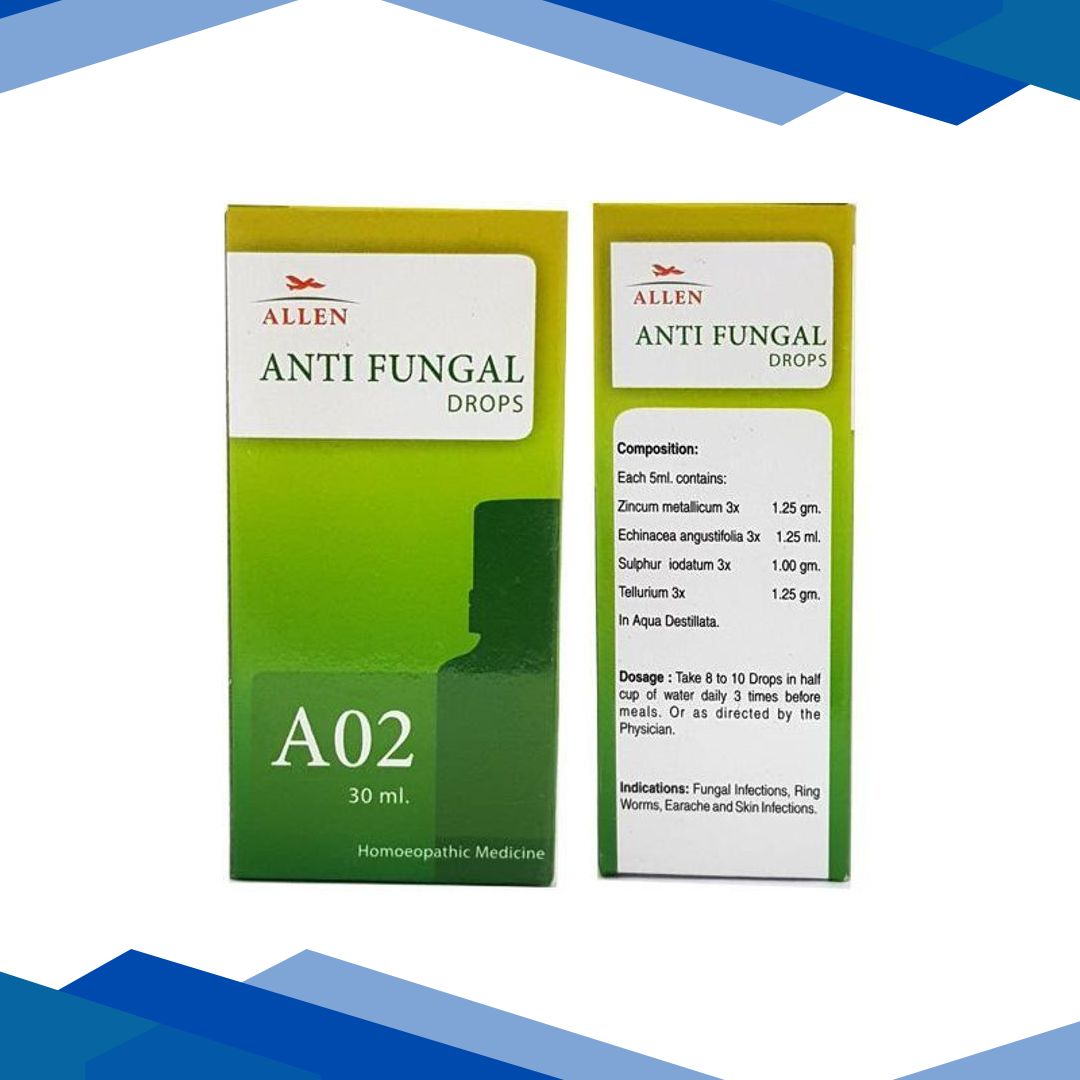
Allen A02 Anti Fungal Drops 30 ml
Allen A02 Anti Fungal Drops 30 is a combination vaccine used to help protect children and infants against several serious infectious diseases in one injection. It works by stimulating the immune system to recognize and fight the germs that cause diphtheria, Hib disease, hepatitis B, pertussis (whooping cough), tetanus, and poliomyelitis. This helps the body build immunity before exposure to these infections. The vaccine is mainly used for routine immunization to reduce the risk of severe illness, complications, and spread of these diseases. It is given under medical supervision as part of a vaccination schedule recommended by healthcare professionals.
Description
Allen A02 Anti Fungal Drops 30 is a combination immunization used to help protect infants and young children against several serious infectious diseases in a single injection. it contains components that stimulate the immune system to recognize and defend against diphtheria, tetanus, pertussis (whooping cough), hepatitis b, haemophilus influenzae type b (hib), and poliomyelitis (polio). because it combines multiple vaccines, it helps reduce the number of injections a child needs while supporting timely protection during the early months of life.
this vaccine works by exposing the immune system to harmless parts of the disease-causing organisms or toxoids, which are inactivated toxins. the body then learns to produce antibodies and immune memory without causing the actual diseases. later, if the vaccinated person is exposed to one of these infections, the immune system is better prepared to respond quickly and reduce the risk of severe illness, complications, hospitalization, and death. the vaccine does not treat an active infection; it is used to prevent disease before exposure occurs.
this combination vaccine is generally intended for use in infants and young children according to national immunization schedules and a healthcare professional? advice. it is especially valuable in routine childhood immunization programs because the diseases it prevents can be highly contagious and potentially life-threatening. the exact vaccine formulation, brand, and schedule may vary by country, age group, and local guidelines, so administration should always follow the recommendation of a qualified healthcare provider.
each component serves a specific preventive purpose. diphtheria toxoid and tetanus toxoid protect against toxin-mediated bacterial diseases that can cause severe breathing problems, muscle stiffness, spasms, and complications affecting the heart or nervous system. pertussis toxoid helps protect against whooping cough, a respiratory infection that can cause intense coughing fits and dangerous breathing problems in infants. hepatitis b vaccine rdna helps protect the liver from hepatitis b virus infection, which can become chronic and lead to liver damage. haemophilus influenzae type b conjugate helps prevent serious infections such as meningitis, pneumonia, and bloodstream infection. the inactivated poliomyelitis trivalent vaccine helps protect against polio, a viral disease that can lead to paralysis and long-term disability.
because this is a combination vaccine, it is designed to simplify childhood immunization while maintaining broad protection. however, like all vaccines, it may not protect every person completely. protection also depends on receiving the vaccine at the recommended times and completing the full schedule. a healthcare professional should assess a child? medical history, current health, and previous vaccine reactions before giving this vaccine.
ingredients
- diphtheria toxoid: a purified, inactivated form of diphtheria toxin that trains the immune system to recognize and neutralize diphtheria toxin in the future. it helps prevent a serious bacterial illness that can affect the throat, heart, and nervous system.
- haemophilus influenzae type b conjugate: a vaccine component that protects against invasive hib disease. the conjugate design improves immune response in infants and helps prevent meningitis, epiglottitis, pneumonia, and septicemia caused by hib.
- hepatitis b vaccine rdna: a recombinant dna-based vaccine component that helps the body develop protection against hepatitis b virus. it lowers the risk of chronic liver infection, cirrhosis, and liver cancer later in life.
- pertussis toxoid: a component used to build immunity against pertussis, also known as whooping cough. it helps reduce the risk of severe coughing illness, especially dangerous in young infants.
- tetanus toxoid: an inactivated toxin that stimulates immunity against tetanus. it helps prevent painful muscle stiffness and spasms caused by tetanus bacteria entering the body through wounds or the umbilical area in newborns.
- inactivated poliomyelitis trivalent vaccine: a vaccine component containing inactivated poliovirus types that helps prevent polio. it protects against a disease that can cause permanent paralysis, breathing difficulty, and disability.
- other formulation components: depending on the manufacturer, the product may also contain stabilizers, buffers, and adjuvants that help maintain potency and improve immune response. these are not intended to provide protection on their own but support the vaccine? effectiveness and storage stability.
key uses
- prevention of diphtheria: helps protect against a serious bacterial infection that can cause throat swelling, breathing difficulty, heart problems, and toxin-related complications.
- prevention of tetanus: provides immunity against tetanus, a potentially fatal condition marked by muscle stiffness, jaw cramping, and severe spasms after wound contamination.
- prevention of pertussis: helps reduce the risk of whooping cough, which can be especially dangerous for infants and may lead to pneumonia, apnea, or hospitalization.
- prevention of hepatitis b: protects against hepatitis b virus infection, which can cause acute liver inflammation and may become chronic, increasing the risk of long-term liver disease.
- prevention of hib disease: lowers the chance of invasive infections caused by haemophilus influenzae type b, including meningitis, bloodstream infection, and severe respiratory illness.
- prevention of poliomyelitis: helps protect against polio, a viral infection that can damage the nervous system and lead to paralysis or permanent weakness.
- routine childhood immunization: used as part of standard vaccination schedules to provide broad protection during the early years of life when children are most vulnerable to these infections.
how to use
this vaccine is administered by a healthcare professional, usually by injection into a muscle. it is not meant for self-administration. the schedule, number of doses, and timing depend on the child? age, previous vaccines, and local immunization recommendations. to achieve the best protection, doses should be given at the intervals advised by the clinician, and completing the full schedule is important even if the child appears healthy after the first dose.
before vaccination, the healthcare provider may review the child? health history, including prior vaccine reactions, severe allergies, fever, seizure history, immune system problems, or previous neurological events. if the child has a moderate or severe illness, vaccination may sometimes be postponed until recovery. after administration, the child may be observed briefly to ensure there is no immediate allergic reaction or fainting episode, although serious reactions are uncommon.
parents and caregivers should follow the vaccination card or clinic instructions carefully and keep all scheduled appointments. if a dose is missed, it should generally be given as soon as possible according to catch-up immunization guidance, rather than restarting the series without advice. this vaccine helps build protective immunity over time, but it does not provide instant protection immediately after a dose.
safety information
- warnings: this vaccine should be administered only under medical supervision. severe allergic reactions are rare but possible, especially in individuals with a history of allergy to a previous dose or vaccine component. medical help should be sought immediately if signs such as difficulty breathing, swelling of the face or throat, widespread rash, or collapse occur after vaccination. children with a history of encephalopathy, severe neurologic reactions, or unexplained high fever after a pertussis-containing vaccine should be evaluated carefully before receiving another dose. vaccination should be delayed during significant acute illness when advised by the clinician.
- side effects: common side effects may include pain, redness, swelling, or tenderness at the injection site, mild fever, irritability, sleepiness, reduced appetite, fussiness, or temporary fatigue. some children may experience mild vomiting, diarrhea, or a brief loss of appetite. serious side effects are uncommon but can include high fever, prolonged crying, febrile seizures, severe allergic reactions, unusual drowsiness, persistent limpness, or signs of neurological symptoms. parents should report unusual or severe symptoms promptly.
- precautions: use caution in children with a history of severe allergy to vaccines, latex sensitivity if relevant to the product packaging, immune system disorders, bleeding disorders, or prior neurologic problems. children who are moderately or severely ill may need to wait until they recover. a healthcare professional should also be informed about any previous adverse reactions to vaccines, current medications, or recent blood products, as these may affect vaccine timing or response.
- pregnancy/breastfeeding: this vaccine is generally intended for infants and young children, so pregnancy and breastfeeding are usually not relevant for the primary recipients. if a pregnant or breastfeeding person is being considered for vaccination in a special circumstance, a healthcare professional should assess the risks and benefits. vaccination decisions during pregnancy or lactation should always be individualized by a clinician.
- interactions: some medicines that suppress the immune system, such as corticosteroids, chemotherapy, or other immunosuppressants, may reduce vaccine response. recent receipt of immunoglobulins or blood products may affect some vaccine components or timing. alcohol interaction is not typically relevant for infants and children, but the caregiver administering the vaccine should still disclose all medicines and therapies. other vaccines may sometimes be given at the same visit, depending on the schedule, but only as directed by a healthcare professional.
additional information
- storage: store exactly as directed by the manufacturer and healthcare facility, usually under refrigerated conditions and protected from freezing. freezing can damage vaccine potency. do not use the vaccine if it has been improperly stored, discolored, or contains visible particles unless the product information says otherwise.
- missed dose: if a scheduled dose is missed, contact a healthcare professional or immunization clinic as soon as possible. the next dose should usually be given according to catch-up schedules. do not try to make up for a missed dose without medical advice.
- overdose: an overdose is unlikely in the usual sense, but giving extra doses too close together may increase the risk of local reactions, fever, or discomfort. if too much vaccine has been given or doses were repeated by mistake, seek medical guidance promptly. monitoring may be recommended if symptoms occur.
- habit forming: no. this vaccine is not habit forming and does not cause dependence. it is used for disease prevention only and does not create cravings or addictive behavior.
frequently asked questions
Q: what diseases does this combination vaccine protect against?
A: it helps protect against diphtheria, tetanus, pertussis, hepatitis b, haemophilus influenzae type b, and poliomyelitis. it is commonly used in childhood vaccination programs to provide broad early protection against serious infectious diseases.
Q: is this vaccine used to treat an active infection?
A: no. this vaccine is preventive only. it helps the immune system prepare for future exposure, but it does not cure or treat any current infection.
Q: why is a combination vaccine used instead of separate injections?
A: combination vaccines reduce the number of injections a child needs, which can improve comfort and help families follow the immunization schedule more easily. they also simplify clinic visits while still providing important protection.
Q: can side effects happen after this vaccine?
A: yes. mild side effects such as fever, pain at the injection site, irritability, or tiredness are common and usually temporary. serious reactions are uncommon but require immediate medical attention.
Q: what should i do if my child has a fever after vaccination?
A: a mild fever after vaccination can be normal, but the child should be observed for other symptoms. if the fever is high, persistent, or accompanied by unusual sleepiness, breathing problems, rash, or poor feeding, contact a healthcare professional promptly.
Q: who should not receive this vaccine without medical advice?
A: children with a history of severe allergic reaction to a previous dose, serious reaction to a vaccine ingredient, or certain neurologic complications after a pertussis-containing vaccine should be carefully evaluated by a healthcare professional before receiving another dose.
Q: does this vaccine provide lifelong protection?
A: protection may decrease over time for some diseases, which is why booster doses may be recommended according to immunization schedules. a healthcare professional can explain the full vaccine plan for each child.
Q: can this vaccine be given with other childhood vaccines?
A: it may be given along with other vaccines during the same visit if recommended by a healthcare professional and if the immunization schedule allows it. the final decision depends on the child? age and overall vaccination plan.
Q: what if my child is sick on the vaccination day?
A: a mild cold may not always prevent vaccination, but a moderate or severe illness may require postponement. the healthcare professional will decide whether to vaccinate now or wait until the child recovers.
Q: why is the hepatitis b component included in this vaccine?
A: the hepatitis b component helps protect the liver from a virus that can cause both short-term and long-term disease. early vaccination is important because chronic hepatitis b can lead to serious liver damage later in life.
Q: is this vaccine safe for most healthy infants?
A: it is generally considered safe and is widely used in routine childhood immunization when given according to medical guidance. as with any vaccine, a healthcare professional should review the child? medical history first.
Q: will this vaccine cause the diseases it protects against?
A: no. the vaccine components are inactivated, detoxified, or non-infectious and cannot cause the diseases they are designed to prevent. they stimulate the immune system without causing the actual infection.
Q: what is the purpose of the hib conjugate part?
A: the hib conjugate part helps infants and young children develop a stronger immune response against haemophilus influenzae type b, which can cause dangerous invasive infections such as meningitis and bloodstream infection.
Q: can adults receive this vaccine?
A: this combination vaccine is mainly intended for infants and young children under standard immunization schedules. adult use is uncommon and would only be considered in specific situations under medical guidance.
Q: should i worry if my child cries after the shot?
A: short-term crying or irritability is common after vaccination and usually settles on its own. if crying is prolonged, extreme, or associated with fever, unusual weakness, or breathing trouble, medical advice should be sought.
this information is for educational purposes only and should not be considered medical advice. always consult a qualified healthcare professional before use.
At Gem Pharmacy, we make every effort to provide accurate, expert-written, and thoroughly reviewed information related to medicines. However, this information should not be considered a substitute for professional medical advice, diagnosis, or treatment from a qualified doctor.
The purpose of this information is to educate users and improve communication between patients and healthcare professionals. It should not be used to diagnose or treat any condition.
Always consult a certified healthcare professional before taking any medication.


Related products
Allen A59 Tumour Drops 30 ml
Allen Alfa Plus Sugar Free Family Tonic 200 ml