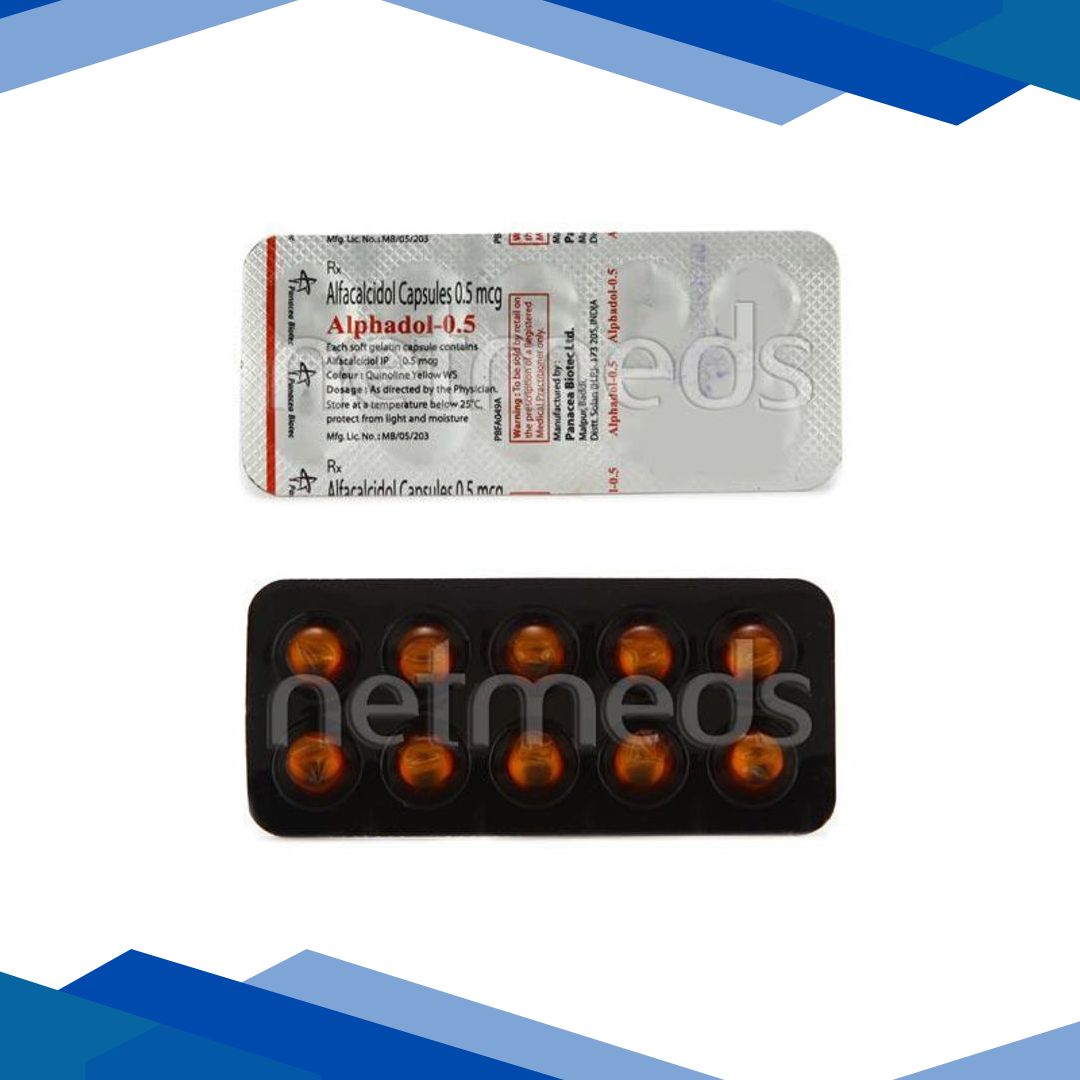
Alphadol 0.5Mcg Capsule 10’S
Alphadol 0.5Mcg Capsule is a vitamin D medicine used to help the body manage calcium and phosphate levels. It works by being converted in the body into an active form of vitamin D, which helps the intestines absorb calcium more effectively and supports healthy bone formation. This medicine is mainly used in conditions where the body cannot properly activate vitamin D, such as chronic kidney disease, certain bone disorders, and low calcium levels caused by vitamin D deficiency or poor activation. By improving calcium balance, Alphadol 0.5Mcg Capsule can help reduce bone pain, weakness, and the risk of bone problems. It should be used under medical supervision, as calcium levels may need to be monitored during treatment.
Description
Alphadol 0.5Mcg Capsule is a vitamin d analog used to help regulate calcium and phosphate balance in the body. it is commonly prescribed when the body cannot properly activate vitamin d on its own, which can happen in certain kidney, bone, or parathyroid conditions. by supporting calcium absorption from the gut and improving mineral availability in the blood and bones, Alphadol 0.5Mcg Capsule helps maintain stronger bones and supports normal muscle and nerve function.
this medicine works differently from ordinary vitamin d supplements because it is already a biologically active precursor that the body can convert into the active hormone form more easily. in people with kidney disease, for example, the kidneys may not efficiently convert vitamin d into its active form, so Alphadol 0.5Mcg Capsule can be especially useful. it is not a general health tonic or a routine supplement for everyone; it is used in specific medical situations where a clinician decides that vitamin d activation is needed.
doctors may prescribe Alphadol 0.5Mcg Capsule for conditions related to low calcium levels, bone weakness, mineral imbalance, or abnormal parathyroid hormone activity. it is used under supervision because too much calcium can be harmful. for that reason, patients taking Alphadol 0.5Mcg Capsule usually need periodic monitoring of blood calcium, phosphate, kidney function, and sometimes other laboratory values to ensure the medicine is working safely and effectively.
in simple terms, Alphadol 0.5Mcg Capsule helps the body use calcium more efficiently. this can improve bone mineralization, reduce bone pain in certain disorders, and help prevent complications of long-term calcium and vitamin d deficiency. however, because its effect can be strong and persistent, careful medical guidance is important to avoid excessive calcium levels and related complications.
ingredients
- Alphadol 0.5Mcg Capsule: this is the active ingredient and the main therapeutic component. it supports calcium and phosphate regulation by helping the body increase intestinal calcium absorption and maintain proper mineral balance. its main benefit is correcting or preventing problems caused by vitamin d deficiency or impaired vitamin d activation, especially in patients with kidney-related metabolic bone disease or other calcium-regulation disorders.
- capsule or tablet excipients: depending on the brand or formulation, Alphadol 0.5Mcg Capsule may contain inactive ingredients such as fillers, binders, stabilizers, lubricants, or capsule shells. these ingredients do not provide the main therapeutic effect, but they help form the medicine into a usable dosage form and maintain stability, consistency, and shelf life.
key uses
- chronic kidney disease-related bone and mineral disorders: Alphadol 0.5Mcg Capsule is often used when kidney disease interferes with normal vitamin d activation, leading to low calcium and bone disease. it helps support mineral balance and reduce bone-related complications.
- hypocalcemia due to vitamin d metabolism problems: in selected patients with low blood calcium caused by impaired vitamin d conversion or inadequate calcium absorption, this medicine may help restore calcium levels under medical supervision.
- rickets and osteomalacia: it may be used in certain forms of softening or poor mineralization of bones, especially when the problem is linked to vitamin d deficiency or abnormal vitamin d metabolism.
- hypoparathyroidism: in some patients with reduced parathyroid hormone activity, Alphadol 0.5Mcg Capsule may help manage low calcium levels and improve mineral balance, although monitoring is essential to avoid hypercalcemia.
- other specialist-directed calcium balance disorders: a healthcare professional may prescribe it for other conditions involving abnormal calcium and phosphate handling when conventional vitamin d supplementation is not sufficient or not appropriate.
how to use
Alphadol 0.5Mcg Capsule should be taken exactly as directed by a healthcare professional, because the correct use depends on the reason it was prescribed, the patient? calcium levels, kidney function, and response to treatment. it is usually taken by mouth, and it may be recommended with or without food depending on the specific product instructions. some people find it easier to take at the same time each day to maintain consistency. do not change the dose, stop the medicine, or take extra doses on your own, as even small changes may affect blood calcium levels.
follow the instructions on the prescription label carefully and attend any planned blood tests. monitoring is important because Alphadol 0.5Mcg Capsule can raise calcium levels too much if used improperly or if the body? mineral balance changes during treatment. if calcium or phosphate supplements are also prescribed, they should only be taken as instructed. if a dose is missed, do not double the next dose unless a qualified clinician specifically advises it. if you are unsure how to take the medicine, ask a pharmacist or doctor for guidance.
safety information
- warnings: Alphadol 0.5Mcg Capsule can cause high calcium levels if the dose is too high or if it is taken without proper monitoring. high calcium may lead to nausea, weakness, confusion, increased thirst, frequent urination, constipation, abdominal pain, or kidney problems. people taking calcium supplements, thiazide diuretics, digoxin, or other vitamin d-related products need extra caution. regular blood tests are often necessary to ensure safe use.
- side effects: common side effects may include headache, constipation, nausea, vomiting, dry mouth, reduced appetite, stomach discomfort, tiredness, and increased thirst. more serious side effects can include hypercalcemia, hypercalciuria, kidney stones, abnormal heart rhythm, severe weakness, mental confusion, or worsening kidney function. if serious symptoms appear, medical attention should be sought promptly.
- precautions: people with high blood calcium, vitamin d toxicity, kidney stones, severe kidney impairment, or known hypersensitivity to the medicine should avoid or use it only under strict medical advice. extra caution is needed in patients with granulomatous disorders, sarcoidosis, or conditions that increase sensitivity to vitamin d, since these may raise the risk of hypercalcemia. older adults may also be more sensitive to adverse effects.
- pregnancy/breastfeeding: use during pregnancy or breastfeeding should only occur if a healthcare professional determines the benefit outweighs the risk. too much vitamin d-related activity can be harmful to the mother or baby, so monitoring is important. do not assume it is automatically safe just because it is related to vitamin d.
- interactions: Alphadol 0.5Mcg Capsule may interact with calcium supplements, phosphate binders, thiazide diuretics, digoxin, antacids containing magnesium, anticonvulsants, and other vitamin d products. alcohol does not have a classic direct interaction, but heavy drinking may affect nutrition, liver health, and adherence to treatment. always inform the doctor or pharmacist about all prescription medicines, over-the-counter products, and supplements being used.
additional information
- storage: store Alphadol 0.5Mcg Capsule in its original container, protected from excess heat, moisture, and direct sunlight. keep it at room temperature unless the label says otherwise. do not store it in a bathroom, and keep it out of reach of children and pets.
- missed dose: if a dose is missed, take it when remembered unless it is almost time for the next scheduled dose. if the next dose is near, skip the missed one and continue the regular schedule. do not take two doses at once to make up for a missed dose unless specifically instructed by a healthcare professional.
- overdose: taking too much Alphadol 0.5Mcg Capsule can cause dangerous hypercalcemia, which may lead to severe nausea, vomiting, dehydration, confusion, muscle weakness, constipation, excessive thirst, frequent urination, and kidney injury. in severe cases, overdose can be serious and requires urgent medical assessment. seek emergency help or contact poison control immediately if an overdose is suspected.
- habit forming: no. Alphadol 0.5Mcg Capsule is not known to be habit forming or addictive. however, it should still be used only as prescribed because incorrect use can cause clinically significant electrolyte and kidney-related complications.
frequently asked questions
Q: what is Alphadol 0.5Mcg Capsule used for?
A: Alphadol 0.5Mcg Capsule is used to help manage calcium and vitamin d-related disorders, especially when the body cannot activate vitamin d properly. it is commonly prescribed for certain kidney, bone, or parathyroid conditions under medical supervision.
Q: how does Alphadol 0.5Mcg Capsule work in the body?
A: it helps increase calcium absorption from the intestines and supports normal calcium and phosphate balance. this can improve bone mineralization and help correct low calcium levels in selected patients.
Q: can i take Alphadol 0.5Mcg Capsule with calcium supplements?
A: sometimes calcium supplements are prescribed with Alphadol 0.5Mcg Capsule, but taking them together without guidance can raise calcium levels too much. only use both together if your doctor specifically recommends it and monitors your blood tests.
Q: what are the signs that Alphadol 0.5Mcg Capsule may be causing too much calcium?
A: possible signs include nausea, vomiting, constipation, loss of appetite, increased thirst, frequent urination, weakness, and confusion. if these occur, contact a healthcare professional promptly.
Q: do i need blood tests while taking Alphadol 0.5Mcg Capsule?
A: yes, blood tests are often important because the medicine can change calcium and phosphate levels. monitoring helps your doctor adjust treatment safely and prevent complications.
Q: is Alphadol 0.5Mcg Capsule the same as regular vitamin d?
A: no. it is a vitamin d-related medicine used in specific medical situations. it is not the same as routine over-the-counter vitamin d supplements, and it requires more careful monitoring.
Q: can Alphadol 0.5Mcg Capsule be used for general weakness or low energy?
A: not usually. it should only be used for conditions where a clinician has identified a calcium or vitamin d metabolism problem. general fatigue has many causes, so medical evaluation is important.
Q: what should i do if i accidentally take an extra dose?
A: do not panic, but do not take any more medicine until you get advice. contact your doctor, pharmacist, or poison control center, especially if you develop symptoms such as nausea, vomiting, or unusual weakness.
Q: can i stop Alphadol 0.5Mcg Capsule once i feel better?
A: do not stop it on your own without speaking to your doctor. the need for treatment depends on your underlying condition and blood test results, not just how you feel.
Q: who should be especially careful with Alphadol 0.5Mcg Capsule?
A: people with kidney disease, a history of kidney stones, high calcium levels, sarcoidosis, or those taking calcium-raising medicines should be especially careful. older adults and people on multiple medicines also need close monitoring.
this information is for educational purposes only and should not be considered medical advice. always consult a qualified healthcare professional before use.
At Gem Pharmacy, we make every effort to provide accurate, expert-written, and thoroughly reviewed information related to medicines. However, this information should not be considered a substitute for professional medical advice, diagnosis, or treatment from a qualified doctor.
The purpose of this information is to educate users and improve communication between patients and healthcare professionals. It should not be used to diagnose or treat any condition.
Always consult a certified healthcare professional before taking any medication.


Related products
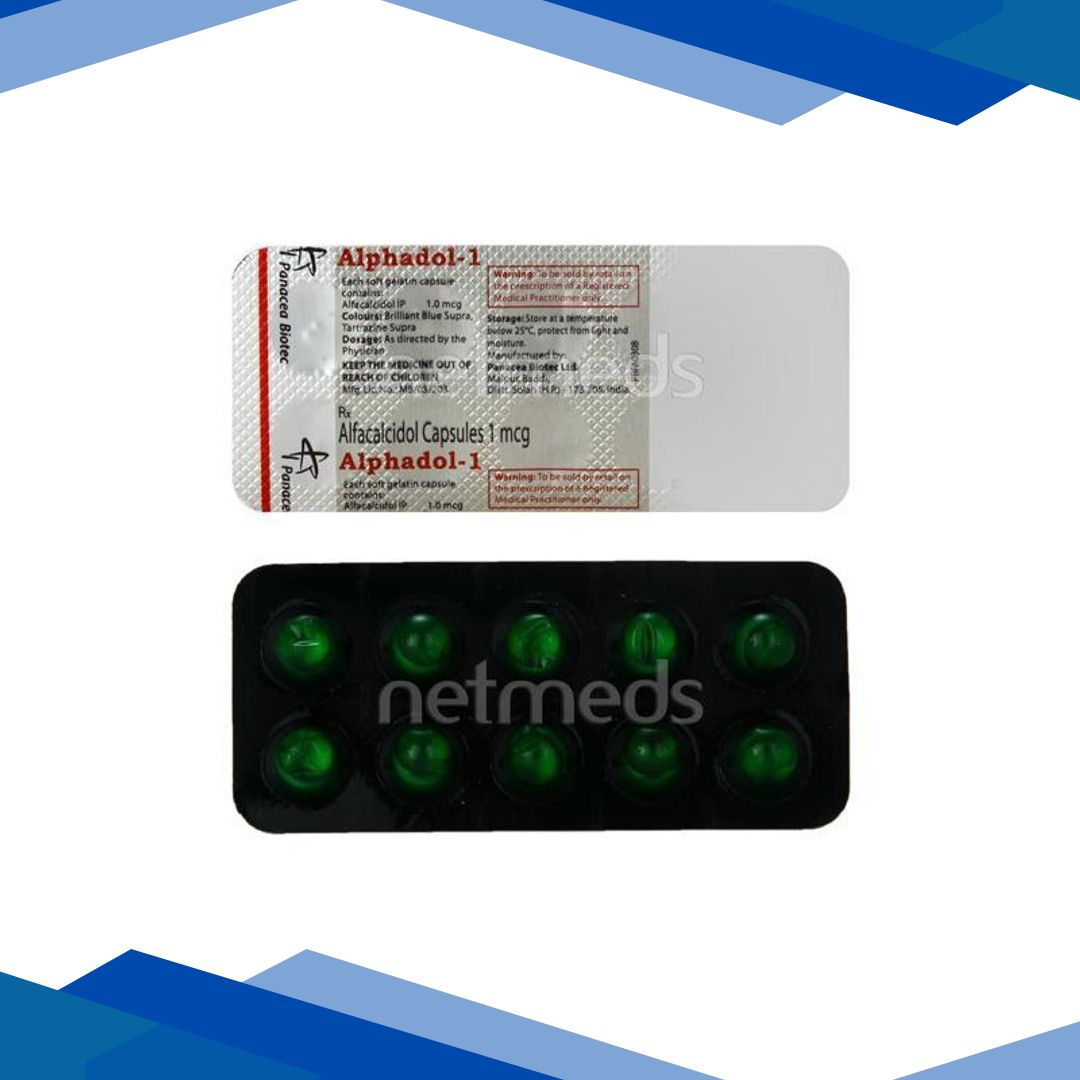
Alphadol 1Mcg Capsule 10’S
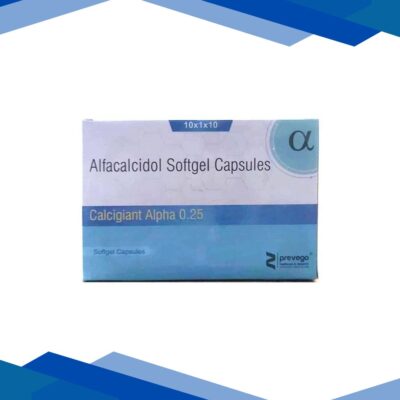
CALCIGIANT ALPHA 0.25 Softgel Capsule 10’s