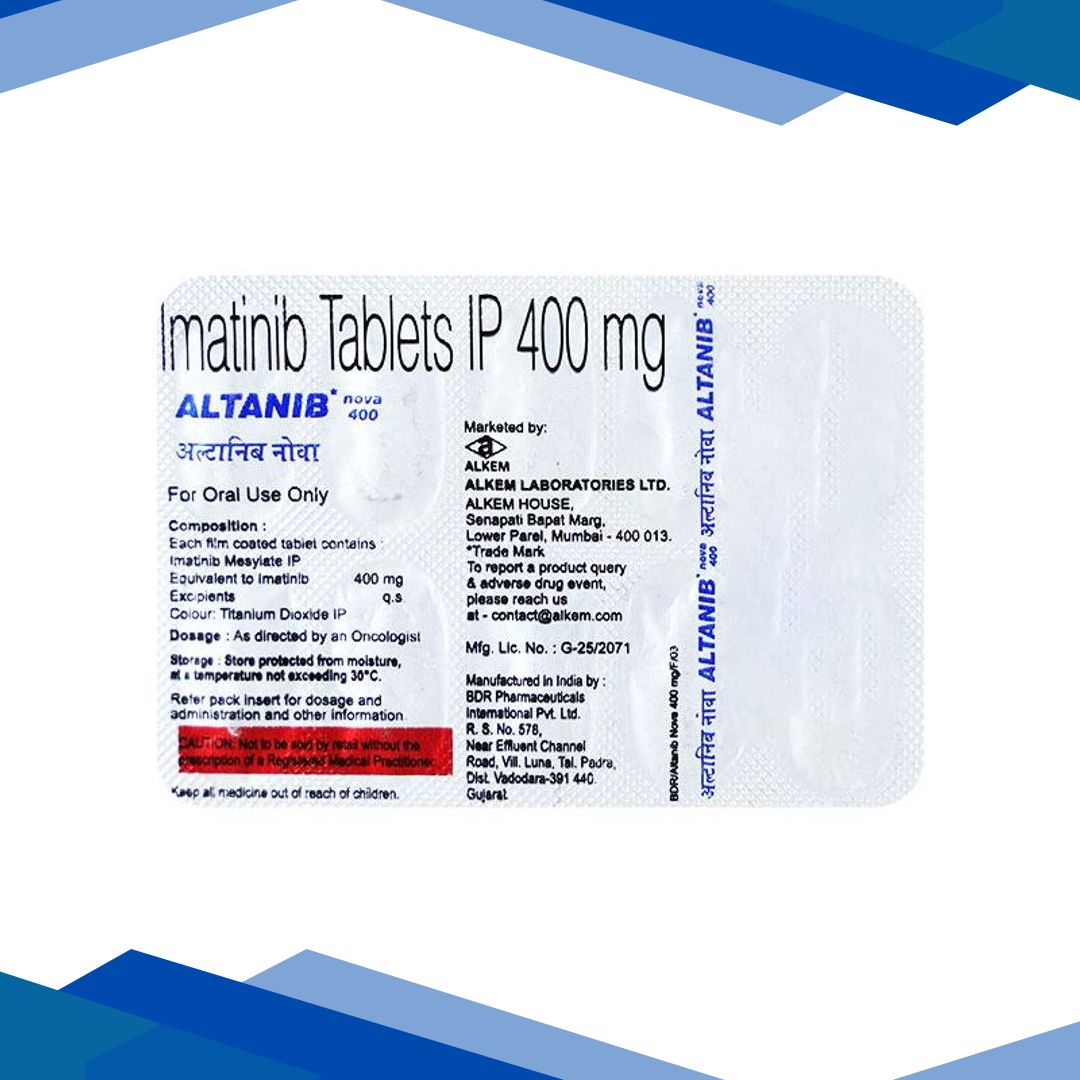
Altanib 400mg Tablet 10’S
❌ Due to high demand, this product is currently out of stock. New stock will be available shortly.
👉 Click here to Buy Same Salt medicine
Altanib 400mg Tablet is a prescription medicine used to treat certain types of cancer and blood disorders. It works by blocking specific proteins called tyrosine kinases that help abnormal cells grow and multiply. By slowing or stopping these signals, Altanib 400mg Tablet can help control the disease and reduce the number of harmful cells in the body. It is commonly used in conditions such as chronic myeloid leukemia, some types of acute leukemia, gastrointestinal stromal tumors, and other rare cancers that depend on these abnormal proteins. Altanib 400mg Tablet should be taken only under medical supervision, as a healthcare professional needs to monitor how well it is working and watch for side effects. It is not a cure for every condition, but it can be an important part of treatment for many patients.
Description
Altanib 400mg Tablet is a targeted cancer medicine used to treat certain types of blood cancers and solid tumors that are driven by abnormal signals in the cancer cells. unlike traditional chemotherapy, which can affect many rapidly dividing cells in the body, Altanib 400mg Tablet works more selectively by blocking specific proteins called tyrosine kinases. these proteins act like communication switches inside cells, telling them when to grow, divide, or survive. in some cancers, these switches are stuck in the ?n?position, causing uncontrolled cell growth. by inhibiting these abnormal signals, Altanib 400mg Tablet can help slow the progression of disease, reduce tumor size, and improve symptoms in appropriate patients.
this medicine is most commonly used for chronic myeloid leukemia (cml), a type of blood cancer caused by the philadelphia chromosome and the bcr-abl abnormal protein. it is also used in certain cases of acute lymphoblastic leukemia with similar genetic changes, as well as gastrointestinal stromal tumors (gist) and other specific conditions where the cancer cells depend on the same signaling pathways. because of its targeted action, Altanib 400mg Tablet has become an important treatment in modern oncology and hematology, especially for patients whose disease is linked to specific molecular abnormalities.
Altanib 400mg Tablet is generally prescribed by specialists such as oncologists or hematologists, and treatment often requires regular monitoring. this may include blood tests to check the blood counts, liver function, kidney function, and how well the disease is responding. the medicine is not suitable for every cancer type, and its effectiveness depends on the underlying biology of the disease. for that reason, it should only be used when recommended by a qualified healthcare professional who has confirmed that Altanib 400mg Tablet is appropriate for the patient? condition.
although Altanib 400mg Tablet can be highly effective, it can also cause side effects and requires careful follow-up. some people tolerate it well, while others may experience swelling, nausea, muscle cramps, fatigue, rash, or changes in blood tests. serious complications can occur in some patients, including liver problems, low blood cell counts, fluid retention, or heart-related issues. understanding how to take it properly and what warning signs to watch for is essential for safe treatment.
ingredients
- Altanib 400mg Tablet: the active medicine responsible for blocking abnormal tyrosine kinase activity. it helps interrupt the growth signals that drive certain cancers, making it useful in genetically targeted therapy.
- tablet or capsule excipients: these inactive components help form the dosage form, support stability, improve absorption, and allow the medicine to be manufactured and stored properly. the exact excipients can vary by brand and formulation.
- coating materials: if present, these help protect the tablet, improve swallowing, and may help reduce odor or improve appearance. they do not treat disease but are part of the finished product.
key uses
- chronic myeloid leukemia (cml): Altanib 400mg Tablet is widely used to treat cml, especially when the disease is linked to the bcr-abl abnormal protein. it can help control cancer cell growth and improve blood counts over time.
- acute lymphoblastic leukemia (all) with philadelphia chromosome positivity: in selected cases, Altanib 400mg Tablet may be used when leukemia cells carry the same abnormal signaling pathway. it is often part of a broader treatment plan supervised by a specialist.
- gastrointestinal stromal tumors (gist): Altanib 400mg Tablet is used for certain tumors of the digestive tract that depend on abnormal kit or related tyrosine kinase signals. it may help shrink the tumor or prevent progression after surgery in appropriate cases.
- myelodysplastic/myeloproliferative disorders with specific genetic changes: some rare blood disorders respond to Altanib 400mg Tablet when they are driven by targetable kinase abnormalities.
- other rare kinase-driven conditions: in certain rare diseases, Altanib 400mg Tablet may be considered when laboratory testing confirms a sensitive mutation or signaling abnormality. its use depends on specialist assessment and disease subtype.
how to use
Altanib 400mg Tablet should be taken exactly as directed by the prescribing healthcare professional. it is commonly taken by mouth with food and a full glass of water to help reduce stomach upset. taking it with a meal can also improve tolerability for many patients. if swallowing is difficult, some formulations may be handled in specific ways recommended by a pharmacist or doctor, but tablets should not be altered unless professional guidance says it is safe to do so.
try to take the medicine at the same time each day to maintain steady levels in the body. consistent timing is important for best treatment effect. if the patient vomits soon after a dose, they should not automatically take another dose unless instructed by a healthcare professional. because treatment plans vary depending on the condition, response to therapy, age, and lab values, dosing should never be changed on one? own. regular follow-up appointments and blood tests are an essential part of therapy.
patients should also avoid missing doses when possible, and they should inform their care team about any new medicines, supplements, or herbal products before starting them. some products can interfere with how Altanib 400mg Tablet is absorbed or broken down by the body. if a patient feels unwell, experiences worsening swelling, unusual bruising, severe fatigue, yellowing of the skin, or signs of infection, medical advice should be sought promptly rather than stopping the medicine without guidance.
safety information
- warnings: Altanib 400mg Tablet can cause serious side effects and requires regular monitoring. blood counts may fall, increasing the risk of infection, anemia, or bleeding. the medicine can also affect liver function and may cause fluid retention, including swelling around the eyes, legs, or in more serious cases the lungs or abdomen. people with heart disease, liver disease, or kidney problems may need closer supervision. any chest pain, shortness of breath, fainting, severe swelling, or signs of liver injury should be treated as urgent.
- side effects: common side effects include nausea, vomiting, diarrhea, abdominal discomfort, muscle cramps, fatigue, headache, rash, joint pain, and swelling, especially around the eyes or ankles. some patients may notice weight gain related to fluid retention. more serious side effects can include low white blood cells, low platelets, liver enzyme elevations, bleeding problems, heart failure, severe skin reactions, and kidney function changes.
- precautions: use caution in patients with a history of liver disease, heart failure, kidney impairment, bleeding disorders, or significant swelling. people who are pregnant, planning pregnancy, or breastfeeding should discuss alternatives and risks with a healthcare professional. Altanib 400mg Tablet should be used only when clearly indicated and with appropriate monitoring. it is also important to tell the doctor about all medical conditions, allergies, and previous reactions to cancer medicines.
- pregnancy/breastfeeding: Altanib 400mg Tablet may cause harm to an unborn baby and is generally avoided during pregnancy unless a specialist determines the potential benefit outweighs the risk. women who could become pregnant should discuss contraception before starting treatment. breastfeeding is usually not recommended during treatment because the medicine may pass into breast milk and could affect the infant. a specialist should be consulted for individualized guidance.
- interactions: Altanib 400mg Tablet can interact with many medicines, especially drugs that affect liver enzymes, such as certain antifungals, antibiotics, seizure medicines, hiv medicines, and some heart or cholesterol drugs. some acid-reducing medicines may alter absorption depending on the product and clinical situation. grapefruit and grapefruit juice may also interfere with metabolism and should usually be avoided unless the prescriber says otherwise. alcohol may increase the burden on the liver and worsen side effects, so it should be limited or avoided. always check with a pharmacist or doctor before using any new prescription, over-the-counter medicine, vitamin, or herbal supplement.
additional information
- storage: store Altanib 400mg Tablet in its original container, tightly closed, at room temperature away from excess heat, moisture, and direct sunlight. keep it out of reach of children and pets. do not store it in a bathroom unless specifically advised, since humidity can damage the medicine.
- missed dose: if a dose is missed, it should generally be taken as soon as remembered unless it is close to the time for the next dose. if the next dose is near, skip the missed dose and continue the regular schedule. do not double the dose unless a healthcare professional instructs otherwise.
- overdose: taking too much Altanib 400mg Tablet can increase the risk of severe side effects such as vomiting, diarrhea, severe swelling, confusion, muscle cramps, low blood counts, or liver injury. if an overdose is suspected, emergency medical help or poison control should be contacted immediately. bring the medication container if possible so healthcare workers can identify the product.
- habit forming: no. Altanib 400mg Tablet is not considered habit forming or addictive. however, it must be taken consistently as prescribed to manage the underlying disease effectively, and stopping it abruptly without medical advice may be harmful.
frequently asked questions
Q: what is Altanib 400mg Tablet used for?
A: Altanib 400mg Tablet is used for certain cancers and blood disorders that are driven by specific abnormal tyrosine kinase signals, most notably chronic myeloid leukemia and some gastrointestinal stromal tumors. the exact use depends on the diagnosis and molecular features of the disease.
Q: how does Altanib 400mg Tablet work in the body?
A: it works by blocking abnormal proteins that send continuous growth signals to cancer cells. by shutting down these signals, Altanib 400mg Tablet can slow cancer growth, help control disease, and sometimes reduce tumor size.
Q: should Altanib 400mg Tablet be taken with food?
A: it is commonly taken with food and a full glass of water to reduce stomach upset and improve tolerance. follow the specific instructions provided by the prescribing doctor or pharmacist.
Q: can Altanib 400mg Tablet cause swelling?
A: yes, swelling or fluid retention is a known side effect. mild swelling can be common, but severe or rapid swelling, shortness of breath, or sudden weight gain needs prompt medical attention.
Q: what are the most common side effects of Altanib 400mg Tablet?
A: common side effects include nausea, diarrhea, fatigue, muscle cramps, rash, headache, and swelling around the eyes or ankles. many patients experience manageable effects, but monitoring is important because more serious reactions can also occur.
Q: does Altanib 400mg Tablet affect blood tests?
A: yes, it can lower blood counts and affect liver function tests in some patients. that is why regular lab monitoring is usually part of treatment.
Q: is Altanib 400mg Tablet safe during pregnancy?
A: Altanib 400mg Tablet may harm an unborn baby and is generally avoided during pregnancy unless a specialist believes the benefit outweighs the risk. a doctor should be consulted before using it if pregnancy is possible or planned.
Q: can i drink alcohol while taking Altanib 400mg Tablet?
A: alcohol is not absolutely forbidden in every case, but it may increase side effects and add stress to the liver. it is best to ask the prescribing clinician what is appropriate for your situation.
Q: what should i do if i miss a dose?
A: take it when you remember unless it is almost time for the next dose. if so, skip the missed dose and return to the regular schedule. do not take two doses at once unless instructed by a healthcare professional.
Q: can Altanib 400mg Tablet interact with other medicines?
A: yes, many medicines can change how Altanib 400mg Tablet is processed in the body or how well it works. always tell your doctor and pharmacist about all prescription drugs, over-the-counter products, vitamins, and herbal supplements you use.
Q: do i need regular tests while taking Altanib 400mg Tablet?
A: yes. regular blood tests are usually needed to check blood counts, liver function, and treatment response. these tests help ensure the medicine is working safely and allow early detection of side effects.
Q: can Altanib 400mg Tablet be stopped suddenly?
A: it should not be stopped suddenly without medical advice. in some patients, stopping treatment may allow the disease to worsen or return. any change in therapy should be made by the treating specialist.
Q: who should be especially careful with Altanib 400mg Tablet?
A: people with liver disease, heart failure, kidney problems, a history of fluid retention, bleeding issues, or severe allergies should use extra caution and require close medical supervision.
Q: is Altanib 400mg Tablet a chemotherapy drug?
A: it is a targeted cancer therapy rather than a traditional chemotherapy medicine. it is designed to block specific abnormal signals in cancer cells, which can make it more selective than many older treatments.
Q: what signs mean i should seek urgent medical help?
A: seek urgent care for trouble breathing, chest pain, severe swelling, fainting, signs of bleeding, severe skin rash, yellowing of the eyes or skin, or high fever with possible infection.
this information is for educational purposes only and should not be considered medical advice. always consult a qualified healthcare professional before use.
At Gem Pharmacy, we make every effort to provide accurate, expert-written, and thoroughly reviewed information related to medicines. However, this information should not be considered a substitute for professional medical advice, diagnosis, or treatment from a qualified doctor.
The purpose of this information is to educate users and improve communication between patients and healthcare professionals. It should not be used to diagnose or treat any condition.
Always consult a certified healthcare professional before taking any medication.


Related products
IMATIRON 400 Tablet 10’s
Veenat 400mg Tablet 10’S