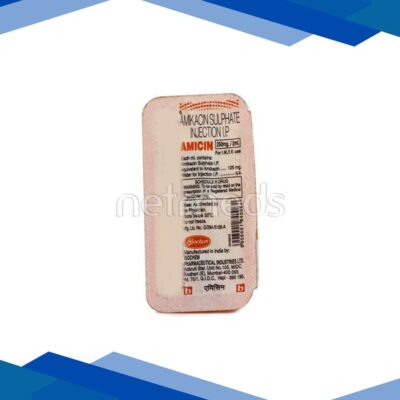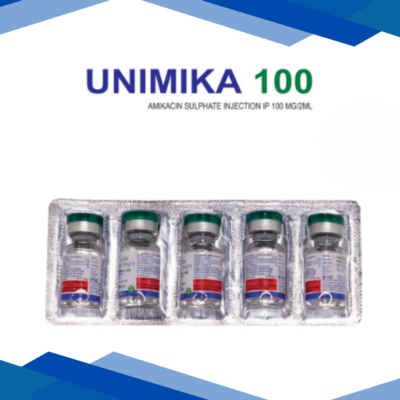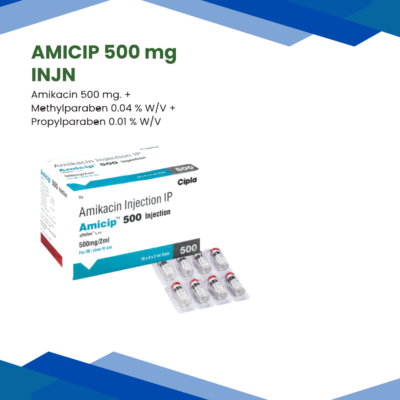
Amikamac 100mg Injection 1’s
Amikamac 100mg Injection is an antibiotic used to treat serious bacterial infections. It belongs to a group of medicines called aminoglycosides and works by stopping bacteria from making the proteins they need to grow and multiply, which helps kill the infection-causing bacteria. This medicine is mainly used for severe infections caused by certain sensitive bacteria, including infections of the lungs, blood, urinary tract, abdomen, bones, joints, skin, and some hospital-acquired infections. It is usually reserved for infections that need stronger treatment and should be used under medical supervision because it may not be suitable for all patients. Amikamac 100mg Injection does not work against viral infections such as the common cold or flu.
Description
Amikamac 100mg Injection is a powerful antibiotic medicine belonging to the aminoglycoside group. it is used to treat serious bacterial infections caused by susceptible organisms, especially when other antibiotics may not work well enough or when rapid, strong treatment is needed. this medicine is not used for viral infections such as the common cold or flu, and it should only be used when a healthcare professional confirms that the infection is likely bacterial and appropriate for this type of antibiotic.
Amikamac 100mg Injection works by interfering with the ability of bacteria to make essential proteins. without these proteins, the bacteria cannot grow, multiply, or survive. more specifically, it binds to bacterial ribosomal structures and causes errors in protein production, which leads to bacterial cell death. because of this strong bactericidal action, it is often reserved for more severe infections, including infections caused by resistant bacteria. it is commonly used in hospital settings or under close medical supervision because careful monitoring is often needed during treatment.
this medicine may be used in adults, children, and sometimes newborns when the benefit is judged to outweigh the risk. however, it must be used with great caution because aminoglycosides can affect the kidneys and hearing, especially when used for longer periods, at higher doses, or in people with underlying medical problems. for this reason, doctors may check kidney function, hearing status, and blood levels during therapy. Amikamac 100mg Injection should always be used exactly as directed by a qualified healthcare professional to reduce the risk of complications and antibiotic resistance.
in general, Amikamac 100mg Injection is for people who have serious bacterial infections where the expected benefit of treatment is greater than the potential risks. it is not a self-care medication and should not be started, stopped, or adjusted without medical guidance. proper diagnosis, careful monitoring, and completion of the prescribed course are important for effectiveness and safety.
ingredients
- Amikamac 100mg Injection: this is the active antibacterial ingredient. it belongs to the aminoglycoside class and is responsible for killing susceptible bacteria by blocking protein synthesis. its role is to treat serious infections caused by certain gram-negative bacteria and some other susceptible organisms. because of its strength, it is usually reserved for infections that require potent treatment or when other antibiotics may be less suitable.
- water for injection or other pharmaceutical excipients (if present in a specific formulation): depending on the product form, the medicine may contain sterile diluents or stabilizing ingredients that help keep the formulation safe, stable, and suitable for administration. these additional components do not treat infection themselves, but they support correct delivery of the active medicine. the exact excipients may vary by manufacturer and product type.
key uses
- serious bacterial infections: Amikamac 100mg Injection is used to treat severe infections caused by bacteria that are known or suspected to be susceptible to aminoglycosides. it is commonly chosen when strong bactericidal action is needed.
- hospital-acquired infections: it may be used in complex infections acquired in healthcare settings, especially when resistant bacteria are involved and broad, effective treatment is necessary.
- infections of the bloodstream: in some cases, it is used as part of treatment for bacteremia or septicemia, where bacteria are present in the blood and rapid control is important.
- respiratory tract infections: it may be used for severe lung or airway infections caused by susceptible organisms, often alongside other antibiotics depending on the infection type and severity.
- urinary tract infections: Amikamac 100mg Injection can be used for complicated urinary infections caused by sensitive bacteria, particularly when resistance limits other options.
- intra-abdominal and other deep tissue infections: it may be used in selected cases of serious infections involving the abdomen, soft tissues, bones, or other organs when the bacteria are susceptible and the clinical situation requires potent treatment.
how to use
Amikamac 100mg Injection should be used only under the supervision of a healthcare professional, as it is typically administered by injection rather than taken casually at home. the exact route, timing, and duration depend on the infection being treated, the patient? age, body weight, kidney function, and the organism causing the infection. it is important that the medicine is given exactly as prescribed, because aminoglycosides require careful dosing and monitoring to be both effective and safe.
if the medicine is prescribed for hospital or clinic use, a nurse or doctor usually administers it. during treatment, your healthcare team may check blood tests to monitor kidney function and may assess for hearing changes, dizziness, or balance problems. patients should stay well hydrated unless a doctor advises otherwise, because dehydration can increase the risk of kidney-related side effects. do not change the dose, skip doses, or stop the medicine early without medical advice, even if you start feeling better, because incomplete treatment can allow the infection to return or become harder to treat.
safety information
- warnings: Amikamac 100mg Injection can cause serious kidney toxicity and hearing or balance problems, especially when used for prolonged periods, in higher doses, or with other medicines that stress the kidneys. regular medical monitoring is often necessary. it should be used cautiously in people with kidney disease, dehydration, advanced age, or a history of hearing loss.
- side effects: common side effects may include nausea, vomiting, pain or irritation at the injection site, headache, and mild dizziness. more serious side effects can include reduced urine output, swelling, rising creatinine levels, ringing in the ears, hearing loss, unsteadiness, vertigo, muscle weakness, or signs of severe allergic reaction such as rash, swelling, difficulty breathing, or severe itching.
- precautions: people with kidney impairment, existing hearing problems, neuromuscular disorders such as myasthenia gravis, or severe dehydration should use this medicine only with close supervision. extra caution is needed in premature infants, older adults, and those receiving other potentially toxic medicines. inform the healthcare provider about all medical conditions before treatment begins.
- pregnancy/breastfeeding: Amikamac 100mg Injection should be used during pregnancy only if clearly needed and if the expected benefit outweighs potential risk, because aminoglycosides may pose a risk to the developing baby, including possible hearing toxicity. during breastfeeding, small amounts may pass into milk; although absorption by the infant is usually limited, a doctor should decide whether it is appropriate based on the mother? condition and the infant? health.
- interactions: this medicine can interact with other drugs that affect the kidneys, hearing, or neuromuscular function. examples include certain diuretics, other aminoglycosides, some cephalosporins, vancomycin, amphotericin b, cyclosporine, tacrolimus, cisplatin, and neuromuscular blocking agents used in anesthesia. alcohol does not directly interact with the antibiotic, but heavy alcohol use can worsen dehydration and make recovery more difficult. always tell your doctor or pharmacist about every prescription, over-the-counter, and herbal product you use.
additional information
- storage: store Amikamac 100mg Injection according to the product label and pharmacy instructions. it is generally kept in a cool, dry place away from direct sunlight, heat, and moisture. do not freeze unless the manufacturer specifically allows it. keep all injectable medicines out of the reach of children and never use a product that is discolored, cloudy, damaged, or past its expiry date.
- missed dose: if a dose is missed, it should be given as soon as possible if you are being treated at home and the next scheduled dose is not near. if the next dose is almost due, do not double the dose. because this medicine is usually administered in controlled settings, contact the prescribing healthcare professional or clinic for instructions if a dose is missed.
- overdose: an overdose may increase the risk of serious kidney damage, hearing loss, dizziness, and muscle weakness or breathing problems. if too much medicine is given or suspected, urgent medical attention is needed immediately. treatment may involve stopping the medicine, monitoring kidney function, checking blood levels, and providing supportive care. never attempt to correct an overdose on your own.
- habit forming: no. Amikamac 100mg Injection is not habit forming and does not cause dependence. however, it must still be used carefully because improper use can lead to toxicity and antibiotic resistance.
frequently asked questions
Q: what is Amikamac 100mg Injection used for?
A: Amikamac 100mg Injection is used to treat serious bacterial infections caused by organisms that are susceptible to this antibiotic. it is often reserved for more severe or resistant infections and is usually given under medical supervision.
Q: is Amikamac 100mg Injection effective for viral infections?
A: no. Amikamac 100mg Injection works only against certain bacteria and does not treat viral illnesses such as colds, flu, or most sore throats.
Q: why does a doctor monitor kidney function during treatment?
A: this medicine can affect the kidneys, especially with longer use or in people already at risk. monitoring helps detect early signs of kidney stress so the treatment can be adjusted if needed.
Q: can Amikamac 100mg Injection affect hearing?
A: yes. one of the most important risks is hearing damage or ringing in the ears, particularly with prolonged use, higher exposure, or in people who are already vulnerable. report any hearing changes immediately.
Q: should i stop taking it when i feel better?
A: no. stopping early without medical advice can allow the infection to return or become harder to treat. always complete the treatment plan recommended by your healthcare professional.
Q: is it safe to use this medicine with other antibiotics?
A: sometimes it is prescribed together with other antibiotics for severe infections, but combinations must be chosen carefully because some medicines can increase the risk of kidney or ear toxicity. your doctor will decide what is appropriate.
Q: what symptoms should i report right away?
A: report decreased urine, swelling, ringing in the ears, hearing loss, dizziness, balance problems, severe rash, trouble breathing, or unusual weakness as soon as possible. these may signal a serious reaction.
Q: can older adults use Amikamac 100mg Injection?
A: yes, but older adults often need extra caution because kidney function may be reduced and the risk of side effects can be higher. monitoring is especially important in this group.
Q: can children receive this medicine?
A: yes, in selected cases under specialist supervision. dosing and monitoring must be carefully adjusted to the child? age, weight, and kidney function.
Q: what should i tell my doctor before treatment?
A: tell your doctor about kidney disease, hearing problems, pregnancy, breastfeeding, allergies, neuromuscular disorders, and all medicines you are taking. this information helps reduce the risk of complications.
this information is for educational purposes only and should not be considered medical advice. always consult a qualified healthcare professional before use.
At Gem Pharmacy, we make every effort to provide accurate, expert-written, and thoroughly reviewed information related to medicines. However, this information should not be considered a substitute for professional medical advice, diagnosis, or treatment from a qualified doctor.
The purpose of this information is to educate users and improve communication between patients and healthcare professionals. It should not be used to diagnose or treat any condition.
Always consult a certified healthcare professional before taking any medication.


Related products