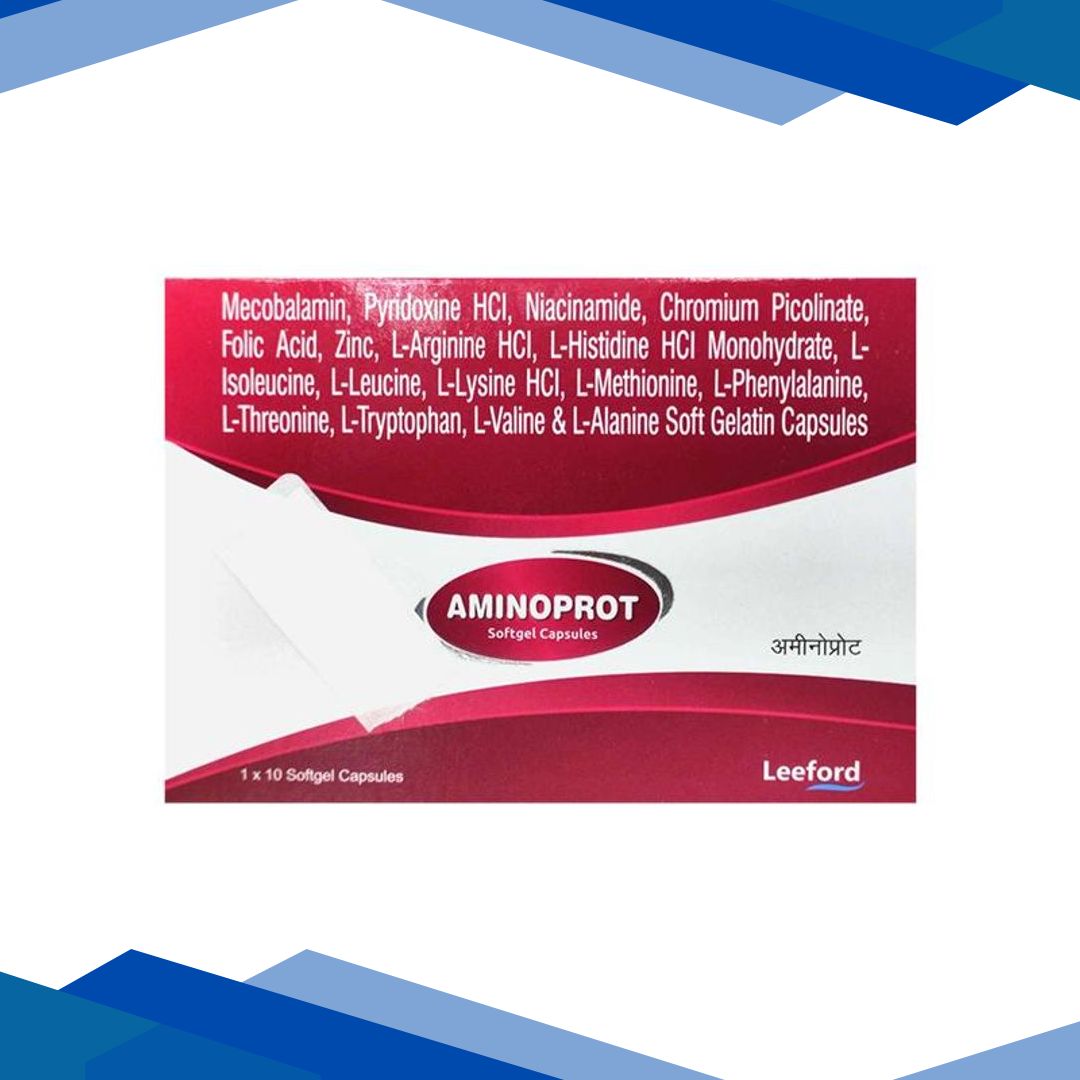
AMINOPROT Capsule 10’s
AMINOPROT Capsule is a combination medicine used to support nerve health and help protect the body from harmful oxidative stress. Acetylcysteine works as an antioxidant and helps reduce damage caused by free radicals, while benfotiamine and pyridoxine are forms of vitamin B1 and vitamin B6 that play important roles in nerve function and energy metabolism. Together, this medicine is commonly used in conditions related to nerve damage, such as diabetic neuropathy, numbness, tingling, or burning pain in the hands and feet. It may also help improve overall nerve nourishment and support recovery when vitamin deficiency contributes to symptoms. This medicine should be used under medical supervision, especially when taken for ongoing nerve-related problems.
Description
AMINOPROT Capsule is a combination medicine commonly used as a supportive treatment in conditions where nerve health, antioxidant protection, and vitamin b supplementation are important. each component plays a different role: acetylcysteine helps support the body? antioxidant defenses and may reduce oxidative stress, while benfotiamine and pyridoxine are forms of vitamin b1 and vitamin b6 that help maintain normal nerve function and energy metabolism. this combination is often selected when a healthcare professional wants to address both nutritional deficiency-related nerve problems and oxidative damage that can worsen nerve discomfort.
this medicine is not typically a painkiller in the usual sense, and it does not work immediately like an analgesic. instead, it supports the biological processes that help nerves function properly and may be useful in conditions associated with neuropathy, vitamin deficiency, or increased oxidative stress. because of this, it is often used as part of a broader treatment plan rather than as a stand-alone cure. the exact benefit depends on the underlying cause of the symptoms and whether the person has a deficiency, nerve irritation, or another condition affecting nerve health.
acetylcysteine is a precursor to glutathione, one of the body? major natural antioxidants. by helping replenish glutathione stores, it may assist in reducing free radical damage and protecting cells from oxidative injury. benfotiamine is a fat-soluble derivative of thiamine that is better absorbed than regular thiamine in many cases and helps support carbohydrate metabolism and nerve function. pyridoxine is vitamin b6, which is important for neurotransmitter synthesis, red blood cell formation, and normal nerve signaling. together, these ingredients may help support nerve wellness, especially when the body is under metabolic stress or has inadequate vitamin intake.
ingredients
- acetylcysteine: this ingredient helps replenish glutathione, the body? natural antioxidant, which protects cells from damage caused by oxidative stress. it may help support cellular defense mechanisms and is often valued for its mucolytic and antioxidant properties, although in this combination its antioxidant role is especially important for nerve support.
- benfotiamine: benfotiamine is a lipid-soluble form of vitamin b1 (thiamine) that is absorbed efficiently and helps the body convert food into energy. it supports normal nerve conduction and may help reduce the effects of thiamine deficiency, which can contribute to nerve symptoms such as tingling, burning, or numbness.
- pyridoxine: pyridoxine is vitamin b6, an essential nutrient involved in amino acid metabolism, neurotransmitter production, and nervous system function. adequate vitamin b6 levels are necessary for healthy nerve activity, and deficiency can contribute to neuropathic symptoms and general fatigue.
key uses
- support in peripheral neuropathy: this combination may be used to help support nerve health in people experiencing numbness, tingling, burning, or weakness related to nerve dysfunction. it is often used when vitamin supplementation and antioxidant support may be beneficial.
- vitamin b deficiency-related nerve symptoms: benfotiamine and pyridoxine help correct or prevent deficiency states that can affect the nerves, especially when dietary intake is poor, absorption is reduced, or metabolic needs are increased.
- oxidative stress reduction: acetylcysteine helps support the body? natural antioxidant system, which may be important in conditions where oxidative damage is believed to worsen inflammation or nerve irritation.
- supportive therapy in metabolic nerve disorders: the medicine may be used as an adjunct in metabolic conditions where nerve tissue is stressed, helping improve overall nutrient support and cellular protection.
- general nerve nourishment: in some cases, it is prescribed to help maintain normal nerve function and support recovery as part of a broader treatment plan, especially when nutritional supplementation is appropriate.
how to use
use AMINOPROT Capsule exactly as advised by your healthcare professional or as directed on the product label. the medicine is usually taken by mouth, and it may be recommended with or after food if stomach upset occurs. swallow the dosage form whole if it is a tablet or capsule unless a pharmacist or doctor has advised otherwise. if it is available in another oral form, follow the specific preparation instructions carefully. do not change the dose or frequency on your own, because the correct amount depends on your medical condition, age, nutritional status, and other medicines you may be taking.
for best results, try to take it at the same time each day so that levels in the body remain consistent. it may take time before any benefit is noticed, especially if it is being used for nerve support. this type of medicine often works gradually rather than immediately, and continued use may be needed for a period recommended by your clinician. if you have a sensitive stomach, ask whether taking it with meals is appropriate for you. avoid taking extra vitamin supplements containing high amounts of vitamin b6 unless your doctor approves, because excessive intake over time can be harmful. if you are unsure how to take it, consult a pharmacist or healthcare provider for individualized instructions.
safety information
- warnings: use with caution if you have asthma, stomach irritation, a history of ulcers, kidney disease, liver disease, or any chronic medical condition. acetylcysteine can sometimes cause nausea or gastrointestinal discomfort, and pyridoxine should not be taken in excessive amounts for prolonged periods because too much vitamin b6 may itself cause nerve problems. this medicine should be used as supportive therapy, not as a substitute for treatment of the underlying disease causing nerve symptoms.
- side effects: common side effects may include nausea, stomach upset, vomiting, loose stools, abdominal discomfort, and a mild unpleasant taste or odor if the formulation has a sulfur-like smell. some people may experience headache, dizziness, or mild rash. serious side effects are uncommon but can include allergic reactions such as swelling, trouble breathing, severe skin rash, itching, or hives. if you notice worsening numbness, coordination problems, or unusual weakness, seek medical advice promptly, as these may require evaluation.
- precautions: people who are allergic to any of the ingredients should avoid this medicine. those with a history of vitamin b6 sensitivity, recurrent kidney stones, severe liver disease, or long-term high-dose vitamin use should speak with a healthcare professional before use. if you have a known neurological disorder, do not assume all nerve symptoms are due to vitamin deficiency; proper diagnosis is important. children, older adults, and people with multiple medications may need closer monitoring.
- pregnancy/breastfeeding: the safety of this combination during pregnancy and breastfeeding should be assessed by a qualified healthcare professional. vitamin supplementation may be appropriate in some cases, but unnecessary or excessive supplementation should be avoided. use only if clearly recommended, and never self-medicate during pregnancy without medical guidance.
- interactions: acetylcysteine may interact with nitroglycerin and related nitrates, potentially increasing headache or blood pressure-related effects. pyridoxine can affect the action of certain medicines, including some anti-seizure drugs and medications used in other chronic conditions. alcohol may worsen nutritional deficiencies and nerve irritation, reducing the overall benefit of the medicine. always tell your doctor or pharmacist about all prescription medicines, over-the-counter products, vitamins, and herbal supplements you use.
additional information
- storage: store in a cool, dry place away from direct sunlight, moisture, and excessive heat. keep the medicine in its original container, tightly closed, and out of the reach of children. do not use it after the expiry date printed on the package.
- missed dose: if you miss a dose, take it when you remember unless it is almost time for the next scheduled dose. if the next dose is near, skip the missed dose and continue your regular schedule. do not double the dose to make up for a missed one.
- overdose: taking too much may cause nausea, vomiting, abdominal pain, diarrhea, dizziness, or other unusual symptoms. very high or prolonged excess intake of pyridoxine can potentially lead to nerve damage. if an overdose is suspected, seek medical help or contact a poison control center immediately, especially if severe symptoms occur.
- habit forming: no. this medicine is not known to be habit forming or addictive. it is used for nutritional and supportive purposes rather than for producing dependency.
frequently asked questions
Q: what is AMINOPROT Capsule used for?
A: it is commonly used as supportive treatment for nerve health, vitamin deficiency-related symptoms, and oxidative stress-related conditions. a healthcare professional may recommend it when nerve nourishment and antioxidant support are needed.
Q: does this medicine work immediately?
A: no. it usually works gradually. since it supports nerve function and vitamin replenishment, benefits may take time to appear and depend on the underlying cause of the symptoms.
Q: can AMINOPROT Capsule be taken with food?
A: it is often taken with or after food if stomach upset occurs, but follow the instructions given by your doctor or pharmacist. if the label provides special directions, those should be followed.
Q: what are the common side effects?
A: common side effects may include nausea, stomach discomfort, vomiting, loose stools, headache, dizziness, or a mild rash. most people tolerate it well, but seek medical advice if symptoms are severe or persistent.
Q: can i take other vitamin b supplements with it?
A: you should only combine it with other vitamins if advised by a healthcare professional. extra vitamin b6 may be harmful if taken in high amounts for a long time, so avoid unnecessary duplication.
Q: is it safe during pregnancy?
A: safety during pregnancy should be discussed with a doctor. some components may be used when needed, but self-medication is not recommended, and the risk-benefit balance should be assessed individually.
Q: can i drink alcohol while taking this medicine?
A: alcohol is best avoided or minimized because it can worsen nutritional deficiency and nerve irritation, potentially reducing the usefulness of the treatment.
Q: what should i do if i miss a dose?
A: take it when you remember unless it is close to the next dose. if it is almost time for the next dose, skip the missed one and continue as normal. do not take two doses at once.
Q: who should use this medicine with caution?
A: people with kidney disease, liver disease, asthma, allergy to ingredients, or long-term neurological symptoms should use it only under medical supervision. it is also important to review all other medicines for possible interactions.
Q: can this medicine cure neuropathy?
A: it may help support nerve health and address contributory deficiencies, but it does not cure all causes of neuropathy. the underlying condition must be diagnosed and managed appropriately for best results.
this information is for educational purposes only and should not be considered medical advice. always consult a qualified healthcare professional before use.
At Gem Pharmacy, we make every effort to provide accurate, expert-written, and thoroughly reviewed information related to medicines. However, this information should not be considered a substitute for professional medical advice, diagnosis, or treatment from a qualified doctor.
The purpose of this information is to educate users and improve communication between patients and healthcare professionals. It should not be used to diagnose or treat any condition.
Always consult a certified healthcare professional before taking any medication.


Related products
Fast&Up BCAA Supplement Powder – Orange Flavour 450 gm
GNC Pro Performance L-Carnitine 500 mg Capsule 60’s
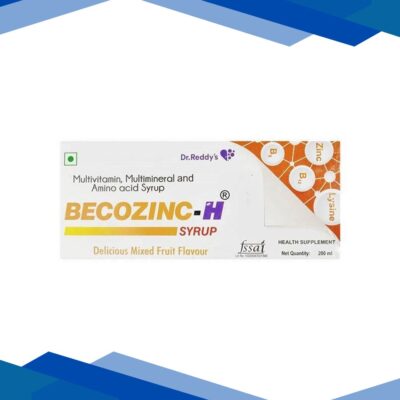
Becozinc H Delicious Mixed Fruit Flavor Syrup 200ml