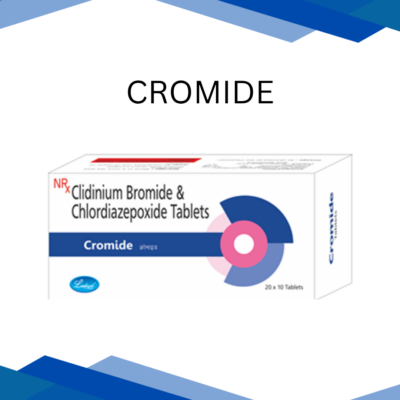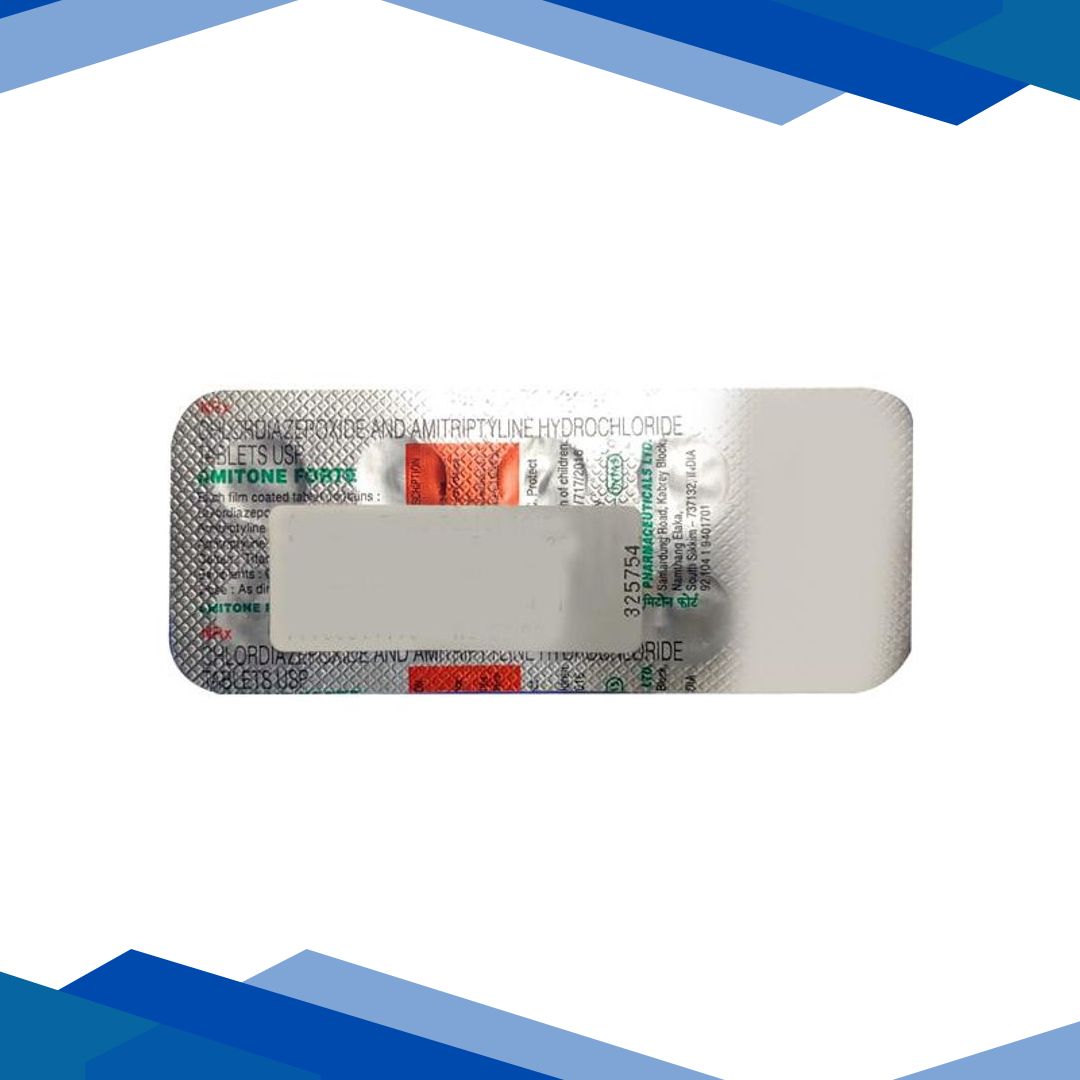
Amitone Forte Tablet 10’S
❌ Due to high demand, this product is currently out of stock. New stock will be available shortly.
👉 Click here to Buy Same Salt medicine
Amitone Forte Tablet is a combination medicine used to help manage certain mental health conditions, especially when low mood, anxiety, and tension occur together. AMITRIPTYLINE is a tricyclic antidepressant that helps improve mood by balancing natural chemicals in the brain, while CHLORDIAZEPOXIDE is a benzodiazepine that helps reduce anxiety and promote calmness. Together, they may be prescribed for depression with anxiety, nervous tension, or related emotional symptoms when a doctor feels both medicines are needed. This medicine can help relieve psychological distress and improve sleep or daily functioning in some people. Because it can cause drowsiness and dependence, it should be used only under medical supervision.
Description
Amitone Forte Tablet is a prescription medicine combination used in certain patients who have both emotional distress and physical symptoms linked to anxiety or depression. it combines two established medicines with different actions: amitriptyline, a tricyclic antidepressant, and chlordiazepoxide, a benzodiazepine anxiolytic. together, they may help reduce persistent nervousness, tension, worry, low mood, and associated bodily symptoms such as sleep disturbance, stomach discomfort related to stress, or general agitation. because it acts on both mood and anxiety, this combination is sometimes considered when a patient needs short-term symptomatic relief while a clinician evaluates the underlying condition.
amitriptyline works mainly by increasing the availability of certain brain chemicals, especially serotonin and norepinephrine, which are involved in mood regulation, pain perception, and sleep. chlordiazepoxide works differently: it enhances the calming effect of gamma-aminobutyric acid (gaba), a neurotransmitter that reduces excessive brain activity. this can produce a sedative, calming, and muscle-relaxing effect. the combination may be useful when anxiety is accompanied by depression or when the symptoms are intense enough to affect daily functioning. however, because both components can cause drowsiness and other central nervous system effects, it must be used carefully and only under medical supervision.
this medicine is not intended for everyone with stress, sadness, or temporary worry. it is generally reserved for patients whose symptoms are persistent, clinically significant, and judged by a healthcare professional to warrant treatment with both an antidepressant and an anti-anxiety medicine. it may be used in adults who have anxiety associated with depression or in related situations where a doctor believes the combined effect may be beneficial. since it can cause dependence, sedation, and important drug interactions, it is important to understand its risks as well as its possible benefits before starting treatment.
ingredients
- amitriptyline: a tricyclic antidepressant that helps improve mood, reduce anxiety-related symptoms, and may also help with sleep and certain pain sensations. it works by increasing serotonin and norepinephrine activity in the brain, which can improve emotional balance and decrease the physical discomfort linked to stress or depression.
- chlordiazepoxide: a benzodiazepine that provides calming, anti-anxiety, and sedative effects. it helps reduce excessive nervousness, tension, restlessness, and agitation by enhancing gaba activity in the central nervous system. this can make the person feel calmer and more relaxed, especially during periods of severe anxiety.
key uses
- anxiety with depression: this medicine may be prescribed when a person has both anxious symptoms and depressive symptoms at the same time. the antidepressant and anti-anxiety actions may help address both aspects together.
- short-term relief of severe tension or nervousness: in selected patients, it can help reduce intense worry, restlessness, and emotional distress that interfere with sleep, work, or daily activities.
- stress-related physical symptoms: some patients experience headaches, stomach upset, muscle tension, or poor sleep related to anxiety. the medicine may reduce these associated symptoms as part of overall symptom control.
- support during treatment initiation: in some cases, a doctor may use the combination when symptoms are difficult to manage early in treatment, while longer-term therapy is being optimized. this is done cautiously because of the sedative and dependence-related risks of the benzodiazepine component.
how to use
Amitone Forte Tablet should be used exactly as directed by a healthcare professional. it is usually taken by mouth, with or without food, and the timing may depend on how much drowsiness it causes. because this medicine can make you sleepy, many patients are advised to take it in the evening or at bedtime, but your doctor may give different instructions based on your condition and response. it should be swallowed whole with water unless your pharmacist or doctor advises otherwise.
do not increase, decrease, or stop the medicine on your own. stopping suddenly can cause withdrawal symptoms, especially because chlordiazepoxide is a benzodiazepine. these may include increased anxiety, agitation, insomnia, trembling, sweating, and in some cases more severe symptoms. amitriptyline may also need to be reduced gradually to avoid unpleasant effects. if you miss a dose, follow your prescriber? guidance. in general, do not take extra doses to ?ake up?for the missed one.
because this medicine can slow reaction time and impair alertness, avoid driving, operating machinery, or doing tasks that require full concentration until you know how it affects you. alcohol should be avoided. if the medicine causes excessive sleepiness, dizziness, confusion, fainting, or difficulty breathing, seek medical attention promptly. always keep regular follow-up appointments so your healthcare provider can monitor effectiveness, side effects, mental health symptoms, and the need for continued treatment.
safety information
- warnings: this medicine can cause significant drowsiness, dizziness, slowed thinking, blurred vision, dry mouth, constipation, and impaired coordination. it may increase the risk of falls, especially in older adults. the chlordiazepoxide component can cause dependence, tolerance, and withdrawal if used for too long or stopped suddenly. amitriptyline may affect heart rhythm, blood pressure, and the ability to urinate, especially in susceptible patients. immediate medical help is needed for severe confusion, fainting, chest pain, severe palpitations, suicidal thoughts, breathing problems, or signs of an allergic reaction.
- side effects: common side effects may include sleepiness, fatigue, dizziness, dry mouth, constipation, blurred vision, lightheadedness, and mild nausea. some people may experience increased appetite, weight gain, difficulty concentrating, or unsteady walking. serious side effects can include irregular heartbeat, severe low blood pressure, urinary retention, severe mental confusion, seizures, mood changes, worsening depression, suicidal thoughts, abnormal muscle movements, or respiratory depression, especially if combined with other sedatives.
- precautions: this medicine should be used with extreme caution in older adults, people with glaucoma, enlarged prostate, urinary retention, heart disease, seizure disorders, liver disease, breathing disorders, sleep apnea, or a history of substance use disorder. it may not be appropriate for people who are highly sensitive to sedation. patients with a personal or family history of bipolar disorder or suicidal behavior should be closely monitored. never share this medicine with others.
- pregnancy/breastfeeding: use during pregnancy should only be considered if the potential benefit outweighs the potential risk and must be decided by a doctor. the benzodiazepine component may pose risks to the fetus, and newborns exposed late in pregnancy may have withdrawal or sedation. during breastfeeding, both components may pass into breast milk and can cause drowsiness or feeding problems in the infant. a healthcare professional should review safer alternatives when possible.
- interactions: alcohol greatly increases sedation and can be dangerous. other central nervous system depressants such as opioids, sleeping pills, antihistamines, muscle relaxants, and some anti-anxiety medicines can amplify drowsiness and breathing suppression. amitriptyline may interact with monoamine oxidase inhibitors, certain antidepressants, some heart rhythm medicines, and drugs that affect liver enzymes. chlordiazepoxide may also interact with medicines that slow its breakdown, increasing sedation. always tell your doctor about all prescription medicines, over-the-counter products, and herbal supplements.
additional information
- storage: store at room temperature in a dry place away from excess heat, moisture, and direct light. keep the medicine in its original container and out of reach of children and pets. do not store it in the bathroom unless specifically recommended, since humidity can damage the tablets or capsules.
- missed dose: if you miss a dose, take it as soon as you remember unless it is almost time for the next dose. if it is close to the next scheduled dose, skip the missed dose and continue as directed. do not double the dose. if you are unsure what to do, ask your pharmacist or doctor.
- overdose: overdose can be dangerous and may cause extreme drowsiness, confusion, slow breathing, severe dizziness, coma, low blood pressure, abnormal heart rhythm, or seizures. an overdose is a medical emergency. call emergency services immediately or go to the nearest emergency department. if possible, bring the medicine package with you. do not wait for symptoms to worsen.
- habit forming: yes, the chlordiazepoxide component can be habit forming. with repeated use, the body may become dependent, and stopping suddenly can trigger withdrawal symptoms. because of this, the medicine should be used only as prescribed, for the shortest appropriate time, and monitored by a healthcare professional. amitriptyline itself is not considered addictive in the same way, but the overall combination still requires careful supervision.
frequently asked questions
Q: what is Amitone Forte Tablet used for?
A: it is used for certain patients who have anxiety along with depressive symptoms or significant tension. a doctor may prescribe it when both calming and antidepressant effects are needed.
Q: can i drink alcohol while taking this medicine?
A: no. alcohol can greatly increase drowsiness, dizziness, poor coordination, and the risk of dangerous breathing problems. it should be avoided.
Q: will this medicine make me sleepy?
A: yes, sleepiness and drowsiness are common because both ingredients can affect the central nervous system. until you know how it affects you, avoid driving or operating machinery.
Q: can i stop taking it suddenly if i feel better?
A: no. stopping suddenly may cause withdrawal symptoms, especially from chlordiazepoxide. your doctor may recommend gradual tapering if the medicine needs to be discontinued.
Q: is this medicine safe for older adults?
A: it may be riskier in older adults because of increased sensitivity to sedation, confusion, falls, and anticholinergic effects. a doctor should carefully assess whether it is appropriate.
Q: does Amitone Forte Tablet cause dependence?
A: the chlordiazepoxide part can cause dependence if used for a prolonged period or at higher-than-prescribed doses. this is why close medical supervision is important.
Q: can this medicine affect my heart?
A: amitriptyline can affect heart rhythm and blood pressure in some people, especially those with existing heart disease or when taken with interacting medicines. report chest pain, fainting, or palpitations immediately.
Q: what should i do if i feel very confused or overly sedated?
A: contact your healthcare provider promptly. severe confusion, extreme drowsiness, trouble breathing, or fainting can be serious and may require urgent medical evaluation.
Q: is this medicine used for panic attacks?
A: it is not typically the first-choice long-term treatment for panic attacks. a doctor may consider it only in specific circumstances based on overall symptoms and medical history.
Q: can i take it with other sleeping medicines?
A: only if your doctor specifically approves it. combining it with other sedatives can increase the risk of excessive sleepiness, breathing problems, and accidents.
Q: how long does it take to work?
A: the calming effect may be felt earlier because of chlordiazepoxide, while the antidepressant benefit from amitriptyline usually takes longer. the exact response varies by person and condition.
Q: what if i have trouble urinating while taking this medicine?
A: difficulty urinating can be a side effect, especially from amitriptyline. contact your doctor promptly, particularly if you have bladder problems or an enlarged prostate.
Q: can this medicine worsen depression?
A: in some people, antidepressants can initially affect mood in unexpected ways, and any worsening depression or suicidal thoughts should be reported immediately. close monitoring is important.
Q: should i take it exactly the same time every day?
A: yes, taking it consistently helps maintain a steady effect and makes it easier to remember. follow the schedule provided by your doctor.
Q: can i take it if i have glaucoma?
A: people with certain types of glaucoma may need to avoid amitriptyline because it can increase eye pressure. a doctor should review your eye history before use.
Q: does it cause weight gain?
A: weight gain can occur in some patients, especially with long-term use, partly due to increased appetite and sedation. lifestyle changes and monitoring may help, but discuss concerns with your doctor.
Q: what symptoms mean i need urgent help?
A: seek urgent help for trouble breathing, severe fainting, chest pain, a very fast or irregular heartbeat, seizures, severe confusion, or signs of an allergic reaction such as swelling or rash.
Q: can it be used with antidepressants already prescribed?
A: sometimes, but only with careful medical review because combining antidepressants can raise the risk of interactions and side effects. never combine medicines without professional guidance.
Q: will this medicine cure anxiety or depression?
A: no, it can help control symptoms, but it does not cure the underlying condition. treatment often also involves counseling, lifestyle support, and ongoing medical follow-up.
Q: what lifestyle habits should i avoid while taking it?
A: avoid alcohol, recreational drugs, and taking any additional sedatives unless approved by your doctor. get up slowly from sitting or lying down to reduce dizziness, and maintain regular follow-up care.
this information is for educational purposes only and should not be considered medical advice. always consult a qualified healthcare professional before use.
At Gem Pharmacy, we make every effort to provide accurate, expert-written, and thoroughly reviewed information related to medicines. However, this information should not be considered a substitute for professional medical advice, diagnosis, or treatment from a qualified doctor.
The purpose of this information is to educate users and improve communication between patients and healthcare professionals. It should not be used to diagnose or treat any condition.
Always consult a certified healthcare professional before taking any medication.


Related products