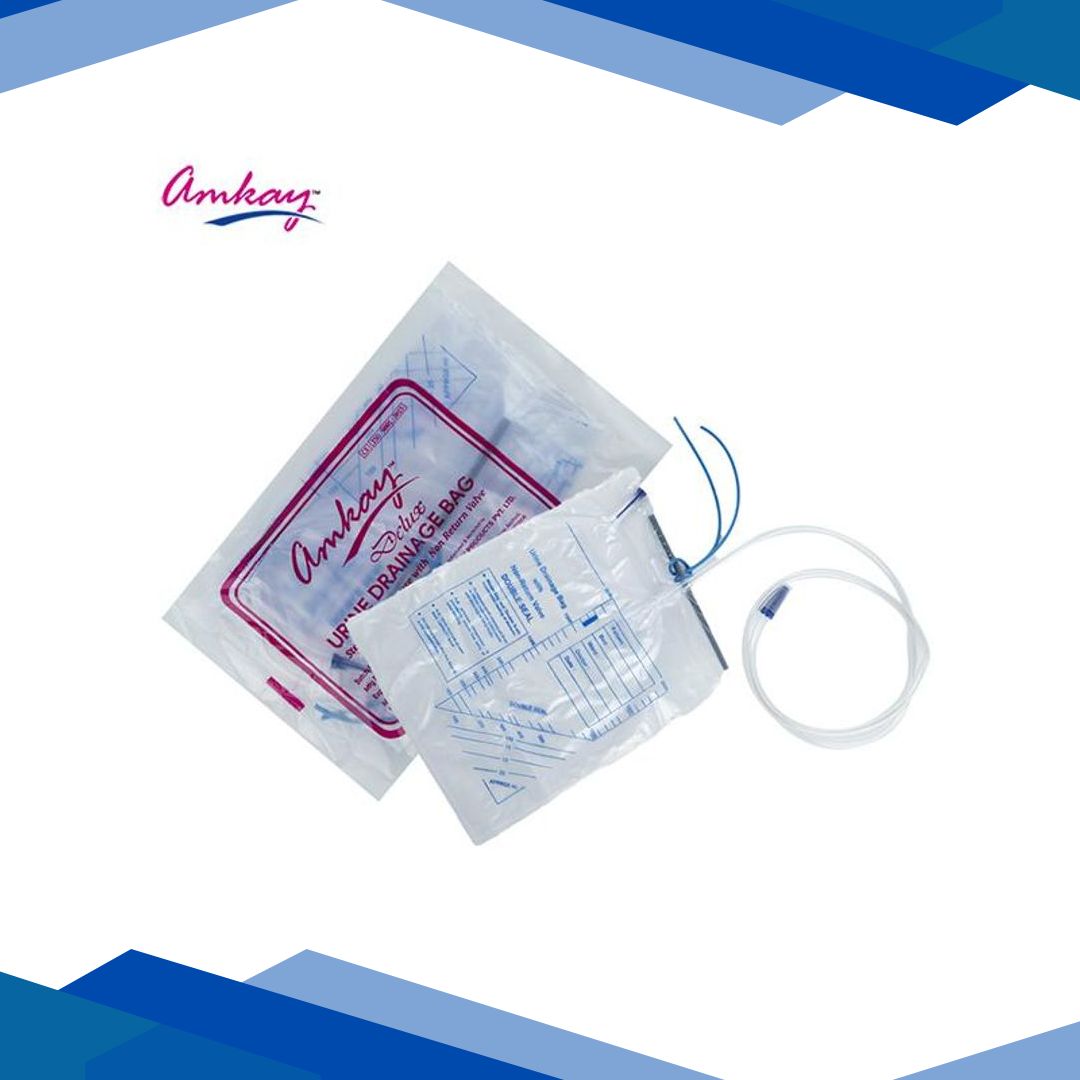
Amkay Urine Drainage Bag 1’s
❌ Due to high demand, this product is currently out of stock. New stock will be available shortly.
👉 Click here to Buy Same Salt medicine
Amkay Urine Drainage Bag is a probiotic combination used to help restore and maintain healthy balance of good microorganisms in the gut. It contains beneficial bacteria and a beneficial yeast that work by supporting the natural intestinal flora, helping reduce harmful germs, and promoting normal digestion. This medicine is commonly used to help manage diarrhea, including diarrhea caused by antibiotics or mild stomach infections, and may also support recovery after digestive upset. By improving the gut environment, it can help reduce bloating, loose stools, and discomfort related to disturbed bowel health. It is generally well tolerated, but like any health product, it should be used with medical advice when needed, especially in people with weak immunity or serious illness.
Description
Amkay Urine Drainage Bag is a probiotic combination used to help support and restore the natural balance of microorganisms in the digestive tract. it contains two well-studied beneficial microbes: lactobacillus rhamnosus gg, a lactic acid-producing bacterium, and saccharomyces boulardii, a beneficial yeast. together, they are commonly used to support gut health during or after disruptions such as diarrhea, antibiotic use, digestive upset, or changes in diet. this combination is not an antibiotic and does not directly kill harmful organisms; instead, it helps create an environment in the intestines that supports normal digestive function and may make it harder for undesirable microbes to overgrow.
these probiotics work through several mechanisms. lactobacillus rhamnosus gg can help strengthen the intestinal barrier, support the normal microbiome, and produce substances that may inhibit harmful bacteria. saccharomyces boulardii is a non-pathogenic yeast that can help stabilize intestinal function, reduce toxin activity from certain diarrheal pathogens, and support recovery of the gut lining. because they act in complementary ways, the combination is often chosen when the goal is broad probiotic support, especially in situations where the intestinal flora may have been disturbed by illness, travel, or medication use.
this medicine is generally used for people who need support for temporary digestive imbalance, such as antibiotic-associated diarrhea, infectious diarrhea, or loose stools related to bowel disturbances. it may also be recommended as part of supportive care when the intestinal microbiome needs replenishment. however, probiotic products are not suitable for everyone. people with severe illness, weakened immune systems, central venous catheters, or significant intestinal disease may need special caution because even beneficial microorganisms can rarely cause complications in vulnerable individuals. for this reason, it is important to use this product under appropriate guidance when health conditions are complex.
while many people tolerate this combination well, it is best understood as a supportive therapy rather than a cure. the benefits may vary depending on the cause of the digestive problem, the person? overall health, and the quality and viability of the probiotic formulation. for best results, it is usually taken consistently according to the product directions, and if symptoms are severe, persistent, or accompanied by fever, dehydration, blood in the stool, or significant abdominal pain, medical evaluation is important.
ingredients
- lactobacillus rhamnosus gg: this is a well-researched probiotic bacterium that helps support the healthy intestinal microbiome. it may assist in maintaining the integrity of the gut barrier, reducing the likelihood of harmful microbes sticking to the intestinal lining, and promoting a more balanced digestive environment. it is often used to help support recovery from diarrhea and to reduce disruption caused by antibiotics or infection.
- saccharomyces boulardii: this is a beneficial yeast probiotic that supports digestive health by helping normalize intestinal function and counteracting some mechanisms involved in diarrhea. it can help maintain a healthy microbial balance during antibiotic use because, unlike bacterial probiotics, it is not affected by antibiotics in the same way. it is also known for its supportive role in certain types of diarrhea related to infection or microbiome imbalance.
- other formulation components: depending on the manufacturer, the product may also contain excipients such as capsule material, stabilizers, fillers, or moisture-protective ingredients. these inactive components do not provide therapeutic probiotic effects but help with product stability, shelf life, and delivery. patients with allergies or sensitivities should check the specific product label carefully.
key uses
- support during antibiotic-associated diarrhea: this combination may help reduce the risk of loose stools that can occur when antibiotics disturb the normal intestinal flora. it supports the rebalancing of beneficial organisms during and after antibiotic therapy.
- help with acute infectious diarrhea: it may be used as supportive care in some cases of short-term diarrhea caused by viral or bacterial infections. it does not replace rehydration or medical treatment when needed, but it may help improve stool consistency and gut recovery.
- restoration of gut microbiome balance: after illness, medication use, or dietary disruption, the gut flora may become imbalanced. these probiotics can help restore a more favorable intestinal environment.
- travel-related digestive upset: some people use probiotics to support gut stability during travel, especially when dietary changes or exposure to unfamiliar microorganisms causes temporary digestive symptoms.
- general digestive support: in some individuals, the product may help support intestinal comfort and regularity when the digestive system has been disturbed, although results can vary and it is not intended to treat all gastrointestinal disorders.
how to use
use Amkay Urine Drainage Bag exactly as directed on the product label or by a healthcare professional. it is typically taken by mouth and may be swallowed with water or another non-hot drink, depending on the dosage form. because live probiotic organisms can be sensitive to heat, it is generally best not to mix the product with hot liquids or take it immediately with very hot foods or beverages. if the product is a capsule or sachet, follow the specific instructions for opening, swallowing, or mixing, since different brands may vary in form and handling recommendations.
many probiotic products are taken with meals or after meals to improve tolerance, but the best timing can depend on the formulation. if you are taking antibiotics, it is often helpful to separate the probiotic from the antibiotic dose by a few hours so the bacterial component is less likely to be affected by the antibiotic. however, saccharomyces boulardii is a yeast and is not killed by antibiotics, which is one reason it is commonly included in combination products. consistent use is usually more important than taking it at a precise time each day.
if diarrhea is present, staying hydrated is essential. oral rehydration solutions, adequate fluids, and electrolyte replacement may be necessary depending on severity. probiotics are supportive and should not be relied upon alone if symptoms are serious, prolonged, or associated with warning signs such as fever, dehydration, severe abdominal pain, fainting, or blood in the stool. if symptoms do not improve or worsen, seek medical advice promptly.
safety information
- warnings: this product contains live microorganisms and should be used carefully in people with serious medical conditions. rare cases of bloodstream infection have been reported with probiotic use, especially in people who are critically ill, immunocompromised, or have central venous catheters. stop use and seek medical help if there are signs of allergy, worsening illness, high fever, severe abdominal pain, or blood in the stool. probiotics should not replace proper treatment for dehydration or serious infection.
- side effects: common side effects are usually mild and may include gas, bloating, abdominal discomfort, constipation, or temporary changes in stool pattern. less commonly, some people may experience nausea or mild stomach upset. serious side effects are rare but can include allergic reactions, severe infection in high-risk individuals, or worsening symptoms that require medical evaluation.
- precautions: use caution or avoid use in people with weakened immune systems, those receiving chemotherapy or high-dose steroids, individuals with central venous lines, people with severe pancreatitis, and patients with critical illness or hospitalization for severe conditions unless specifically advised by a clinician. people with a history of yeast allergy, recurrent fungemia, or severe intestinal barrier damage should discuss use with a healthcare professional first.
- pregnancy/breastfeeding: probiotics are often considered low risk during pregnancy and breastfeeding when used appropriately, but safety depends on the individual product, health status, and reason for use. pregnant or breastfeeding individuals should consult a healthcare professional before starting any probiotic, especially if they have medical complications or are using other treatments.
- interactions: antibiotics can reduce the effectiveness of the bacterial probiotic component if taken at the same time, so spacing doses may be helpful. antifungal medicines may reduce the activity of saccharomyces boulardii because it is a yeast. alcohol does not directly interact with the probiotics, but excessive alcohol can irritate the digestive tract and worsen diarrhea or gut imbalance. always review all medicines, supplements, and health conditions with a pharmacist or doctor if you are unsure.
additional information
- storage: store according to the product label, usually in a cool, dry place away from direct sunlight, heat, and moisture. some formulations may require refrigeration, while others are shelf-stable. keep the container tightly closed and do not use if the product is expired or has been exposed to excess heat or humidity, as probiotic viability may decrease.
- missed dose: if a dose is missed, take it when remembered unless it is almost time for the next dose. do not double up to make up for a missed dose unless a healthcare professional specifically advises otherwise. for probiotics, regular consistent use is generally more important than taking extra amounts.
- overdose: taking too much usually does not cause classic toxic poisoning, but it may increase the chance of stomach upset, bloating, or other gastrointestinal discomfort. in rare high-risk situations, excessive exposure could be more concerning, especially in people with serious illness or immune problems. if a large amount has been taken accidentally, contact a healthcare professional or poison control center for advice.
- habit forming: no. this product is not habit forming and does not cause dependence. it is a probiotic support product rather than a medication that alters brain chemistry or creates physical addiction.
frequently asked questions
Q: what is Amkay Urine Drainage Bag used for?
A: it is commonly used to help support digestive health, especially during diarrhea, after antibiotic use, or when the gut microbiome is disrupted. it is a supportive probiotic, not a substitute for medical treatment when symptoms are severe.
Q: can i take Amkay Urine Drainage Bag with antibiotics?
A: yes, it is often used alongside antibiotics to help support the intestinal flora. many people separate the probiotic from the antibiotic by a few hours, and a healthcare professional can advise on the best schedule.
Q: how long does it take to work?
A: the time to notice benefit varies depending on the cause of symptoms, the product formulation, and individual response. some people notice improvement in a few days, while others may need longer use as directed.
Q: is this product safe for children?
A: it may be used in some children, but age, formulation, and health status matter. because children can become dehydrated quickly with diarrhea, it is best to consult a pediatric healthcare professional before use.
Q: can this probiotic cause side effects?
A: yes, although side effects are usually mild. the most common are gas, bloating, or mild stomach upset. serious reactions are uncommon but can occur in high-risk individuals.
Q: should i take it with food or on an empty stomach?
A: many probiotic products are taken with food for comfort, but product instructions may differ. follow the label or healthcare professional guidance for the specific formulation you are using.
Q: who should not use this probiotic without medical advice?
A: people with weakened immune systems, central venous catheters, severe illness, or significant intestinal disease should speak with a healthcare professional before using it because rare but serious complications can occur.
Q: does this product contain an antibiotic?
A: no. it contains probiotic organisms only: lactobacillus rhamnosus gg and saccharomyces boulardii. it does not kill bacteria the way antibiotics do; instead, it supports the balance of intestinal microorganisms.
this information is for educational purposes only and should not be considered medical advice. always consult a qualified healthcare professional before use.
At Gem Pharmacy, we make every effort to provide accurate, expert-written, and thoroughly reviewed information related to medicines. However, this information should not be considered a substitute for professional medical advice, diagnosis, or treatment from a qualified doctor.
The purpose of this information is to educate users and improve communication between patients and healthcare professionals. It should not be used to diagnose or treat any condition.
Always consult a certified healthcare professional before taking any medication.


Related products
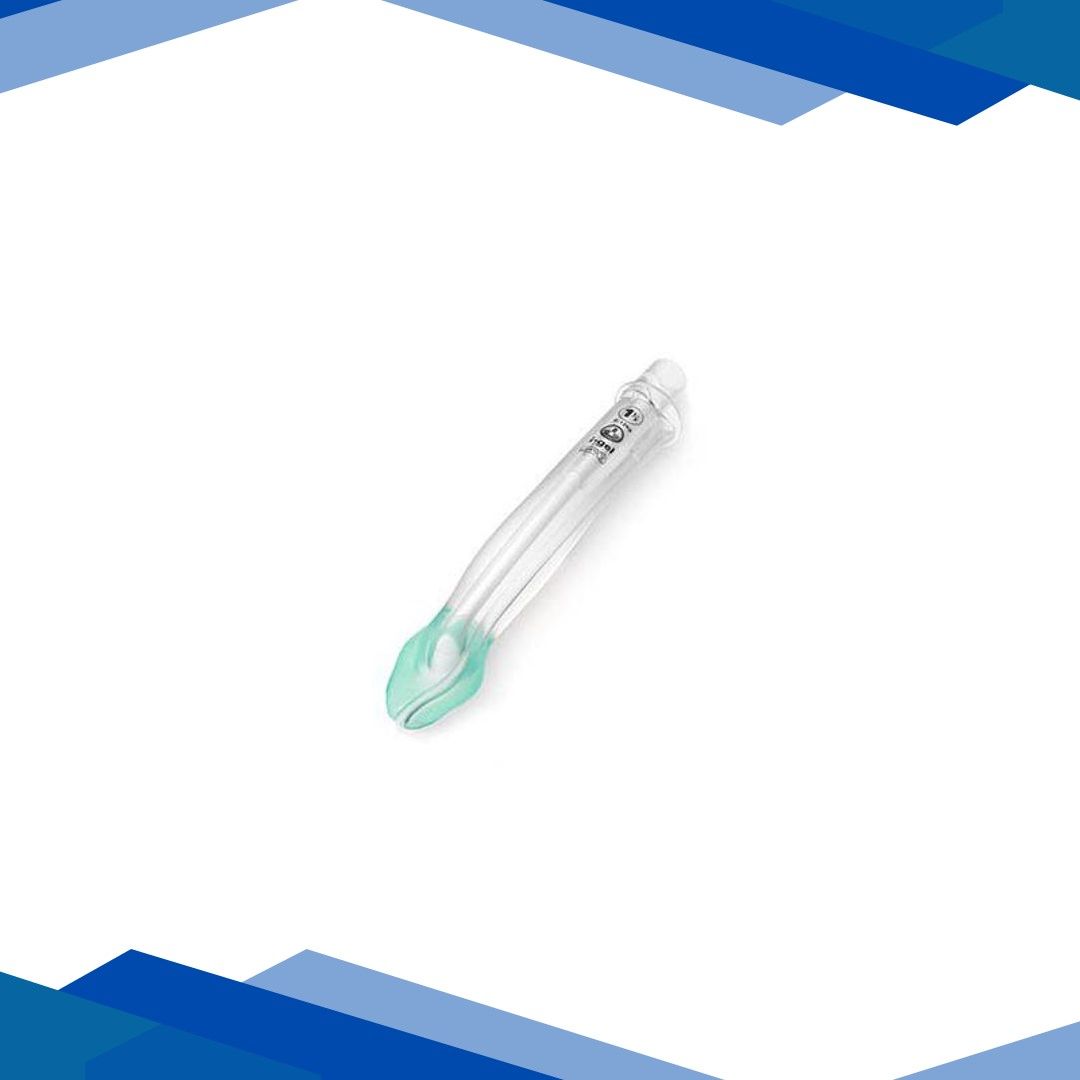
Intersurgical I – Gel Supraglottic Airway (5 – 12 Kg) (Size 1.5) 1’s

Wellness Kramson Absorbent Cotton Wool 400 gm

Matrisurg Silicon Gel Sheet (10cm x 10cm) 1’s