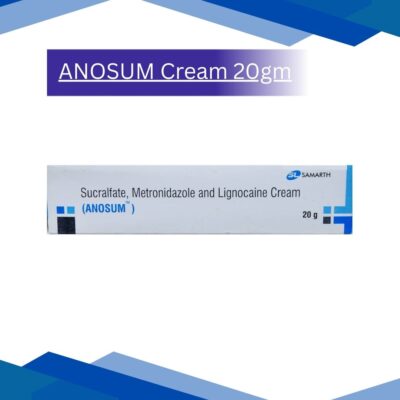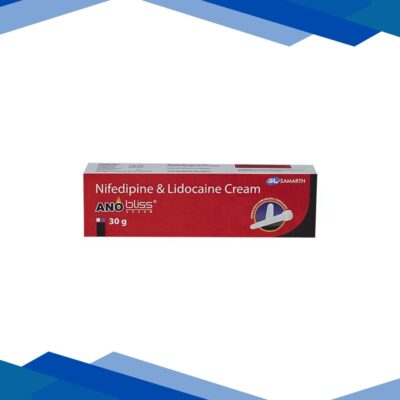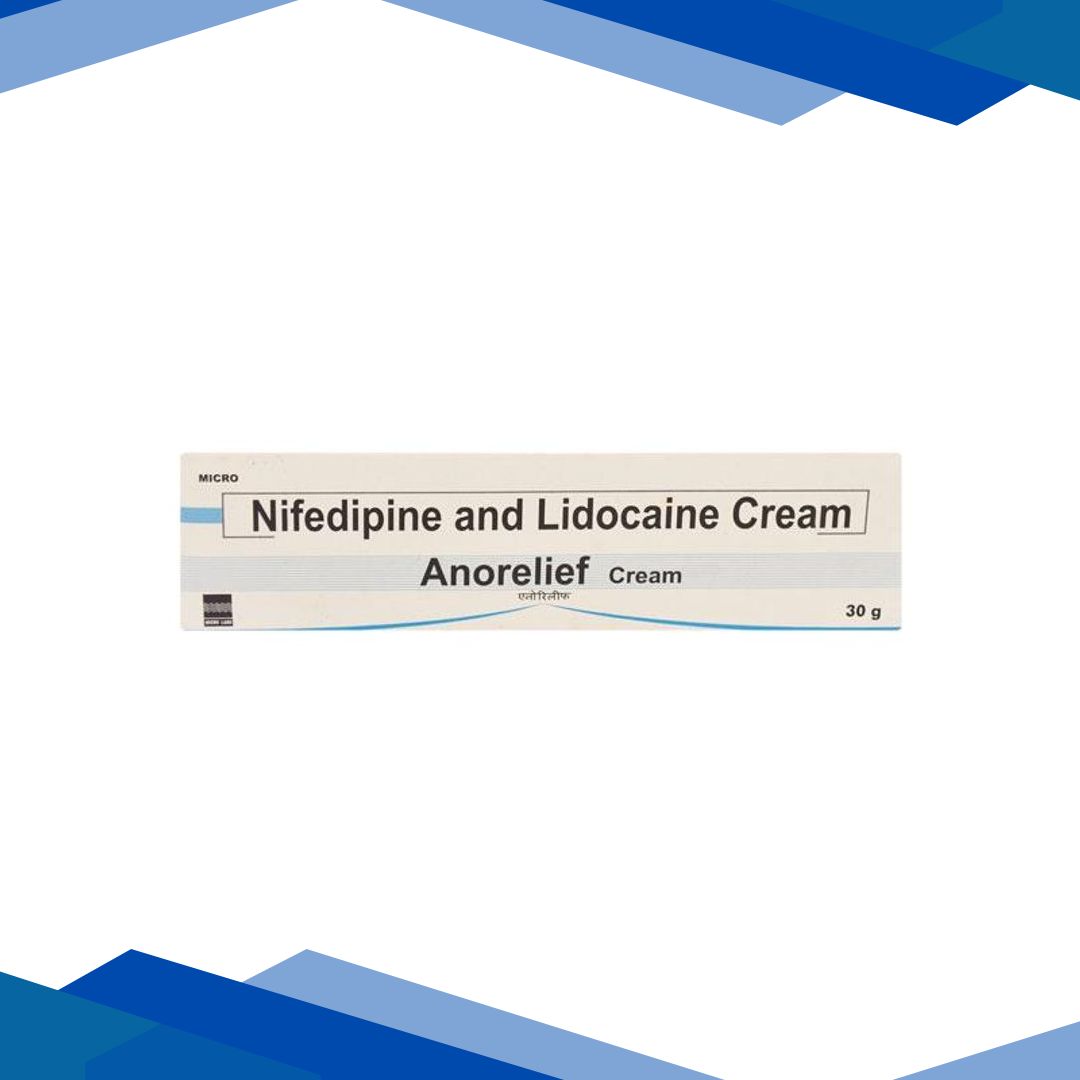
Anorelief Cream 30gm
Anorelief Cream is a topical medicine used to help relieve pain and irritation in the mouth, especially from mouth ulcers and other minor oral sores. AMLEXANOX helps reduce inflammation and supports faster healing of painful lesions, while lidocaine is a local anesthetic that temporarily numbs the area to ease discomfort. Together, they can make speaking, eating, and drinking more comfortable when the mouth is irritated. This medicine is generally used for short-term relief of symptoms caused by minor oral conditions and should be used under the guidance of a healthcare professional if symptoms are severe, persistent, or keep returning. It is intended for local use only and does not treat serious infections or the underlying cause of all mouth problems.
Description
Anorelief Cream is a combination medicine used in the symptomatic treatment of painful inflammatory conditions affecting the mouth, gums, and oral mucosa. it brings together two active ingredients that work in different but complementary ways: amlexanox, which helps reduce inflammation and supports healing of oral ulcers, and lidocaine, a local anesthetic that temporarily numbs the affected area to ease pain, burning, and discomfort. because oral ulcers and inflamed mouth tissues can make speaking, chewing, swallowing, and maintaining oral hygiene difficult, this combination is designed to improve comfort while the underlying irritation settles.
this medicine is generally considered for short-term relief of painful mouth sores, aphthous ulcers, and other minor inflammatory lesions in the oral cavity when a clinician feels that both anti-inflammatory action and pain relief are needed. amlexanox helps calm the inflammatory process in the mucosal lining, while lidocaine acts quickly on exposed nerve endings to reduce pain sensitivity. together, they can make eating, drinking, and oral care easier during recovery. however, this medicine does not cure every cause of mouth ulcers, and persistent, recurrent, severe, or unusual oral lesions should be evaluated by a healthcare professional to rule out infection, nutritional deficiency, autoimmune disease, trauma, or other underlying conditions.
the medicine is intended for use in the mouth and should be applied carefully to the affected area as directed. since the mouth absorbs medicines rapidly, correct and limited use is important to reduce the risk of side effects. it is especially important not to exceed recommended use, not to apply it to large areas without advice, and not to swallow excessive amounts. people who are allergic to local anesthetics or to any component of the product, or who have certain heart conditions or significant liver disease, may need special caution. if symptoms worsen or do not improve within a reasonable period, medical assessment is recommended.
ingredients
- amlexanox: amlexanox is the anti-inflammatory component of this combination. it is used in oral ulcer care because it helps reduce local inflammation in the lining of the mouth and may support faster symptom improvement in painful aphthous-type lesions. by calming irritated tissue, it can help reduce redness, soreness, and the sense of rawness that often accompanies mouth ulcers. it is not a painkiller in the usual sense, but by improving the inflammatory process it helps create a better environment for healing.
- lidocaine: lidocaine is a local anesthetic that temporarily blocks nerve signals from the applied area. in the mouth, this produces a numbing effect that can relieve pain, burning, and tenderness for a limited time. it is especially useful when mouth ulcers interfere with eating, drinking, brushing, or speaking. because lidocaine can also numb the throat or tongue if used excessively, it should be used carefully and only as directed.
- excipients / base formulation: depending on the product form, the medicine may also contain inactive ingredients that help stabilize the formulation, improve consistency, or allow topical application inside the mouth. these do not provide therapeutic action but are important for proper delivery of the active ingredients. exact excipients vary by manufacturer.
key uses
- painful mouth ulcers: used to relieve discomfort from aphthous ulcers and similar non-infectious sores in the mouth. the combination helps reduce inflammation while also numbing the painful surface.
- inflamed oral mucosa: may be used for irritated or inflamed mouth lining when pain is present and local symptomatic relief is needed. it helps make speaking and eating more comfortable.
- burning and tenderness in the mouth: the lidocaine component offers short-term relief from burning or stinging sensations, especially when lesions are sensitive to touch or food.
- supportive relief during healing: it may be recommended as a supportive treatment while the mouth lesion heals naturally. it improves comfort but does not replace treatment of any underlying cause if one is present.
how to use
Anorelief Cream should be used exactly as advised by a doctor, dentist, or pharmacist, and only on the affected areas inside the mouth. in general, the medicine is applied locally after gently cleaning the mouth and drying the lesion area if possible. it is usually intended for short-term, targeted use rather than continuous or widespread application. the goal is to coat the sore area so that the anti-inflammatory ingredient can act directly on the lesion while the anesthetic reduces pain for temporary relief.
when using a mouth preparation, avoid eating or drinking immediately if the product causes numbness, because reduced sensation can increase the risk of accidentally biting the tongue, cheek, or lips, or of choking on food and liquids. do not apply more often or in larger amounts than recommended, even if pain returns, because excessive topical lidocaine can be absorbed and may lead to unwanted systemic effects. if the product is a gel, ointment, or paste, apply a thin layer only to the ulcer or irritated site. if it is a rinse or other oral formulation, follow the instructions carefully and do not swallow unless specifically directed.
good oral hygiene remains important. use a soft toothbrush, avoid very spicy, acidic, salty, or rough-textured foods that can irritate ulcers, and maintain gentle oral care. if mouth sores are frequent, severe, last longer than expected, or are associated with fever, skin rash, eye symptoms, weight loss, or difficulty swallowing, medical review is necessary because the condition may not be a simple aphthous ulcer. always ask a healthcare professional if you are unsure about the correct method of use for your specific formulation.
safety information
- warnings: this medicine is for local symptomatic treatment only and should not be used as a substitute for medical evaluation when oral lesions are persistent, extensive, recurrent, or unusual in appearance. lidocaine can numb the mouth and throat, which may interfere with swallowing and increase the risk of biting or choking. avoid applying to large areas, damaged tissue beyond the intended lesion, or using more often than directed. if signs of allergy occur, such as swelling, rash, wheezing, or severe irritation, stop use and seek urgent medical help.
- side effects: common side effects may include temporary burning, stinging, mild irritation at the application site, numbness, altered taste, or a temporary feeling of dryness in the mouth. less common but more serious effects can include dizziness, blurred vision, ringing in the ears, drowsiness, palpitations, trembling, confusion, or unusual weakness if too much lidocaine is absorbed. rare allergic reactions may occur, including swelling of the lips, tongue, or face, breathing difficulty, or severe skin reactions.
- precautions: use with caution in people with a history of allergy to local anesthetics, significant liver disease, heart rhythm disorders, epilepsy, or conditions that make swallowing difficult. extra caution is needed in older adults, children, and people with reduced oral sensation, because they may be more vulnerable to accidental injury or systemic effects. do not use if the mouth ulcers are suspected to be caused by a serious infection unless advised by a clinician.
- pregnancy/breastfeeding: safety depends on the amount used, the frequency, and the exact formulation. local, limited use may sometimes be considered when the benefits outweigh the risks, but pregnant or breastfeeding individuals should consult a healthcare professional before use. it is important to avoid unnecessary exposure and to use the smallest effective amount under guidance.
- interactions: lidocaine may interact with other medicines that affect the heart rhythm or central nervous system, including some antiarrhythmics, sedatives, and certain antibiotics or antifungals that can alter drug metabolism. alcohol can worsen dizziness or drowsiness in sensitive individuals and may irritate the mouth further. tell your healthcare provider about all prescription medicines, over-the-counter products, and herbal supplements before using this combination.
additional information
- storage: store in a cool, dry place away from direct heat, sunlight, and moisture. keep the container tightly closed and out of reach of children. do not freeze unless the label specifically allows it. always check the expiry date before use.
- missed dose: if you miss a scheduled application, use it when you remember if it is still appropriate to do so. if it is almost time for the next application, skip the missed one and return to the regular schedule. do not double the amount to make up for a missed application.
- overdose: excessive use, especially of the lidocaine component, may lead to toxic effects such as severe numbness, dizziness, sleepiness, nausea, ringing in the ears, tremors, irregular heartbeat, or in severe cases, seizures and breathing problems. if too much is used or if accidental swallowing occurs in a significant amount, seek medical help immediately or contact poison control services.
- habit forming: no. Anorelief Cream is not considered habit-forming or addictive. however, it should still be used only as directed, because overuse can increase the risk of side effects and may mask a condition that needs proper diagnosis.
frequently asked questions
Q: what is Anorelief Cream used for?
A: it is used for short-term relief of painful mouth ulcers and inflamed oral lesions. amlexanox helps reduce inflammation while lidocaine numbs the area to ease pain and discomfort.
Q: how quickly does Anorelief Cream work?
A: lidocaine usually acts quickly to provide temporary numbing, while the anti-inflammatory benefit of amlexanox may help over a longer period with repeated, directed use. the exact timing can vary depending on the severity of the lesion and the formulation.
Q: can i eat or drink after using it?
A: it is usually best to wait for the numbness to lessen before eating or drinking, because reduced sensation can increase the risk of biting the mouth or choking. follow the product instructions or your clinician? advice.
Q: is Anorelief Cream safe for children?
A: use in children requires special caution because they may be more sensitive to local anesthetic effects and accidental swallowing. a healthcare professional should confirm whether it is appropriate and how it should be used.
Q: can it be used for gum pain or toothache?
A: it may temporarily relieve pain in the mouth if the discomfort is coming from a superficial oral lesion, but it is not a treatment for tooth infection or deep dental pain. dental pain should be evaluated by a dentist.
Q: does it treat the cause of mouth ulcers?
A: it mainly provides local symptom relief and supports healing of certain inflammatory oral lesions. if the mouth ulcers are due to infection, vitamin deficiency, trauma, or another medical condition, that underlying cause may need separate treatment.
Q: what should i do if it burns when i apply it?
A: mild temporary stinging can happen, especially on very sensitive ulcers. if the burning is severe, persistent, or associated with swelling, rash, or worsening irritation, stop use and seek medical advice.
Q: can i use it with other mouth products?
A: sometimes, but you should separate it from other oral medicines or rinses to avoid washing it away or increasing irritation. ask a pharmacist or doctor before combining it with other mouth treatments.
Q: is it okay to swallow saliva after using it?
A: swallowing normal saliva is generally unavoidable, but try not to swallow the medicine itself in excess. follow the instructions carefully and avoid using too much, since swallowing large amounts may increase side effects.
Q: when should i see a doctor about mouth ulcers?
A: see a doctor or dentist if ulcers last more than expected, keep coming back, are unusually large or painful, or are accompanied by fever, difficulty swallowing, weight loss, or other concerning symptoms.
this information is for educational purposes only and should not be considered medical advice. always consult a qualified healthcare professional before use.
At Gem Pharmacy, we make every effort to provide accurate, expert-written, and thoroughly reviewed information related to medicines. However, this information should not be considered a substitute for professional medical advice, diagnosis, or treatment from a qualified doctor.
The purpose of this information is to educate users and improve communication between patients and healthcare professionals. It should not be used to diagnose or treat any condition.
Always consult a certified healthcare professional before taking any medication.


Related products
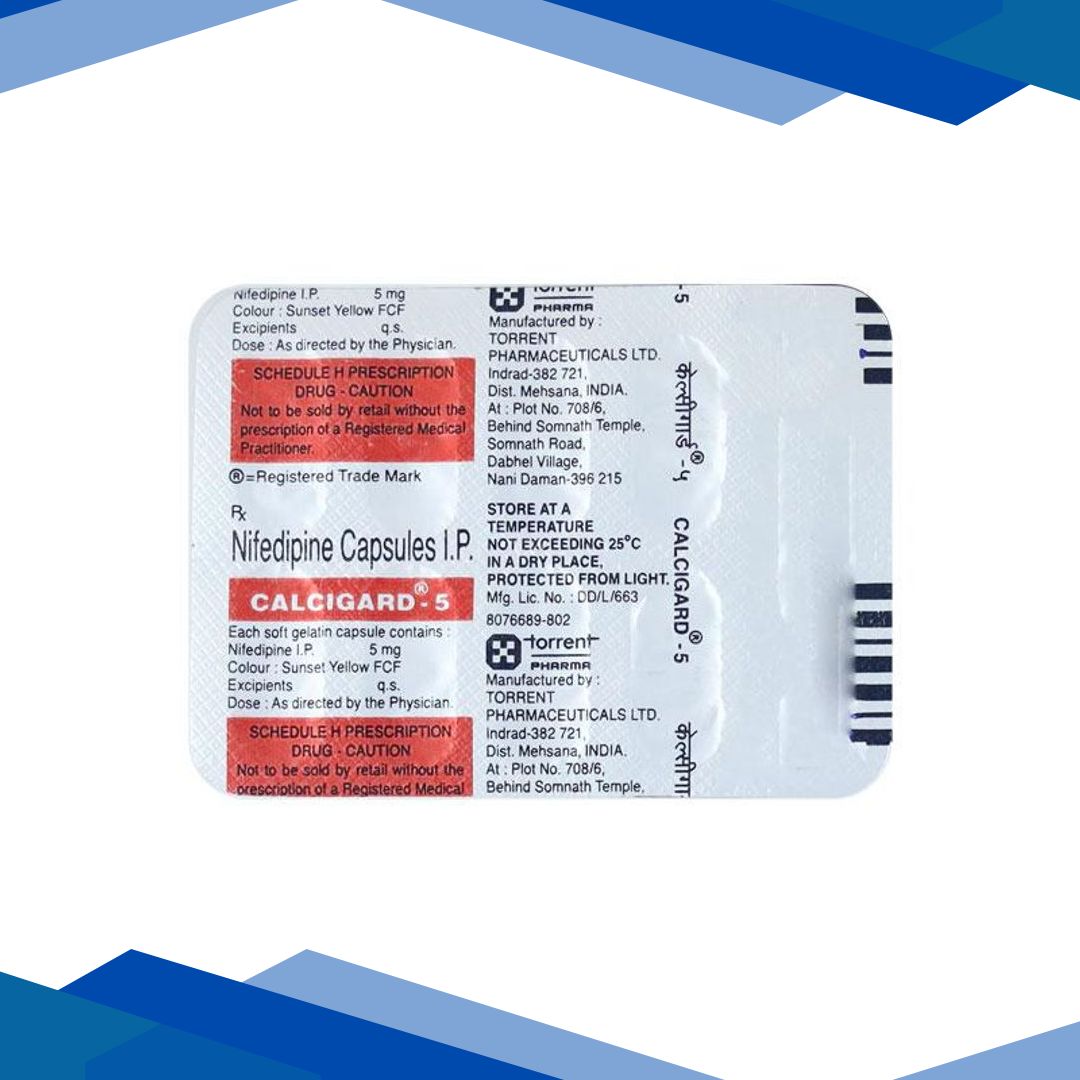
Calcigard Retard 20mg Tablet 10’S