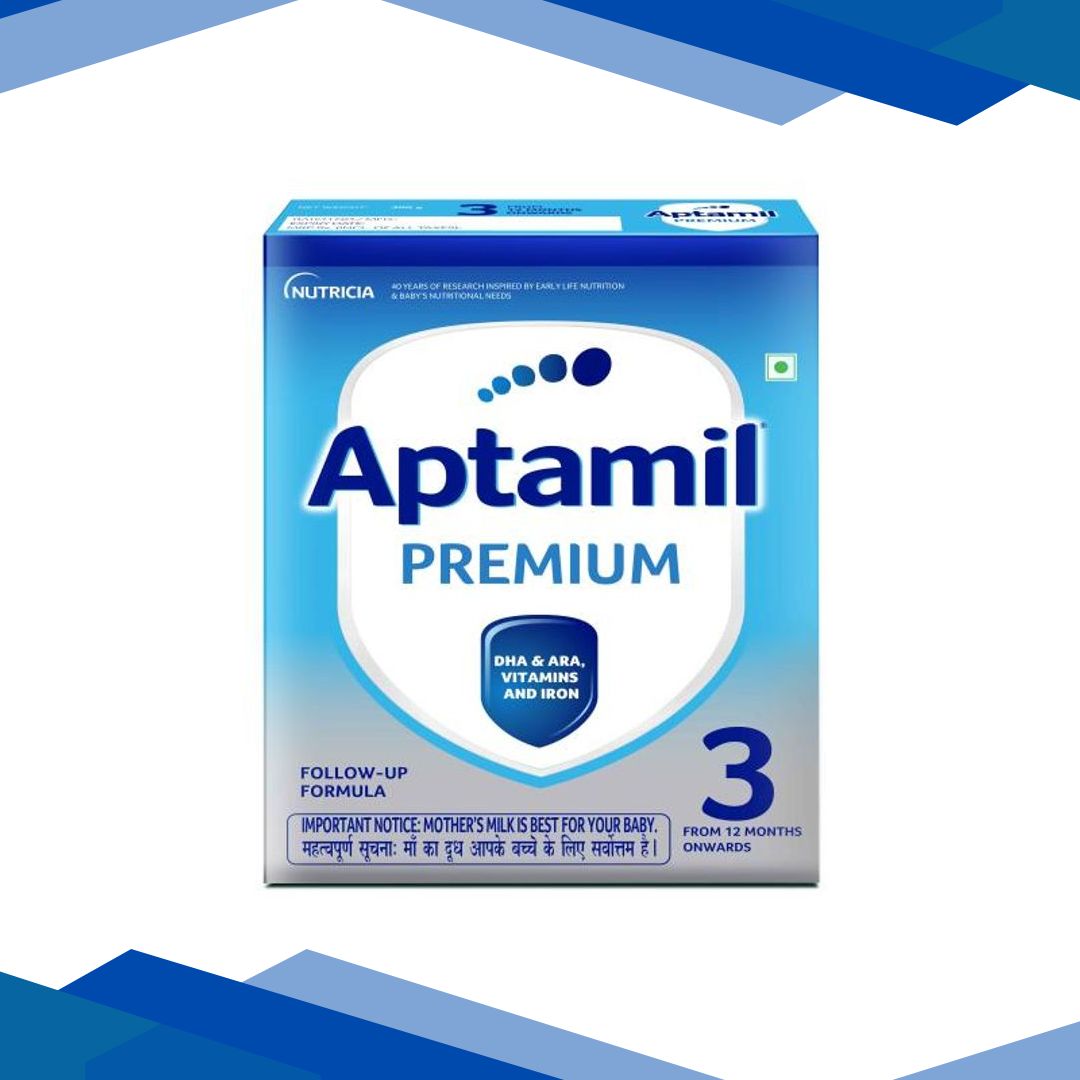
Aptamil Premium Follow up Formula Powder Stage 3 (12-24 months) 400 g
Aptamil Premium Follow up Formula Powder Stage 3 (12-24 months) 400 is a combination medicine used to help protect and support the treatment of certain eye or skin conditions where infection and tissue irritation may be present. Gentamicin is an antibiotic that works by stopping the growth of harmful bacteria, helping control bacterial infections. Betacarotene is an antioxidant and vitamin A precursor that supports normal tissue health and may help promote healing and recovery. Together, this combination is generally used when a doctor wants to reduce bacterial activity while also supporting the affected area. It may be prescribed for localized infections, irritation, or conditions needing both antimicrobial action and nutritional support for tissue repair. Use this medicine only under medical supervision, as the exact benefit depends on the condition being treated.
Description
Aptamil Premium Follow up Formula Powder Stage 3 (12-24 months) 400 is a combination medicine that pairs a vitamin-like antioxidant, beta-carotene, with an antibiotic, gentamicin. in standard medical use, gentamicin is the primary active ingredient responsible for treating or preventing bacterial infections, while beta-carotene is included as a supportive nutrient with antioxidant properties. together, this combination is generally used when a clinician wants to address an infection while also supporting tissue health and recovery. the exact purpose can vary depending on the dosage form and the condition being treated, so the medicine should always be used according to professional guidance.
gentamicin belongs to the aminoglycoside class of antibiotics. it works by interfering with bacterial protein production, which stops susceptible bacteria from growing and can lead to their death. because it is active against many serious gram-negative organisms and some other bacteria, gentamicin is an important medicine in certain infections. however, it is not suitable for all infections, and it does not work against viruses such as the common cold or flu. in some formulations, gentamicin is used locally or topically, while in others it may be given under strict medical supervision because of the risk of serious side effects if used incorrectly.
beta-carotene is a precursor of vitamin a and has antioxidant activity. it helps the body maintain healthy tissues and may support the normal function of skin and mucous membranes. in some formulations, it is included to support healing or provide nutritional benefit during illness. beta-carotene is not an antibiotic and does not kill bacteria. its role is supportive rather than curative, and it should not be viewed as a substitute for antimicrobial treatment when an infection is present.
this medicine is generally intended for patients who need bacterial infection management and may benefit from additional nutritional or antioxidant support. depending on the product form, it may be used for skin infections, eye infections, wound care, or other clinically indicated situations. because gentamicin can cause significant adverse effects if absorbed in large amounts or used inappropriately, safe use depends on correct diagnosis, proper duration, and monitoring for toxicity when indicated. if you are unsure why this product has been prescribed, a pharmacist or doctor should clarify the intended use.
ingredients
- betacarotene: beta-carotene is a carotenoid that the body can convert into vitamin a as needed. it supports normal epithelial tissue health, which is important for the skin, eyes, and mucous membranes. its antioxidant properties may help reduce oxidative stress during illness or tissue repair. it does not treat infection directly, but it can be included to support overall tissue maintenance and recovery.
- gentamicin: gentamicin is an aminoglycoside antibiotic that kills susceptible bacteria by binding to bacterial ribosomes and disrupting protein synthesis. this action leads to faulty bacterial proteins and ultimately bacterial death. it is used for bacterial infections caused by organisms sensitive to gentamicin. because of the risk of kidney, ear, and nerve-related toxicity, its use must be cautious and medically guided.
key uses
- bacterial infection treatment: gentamicin is used against susceptible bacteria, especially in infections where an aminoglycoside is appropriate. it may be chosen for certain severe or resistant infections under professional supervision.
- local infection control: in topical or localized forms, gentamicin may help reduce bacterial growth in infected skin, eyes, or wounds, depending on the formulation and clinical need.
- support for tissue health: beta-carotene may help support healthy skin and mucosal tissue function, which can be useful during recovery from illness or local irritation.
- antioxidant support: beta-carotene provides antioxidant activity that may help protect cells from oxidative stress, though it is not a treatment for infection itself.
how to use
use Aptamil Premium Follow up Formula Powder Stage 3 (12-24 months) 400 exactly as directed by your healthcare professional, because the correct method depends on the dosage form and the condition being treated. if it is a topical product, apply it only to the affected area after cleaning and drying the skin, and avoid using it on larger areas or longer than recommended. if it is an eye, ear, or other localized preparation, follow the specific instructions carefully and avoid touching the tip of the container to the skin or surface to prevent contamination. if it is prescribed in another form, the timing and method may differ, and medical supervision is especially important because gentamicin can be harmful if used improperly.
do not use more than instructed, and do not extend treatment on your own, even if symptoms improve early. antibiotics must be used for the full recommended duration when prescribed to reduce the risk of treatment failure and bacterial resistance. if you miss a dose, use it as soon as you remember unless it is almost time for the next dose; do not double up. wash your hands before and after use unless your doctor has told you otherwise, and avoid applying on broken or irritated skin unless specifically directed. if symptoms worsen, spread, or do not improve, contact a healthcare professional for reassessment.
safety information
- warnings: gentamicin can cause serious toxicity, particularly if absorbed into the body in significant amounts or used for too long. risks include kidney damage, hearing loss, ringing in the ears, dizziness, and nerve-related symptoms. it should be used cautiously in people with kidney problems, older adults, dehydrated patients, or those receiving other potentially toxic medicines. do not use it for viral or fungal infections, because it will not help and may delay proper treatment.
- side effects: common side effects may include local irritation, redness, burning, itching, dryness, or mild discomfort at the application site. more serious effects can include rash, allergic reaction, swelling, severe skin irritation, hearing changes, balance problems, reduced urine output, or signs of kidney injury. seek urgent medical help if you develop difficulty breathing, facial swelling, severe dizziness, or signs of a serious allergic reaction.
- precautions: people with kidney disease, a history of hearing problems, neuromuscular disorders, or known allergy to aminoglycosides should use this medicine only under strict medical advice. extra caution is needed in very young children, older adults, and those using multiple medicines that can affect the kidneys or ears. if the product is for topical use, avoid contact with eyes, mouth, and other sensitive areas unless specifically intended for those sites.
- pregnancy/breastfeeding: gentamicin may pose risks in pregnancy, especially if used systemically, because aminoglycosides can potentially affect the fetus. breastfeeding safety depends on the formulation and route of use; topical/local use may have lower exposure, but guidance from a clinician is still important. always inform your doctor if you are pregnant, planning pregnancy, or breastfeeding before using this medicine.
- interactions: gentamicin may interact with other medicines that increase kidney or ear toxicity, including some diuretics, vancomycin, amphotericin b, cisplatin, and other aminoglycosides. neuromuscular blocking agents can increase the risk of muscle weakness or breathing problems. alcohol does not directly interact with beta-carotene or gentamicin in a typical topical product, but drinking heavily may impair recovery and should be avoided when treating illness. tell your healthcare professional about all prescription medicines, over-the-counter products, vitamins, and herbal supplements you use.
additional information
- storage: store the product exactly as labeled, usually in a cool, dry place away from direct sunlight and moisture. keep it out of reach of children and do not freeze unless the package specifically says it is safe. close the container tightly after use and do not use it after the expiry date.
- missed dose: if you forget a dose, apply or take it when you remember unless it is nearly time for the next scheduled dose. if that happens, skip the missed dose and continue as directed. do not use extra medicine to make up for a forgotten dose.
- overdose: overuse may increase side effects and, depending on the formulation, can raise the risk of toxicity. if too much is applied or taken, wash the area if topical and contact a healthcare professional for advice. for swallowed, injected, or otherwise significant overdose exposure, seek urgent medical help immediately, especially if there are symptoms such as hearing changes, dizziness, weakness, reduced urination, or breathing difficulty.
- habit forming: no. Aptamil Premium Follow up Formula Powder Stage 3 (12-24 months) 400 is not considered habit forming or addictive. however, misuse of the antibiotic component can cause resistance and reduce future treatment effectiveness, so it should be used only as directed.
frequently asked questions
Q: what is Aptamil Premium Follow up Formula Powder Stage 3 (12-24 months) 400 used for?
A: it is used for conditions where bacterial infection control is needed and beta-carotene support may also be beneficial. the exact use depends on the dosage form and the doctor? diagnosis.
Q: does Aptamil Premium Follow up Formula Powder Stage 3 (12-24 months) 400 work for viral infections like cold or flu?
A: no. gentamicin is an antibiotic and only works against susceptible bacteria, not viruses. beta-carotene is supportive and does not treat viral infection.
Q: can i stop the medicine when i feel better?
A: you should not stop it early unless your healthcare professional tells you to. stopping too soon can allow the infection to return or worsen.
Q: what side effects should i watch for?
A: mild local irritation can happen, but serious warning signs include rash, swelling, hearing changes, dizziness, reduced urine output, or breathing problems. seek medical help if these occur.
Q: is Aptamil Premium Follow up Formula Powder Stage 3 (12-24 months) 400 safe for children?
A: it may be used in children only when prescribed and monitored by a healthcare professional. dosing and safety depend on age, weight, and the specific formulation.
Q: can this medicine affect my kidneys or hearing?
A: gentamicin can affect the kidneys and hearing, especially with prolonged use, high exposure, or in people with existing risk factors. report any unusual symptoms promptly.
Q: should i use this medicine with food?
A: this depends on the formulation. many localized or topical products do not involve food timing, while other forms may require specific instructions from your doctor or pharmacist.
Q: can i use it on open wounds or irritated skin?
A: only if your healthcare professional has specifically advised it. using antibiotic products on large, broken, or sensitive areas can increase absorption and the risk of side effects.
Q: does beta-carotene make the antibiotic work better?
A: beta-carotene does not act as an antibiotic, but it may support tissue health and antioxidant protection. it does not replace gentamicin or improve bacterial killing directly.
Q: what should i do if i have an allergic reaction?
A: stop using the medicine and seek immediate medical care if you develop hives, swelling, wheezing, or difficulty breathing. allergic reactions can become serious quickly.
this information is for educational purposes only and should not be considered medical advice. always consult a qualified healthcare professional before use.
At Gem Pharmacy, we make every effort to provide accurate, expert-written, and thoroughly reviewed information related to medicines. However, this information should not be considered a substitute for professional medical advice, diagnosis, or treatment from a qualified doctor.
The purpose of this information is to educate users and improve communication between patients and healthcare professionals. It should not be used to diagnose or treat any condition.
Always consult a certified healthcare professional before taking any medication.


Related products

Nestle Nestum Stage 1 (6-24 Months) Powder 300 gm – Rice (Refill Pack)

Aptamil C-ProteQ Infant Milk Powder (Tin) 400 g