Benzocaine
Benzocaine: Quick Relief for Minor Pain & Irritations
Benzocaine is a well-established local anesthetic used to provide temporary relief from pain and itching. Whether it’s a stubborn sore throat, a nagging toothache, or minor skin irritation, Benzocaine works by numbing the affected area quickly, allowing you to get back to your day without the constant distraction of discomfort.
How Benzocaine Works
Benzocaine belongs to the class of local anesthetics known as esters. It functions by creating a temporary barrier on your nerve endings. When applied, it stops sodium ions from entering the nerve ending, which effectively prevents pain signals from being sent to your brain.
Key Uses & Benefits
Benzocaine is versatile and available in various forms, including gels, sprays, lozenges, and creams. It is commonly used for:
-
Oral Pain: Relief from mouth ulcers, canker sores, and gum pain.
-
Sore Throats: Found in medicated lozenges to soothe irritation.
-
Skin Irritation: Temporary relief from minor burns, insect bites, and scrapes.
-
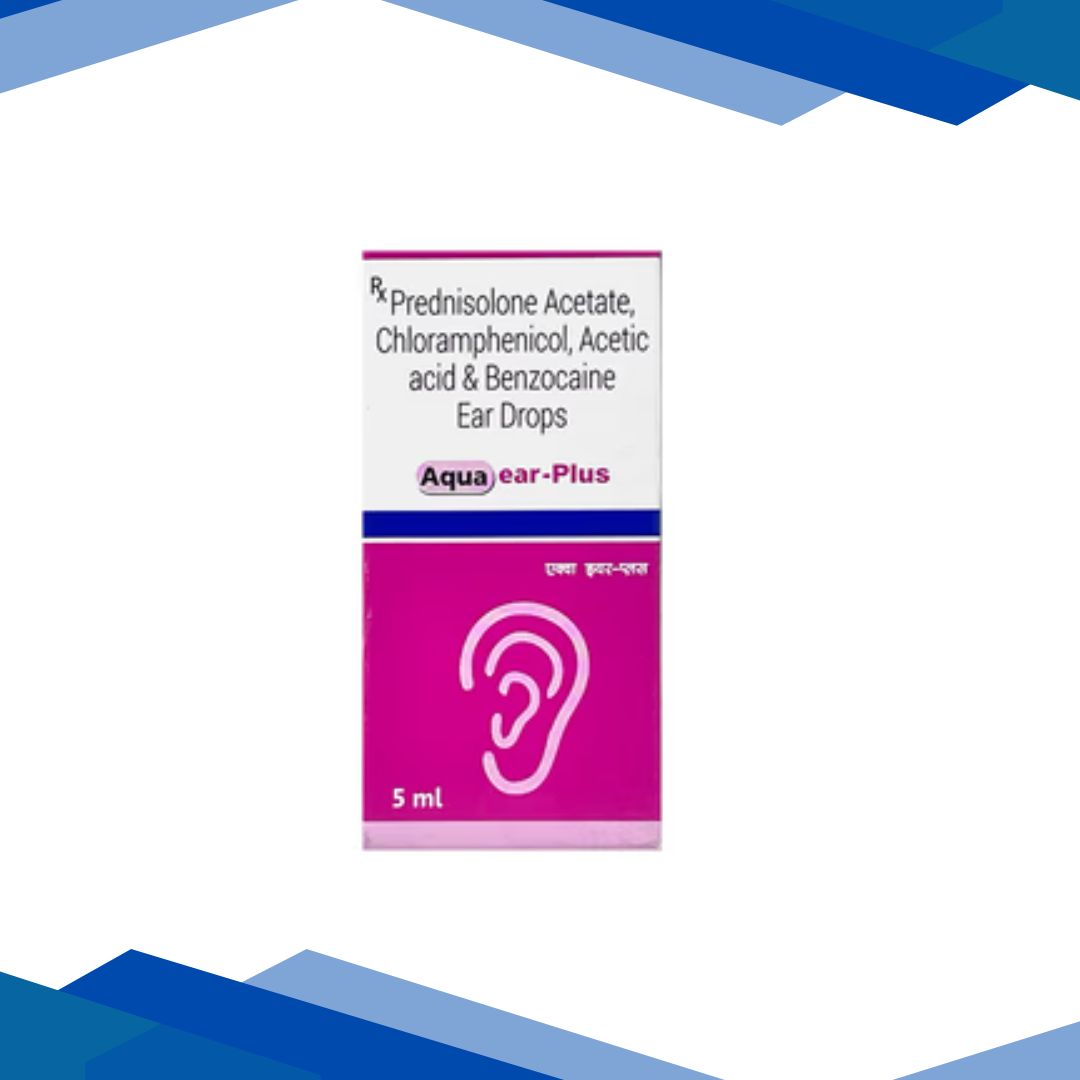
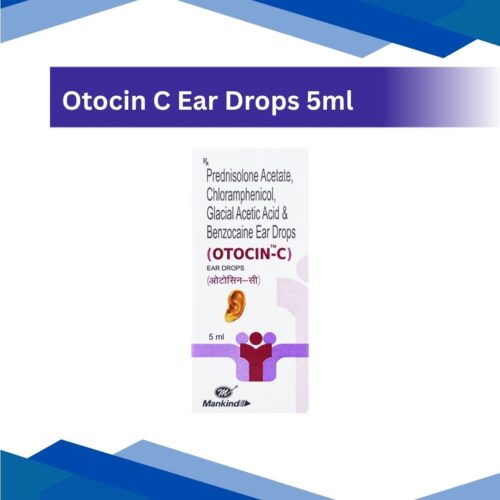
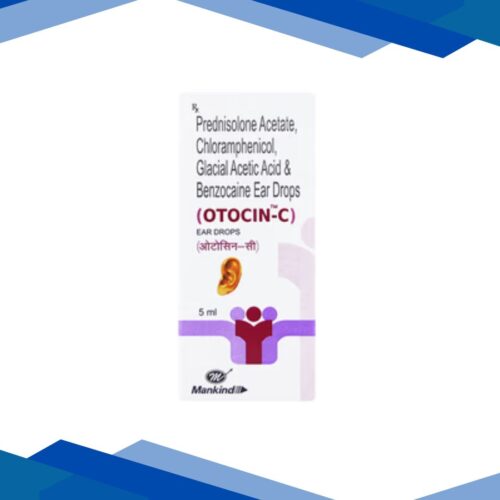
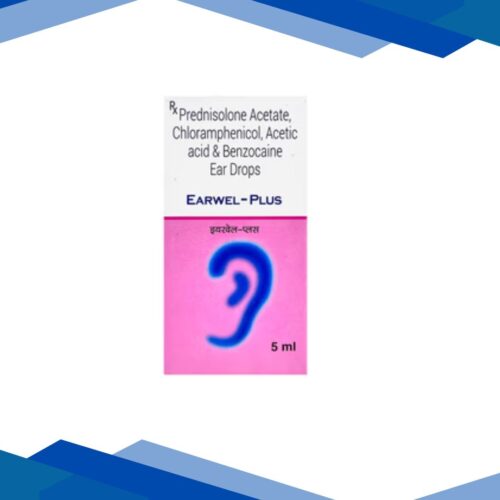
Ear Care: Used in specific drops to manage pain from ear pressure or wax buildup.
Usage Guidelines
To get the most out of your treatment and ensure safety, follow these general steps:
-
Clean the Area: Ensure the affected area is clean and dry before application.
-
Apply Sparingly: Use only the amount recommended on the product packaging or by your healthcare provider.
-
Frequency: Do not use more than 3–4 times a day unless directed otherwise.
-
Avoid Eyes: Keep all Benzocaine products away from your eyes and inner nose.
Safety Information & Precautions
While Benzocaine is generally safe for over-the-counter use, it is important to keep the following in mind:
-
Methemoglobinemia: This is a rare but serious condition where the amount of oxygen carried through the blood is greatly reduced. Seek medical help immediately if you notice pale, gray, or blue-colored skin/lips.
-
Age Restrictions: Benzocaine products should not be used for teething in infants or children under 2 years of age.
-
Allergies: If you have a known allergy to ester-type anesthetics (like procaine or tetracaine), consult your doctor before use.
Frequently Asked Questions (FAQs)
1. How long does it take for Benzocaine to start working?
Typically, you will feel a numbing sensation within 30 to 60 seconds of application. The peak effect usually lasts between 15 to 20 minutes.
2. Can I use Benzocaine for a toothache?
Yes, Benzocaine gels are frequently used for temporary toothache relief. However, it is a “band-aid” solution. You should visit a dentist to address the underlying cause of the pain.
3. Is Benzocaine safe during pregnancy?
If you are pregnant or breastfeeding, it is best to consult your OB-GYN before using Benzocaine. While topical absorption is generally low, professional medical advice ensures the safety of both mother and child.
4. What should I do if I accidentally swallow Benzocaine spray or gel?
While small amounts used for sore throats are generally safe to swallow, ingesting large quantities can be harmful. If you feel nauseous or dizzy after accidental ingestion, contact a poison control center immediately.
5. Can I use Benzocaine on open wounds?
You should avoid applying Benzocaine to deep puncture wounds, severe burns, or large areas of blistered skin unless a doctor specifically instructs you to do so.
Chloramphenicol
CHLORAMPHENICOL
Overview
Chloramphenicol is a strong antibiotic used to handle serious bacterial infections when other medicines might not work. It’s usually reserved for specific conditions due to its potential side effects.
Classification
Antibiotic
Uses
This medicine is typically used to treat:
Severe bacterial infections, especially when other antibiotics fail
Typhoid fever
Meningitis (infection of the brain and spinal cord linings)
Eye infections (in the form of drops or ointment)
Certain respiratory or abdominal infections
How It Works
Chloramphenicol works by blocking bacteria from making proteins, which they need to grow and multiply. By stopping this process, it kills the bacteria and helps the body recover from infection
Dosage
As prescribed by your doctor.
Side effects
Some people may notice:
Nausea or upset stomach
Vomiting or diarrhea
Skin rash or irritation
Temporary anemia or low blood cell counts in rare cases
Gray baby syndrome – a serious reaction in newborns
Precautions
Should be used only under strict medical supervision due to possible serious side effects
Tell your doctor if you have liver problems or blood disorders
Not safe for babies or pregnant women unless absolutely necessary
Long-term use should be avoided as it may affect bone marrow
Follow the exact dose and course as prescribed—do not stop early
Avoid using this with other medications that suppress the immune system, unless approved by your doctor
Disclaimer
This content is for informational purposes only. Always consult a healthcare provider for medical advice and proper dosage