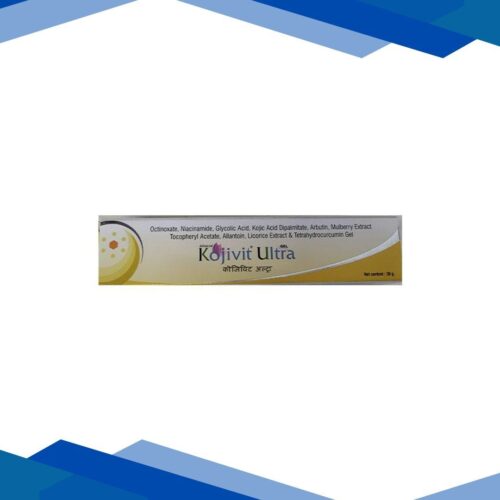
Niacinamide
Niacinamide
Overview
Niacinamide, or nicotinamide, is a type of vitamin B3. While more research is necessary, taking niacinamide may help reduce inflammation, improve skin elasticity
CLASSIFICATION
Vitamin-B family
USES
Minimizes fine lines and wrinkles
As it stimulates collagen production, including niacinamide in skincare can help improve the elasticity and firmness of the skin, and reduce the appearance of fine lines and wrinkles. This can result in a more youthful and smoother complexion.
Improves skin barrier function
This is one of the most important uses of niacinamide. It enhances the skin’s natural barrier function, which is essential for maintaining optimal hydration levels and protecting against environmental stressors. A strengthened skin barrier leads to improved moisture retention and reduced sensitivity.
Calms inflammation
Whether you have sensitive or irritated skin, niacinamide can help soothe and calm inflammation. Niacinamide has anti-inflammatory properties that can alleviate redness, irritation, and skin conditions such as rosacea.
HOW IT WORKS
It controls the NFκB-mediated transcription of signalling molecules by inhibiting the nuclear poly (ADP-ribose) polymerase-1 (PARP-1)-inflammatory properties that can alleviate redness, irritation, and skin conditions such as rosacea.
DOSAGE
As directed by the physician
PRECAUTIONS
· Niacinamide is generally safe when taken in the right amount, especially if you follow the recommended dose for your age. But taking too much can lead to some problems.
· It can worsen allergies in some people because it increases histamine, the chemical that causes allergy symptoms like itching or sneezing.
· If you have gallbladder issues, liver problems, or stomach ulcers, it’s best to avoid niacinamide, as it may make those conditions worse.
Also, taking very high amounts over time may raise your risk of gout or liver damage. And for kids, it’s especially important not to go over the daily safe limit.
SIDE EFFECTS
· Using niacinamide on your skin is usually very safe, especially for people with healthy skin. Some people with sensitive skin might feel a bit of redness, itching, or a light burning sensation—but this is usually mild.
· When taken by mouth, niacinamide is generally well-tolerated. Your body gets rid of extra amounts through urine, so side effects are uncommon if you’re taking a normal dose.
· Some people may have mild side effects like headaches, nausea, or stomach discomfort.
· Serious side effects are rare, but can happen if you take very high doses (over 3 grams a day). These may include liver issues or high blood sugar.
Disclaimer
This content is for informational purposes only. Always consult a healthcare provider for medical advice and proper dosage
Vitamin B12
VITAMIN B12
Overview
Vitamin B12 is an essential nutrient that helps keep your nerves healthy, supports the production of red blood cells, and plays a vital role in brain function and energy metabolism. Since your body doesn’t make it on its own, you must get it through diet or supplements.
Classification
Vitamin B12 is a water-soluble vitamin and part of the B-complex family. It’s also known as cobalamin.
Uses
Treats or prevents B12 deficiency
Helps with anemia, particularly pernicious anemia
Supports nerve health and helps manage symptoms like tingling or numbness
Boosts mental clarity, memory, and energy
Often used to support overall well-being in people with poor absorption or dietary gaps (e.g., vegans, elderly)
How It Works
Vitamin B12 assists in the formation of DNA, red blood cells, and myelin (the protective covering around nerves). It also plays a key role in how the body converts food into energy and helps maintain neurological health.
Dosage
As prescribed by your doctor.
Side effects
B12 is generally very safe, especially in recommended amounts. Rare or mild effects may include:
Mild diarrhea
Upset stomach
Skin rash or itching
In some cases, acne-like breakouts or redness at the injection site (if given by shot)
Precautions
While Vitamin B12 is generally safe and well-tolerated, there are a few things to keep in mind:
Allergic Reactions: Rarely, some people may be sensitive to B12 injections and could develop allergic reactions, such as rash, itching, swelling, or difficulty breathing. Always inform your doctor if you’ve had allergies to vitamins or medications.
Medical Conditions: If you have certain conditions like
Leber’s disease (a rare eye disorder), B12 may worsen vision problems
Kidney issues or low potassium levels, B12 supplementation should be monitored
Iron or folic acid deficiency, it’s important to treat these too, as B12 alone may not fix certain types of anemia
Pregnancy & Breastfeeding: B12 is generally safe and even recommended during pregnancy and breastfeeding, but always follows the doctor’s advice on the right dose.
Supplement Form: Whether you’re taking it as an injection, tablet, or lozenge, use it exactly as prescribed. Too much isn’t usually harmful, but high doses over long periods should be taken under medical guidance.
Disclaimer
This content is for informational purposes only. Always consult a healthcare provider for medical advice and proper dosage
Vitamin B6
VITAMIN B6
Overview
Vitamin B6 is an essential nutrient that your body needs to stay healthy. It plays a big role in keeping your nerves, brain, and blood cells working properly. Since your body can’t make it on its own, you get it from food or supplements
Classification
Vitamin B6 is a water-soluble vitamin, part of the B-complex family. This means it dissolves in water and doesn’t stay stored in the body for long — so you need to take it regularly through diet or supplements.
Uses
Vitamin B6 is used for:
Boosting brain function and mood
Supporting healthy nerves
Forming red blood cells
Helping the body break down proteins and carbs
Relieving nausea during pregnancy
Improving PMS symptoms
Preventing or treating vitamin B6 deficiency
How It Works
Vitamin B6 helps the body:
Make neurotransmitters – chemicals that send messages in the brain
Produce hemoglobin – the part of red blood cells that carries oxygen
Break down food into energy
Keep the immune system strong
In short, it helps your brain, nerves, and metabolism stay in balance.
Dosage
As prescribed by your doctor.
Side effects
Usually safe when taken in normal amounts. But in large doses or long-term use:
Numbness or tingling in hands and feet
Nausea or stomach pain
Sensitivity to sunlight
Tiredness or headache
Nerve damage (very high doses over time)
Precautions
Don’t take high doses for a long time without a doctor’s advice.
Talk to your doctor if you have nerve problems, kidney disease, or are on other medications.
Safe during pregnancy and breastfeeding in recommended doses, but avoid overdosing.
Always follow the label or doctor’s instructions for the correct dosage.
Disclaimer
This content is for informational purposes only. Always consult a healthcare provider for medical advice and proper dosage